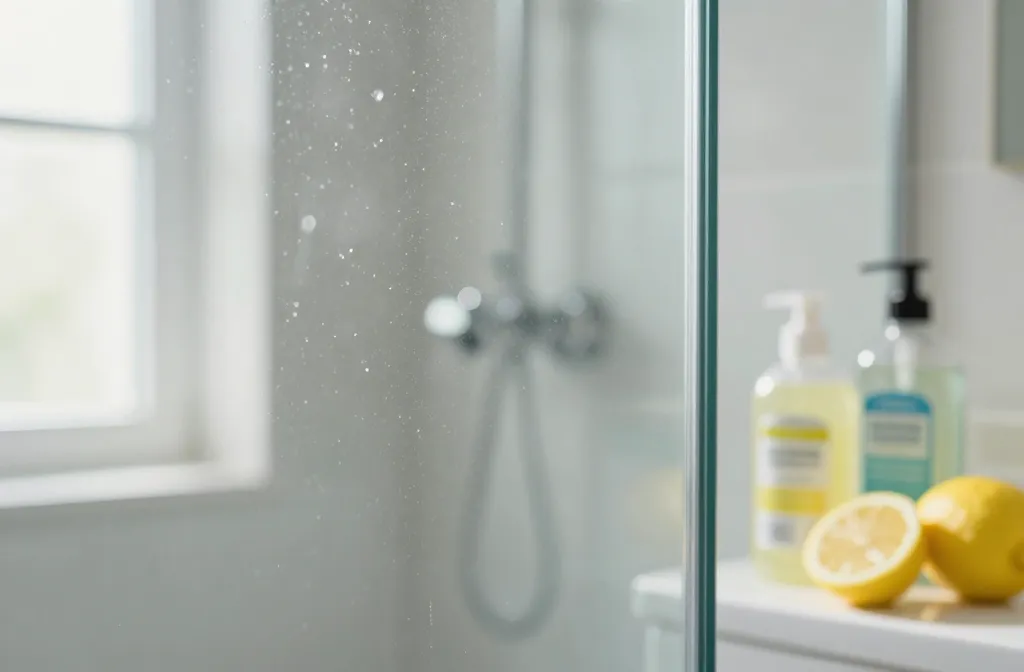

Shower doors can gleam without blowing your budget. You don’t need pricey cleaners or fancy gadgets to banish soap scum and water spots. Grab a few everyday staples, a little elbow grease, and you’ll be sipping coffee while your doors sparkle.
Why your shower doors get grimy in the first place
Soap, minerals from hard water, and shampoo residue team up to create that stubborn film. It sticks to glass like glue and attracts more gunk with every rinse. If you’re not cleaning regularly, it compounds quickly. FYI, you don’t have to live with it—consistency beats fancy solutions.
Simple, budget-friendly cleaners that actually work
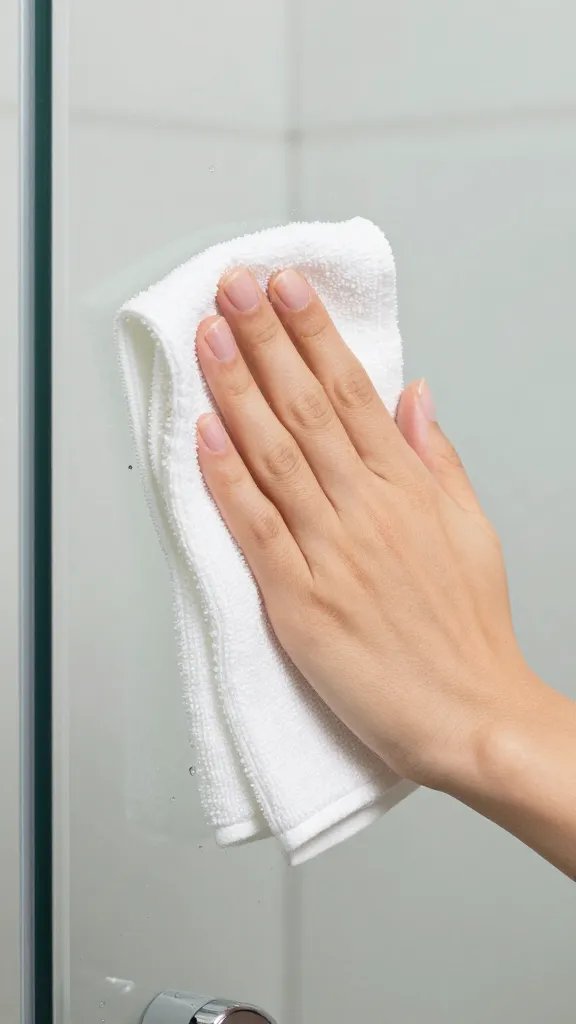
There’s no need to raid the cabinet for a specialty cleaner when you’ve got these goodies.
- White vinegar: The multitasker. It dissolves mineral deposits and soap scum.
- Baking soda: A gentle abrasive that buffs away grime without scratching glass.
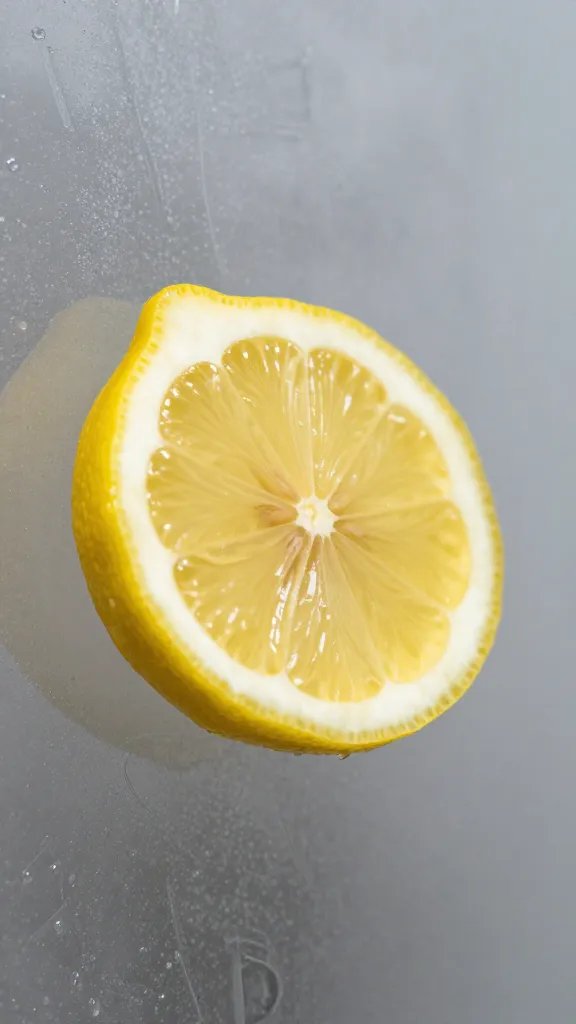
- Lemon juice: Naturally acidic and leaves a fresh scent.
- Dish soap: Breaks down oils and keeps fizz from sticking to doors.
Mix-and-match is totally fine. For example, a vinegar spray is great for weekly upkeep, while baking soda works wonders for stubborn patches. IMO, a tiny bit of lemon juice adds a zing and a clean-smelling finish. FYI, test any cleaner on a small area first if you’re worried about etching or staining.
Weekly routine that keeps soap scum away
A quick, predictable routine beats a superhero-clean that tires you out. Try this simple loop:
- Spray a vinegar solution on wet doors after showers and wipe with a squeegee or microfiber cloth.
- Finish with a light rinse to prevent any residue from drying.
- Once a week, sprinkle baking soda on a damp sponge and scrub any stubborn spots, then rinse.
If you hate scrubbing, there’s a trick: dry the glass after you shower. A quick wipe removes moisture that soap and minerals love to cling to. Do you want a mirror-polished finish without daily drama? This habit makes it easy.
Deep-clean sessions that save you cash
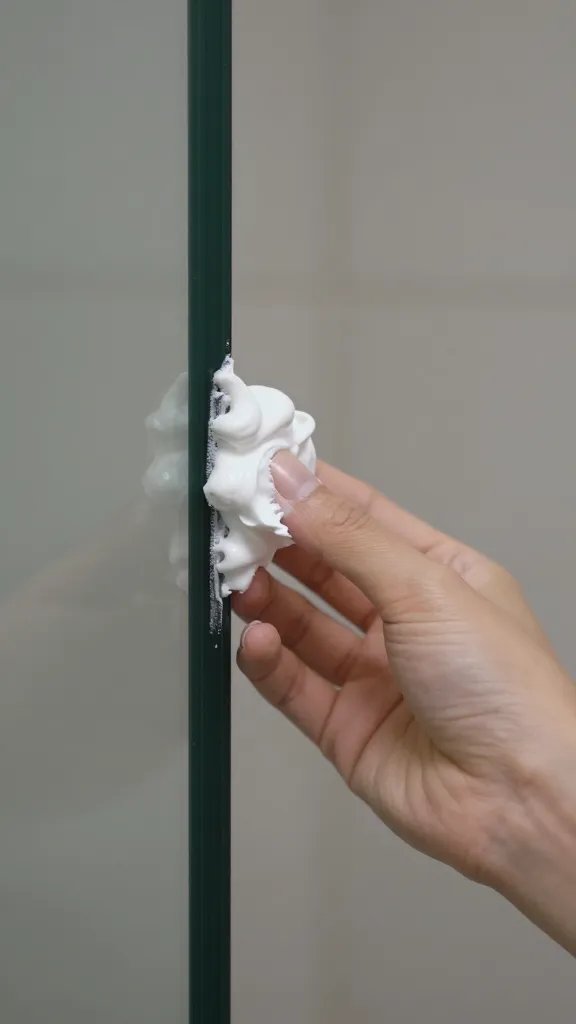
When you have stubborn buildup, you’ll need a slightly tougher plan. Here are two effective methods that won’t break the bank.
Method A: Vinegar soak + scrub
- Fill a spray bottle with equal parts white vinegar and water. Add a squeeze of lemon if you like the scent.
- Spray generously on all glass and let sit for 10–15 minutes. Don’t let it dry—rewet if needed.
- Scrub with a non-scratch sponge or microfiber cloth, focusing on edges and corners where buildup hides.
- Rinse thoroughly and dry with a microfiber cloth.
This is your go-to for mineral-heavy showers. It’s cheap, effective, and doesn’t stink up your bathroom with harsh fumes. If your water is extra stubborn, FYI you can heat the vinegar slightly (careful with hot containers) to boost cleaning power.
Method B: Baking soda paste for spot treatment
- Make a thick paste with baking soda and a little water.
- Apply to problem spots like door frames and the bottom track where grime loves to gather.
- Let sit 5–10 minutes, then scrub gently and rinse.
For those curious, this method is great on mineral rings and soap scum that cling to metal staples. It’s not magic, but it’s stubborn-yet-friendly—like a polite gym buddy who won’t stop following up.
Dealing with hard water and mineral deposits
Hard water isn’t a boilerplate villain, but it does demand a plan. Some areas need extra attention, some don’t. Here are options you can tailor to your faucet’s personality.
- Vinegar boil-down: For mixed deposits, a longer soak (20–30 minutes) helps break the crust. Remember to reapply if it dries out.
- Commercial but affordable substitutes: If you want something stronger than vinegar but not hospital-grade, choose a calcium- and lime-removal spray labeled for bathrooms. Read reviews and avoid anything too harsh on seals.
- Filter your water: If you’re dealing with consistently heavy mineral buildup, consider a showerhead or inline water filter. It’s an upfront cost, but it pays off over time.
Quick tip: after every deep clean, seal the glass by wiping with a dry microfiber and letting it air dry. A tiny step that pays off for weeks. Do you rinse with hot or cold water after cleaning? I prefer a warm rinse to help any residue loosen up before final drying.
What about seals, tracks, and the frame?
Shower doors aren’t just glass; their frames and tracks gather grime too. Here’s how to handle those without turning screws or sweating bullets.
Tracks and hinges
- Wipe with a vinegar-water spray to dissolve soap scum.
- Use a soft brush or old toothbrush to reach corners and crevices.
- Dry thoroughly to prevent rust or mold growth.
Seals and gaskets
- Wipe with a mild soap solution. Avoid harsh solvents that can dry out or shrink rubber seals.
- For mold-prone areas, a 1:1 mixture of water and vinegar can kill mildew. Rinse well afterward.
- Keep the area dry when you’re done. The goal is less dampness, less mold.
Don’t forget: happy, squeaky-clean doors rely on regular maintenance, not once-a-year miracles. FYI, if you see persistent water spots forming despite cleaning, you might want to check for leaks or drainage issues that keep constant moisture around the glass.
Eco-friendly and budget-smart habits
Cleaning doesn’t have to feel like a chemical experiment. Here are some guardrails that keep things green and cheap.
- Use microfiber cloths; they’re reusable and effective at picking up soap scum with minimal product.
- Dilute cleaners properly. Stronger isn’t always better; it’s just more dangerous for your skin and seals.
- Label your mixes so you don’t accidentally re-dispense stale stuff.
- Keep a small, dedicated spray bottle in the bathroom for quick touch-ups.
Question for you: do you prefer sweeping up grime or sweeping up clutter? With consistency, the answer becomes the same: you can clean fast and still have a life outside of the bathroom. IMO, the payoff is a door you’re not embarrassed to show off to guests.
Common mistakes to avoid
Want to keep results consistent? Dodging these missteps helps a lot.
- Don’t mix vinegar with bleach or ammonia. Bad news jellyfish vibes in the air—and not in a good way.
- Avoid abrasive scrubbers on glass. They scratch and invite more work in the long run.
- Don’t skip drying after cleaning. Residual moisture invites new deposits and mold.
- Don’t rely on a single weekly scrub; consistency wins the race.
Ask me how I survived a month-long mineral siege on my own shower door? I did the vinegar soak, then dried like a madman with a microfiber. It took 15 minutes, and suddenly, I had a gleaming glass fortress again.
FAQ
Can I use lemon juice instead of vinegar?
Lemon juice works, though it’s a bit slower and can float oils around a bit more than vinegar. It’s great for a fresh scent, especially if you’re sensitive to the vinegar smell. If you use lemon, you can combine it with a touch of baking soda for a gentle fizz and scrub.
Is it safe to clean metal tracks with these methods?
Yes. Stick to mild solutions like diluted vinegar or soap and water. Avoid harsh acids or solvents that could corrode metal over time. A quick wipe after cleaning helps prevent buildup and rust.
How often should I deep-clean my shower doors?
Do a light weekly upkeep plus a deeper clean every 2–4 weeks, depending on usage and water hardness. If you notice mineral stains forming faster, shorten the interval. Your shower will thank you with extra sparkle.
What if soap scum won’t come off?
Try a vinegar soak or a baking soda paste on the stubborn spots. Let the solution sit longer, then scrub with a non-scratch pad. If needed, repeat once. Don’t give up; stubborn spots often yield to a second pass.
Do these methods work on tinted or frosted glass?
Mostly yes, but test in a small area first. Some etched or frosted finishes can be more sensitive to acids. Gently wipe and monitor for any dulling or changes in texture.
Conclusion
Keeping shower doors clean on a budget isn’t complicated. A few pantry staples, a bit of routine, and some smart habits do the heavy lifting. You can chase away soap scum without chasing expensive products. So, grab your spray bottle, your microfiber cloth, and your favorite playlist—the mirror-like glass is just a scrub away. Ready to try it this weekend? IMO, your shower will thank you in quiet, gleaming superiority.