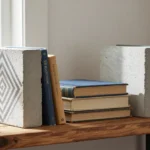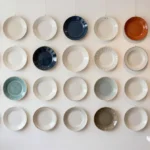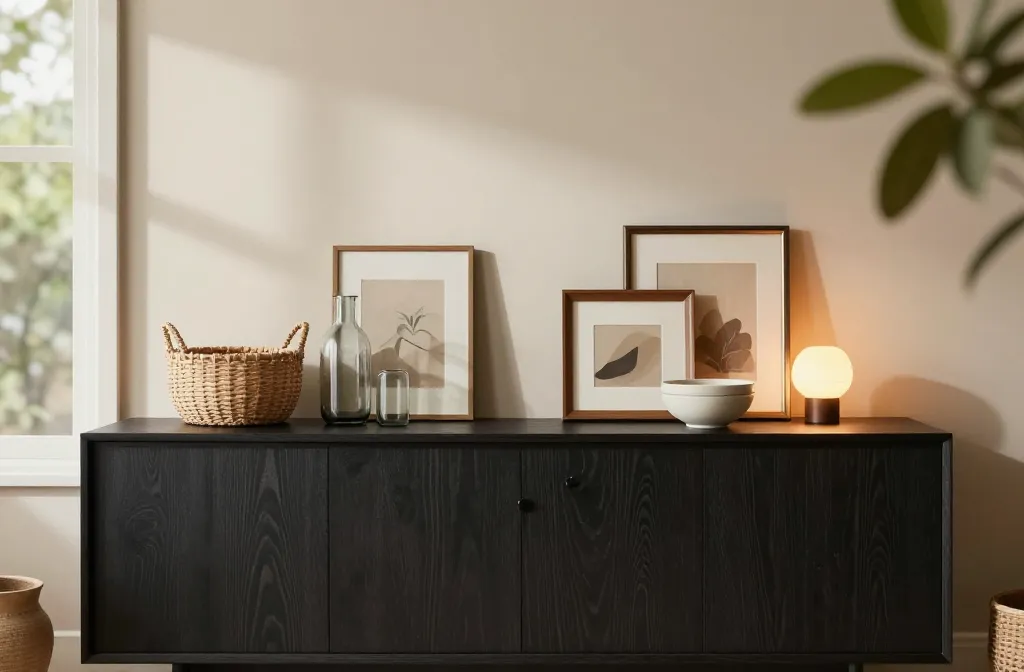

The dining room sideboard is the hardworking MVP of your space. It holds dishes, decor, and the occasional wine bottle you pretend to keep for guests but really just for yourself. If your sideboard looks like a thrift-store scavenger hunt, you’re not alone—and you don’t need a fortune to fix it. Let’s get that surface singing without wrecking your budget.
Think of your sideboard as a gallery, not a cabinet
Your sideboard isn’t just storage—it’s a stage for personality. Start by deciding the vibe you want: cozy, modern, vintage, or a little glam. Once you know the mood, everything else falls into place. FYI, a cohesive look reads as intentional, even if you’re playing mix-and-match.
Start with a clean slate: declutter before you decorate
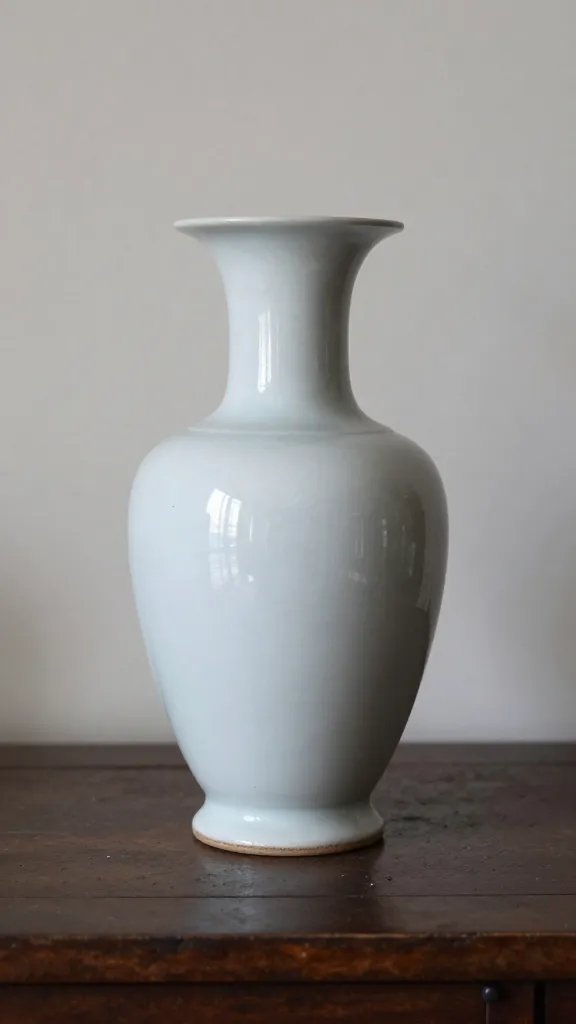
Ask yourself what actually belongs on the surface. Do you need every photo frame and every bottle of sauce there all the time? Probably not. Clear it off, wipe it down, and only bring back items that add value or joy. A tidy base makes future styling much easier.
Budget-friendly foundations: color, texture, and height
Your budget doesn’t mean boring. Here’s how to build a compelling base with affordable pieces:
- Color: Pick 2-3 complementary colors to anchor the vignette. This keeps things cohesive without feeling matchy-matchy.
- Texture: Mix smooth surfaces with tactile finishes—matte ceramics, woven baskets, or a sleek glass vase can do wonders.
- Height: Use objects of varying heights to create visual interest. A tall vase, a medium stack of books, and a small bowl can balance the display.
Styling on a budget: quick swaps that pack a punch
– Swap in a few thrifted or DIY pieces that speak to your style. A found mirror, a repurposed tray, or a painted vase can transform the look without draining your wallet.
– Rotate seasonal pieces. You don’t need 12 synchronized accents—just a couple that feel fresh at different times of the year.
Anchor with a main piece: the artful centerpiece
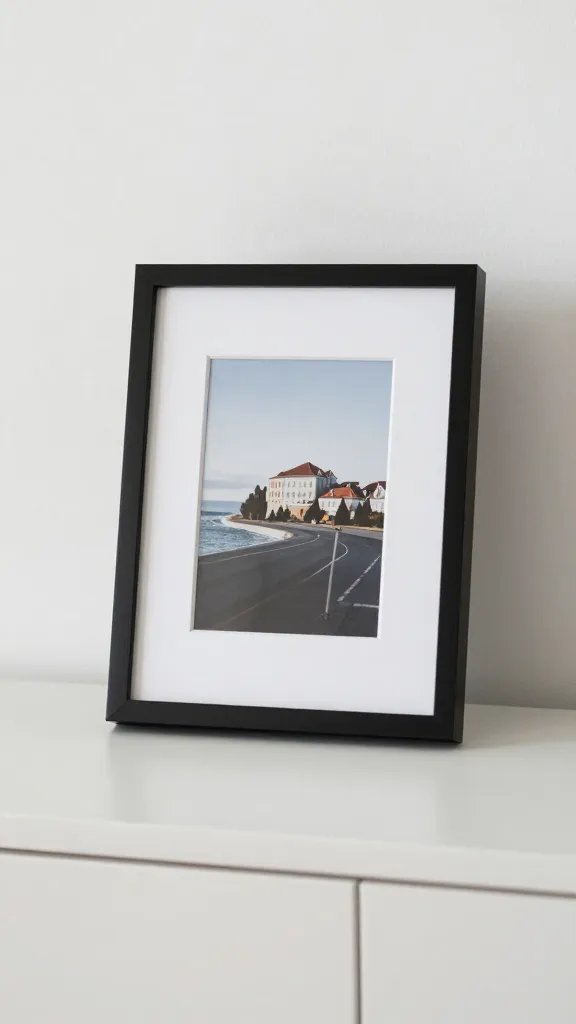
Choose one bold item to anchor your display. This could be a large mirror, a sculptural vase, or a statement lamp placed behind the sideboard (if you have space) to bounce light and add drama. The key is scale: big enough to feel intentional but not so big it overwhelms the surface.
Mirrors, art, and the illusion of space
A mirror can double as a window to the night sky if you lean it against the wall or hang it above the sideboard. Art prints work too—just pick one that speaks to you and pair it with a simple frame to avoid clashing with other elements. If you hate bare walls, you’re allowed to borrow a piece from another room for a fresh vibe.
Layered textures and symmetrical chaos
Texture is your BFF when you’re styling on a budget. Think of it as depth for your dinnerware display.
- Place a textured runner or a small woven runner along the surface for warmth.
- Layer books or magazines with decorative objects to create built-in storytelling.
- Introduce a natural element like dried grasses, a potted plant, or a bowl of fruit for visual breathability.
Symmetry vs. curated rule-breaking
Symmetry can feel polished, but it can also look sterile. Don’t be afraid to mix it up. Pair a tall vase on one end with a stack of books and a small sculpture on the other. The eye will settle, and the space will feel designed, not staged.
Greenery on a budget: freshen up without overhauling
Plants breathe life into a sideboard display. If you’re new to plants, start with a low-maintenance option like snake plants, pothos, or ZZ plants. Not all greenery needs constant care, and it adds color and texture in a snap.
- Use a humble planter or basket to keep things cohesive and affordable.
- Group two different types of greenery for depth—one with tall vertical growth, one with trailing habit.
- Rotate plants seasonally to keep the look dynamic.
Lighting that elevates the scene (without a lighting budget blowout)
Good lighting makes everything feel more intentional. If you don’t want to run new wires or buy an expensive fixture, use what you have and add small lamps or candles.
- Place a lamp or a couple of candles on the sideboard for ambient glow.
- Consider LED candles for safety and longevity if you have kids or pets.
- Use a dimmer switch if possible to adjust the mood with ease.
Mini styling experiments you can try this weekend
– Create a “story tray”: gather a few related items (a plant, a candle, a small sculpture) and place them on a decorative tray to make a curated moment.
– Swap a single item every couple of weeks to refresh the look without a full overhaul.
– Use aged or unexpected materials (copper, ricelike textures, matte black finishes) to add contrast.
What not to do (and how to avoid it)
There are plenty of small mistakes that sneak into sideboard styling. Here’s a practical list for quick wins:
- Overloading the surface—space breathes, clutter whispers chaos.
- Ignoring scale—tiny objects on a large surface disappear; giant objects look chunky.
- Forgetting the backstory—let your choices tell a consistent narrative that fits the room.
Maintenance tips: keep it looking thoughtful, not fussy
The best displays stay fresh with minimal effort.
- Dust regularly to keep textures and colors true.
- Shine is not your friend—matte finishes hide smudges better, so lean on those where possible.
- Refresh a piece or two every few months to keep the scene alive without starting from scratch.
What about a quick printable shopping list?
If you like a plan, here’s a simple quick-start list you can print:
- One bold centerpiece item (mirror, sculpture, or vase)
- 2-4 decorative accents (books, bowls, baskets)
- One natural element (plant, branch arrangement, or dried stems)
- One lighting swap (table lamp, LED candles)
FAQ
Can I style a sideboard on a super tight budget?
Absolutely. Start with what you already own, declutter, and layer few affordable pieces. Thrift stores, clearance aisles, and DIY projects can yield big results without big spend.
How do I know what goes on the sideboard and what stays in the cabinet?
Ask yourself: Do I use this item daily? If yes, consider keeping it accessible. If not, tuck it away or rotate it into a different space. The goal is a curated surface that sparks joy, not a museum exhibit.
What if my sideboard is different sizes on each side?
Embrace the asymmetry. Use taller items on the longer side and balance with lower pieces on the shorter side. Add a mid-height object in the center to visually unify both sides.
How do I keep things looking cohesive with varied pieces?
Pick a unifying element—color, material, or finish—and repeat it in small doses. For instance, if you have black metal frames, grab a black bowl or tray to tie the display together.
Is it okay to put art directly on the sideboard?
Yes, but consider proportion. A piece that’s too small will feel insignificant; one that’s too large can dominate. If you’re unsure, lean it above the sideboard rather than resting it flat on the surface.
How often should I refresh the sideboard styling?
Do a quick refresh every 4–8 weeks if you love switching things up. If you’re busy, rotate at least seasonally to keep the look current without a full overhaul.
Conclusion
Styling a dining room sideboard on a budget is less about big purchases and more about smart layering. Start with a clean slate, pick a unifying mood, and lean on textures, height, and a standout centerpiece to anchor the scene. With a few affordable tweaks, your sideboard will feel polished, personal, and ready to host everything from weeknight dinners to weekend celebrations. So, what mood are you going for this week—cozy café, moody modern, or plant-filled fête? IMO, all three are within reach if you dare to mix thoughtfully and keep it lighthearted.