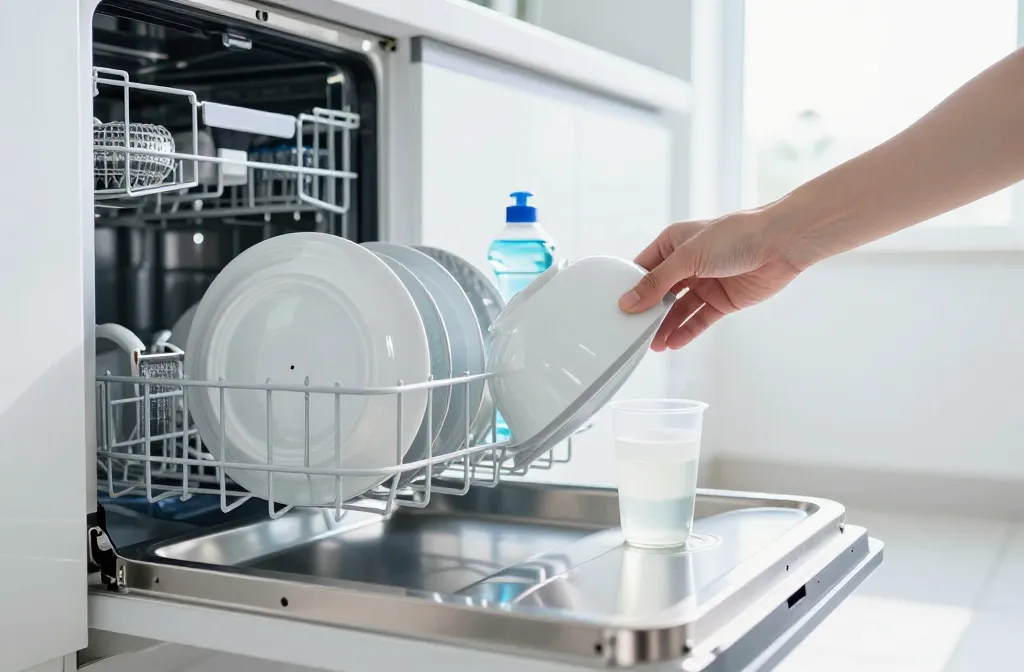

Cleaning a dishwasher isn’t glamorous, but it’s pure magic for your dishes and your sanity. A whiff-free load path starts with a sparkling machine. Let’s get right to it and make your dishwasher sing again.
Why your dishwasher smells and what you can do about it
Ever open the door and catch a whiff of something less-than-fresh? Yeah, that’s usually a signal that food debris, grease, or mold found a cozy corner somewhere. The good news: it’s mostlypreventable with a quick routine and a few easy tweaks. The dishwasher isn’t a black box—the cleaner you keep it, the happier it runs.
Step 1: Clear out the big culprits
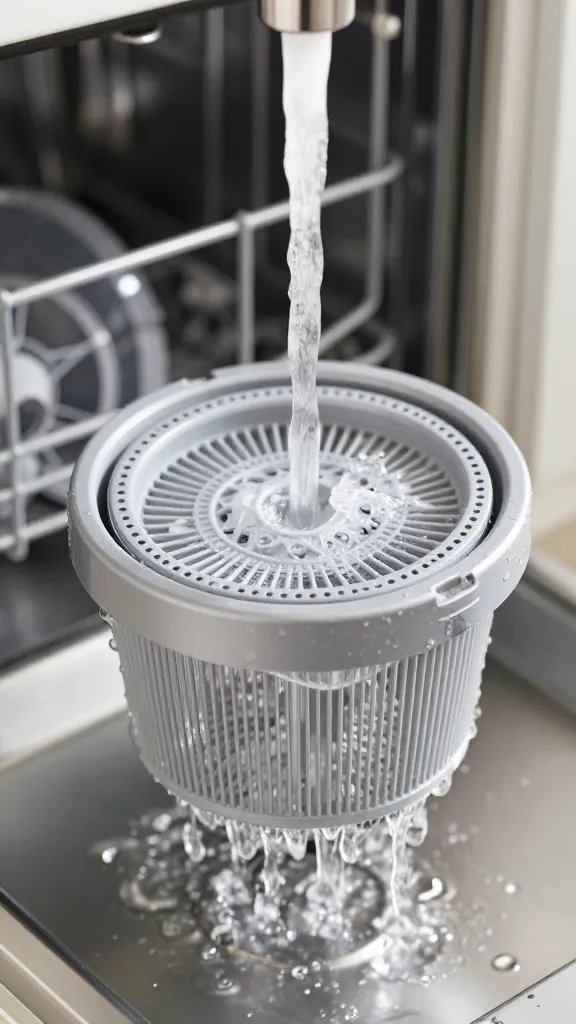
– Remove debris from the drains and filters
– Check the spray arms for clogs
– Look for any stuck-on gunk on racks
Deep dive: where the gunk hides
Gunk loves corners most: the filter, the sump, and the area around the spray arms. If you can’t see it clearly, you’re probably not cleaning it well enough. Remove the filters, rinse under warm water, and scrub with a soft brush. FYI, a little vinegar can help loosen mineral deposits, but don’t overdo it—your seals will thank you.
Step 2: Basic clean that actually sticks
– Run a hot empty cycle with a dishwasher cleaner or a cup of white vinegar
– Wipe seals and door edges with a damp cloth
– Don’t forget the gasket—the rubber around the door deserves love too
How to do a proper empty-cycle clean
Turn the heat up high and run the machine empty with a commercial dishwasher cleaner or a cup of white vinegar placed on the top rack. Don’t mix both cleaners in the same cycle; that’s a chemical party nobody asked for. If you’re veggie-obsessed, a quick lemon juice wipe on the gasket adds fresh brightness without harshness.
Step 3: Rinse aid and water temperature matters
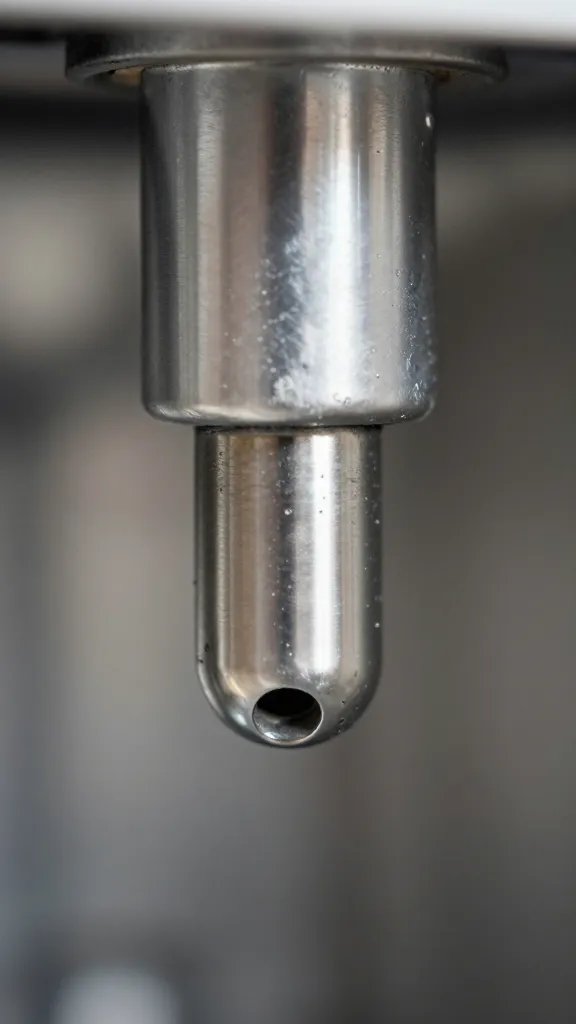
– Use a rinse aid as directed to reduce spots and improve drying
– Ensure your water heater is set to a safe, hot level
– Check for hard water buildup and treat accordingly
When and why to adjust rinse aid
Rinse aid helps water sheet off your dishes, which means less leftover soap and fewer smells lingering in the machine. If you notice cloudy glassware or spots, you’re probably not using enough rinse aid. If your dishes feel slippery or you get a film, you might be using too much—dial it down a notch.
Step 4: Smell-proof strategies you can actually stick to
– Run a short hot cycle weekly, even if you didn’t fill it
– Do a quick post-load wipe-down on the door and gasket
– Leave the door slightly ajar after cycles for air circulation (not wide open—just a tad)
Optional: DIY deodorizer ideas
A slice of lemon in the detergent cup once a month can freshen things up—just don’t clog the cavity. Or sprinkle a tiny pinch of baking soda on the bottom of the tub before a cycle for a neutralizing boost. FYI, avoid spraying alcohol-based cleaners inside the dishwasher—flame retardants and all that jazz.
Step 5: Make maintenance a habit, not a chore
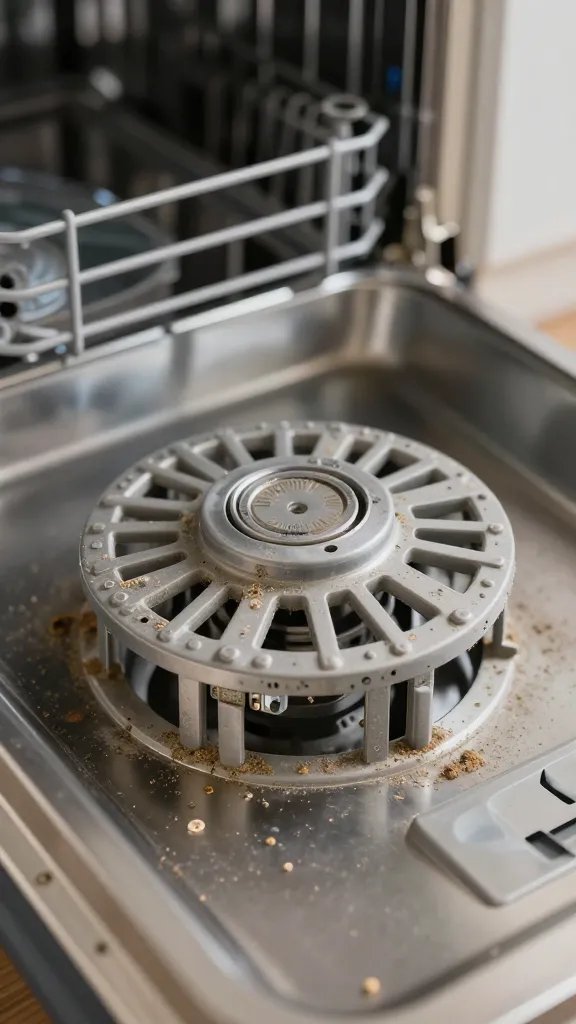
– Schedule a monthly deep clean
– Inspect seals for cracks and replace if needed
– Keep an eye on the filter and clean it every 1–2 weeks during heavy use
– Use shorter cycles for light loads to reduce buildup
A simple maintenance checklist
1) Empty, inspect, and rinse filters
2) Wipe gasket and door seals
3) Run hot cycle with cleaner or vinegar (empty)
4) Check spray arms for blockages
5) Clean the door edges and exterior
Common issues and quick fixes
– Dishes not drying? You might need more rinse aid or a longer dry cycle. Also, clean the vent or fan if your model has one.
– White film on glassware? Hard water buildup or excess soap. Try a dishwasher cleaner and reduce the detergent slightly for a cycle or two.
– Smell persists after cleaning? It might be a clogged drain or a failing seal. If the smell lingers, you might want to call in a pro.
FAQ
How often should I deep clean my dishwasher?
Deep clean once a month is a sweet spot for most homes, especially if you run it daily. If you’re in a hard-water area or you notice smells sooner, lean into it and do it biweekly for a bit.
Is it bad to run an empty cycle with vinegar or cleaner?
Not in moderation. Run an empty cycle with vinegar or a dishwasher cleaner to flush out buildup, but don’t mix products and don’t overdo it. Too much acidity can wear out seals over time.
Can I use regular detergent in a dishwasher cleaner cycle?
Nope. The goal of an empty clean is to reset the machine, not to soap-lather the insides. Use a dedicated cleaner or a cup of plain white vinegar, as recommended.
What if my dishwasher still smells after all this?
If the odor lingers, there might be a deeper issue like a clogged drain, a damaged gasket, or mold in hard-to-reach areas. Consider a professional inspection if basic cleaning doesn’t fix it.
Are detergent pods better or worse for odor control?
Pods are convenient, but they can leave soap residue in hard-to-reach spots if not dissolved properly. Regular powder or liquid detergent used as directed on your manual can be a safer bet for consistent cleaning. IMO, cleaner machines, happier meals.
Conclusion
Keeping your dishwasher fresh is less about chasing miracles and more about small, regular habits. Clear the debris, give it a hot reset, fine-tune the rinse aid, and keep the door dry and airy. Do that, and you’ll notice cleaner dishes, less residual smell, and a machine that’s actually proud to work for you.
If you’ve got a quirky odor or a stubborn clog, tell me what you’re dealing with and the model you own. I’ll tailor a plan that fits your setup and your sanity. Remember: a clean dishwasher makes happier dinners, and happier dinners mean never arguing with the silverware again.