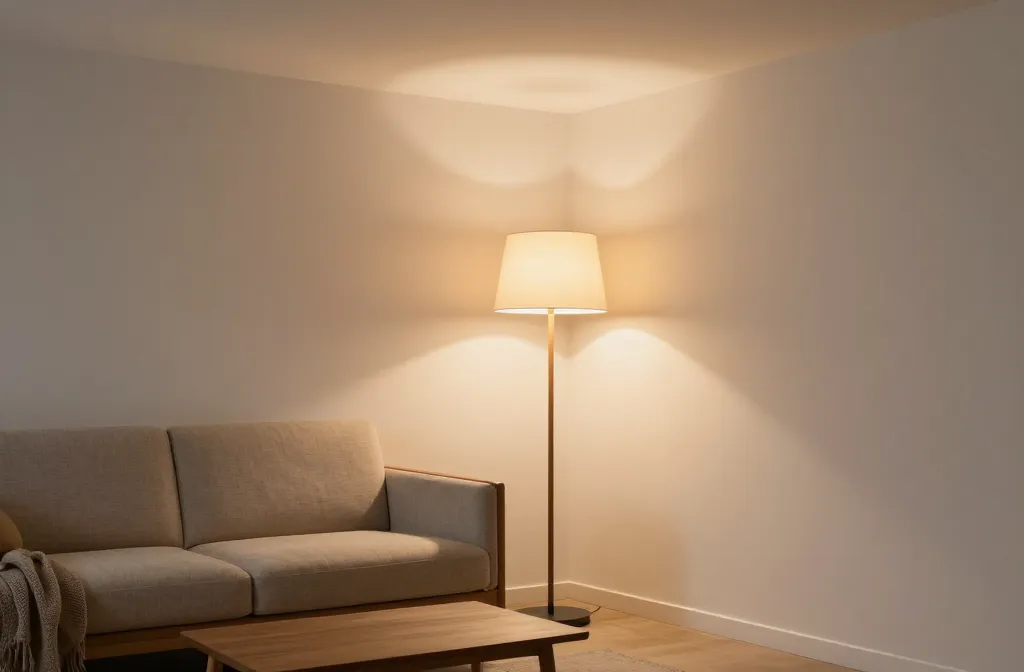

The moment you walk into a small living room and see a sea of furniture, you might think floor lamps are a useless luxury. Nope. They’re tiny glow-up machines that can transform corners, ceilings, and mood without crowding your space. Let’s talk about decorating with floor lamps in compact rooms like a pro, with a sense of humor and zero fluff.
Smart placement: lighting that makes rooms feel bigger
Floor lamps aren’t just about extra light—they’re architectural cues. They can create zones, guide traffic, and add height to a low-ceiling setup. Want to avoid bumping shins and squinting at wall art? Start with the corners.
– Place lamps behind seating to open up the middle of the room.
– Use a tall lamp to visually stretch a short wall.
– Aim for ambient glow first, task lighting second.
Tip: If your ceiling feels squat, pick lamps with slim profiles and arched or upward-facing shades. They bounce light high, not out in your face.
Pick the right scale: match lamp size to your space
In a small room, size rules everything. A lamp that’s too chunky will feel like an afterthought or an obstacle, while a too-tiny lamp vanishes.
– Go with floor lamps that are 60–74 inches tall for standard ceilings.
– Choose shades that are proportional to your sofa or chair height.
– If you have low furniture, consider a mid-century slim silhouette that doesn’t crowd.
FYI, a lamp with a slender base and a larger shade can give you big impact without swallowing space.
Lighting layers: soft, bright, and everything in between
One lamp usually won’t cover all your needs. Layering light is your secret weapon in a small room.
– Ambient: A tall floor lamp with a warm glow fills the room evenly.
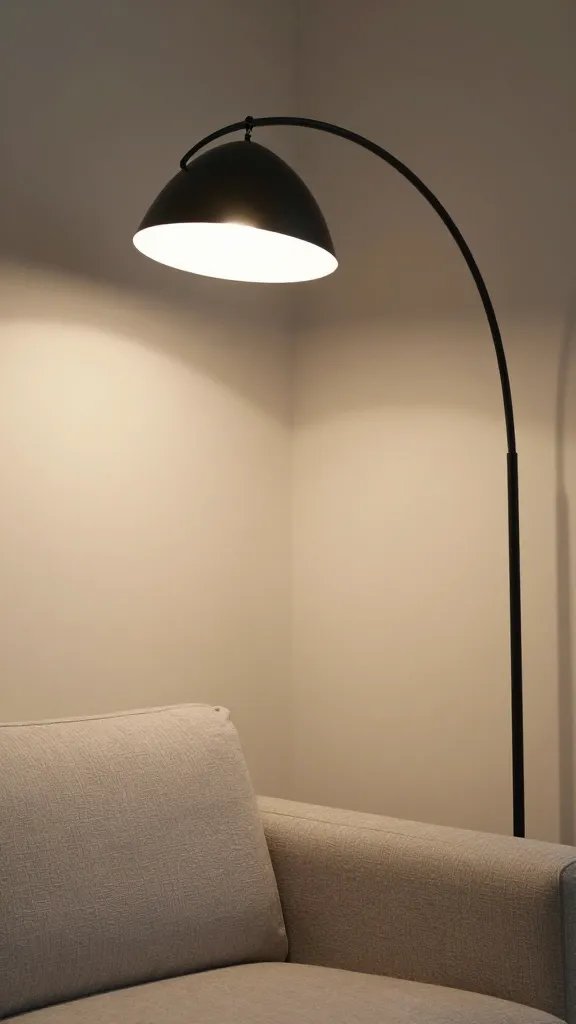
– Task: A swing-arm or arc floor lamp over a reading chair concentrates light where you need it.
– Accent: A lamp near a plant or artwork highlights details without adding clutter.
Subsection: Arc lamps for drama and function
Arc floor lamps stretch over a seating area, letting you read or work without extra furniture jutting into the space. They take up floor space at the base, but the arc creates a halo of light above your belly-up posture. If your floor plan is tight, this is your multitasker.
– Choose a soft, diffused shade to avoid glare.
– Consider a dimmer switch for adjustable vibes.
Color, texture, and material: what blends in versus what stands out
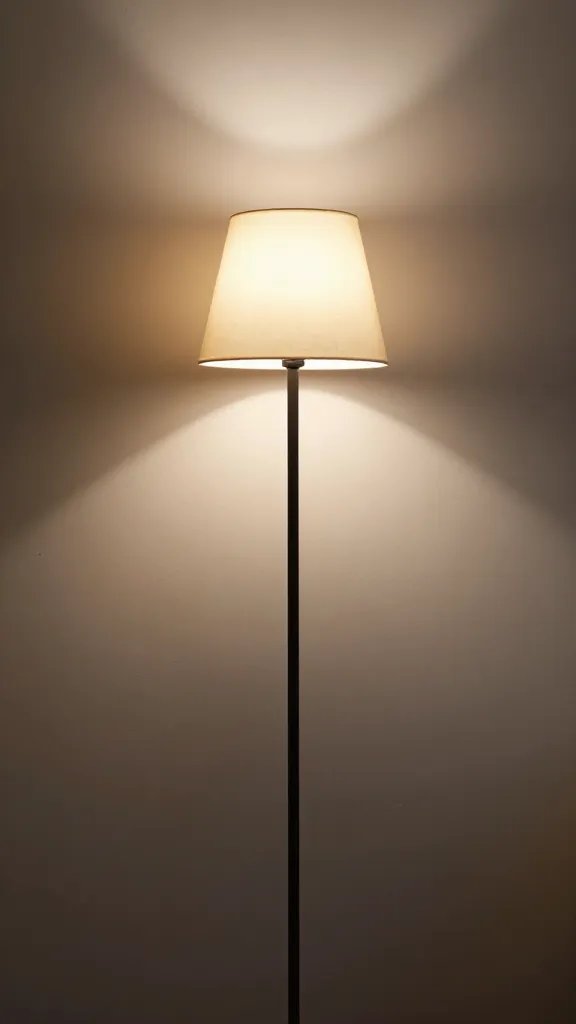
Your floor lamp should feel like part of the room but also bring a sparkle of personality. Neutrals blend in; statement lamps pop.
– Materials: warm woods, brass, matte black, or brushed nickel—pick one metal to echo hardware or furniture.
– Shades: linen reads casual; silk reads luxe; rattan brings a sunny, coastal vibe.
– Finish: combine with furniture accents to maintain cohesion without monotony.
Pro move: If your furniture is all light wood, a lamp with a dark base can anchor the room and prevent it from feeling floaty.
Flexibility and function: movable, adjustable, and multipurpose
Small spaces crave adaptability. You want lamps that move with you, not fight for floor real estate.
– Choose adjustable-height lamps that switch from reading nook to ambient glow with a twist.
– Look for lamps with plug-in cords of reasonable length to avoid strangling clutter.
– Consider wireless or battery-powered options for truly flexible layouts.
Subsection: fold-and-stack or wall-friendly options
If you’re allergic to cables snaking across the floor, explore floor lamps with discreet cords or those designed to tuck behind furniture. Some models even come with integrated outlets or USB ports—hello, convenience.
Decorating with lamps in quirky spaces: nooks, corners, and hidden spots
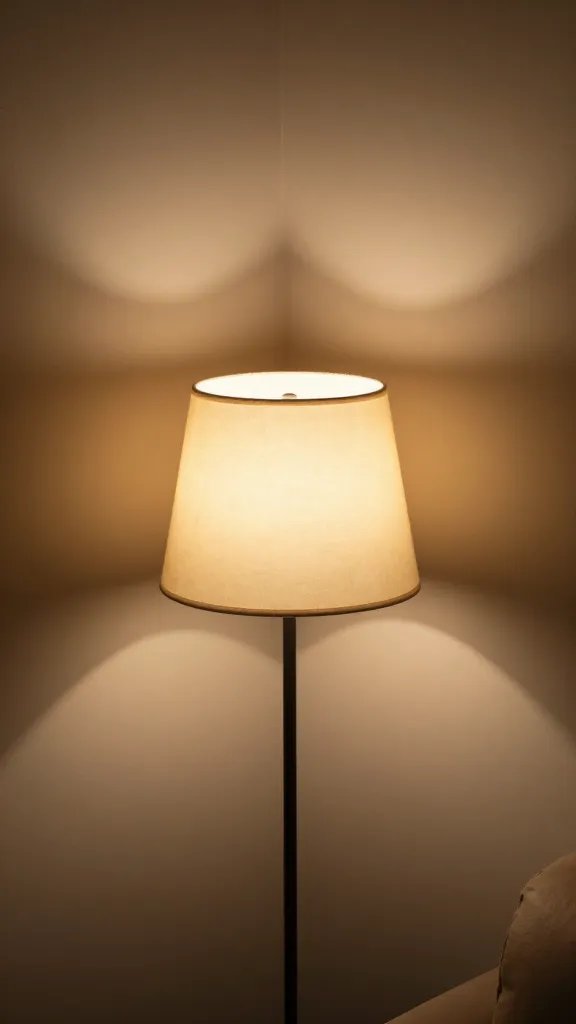
Corners aren’t dead space; they’re stage set for lighting drama.
– Recessed corners: a slender floor lamp tucked beside a chair adds a reading nook vibe without crowding.
– Stair nooks: place a lamp at the landing to soften the ascent and guide the eye.
– Behind curtains or plants: a lamp can create glow without stealing square footage.
Fun idea: Try a textured lamp in a hidden corner to surprise visitors when they notice it up close.
Maintenance and longevity: keep the glow going
A beautiful lamp deserves proper care to stay luminous and safe.
– Dust weekly with a microfiber cloth; lamp shades collect more grime than you think.
– Check the bulb type and wattage to avoid overheating shades and furniture.
– Rotate lamps every few months to prevent uneven wear on fabrics and cords.
Safety note: Use UL-listed lamps, avoid placing lamps near drapery or kids’ play zones, and don’t overload outlets.
FAQ
How do I decide between a floor lamp and a table lamp in a small living room?
If you need height, ambience, and space delegation, go floor lamp. It creates visual drama without using a surface that could crowd a coffee table. Table lamps are great for tasks and corners where you want a focused beam. IMO, use both but let the floor lamp anchor the room’s glow.
What’s the best color temperature for a small living room?
Aim for a warm to neutral white, roughly 2700–3000K. It feels cozy and roomy at the same time. If you want a brighter daytime vibe, 3500K is a nice compromise for balance between warm and crisp.
How can I maximize light without clutter?
Choose multi-function lamps (dedicated reading lamps with dimmers, built-in USB ports), keep cords tucked, and use reflective surfaces or light-colored walls to bounce light. FYI, a satin or glossy finish on a nearby wall can bounce light around like a tiny solar system.
Are LED floor lamps worth it for small spaces?
Absolutely. LEDs stay cooler, use less energy, and last longer. They also come in compact, dimmable, and color-changing options if you want a playful mood shift without swapping bulbs.
How many floor lamps should I use in a tiny living room?
Start with one, but keep a plan for a second if you need more balance or you’re aiming for a layered look. The goal is even light distribution without creating a maze of legs and cables.
Conclusion
Small rooms don’t have to surrender to darkness. With the right floor lamps, you get style, depth, and practicality in one neat package. Choose pieces that scale with your space, layer light for different tasks, and use corners as launch pads for glow. FYI, a well-placed lamp feels like magic—without requiring a wand or a hefty remodel. Ready to give your small living room a glow-up? Let’s lamp it up.