The 10-Minute Evening Tidy-Up Routine for a Calmer Home
Posted in :

A 10-minute evening tidy-up won’t transform your home overnight, but it will make tomorrow easier. Think of it as resetting the surfaces you use most so you start the next day without visual clutter and small annoyances.
Here’s a straightforward routine you can actually keep up with, plus simple storage tweaks that cost little and make a big difference.
Set Your Timer and Pick Your Zones
Limit yourself to 10 minutes and stick to the same small set of zones each night. Consistency matters more than intensity. Choose the spots that collect the most clutter and affect your morning mood.
- Kitchen counters and sink
- Entryway or drop zone
- Living room surfaces and sofa
- Bathroom sink area
- One “floater” spot that changes nightly (desk, dining table, or kids’ corner)
Keep a small caddy ready: a microfiber cloth, all-purpose spray, a handled basket or tote for “out-of-place” items, and a pair of dish gloves. A basic caddy setup can cost $10–$20 total: $1–$3 cloths, $3–$6 spray, $5–$10 basket (thrifted or dollar store options work well).
The 10-Minute Routine (Step-by-Step)
For more ideas, see our guide on how to weekly home reset routine.
- Do the dishes triage (2 minutes): Scrape plates, load the dishwasher, and start it if it’s full. No dishwasher? Fill the sink with hot soapy water, submerge utensils and cups to soak while you do the rest. Stack larger items neatly to wash tomorrow if needed.
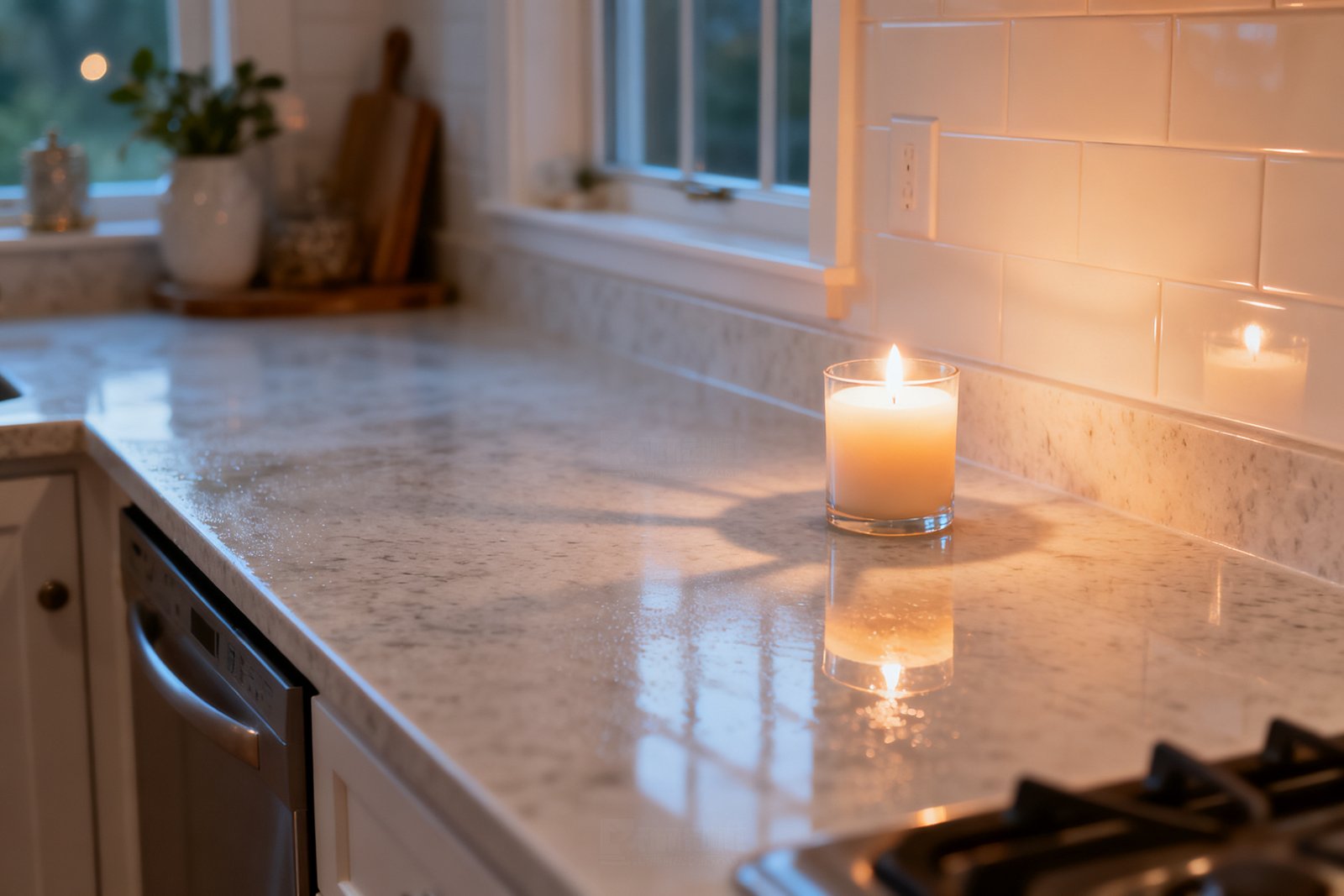
- Clear kitchen counters (2 minutes): Put food away, toss obvious trash, return spices/oils to one tray or bin. Quick wipe of the main prep area and stove front.
- Reset the entryway (1 minute): Hang coats, corral shoes into a bin or mat, empty pockets and mail into a single in-tray.
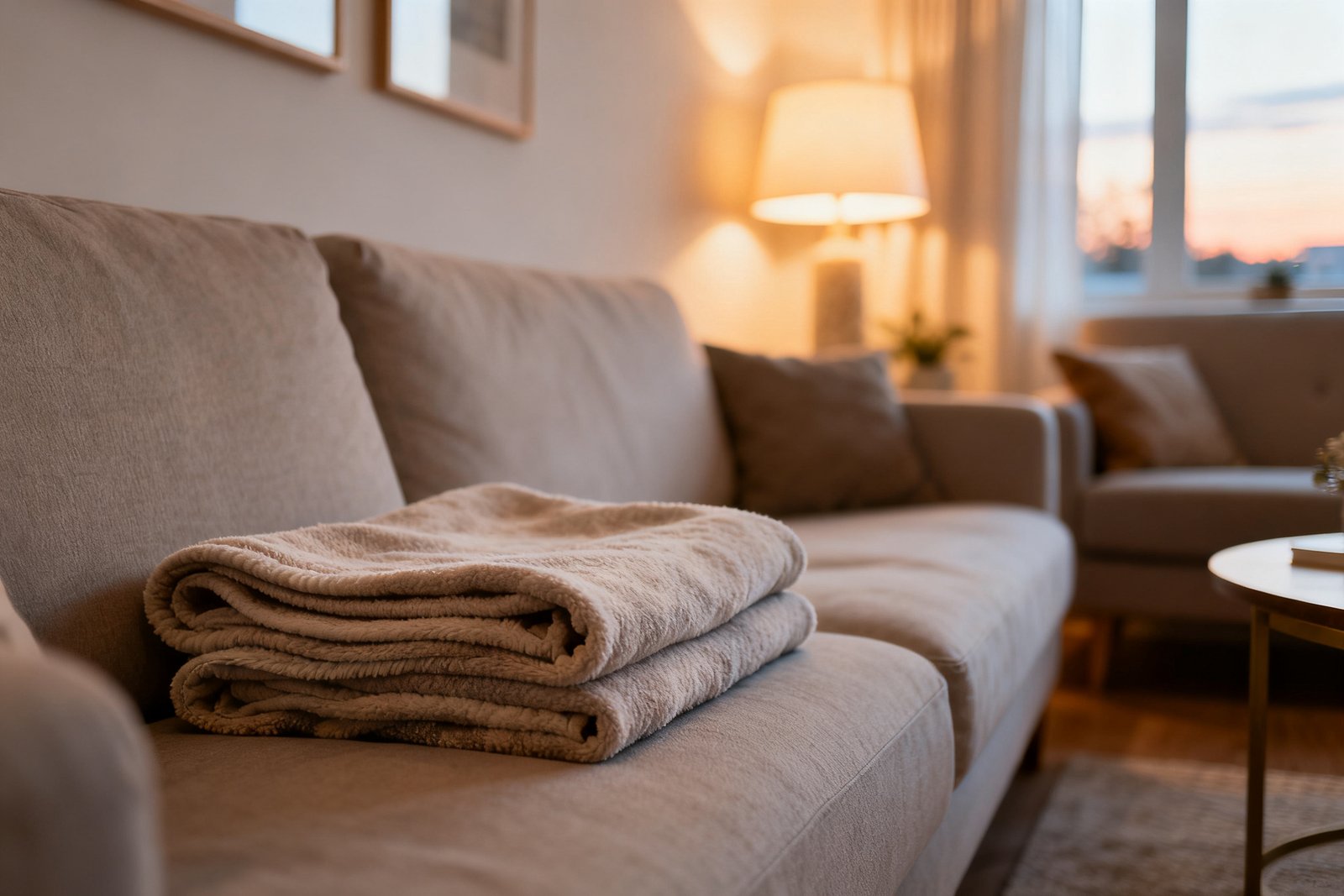
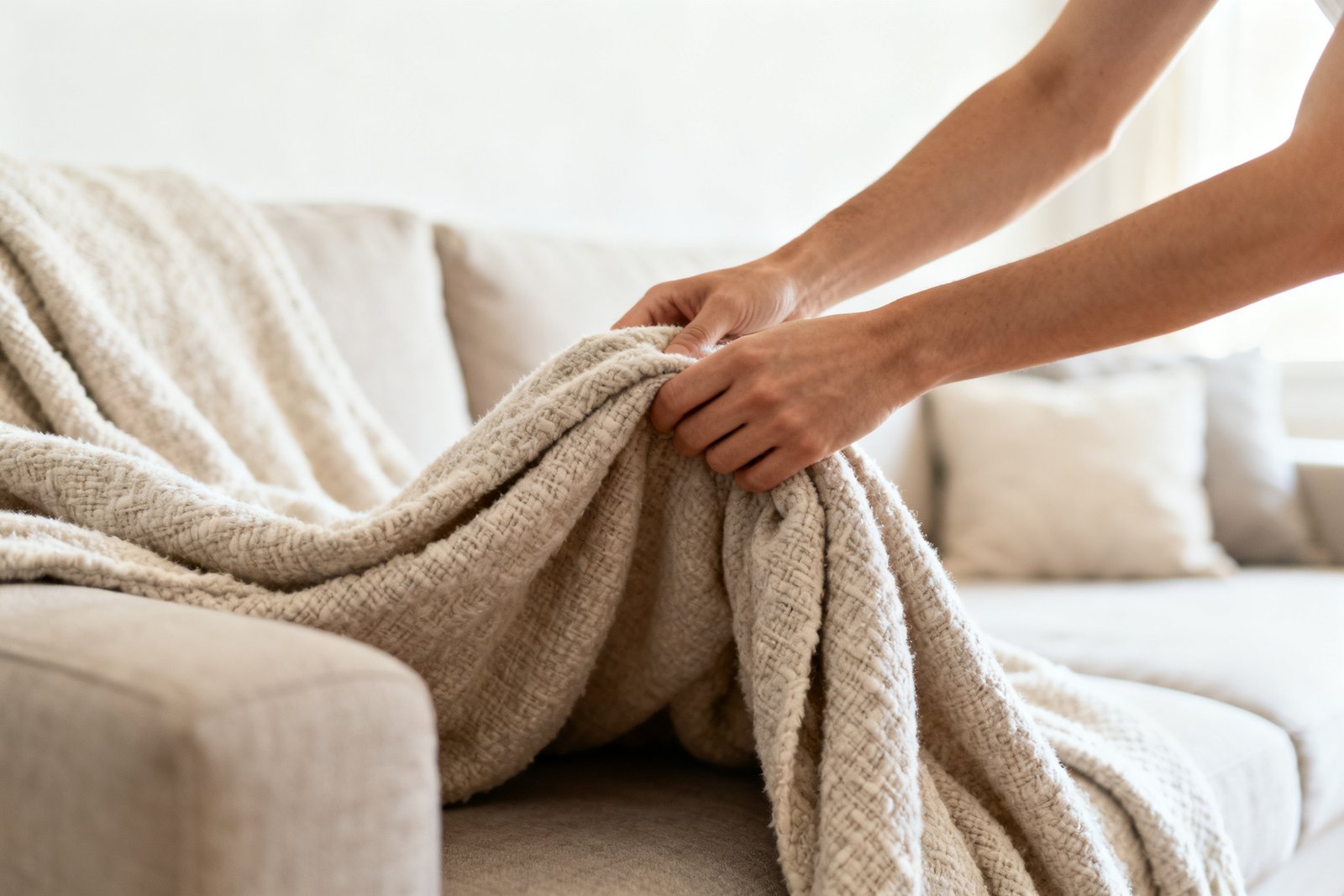
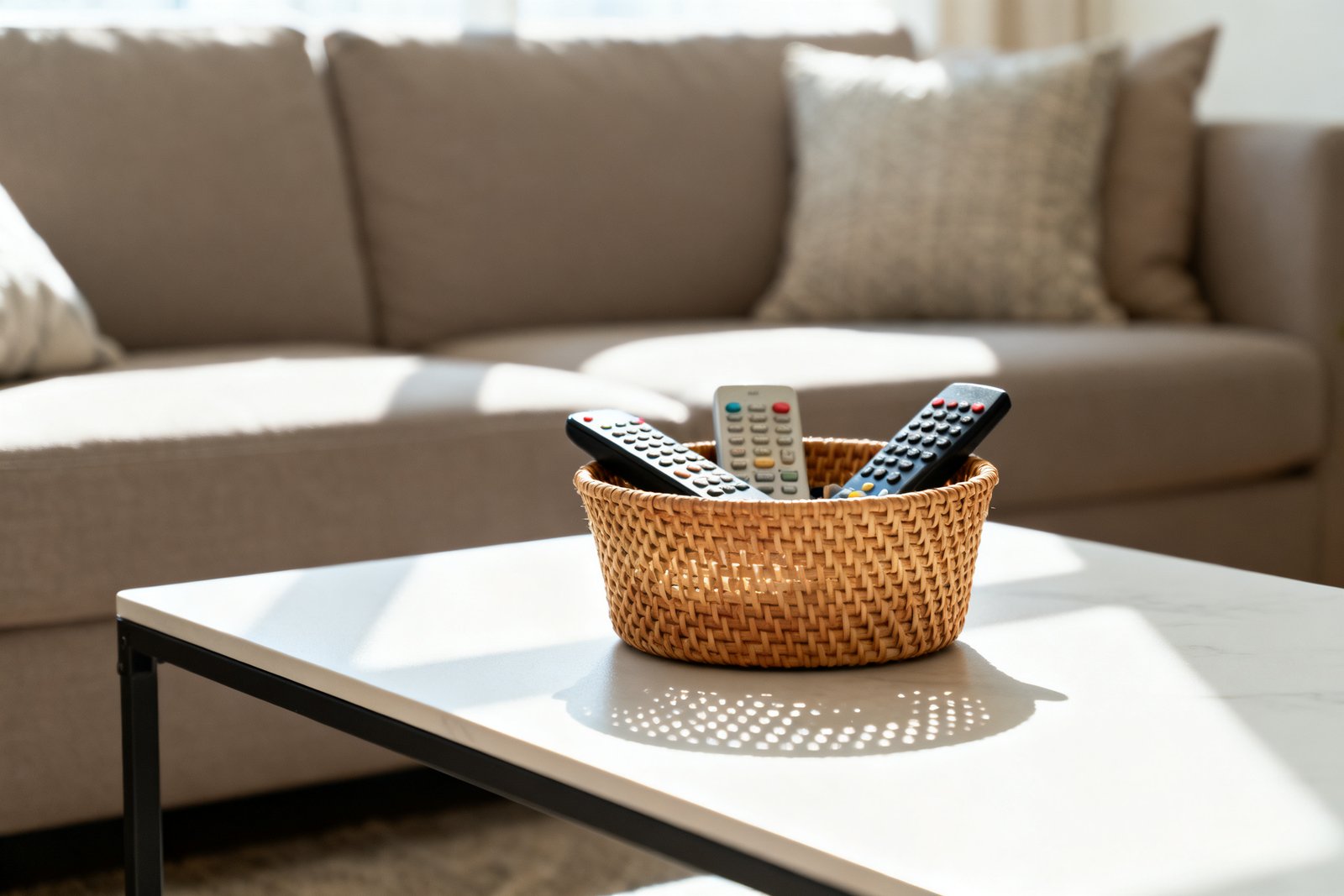
- Living room surfaces and sofa (2 minutes): Toss trash, stack remotes and controllers in a container, fold throw blankets, fluff cushions. Sweep or quick vacuum just the visible crumbs if you have 30 spare seconds.
- Bathroom sink swipe (1 minute): Put out a fresh hand towel if needed, wipe faucet and counter, close product lids, and empty the small bin if it’s full.
- Floater spot (1 minute): Choose one surface that bugs you most tonight (desk or dining table) and clear the top, stacking papers in a single tray.
- Return-bin pass (1 minute): Walk the handled basket around and re-home items in their rooms. If time’s up, leave the basket by the bedroom door to finish tomorrow.
Tip: Play one short song or set a 10-minute timer. When it ends, you stop. The point is momentum, not perfection.
Quick Storage Fixes That Make Tidying Faster
If you like the idea of small daily habits, you'll love our free 5-Day Budget Home Reset—a simple plan to refresh your space in a week.
Contain, Don’t Display
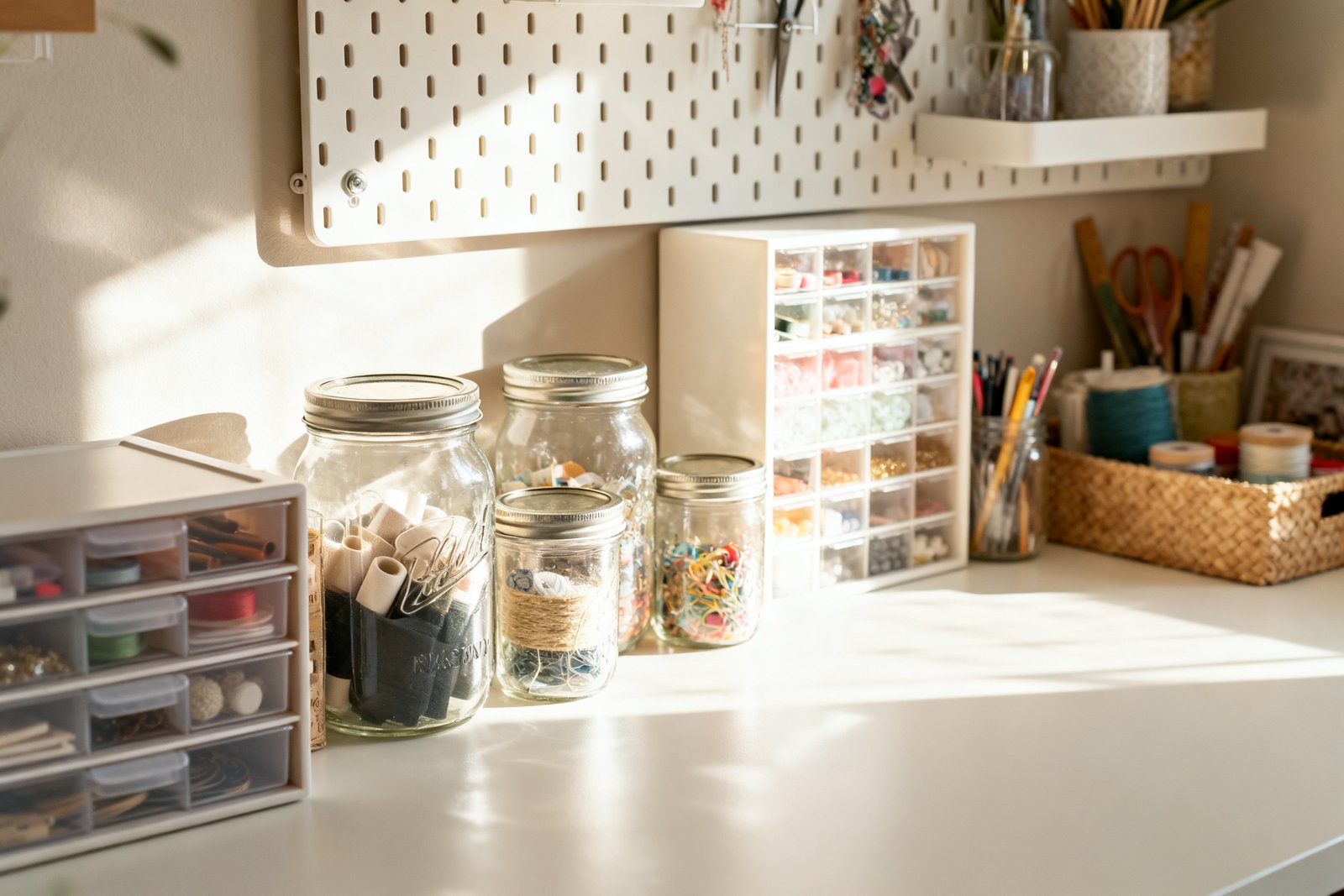
Open surfaces collect random items unless you give them a container. Trays and bins tell your brain, “this is where it goes.” You don’t need fancy organizers.
- Entry tray or shallow basket for keys and wallet ($3–$10)
- Shoe bin or boot tray ($8–$20; thrift a plastic tote for less)
- Remote/charging caddy ($5–$15; repurpose a small bread pan or tin)
- Mail in-tray or vertical file ($4–$12; even a magazine holder works)
Create a Mini Cleaning Stash Where You Need It
Place a microfiber cloth and small spray in the kitchen and bathroom. When supplies live in the room, wiping takes seconds.
Budget tip: Mix your own simple cleaner in a reusable spray bottle ($2–$4 bottle, plus $1–$3 ingredients). A basic mix for non-stone counters: water + a drop of dish soap. Avoid vinegar on natural stone like granite or marble.
Label the Obvious
Low-tech labels reduce decision-making for everyone in the home. Use painter’s tape and a marker ($2–$5) on bins: “Returns,” “Mail To Sort,” “Chargers,” “Hats & Gloves.” Labels keep the 10-minute sweep from turning into a guessing game.
Build Habits Around Your Real Life
It also helps to check out keep your home calm and organized.
Attach It to Something You Already Do
Pair the tidy-up with a nightly ritual: after dinner, when the kettle boils, or right after the kids’ bedtime. Habit stacking works because it removes the “when should I start?” question.
Use Visual Cues
Keep the return-bin by the living room door. Park the dish gloves on top of the sink. Place the all-purpose spray on the counter corner. When tools are visible, you’re more likely to use them.
Share the Load Without Drama
Assign tiny roles that can be done in two minutes: one person runs the dishwasher, another resets the sofa, a child empties the entry bin into labeled spots. Use a short checklist on the fridge so everyone knows what “done” looks like.
A Realistic Example: The Apartment Reset
Mia comes home to a small apartment: dishes in the sink, sneakers by the door, couch scattered with toys. She sets a 10-minute timer.
Minutes 0–2: She loads bowls and utensils, fills the sink with soapy water, and lets the big pan soak. She wipes a 2-foot square of counter and returns oil and salt to a $5 thrifted tray.
Minutes 2–3: At the door, she tosses mail into a $6 magazine holder marked “Mail,” tucks shoes into a $10 canvas bin, and hangs two jackets.
Minutes 3–5: In the living room, she drops toys into a $4 lidded bin, folds the throw, and puts remotes into an old tin. Quick 20-second crumb sweep with a handheld vac.
Minutes 5–6: Bathroom swipe—cloth, faucet, counter, done.
Minutes 6–7: Floater spot is the dining table. She stacks school papers into one folder labeled “To Sign.”
Minutes 7–9: Return-bin lap: water bottle to bedroom, charger to “Tech” bin, book to shelf.
Minute 9–10: She pulls the plug on the soak, stands the pan to drain, and starts the dishwasher. Timer goes off. The space isn’t magazine-perfect, but tomorrow morning she’ll see clear counters, a reset sofa, and an entry that works.
Speed Tricks That Cost Little (and Work)
- Keep one “Useful Rag” jar under the sink—cut up old T-shirts for free cloths.
- Use a narrow tray by the stove to corral salt, pepper, and oil; wiping one tray beats scrubbing splatters across the counter.
- Place a small wastebasket in the living room ($5–$12). Trash goes there instead of traveling.
- Have a designated “Out” tote by the door for library books/returns ($3–$10). Grab it on your way out.
- Limit open hooks or pegs to the number of daily coats/bags you actually use. Excess hooks invite clutter.
Mistakes to Avoid
- Trying to clean everything. This is a reset, not deep cleaning. Stop at 10 minutes.
- Storing supplies far from where you use them. If you have to fetch them, you’ll skip steps.
- Over-organizing with too many categories. Start broad: “Mail,” “Tech,” “Toys,” “Laundry.”
- Using pretty baskets with no labels. If no one knows what lives there, it becomes a black hole.
- Letting the soak become a science project. Drain or wash the soaking pan within 24 hours.
FAQs
What if I have more than 10 minutes some nights?
Great—still finish the 10-minute reset first. If you have extra time, do one small bonus: wash the soaking pan, vacuum high-crumb zones, or sort the top inch of the mail tray. Keeping the core routine consistent prevents overwhelm.
How do I handle kids’ clutter in 10 minutes?
Use one open bin per common area labeled “Toys.” At night, everything kid-related goes in. Do a weekly sort with the child for five minutes to re-home toys to their rooms. Low, wide bins ($5–$15) make fast cleanup easier than shelves with lids.
My partner doesn’t notice the mess. How do I get help?
Agree on a short, specific checklist and a set time. Assign micro-jobs with clear end points: “You reset the sofa and start the dishwasher.” Keep the routine under 10 minutes to reduce resistance. Visual checklists on the fridge help.
What if my counters are covered with appliances and I have no space?
Designate one “prep square”—roughly a placemat-sized area—and keep it clear nightly. Move rarely used appliances to a shelf or cabinet, even temporarily. If storage is tight, add a $15–$30 wall shelf or a $20 rolling cart for overflow; both open up counter space quickly.
Sample 10-Minute Checklist (Print or Save)
- Dishes triage: load or soak
- Clear and wipe main counter area
- Entry reset: shoes, keys, mail to tray
- Living room: trash, remotes, fold throws
- Bathroom sink swipe
- Floater surface cleared
- Return-bin lap
Budget-Friendly Gear That Pulls Its Weight
You don’t need a cartful of products—just a few that speed you up and survive daily use.
- Handled basket or tote ($5–$12): for the return-bin lap.
- Microfiber cloths ($1–$3 each, multipacks cheaper): one in each key room.
- All-purpose spray ($3–$6 or DIY): choose one safe for your counters.
- Tray or shallow basket ($3–$10): for stove oils/spices and entry keys.
- Open bins ($5–$15): “Toys,” “Tech,” “Mail,” “Shoes.” Label with tape.
- Small wastebasket ($5–$12): living room or entry to catch daily trash.
Troubleshooting Common Roadblocks
I always run out of time in the kitchen.
Do triage only: get food put away, soak what’s crusty, wipe the main prep zone. Leave the rest. Consider a $10 dish rack to air-dry what you handwash; stack neatly and stop.
The mail piles never end.
Use a vertical in-tray and limit it by height. When it hits the top, do a 5-minute sort. Keep a small recycle bin near the entry so junk mail is tossed immediately.
I forget to start the dishwasher and wake up to a mess.
Set a recurring phone reminder for your usual tidy-up time. If energy is low late at night, run it right after dinner during the routine. Keep detergent pods within reach to remove friction.
If you want to keep going, take a look at decluttering tips for a peaceful home.
Final Thoughts
A calmer home tomorrow starts with a small reset tonight. Keep the routine short, repeatable, and focused on the few zones you touch most. With a couple of labeled bins and a timer, 10 minutes is enough to turn chaos into a workable starting point for the day ahead.