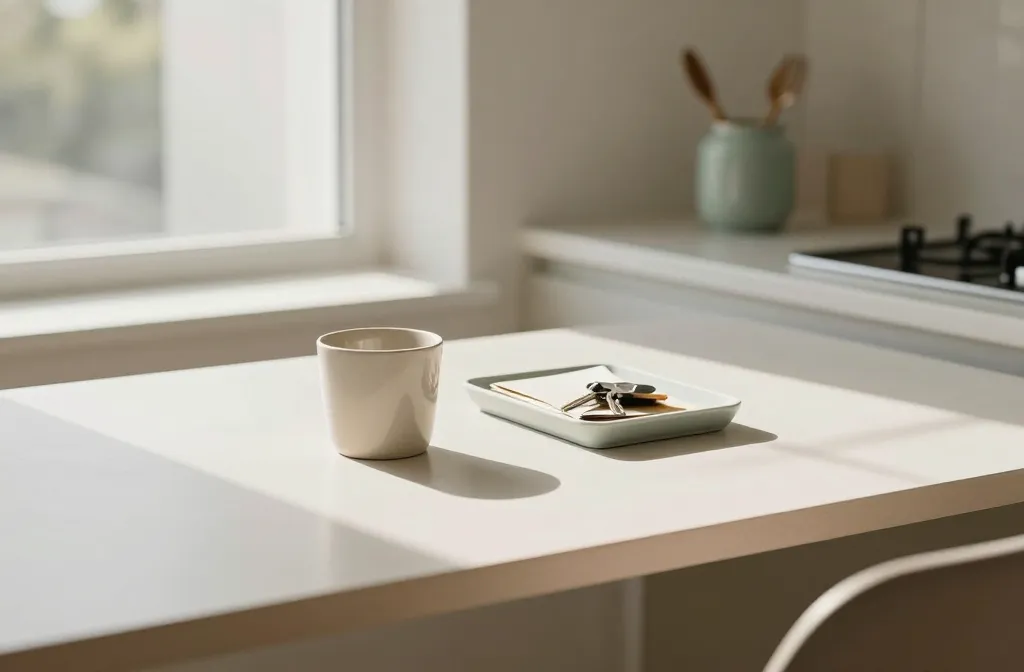

There’s nothing magical about a clean space—just a few smart moves and a little momentum. You’ll sleep better, think clearer, and stop tripping over that mysterious pile of “worth saving” stuff. Let’s make peace with our surroundings, one decluttering tip at a time.
1. Start with the 5-Minute Rule: Tiny Wins, Big Calm
Decluttering doesn’t have to be a marathon. It can be a quick sprint that leaves you energized. Set a timer for five minutes and pick a single area to tackle—your desk, a bedside table, or the junk drawer you pretend doesn’t exist.
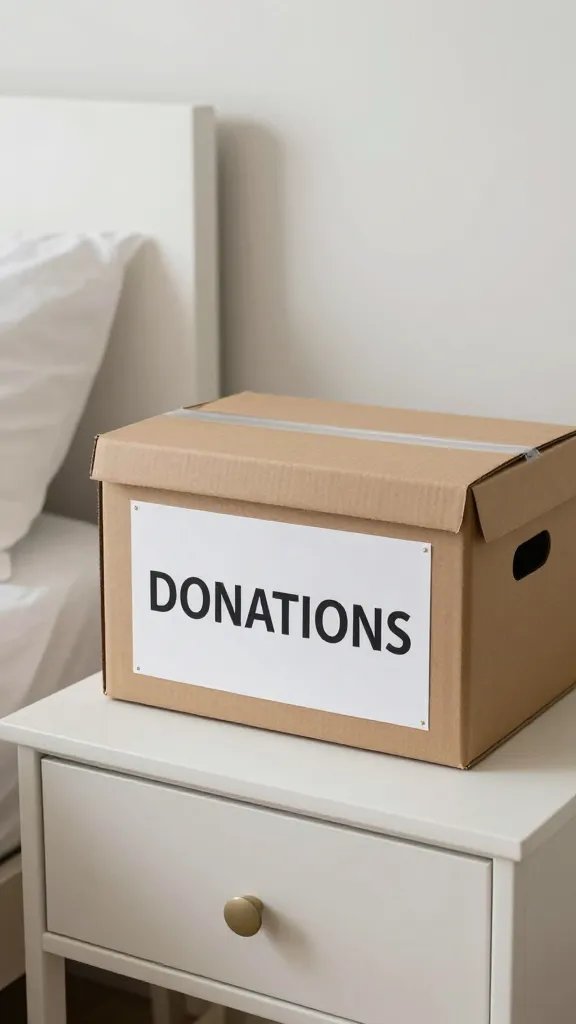
– Grab a trash bag or a box for donations.
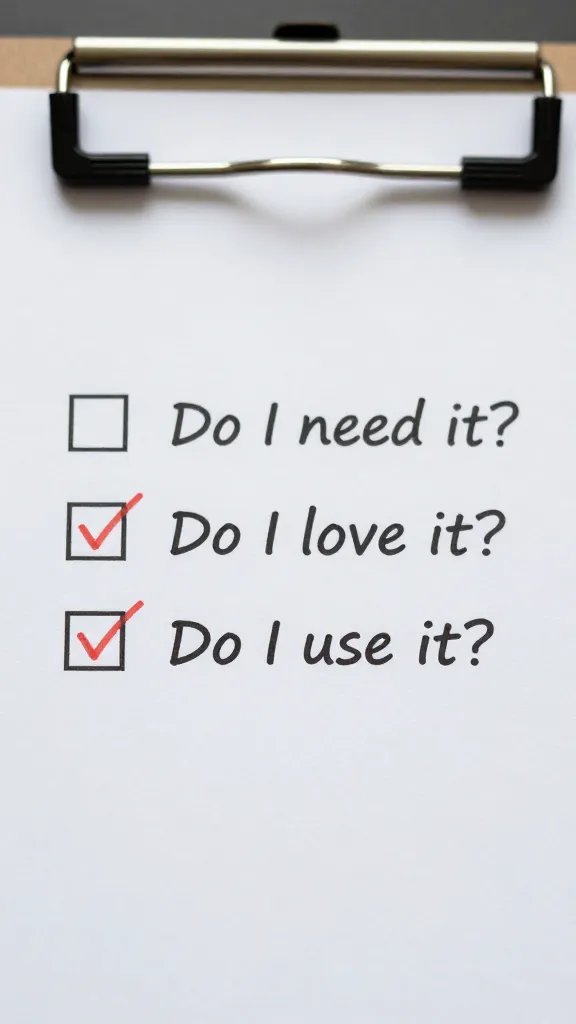
– Decide on three questions as you sort: Do I need it? Do I love it? Do I use it?
– When the timer goes off, stop. You’ll feel accomplished without burning out.
If you want a bigger payoff, repeat the drill daily for a week. You’ll stack wins and start noticing the ripple effect in other rooms. FYI, momentum is contagious.
2. Define Zones, Not Rooms
A peaceful home isn’t about perfectly neat everything everywhere; it’s about zones that serve you. Create tailored micro-systems for the spaces that get overwhelmed most.
– Entryway zone: keys, bags, mail. A small tray prevents chaos from sneaking inside.
– Kitchen counter zone: a single utensil jar, a dish rack, and a weekly cleaning ritual.
– Work zone: a clear surface, a charging station, a notebook, and a single pen.
Pro tip: label containers or use consistent storage bins. When items have a home, they stop wandering and multiplying. It’s like magic, but with science and fewer rabbits.
3. The One-In, One-Out Rule (With a Twist)
The classic one-in, one-out helps control clutter, but you can tailor it to your life. If you love books, try “one in, two out” or “one in, one effort out” (e.g., fixing or donating instead of hoarding).
– For clothing: if you buy one item, donate or repair two.
– For gadgets: replace only after you’ve used the old one for a month.
– For decor: keep a rotating set—swap pieces seasonally to keep things fresh.
This rule isn’t punishment; it’s a gentle reminder that every new thing deserves a space to live. Plus, it keeps your shelves from sneaking up on you while you sleep.
4. Digital Decluttering: Free Your Headspace
Physical clutter is loud, but digital clutter screams in your inbox and photo storage. Time to reclaim brain space and speed.
- Inbox purge: unsubscribe from newsletters you never read and set a single daily check-in time.
- Photos: delete blurry pics and duplicates, and back up the rest to a simple album structure.
- Files: create a quick naming convention and folders like “Work,” “Personal,” and “Receipts.”
Ask yourself: Do you actually need that email or screenshot from two years ago? If not, hit delete. IMO, your future self will thank you when search results stop behaving like a scavenger hunt.
5. The Drawer System That Actually Works
Drawers are famous for becoming black holes. Let’s build a system that makes sense to you.
- Empty the drawer entirely.
- Wipe the base and sort items into categories: tools, cords, documents, or miscellaneous.
- Label every tray or divider. If you can’t label, you won’t put things away consistently.
- Return items to their designated spots and keep a “junk” tray for field-testing items you’re unsure about.
A little structure goes a long way. You’ll stop shoving things in and start putting things back where they belong.
6. The “Everyday Trash Patrol” Routine
Catching clutter early saves you heartbreak later. Make a tiny daily ritual part of your routine.
– Do a 2-minute sweep before bed to grab wrappers, receipts, and stray items.
– Empty the sink and wipe down surfaces.
– Put away the items you used that day.
If you hate chores, frame it as a 10-second win: you finish before your coffee cools. It’s all about tiny, consistent moves that feel doable.
7. Love Your Space by Curating, Not Competing
Decluttering isn’t about turning your home into a showroom. It’s about curating spaces that reflect you and feel peaceful.
– Pick a handful of favorite pieces for each room. Less is more when the items you kept truly matter.
– Use negative space to breathe. You don’t need filler to demonstrate “lived-in.”
– Introduce texture and color with a few elements you actually love, not an entire palette you found on Pinterest.
If you’re torn between two decor items, ask yourself: will this be used or appreciated on a weekly basis? If the answer is a solid nope, it’s time to part ways.
8. Seasonal Refresh Without the Overwhelm
Seasonal decluttering helps you reset with the calendar, not drown in it.
- Pick one zone to refresh each season (not every room at once).
- Rotate out-of-season clothes and decor. Store extras in labeled bins under the bed or in the attic.
- Set up a simple “seasonal kit” with items you’ll need soon—no hunting for long-lost decorations in December.
FYI, seasonal resets build a habit you’ll actually stick with. You’ll be surprised how much lighter you feel when the house wears less stuff and more purpose.
9. The Mindful Purchases Pact
Peaceful homes require mindful shopping as a partner, not a trigger.
– Before buying, ask: Do I have a home for this? Will I still love it in six months? Does it bring more value than the space it will occupy?
– Try a waiting period for non-urgent purchases. If you still want it after a week, you’ve earned a new home for it—just not the same one you emptied last week.
– Favor quality over quantity. A few well-made items beat a closet full of “meh.”
This isn’t a sermon on restraint; it’s a shortcut to fewer “meh” moments when you reach for something and realize you don’t actually need it.
10. Create a Peaceful Exit Strategy for Clutter
Every pile needs a plan to disappear into the ether (aka donation, recycling, or trash).
– Keep a dedicated bag or box in a closet for items ready to go.
– Schedule biweekly drop-offs or pickup with a local charity.
– Celebrate the wins, big or small. You moved clutter once; you can do it again.
When you know where the clutter goes, letting go becomes a breeze rather than a battlefield.
Deeper Dive: Taming the Mail Monster
If mail piles haunt you, create a simple triage system. Have a “Today” tray for items needing action, a “This Week” bin for items to file or deal with soon, and a “Recycle/Trash” bin for everything else. Set a twice-daily check-in time: that’s when you process and ditch. It’s not glamorous, but it works.
Deeper Dive: The One Drawer That Rules Them All
If you only have one chaos center, declare it the conqueror’s drawer. Empty it, sort into four stacks (keep, donate, repair, recycle), and then reassemble with a single lid for that zone. You’ll feel like a decluttering wizard every time you slide it shut.
FAQ
How long does a typical decluttering session take?
A quick five-minute session can make a surprising dent. Most people benefit from 15–30 minutes a day for a week to build momentum. The key is consistency, not epic marathons.
Is it worth involving others in the process?
Absolutely. Friends or family can provide fresh eyes and moral support. Make it collaborative but define boundaries so you don’t end up battling over a single teacup collection.
What if I’m overwhelmed by sentimental items?
Start with a small, manageable batch. Take photos of items you can’t part with and store them digitally. Then ask: do the physical items still bring joy or utility? If not, keep the memory, release the mess.
Can I declutter without buying extra organizers?
Yes. Start with what you already have: boxes, bins, bowls, and trays. Getting organized is often about the placement rather than fancy new gear. If you truly need a specific organizer, shop with intention, not impulse.
How do I stay motivated after the initial rush wears off?
Schedule regular resets, celebrate small wins, and allow yourself to redesign spaces as your life changes. A peaceful home should adapt with you, not trap you in yesterday’s decisions.
Conclusion
Decluttering isn’t a one-and-done project; it’s a habit that rewards you with a calmer mind and a cozier space. Start small, tune your zones, and let routine do the heavy lifting. You’ll notice cleaner surfaces, fewer trigger items, and a home that actually feels like it belongs to you. IMO, peace isn’t about perfect rooms—it’s about rooms that invite you to breathe and stay a while. Ready to try? Let’s reclaim your space one thoughtful choice at a time.