10 Small Space Living Ideas That Make Your Home Feel Bigger: Tiny Hacks
Posted in :

The moment you stop pretending your sofa is a treadmill and start embracing clever, cozy corners, tiny spaces feel surprisingly spacious. You don’t need a bigger apartment to get that open, airy vibe—just a few well-chosen ideas and a can-do attitude. Let’s make every square inch count without turning your home into a showroom.
1) Let the light in and the walls do the talking
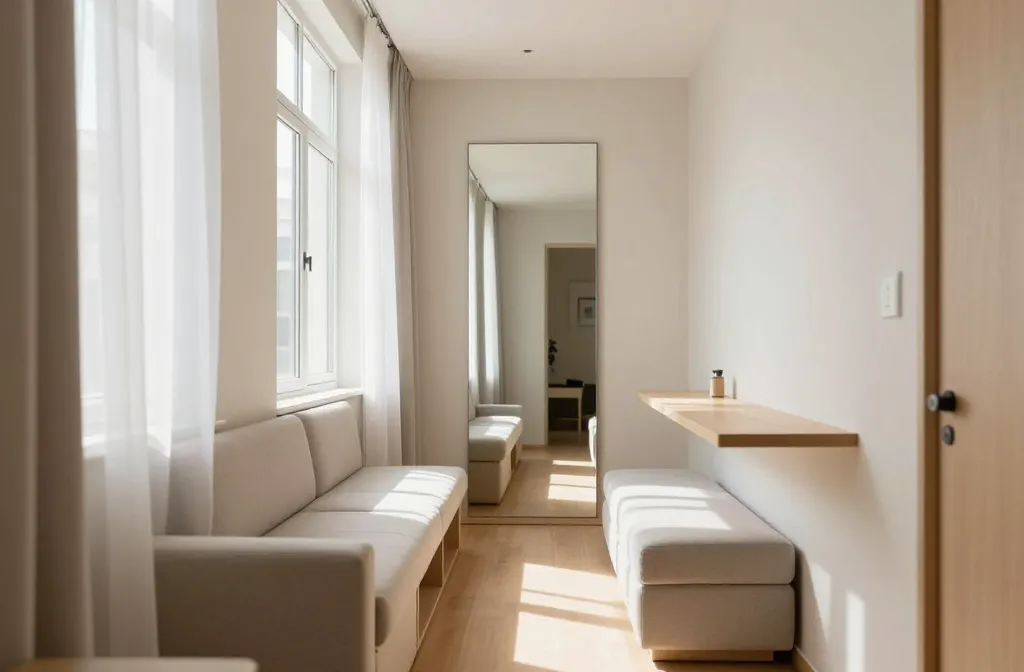
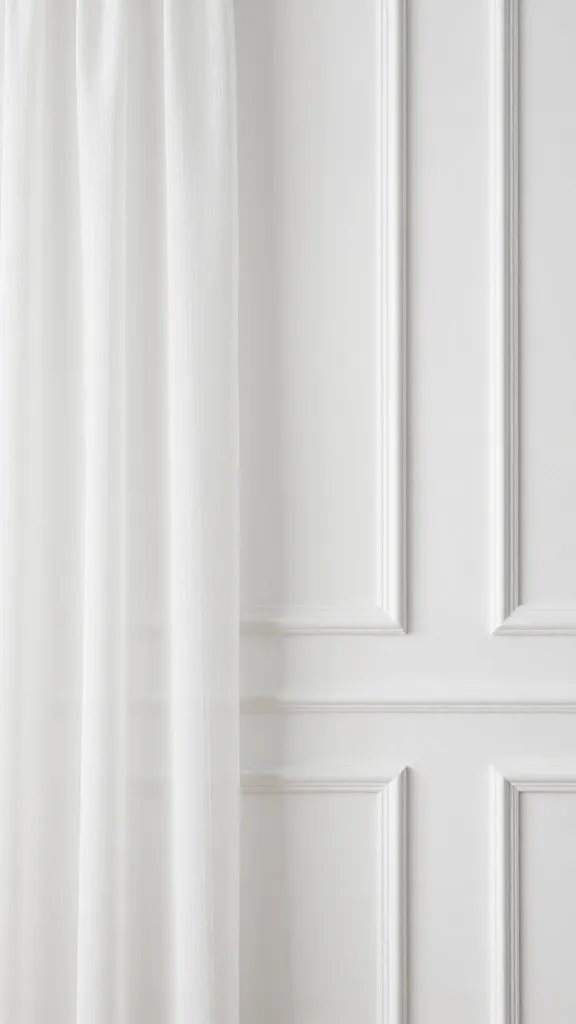
Bright spaces feel bigger, and you don’t need an architectural miracle to achieve it. Start with natural light as your best friend: sheer curtains, strategically placed mirrors, and glass doors that invite photons to party in every room. FYI, dark corners are where the shadows live, and shadows shrink rooms.
– Use light colors on walls and ceilings to bounce more light around.
– Add a large mirror opposite a window to double the perceived size.
– Keep window treatments minimal and airy to maximize daylight.
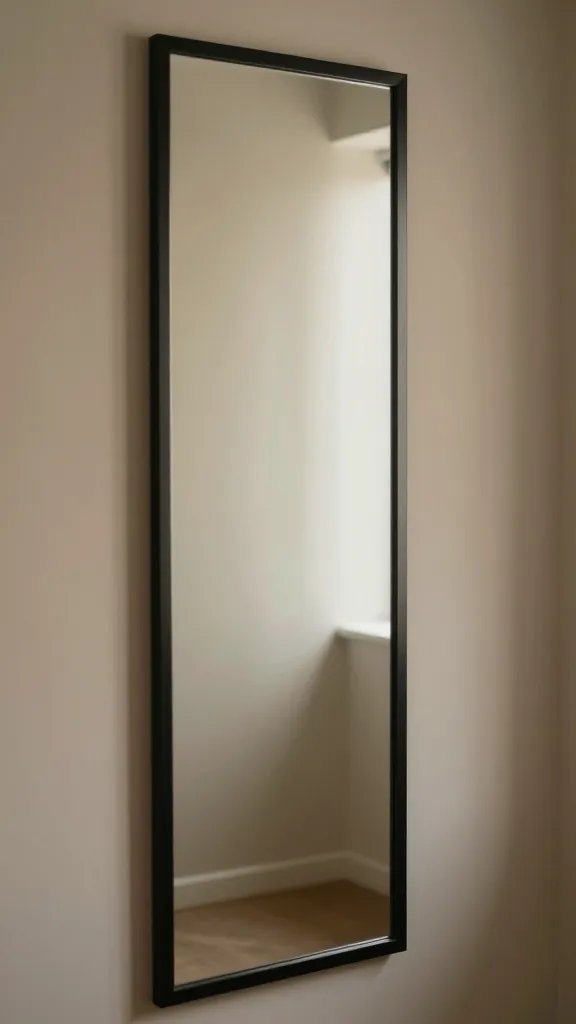
- Place a tall, slim mirror in a narrow hallway to create depth.
- Choose semi-sheer drapes that let the sun in but still offer privacy.
How to avoid visual clutter that defeats the glow
If your space looks chaotic, light can’t do its job. Declutter with a purpose: limit decorative items to a curated few and store the rest out of sight. A tidy surface feels larger, even if the floor plan stays the same. Trust me, your eyeballs will thank you.
2) Multi-use furniture that earns its keep
Small spaces demand smart furniture that moonlights as something else. Think ottomans with storage, coffee tables that lift to dining height, and beds with drawers underneath. The goal: fewer things, more function.
– Pick pieces with hidden storage or built-in flexibility.
– Choose slim-profile chairs that tuck under tables when not in use.
– Consider wall-mounted desks instead of bulky desks that steal floor space.
Vertical wins: shelves and wall beds
Shelving high up draws the eye upward, making ceilings feel taller. A wall bed (aka a Murphy bed) is a dream if you regularly turn a bedroom into a home office or guest room. It’s not sci-fi—just smart engineering and a little DIY patience.
3) Zone it without walls
Open plans are fantastic, but they can feel chaotic quickly. Create distinct zones with color, rugs, and furniture arrangement rather than building new walls. This trick keeps a sense of flow while giving each area its own purpose.
– Use area rugs to define living, dining, and work zones.
– Arrange furniture to form cozy nooks rather than grid-like blocks.
– Alternate textures and colors between zones to cue the switch in vibes.
Color cues that cue calm
A subtle color shift between zones signals a change in activity without shouting, “Warning: we’ve entered the home office.” Try a soft blue in the living area and a warm sand near the desk. It’s like a mood ring for your space—without the glitter.
4) Smart storage tactics that actually work
Clutter is the enemy of space. Good storage isn’t just tucking things away; it’s making every item earn its keep. Embrace clever, accessible storage in every room.
– Overdoor organizers on closets and bathrooms save valuable shelf space.
– Under-bed bins or drawers slide out for shoes, seasonal wardrobe items, or extra linens.
– Kitchen pull-out pantry shelves keep essentials visible and reachable.
Hidden wins: invisible storage ideas
Consider furniture that hides its secrets: beds with built-in drawers, ottomans that pop open, or coffee tables with a hollow interior. You get the space you need without sacrificing style. Plus, it’s satisfying to open a secret compartment and find your charger cable that somehow vanished last week.
5) The ceiling as a design playground
Your ceiling is not just a place to hang a light. It’s a vertical playground that can drastically alter how big a room feels.
– Install layered lighting: a mix of ambient, task, and accent lighting creates depth.
– Consider ceiling-mounted options like pendant lights or a statement chandelier to draw the eye upward.
– If you can, add crown molding or subtle ceiling beams to add architectural interest without crowding the floor.
FAQ corner: quick ceiling hacks
– Q: Do I really need more lighting in a small room? A: Yes. Layered lighting makes a tiny room feel deliberate, not dim and cramped.
– Q: Won’t ceiling changes be expensive? A: Not necessarily. Simple pendant lights and paint can do wonders for your perception of height.
6) The color and texture playlist

Color and texture are the secret sauce of making spaces feel bigger. Light tones with a few bold accents can expand, while heavy patterns shrink. Balance is key.
– Choose a neutral base with one or two pops of color.
– Vary textures with a mix of matte, glossy, and natural materials.
– Keep patterns minimal on large surfaces to avoid visual clutter.
Texture tricks that fool the eye
A soft wool rug, a sleek leather chair, and a matte wall finish can create depth without crowding your senses. Too many textures fighting for attention can feel messy—so pick your battles and layer thoughtfully.
7) The art of decluttering without losing personality
Your space should feel like you, not a showroom. Clutter aside, how do you keep your personality front and center? Curate with intention.
– Rotate a small number of decor items seasonally to keep things fresh.
– Use meaningful pieces for display rather than filler.
– Invest in a few statement items that reflect your style, not your wish list.
What to keep and what to tuck away
Keep: a couple of framed photos, a plant or two, a favorite book stack. Tuck away extras in closed storage or higher shelves. If you wouldn’t notice it in a month, it’s likely you won’t miss it now.
FAQ section to address common questions, formatted as
tags with paragraphs for answers
Frequently Asked Questions
1. Can I really make a small space feel bigger without remodeling?
Absolutely. Focus on light, layout, and multi-use furniture. Small changes add up fast and don’t require a wrecking crew or a mortgage.
2. How do I choose the right furniture for a tiny living room?
Pick pieces with clean lines, low profiles, and storage. Avoid bulky sofas, and lean toward modular options you can rearrange for different activities.
3. Is wall color important, or should I just keep everything white?
White or light neutrals help, but a couple of soft colors can add personality without shrinking the space. The key is balance and contrast—don’t flood the room with busy patterns.
4. How can I maintain a sense of coziness in a small apartment?
Add soft textures, warm lighting, and personal touches. A cozy space still feels big when it’s inviting and thoughtfully arranged.
Conclusion
Small spaces don’t have to feel claustrophobic. With light-forward thinking, flexible furniture, clever storage, and a dash of design whimsy, you can create rooms that feel open, lived-in, and incredibly you. So go ahead: declutter, optimize, and layer in the good stuff. Your home will breathe easier, and you’ll actually enjoy tidying up for once. IMO, the best part is that every clever choice adds up to a space that looks bigger in the best possible way. You got this.