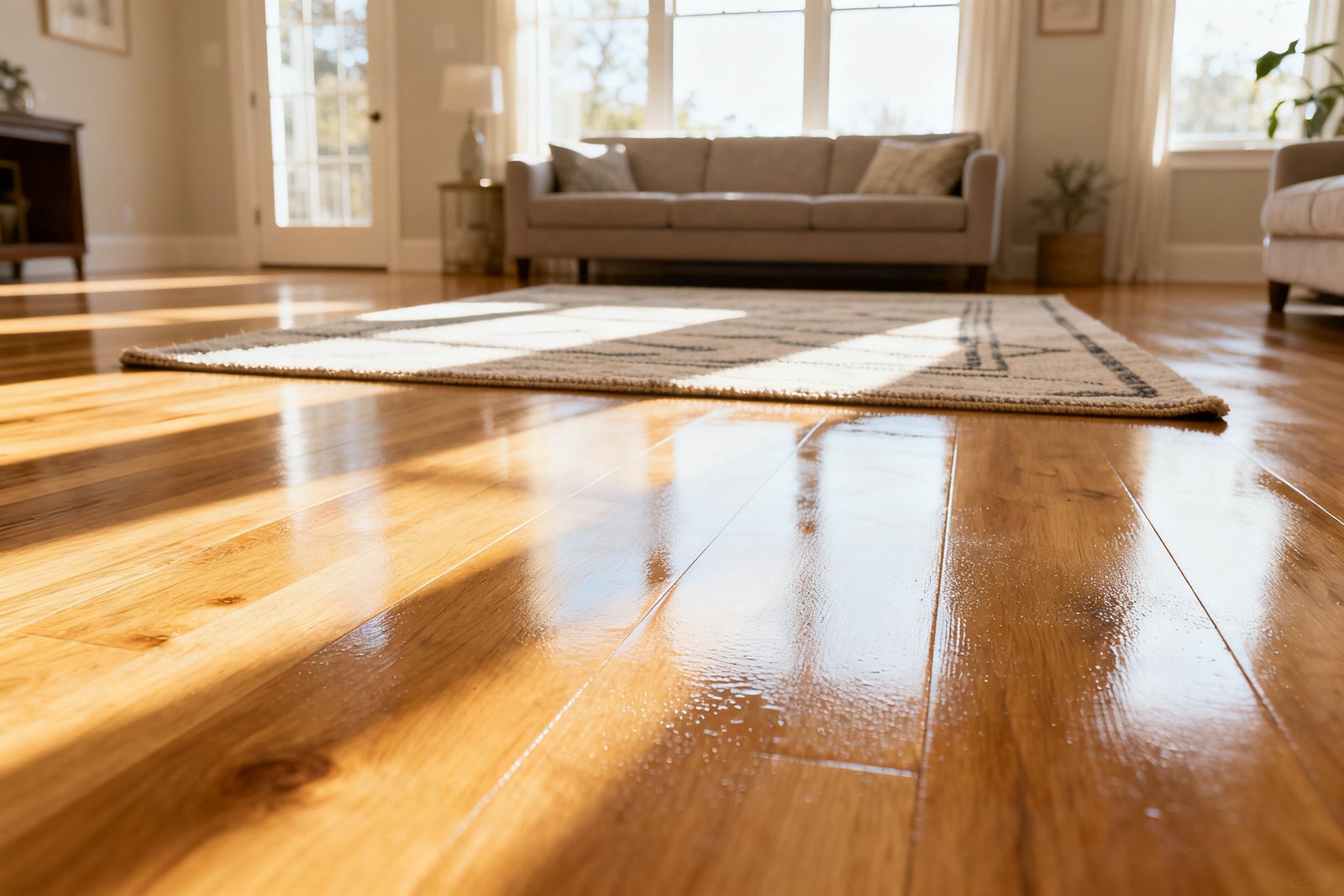

Clean floors make your whole home feel fresher, but you don’t need pricey tools or fancy products to get there. With a few smart habits, low-cost supplies, and the right method for your floor type, you can keep things spotless without overspending.
This guide covers simple routines, homemade cleaners that actually work, and affordable gear worth buying—plus how to avoid common mistakes that waste time and money.
Set a Simple Routine You’ll Actually Stick To
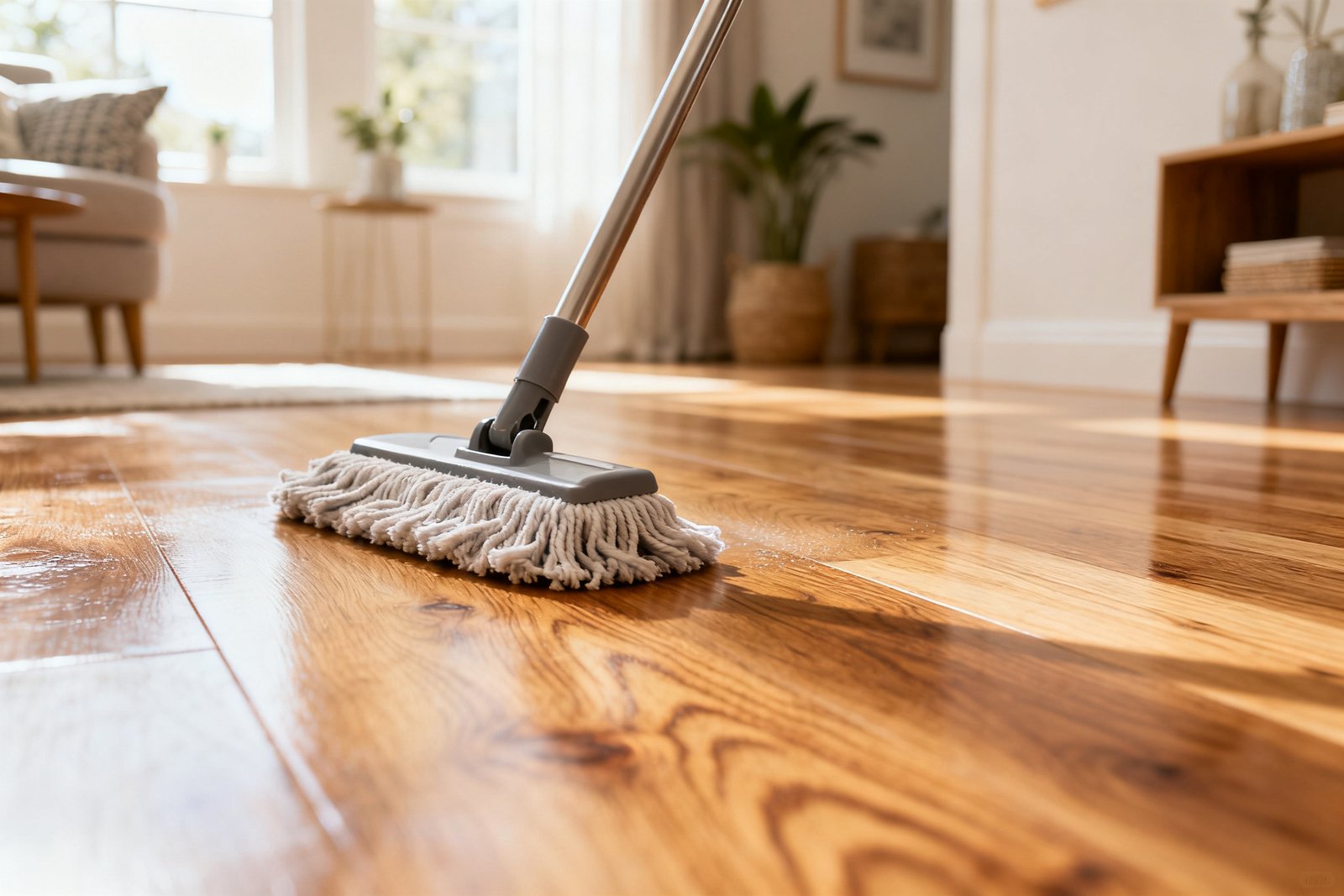
Consistency matters more than deep cleaning marathons. Build a routine that fits your week and floor types so dirt never gets a chance to grind in.
- Daily: Quick sweep or vacuum of high-traffic areas (entry, kitchen, hall). 5 minutes.
- Weekly: Full vacuum/sweep everywhere + spot mop sticky areas.
- Biweekly: Damp mop hard floors and edge-vacuum baseboards.
- Quarterly: Deep clean—move small furniture, wash under rugs, detail grout or edges.
If you miss a day, don’t restart the entire plan—just pick up at the next task. Small, regular effort keeps costs and time low.
Budget Tools That Pull Their Weight
For more ideas, see our guide on how to room-by-room deep cleaning checklist.
You don’t need a closet of gadgets. A few dependable tools cover most floors.
Essentials (approximate prices)
- Microfiber mop with reusable pads ($10–$25): For hardwood, vinyl, laminate, and tile. Wash pads with towels.
- Broom or dust mop ($8–$15): Angled bristles catch corners; a microfiber dust mop covers large areas fast.
- Vacuum with a hard-floor setting ($60–$150): Look for adjustable suction and a brush-off option to protect hard floors.
- Handheld scrub brush and grout brush ($6–$12): For sticky spots and grout lines.
- Spray bottle set ($6–$10 for two): Label for different solutions.
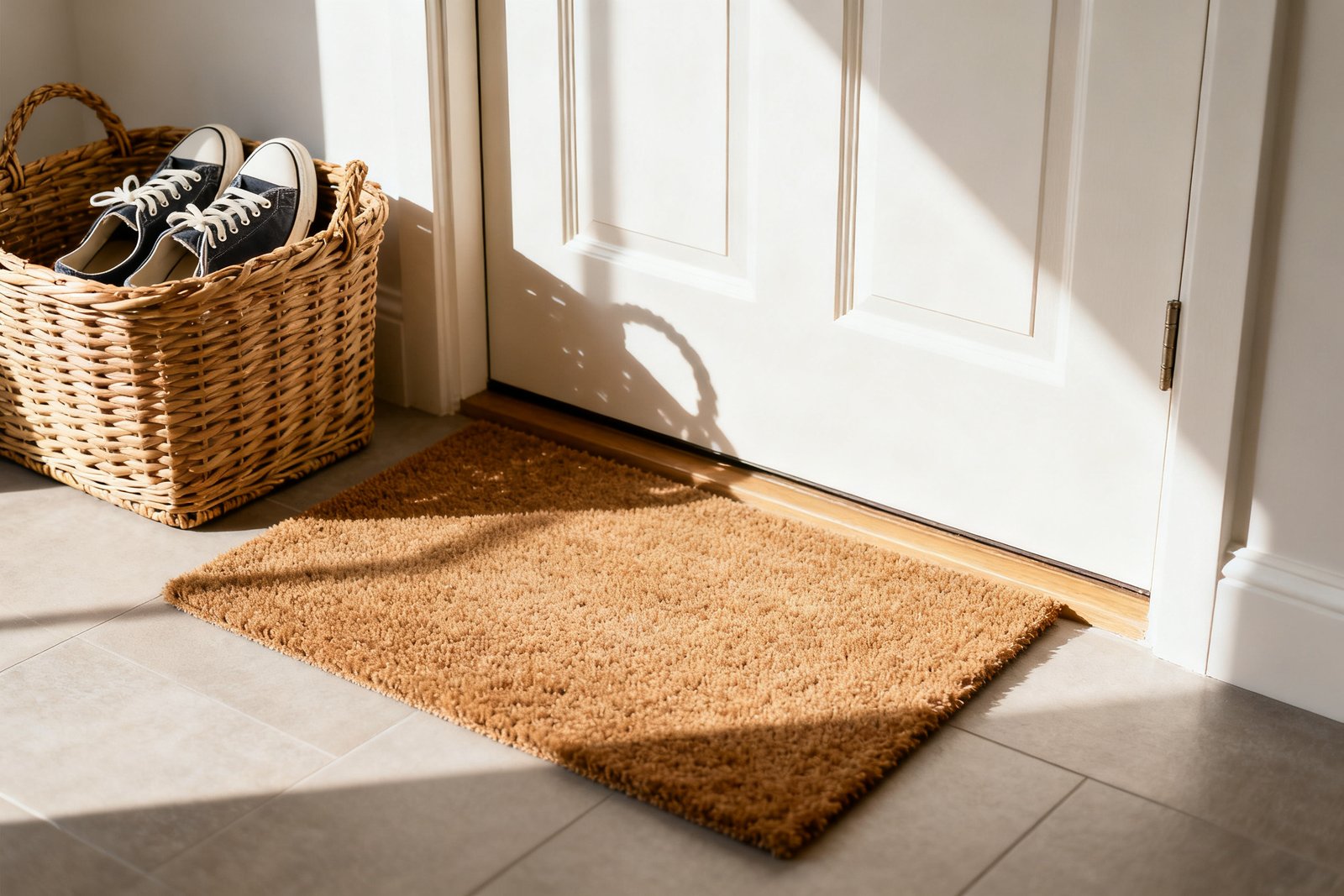
- Doormats with rough texture ($10–$20 each): One outside and one inside entry to trap grit.
Nice-to-have upgrades
- Squeegee mop head ($12–$20): Speeds up drying on tile.
- Vacuum with a HEPA filter ($100–$200): Helpful if you have pets or allergies.
- Carpet rake ($12–$18): Lifts pet hair and fluffs area rugs before vacuuming.
Tip: Assign a color to each mop pad for different rooms (bathroom vs. kitchen) to avoid cross-contamination.
DIY Floor Cleaners That Work (and When to Avoid Them)
Fresh floors set the tone for the whole room. Keep every space feeling clean with our free 5-Day Budget Home Reset.
You can mix simple, safe cleaners at home. Always patch test in a corner first and follow your floor manufacturer’s care guides if available.
For sealed tile, vinyl, and linoleum
Mix in a spray bottle: 2 cups warm water + 1 teaspoon dish soap + 1 teaspoon rubbing alcohol. Lightly mist and mop with a damp microfiber pad. The alcohol speeds drying and prevents streaks.
For laminate
Use: 2 cups water + 1 teaspoon dish soap. Lightly spray, then wipe with a barely damp pad. Avoid excess water, which can seep into seams.
For sealed hardwood
Use: 2 cups water + 1 teaspoon dish soap. Wring your mop nearly dry. Never flood hardwood; focus on lifting dust and light grime. Dry spots immediately with a clean cloth if you see any standing moisture.
For grout and tough tile spots
Make a paste: 3 parts baking soda + 1 part water. Apply to grout, wait 5–10 minutes, scrub with a grout brush, then rinse with warm water. For stained grout, repeat over a few sessions instead of scrubbing too hard once.
What to avoid
- Vinegar on stone (marble, travertine): It can etch the surface. Use a stone-safe pH-neutral cleaner.
- Oil soaps or waxes on laminate: They leave residue and can cause slippage.
- Steam on hardwood or unsealed floors: Heat and moisture can damage them over time.
Right Method for Each Floor Type
It also helps to check out reduce dust in your home.
Match your technique to your surface to clean faster and prevent damage.
Hardwood (sealed)
- Vacuum with the brush roll off or use a dust mop. Focus on grit around entries.
- Spot clean sticky areas with a nearly dry microfiber pad and mild soap solution.
- Damp mop in the direction of the grain. Keep moisture minimal and dry any shiny spots.
Frequency: Dust/sweep 3–4 times a week in traffic paths; damp mop every 2–3 weeks or as needed.
Laminate
- Dry dust first—sand and crumbs scratch laminate easily.
- Lightly spray cleaner onto the mop pad, not the floor, to avoid puddles.
- Work in small sections; buff dry with a clean pad for a streak-free finish.
Frequency: Weekly damp mop; daily or every-other-day quick dust in busy zones.
Vinyl/LVP
- Vacuum or sweep thoroughly, including edges.
- Use mild dish soap solution. For scuffs, rub with a soft cloth and a drop of baking soda paste.
- Rinse the pad with clean water halfway through to prevent dulling film.
Frequency: Weekly mop; spot clean as needed. Avoid harsh solvents that can haze the wear layer.
Tile and Grout
- Sweep or vacuum to remove gritty sand that etches glaze.
- Mop with mild solution. Let it sit 2–3 minutes on stains before scrubbing.
- Treat grout quarterly with a gentle scrub and rinse. Consider a grout sealer ($12–$20) annually to reduce staining.
Frequency: Weekly mop; monthly grout touch-ups in kitchens and baths.
Area Rugs and Carpets
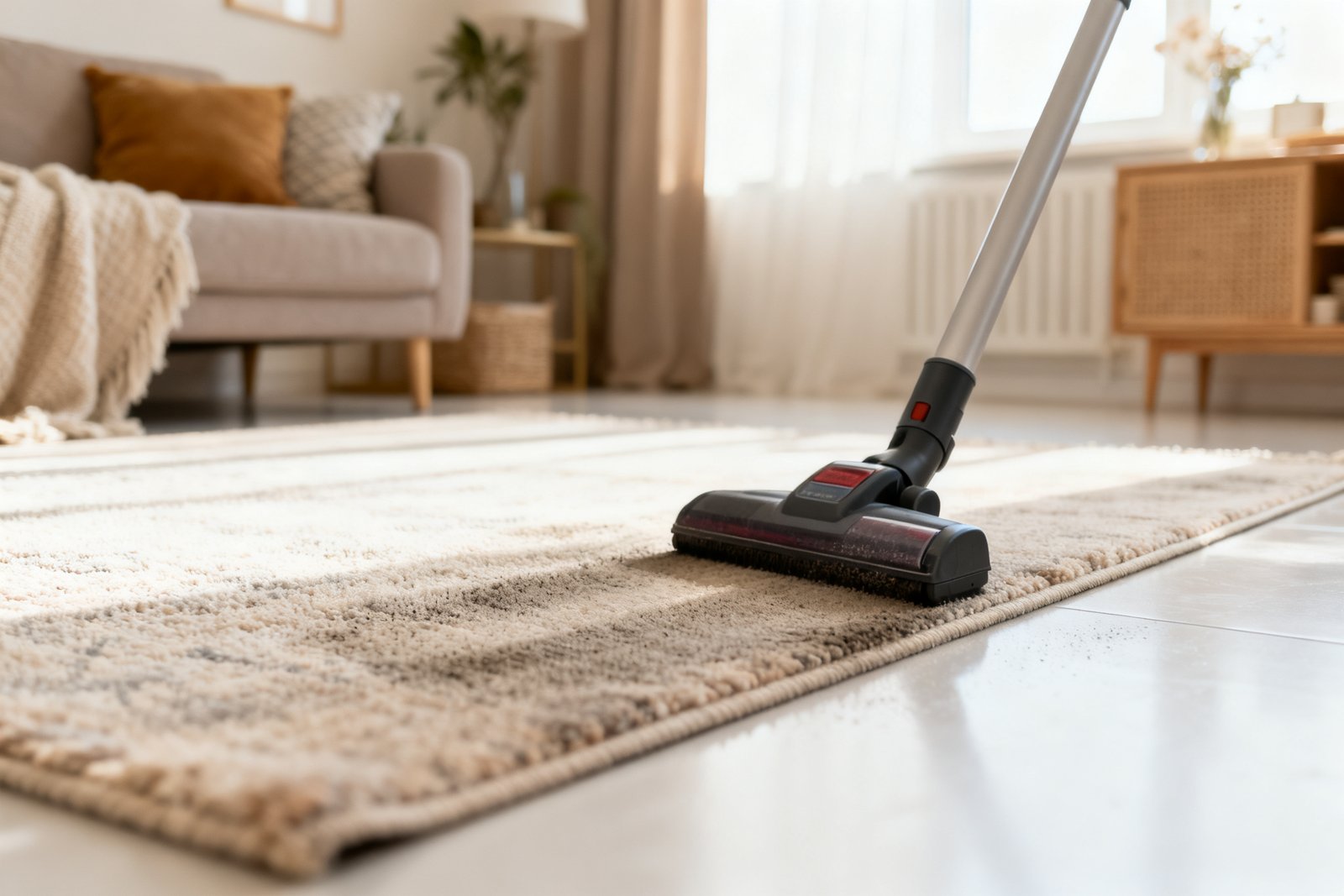
- Vacuum slowly in overlapping passes. Two passes in each direction pick up more dirt than one quick pass.
- Spot treat spills immediately: blot (don’t rub) with a towel, then use a mix of 1 cup warm water + 1 teaspoon clear dish soap. Rinse by blotting with clean water, then press with a dry towel.
- Deodorize with a light sprinkle of baking soda; let sit 15–30 minutes; vacuum thoroughly.
Frequency: Vacuum high-traffic areas 2–3 times a week; full rooms weekly; deep clean annually or semiannually if you have pets.
Keep Dirt Out to Spend Less Time Cleaning
Prevention saves more effort than any cleaner. A few affordable changes cut grime dramatically.
- Shoe zone at the door: A small tray or mat for shoes ($8–$15) keeps grit off floors.
- Double doormats: One rough mat outside and a washable mat inside ($20–$35 total) can trap most dirt.
- Pet paws: Keep a small towel by the door; quick wipe after walks.
- Crumb control: A handheld broom ($7–$12) or mini vac near the dining table trims daily mess.
- Chair leg pads ($6–$10 set): Reduce scratches and noise on hard floors.
Realistic Example: One-Bedroom, Mixed Floors
Scenario: You have vinyl in the kitchen, tile in the bath, hardwood in the living/bedroom, and one area rug. You want clean floors without buying a lot.
What you buy: Microfiber mop with two pads ($18), angled broom ($12), basic vacuum with brush roll off ($80), two spray bottles ($7), outside/inside mats ($30), grout brush ($7). Total: about $154.
Routine: Each evening, 2-minute sweep of kitchen. Every Saturday, vacuum all floors (brush off for hardwood); damp mop vinyl and hardwood with mild soap solution; mop bath tile and scrub any grout spots that look dingy. Monthly, lift the rug, vacuum underneath, and sprinkle baking soda on the rug before vacuuming. Quarterly, move light furniture and clean edges/baseboards.
Result: Floors stay clean-looking day to day, you avoid buildup, and the tools last years with little replacement cost.
Quick Fixes for Common Floor Problems
Streaky hard floors
Cause: Too much cleaner or dirty water. Fix: Switch to a lightly damp pad, use less solution, and rinse pads mid-clean. Buff with a dry microfiber cloth.
Sticky spots that won’t lift
Cause: Sugary spills or soap residue. Fix: Warm water + a drop of dish soap; let sit 1–2 minutes; scrub gently; rinse with a clean damp cloth.
Black heel marks on vinyl
Rub gently with a pencil eraser or a cloth dabbed with a bit of baking soda paste; wipe clean.
Pet accidents on rugs
Blot thoroughly, then use the soap-and-water solution. Rinse by blotting with plain water, then press with a dry towel and weigh down with a book wrapped in plastic for 30 minutes to pull moisture. Deodorize with a light baking soda sprinkle once dry.
Mistakes to Avoid
- Using too much water on wood or laminate: Leads to swelling or edge lift.
- Skipping the dry pass: Always remove dust and grit before wet cleaning to avoid scratches and muddy streaks.
- Overusing vinegar: Fine on many tiles and vinyl, but avoid on stone and don’t use straight; it can dull finishes.
- Not changing or rinsing mop pads: Dirty pads spread film and odor. Swap halfway through larger rooms.
- Letting spills sit: Quick attention prevents stains and sticky residue that attract more dirt.
FAQ
How often should I replace mop pads and vacuum filters?
Wash microfiber pads after each use and replace when they lose their grab (often after 100+ washes, depending on quality). Rinse or replace vacuum filters per the manual; a common schedule is rinseable filters monthly and replacement HEPA filters every 6–12 months, depending on use and dust levels.
Can I use the same cleaner on all my hard floors?
A mild soap-and-water solution works on many sealed surfaces, but adjust for material. Keep moisture low on wood and laminate. Avoid acidic cleaners on stone. When in doubt, start milder and test first.
What’s the cheapest way to make floors smell fresh?
Ventilate while cleaning, launder mop pads promptly, and sprinkle a small amount of baking soda on carpets and rugs before vacuuming. For hard floors, odor usually means residue—use less product, rinse pads, and dry promptly.
Do I need a steam mop?
No. Steam can be helpful on sealed tile but is unnecessary for most homes and can harm wood, laminate, or loose grout. A microfiber mop with hot tap water and a mild cleaner is usually faster, safer, and cheaper.
If you want to keep going, take a look at keep your home clean with less effort.
Final Thoughts
Clean, fresh floors come from simple habits, not expensive gear. Pick a small set of tools, use light, effective solutions, and keep dirt from getting in the door. With a routine you can maintain in minutes, your floors will look good and last longer—without straining your budget.