
Dust builds up faster than you think, and it’s more than a cosmetic issue—it can aggravate allergies, dull finishes, and shorten the life of your HVAC system. The good news: a few targeted habits and budget tweaks make a big difference. Here’s how to cut dust at the source and keep what’s left under control without fancy gadgets.
Start at the Source: Entryways and Air
Most dust sneaks in through your doors and on your shoes. Stop it at the threshold and your whole routine gets easier. Focus your efforts here first—it’s low cost and high impact.
Create a dirt-trap landing zone
- Use two doormats: one outside (coarse scraper) and one inside (absorbent). Expect $10–$20 each at big-box stores.
- Set a shoe-off policy with a simple rack or basket by the door ($12–$30). Add a low stool if space allows for easy on/off.
- Shake or vacuum mats weekly; wash fabric mats monthly.
Improve airflow, don’t stir dust
- Run your bathroom and kitchen exhaust fans during and 15 minutes after use to pull humid, dusty air out.
- If you open windows, do quick cross-breezes (5–10 minutes) rather than hours-long drafts that invite pollen and dust.
- Seal obvious gaps around doors/windows with adhesive weatherstrip ($6–$12) to cut outdoor dust infiltration.
Upgrade Filtration (Smart and Affordable)
For more ideas, see our guide on how to cleaning hacks worth knowing.
Your HVAC filter is your quiet dust fighter. If you don’t have central air, room purifiers can help—but choose wisely and place them well.
HVAC filters: match MERV to your system
- Use a MERV 8–11 pleated filter for most homes ($6–$20 each). Higher isn’t always better—too high can strain older blowers.
- Replace every 2–3 months, or monthly if you have pets or live near construction.
- Write the change date on the frame so you don’t forget.
Portable air purifiers (if you don’t have central air)
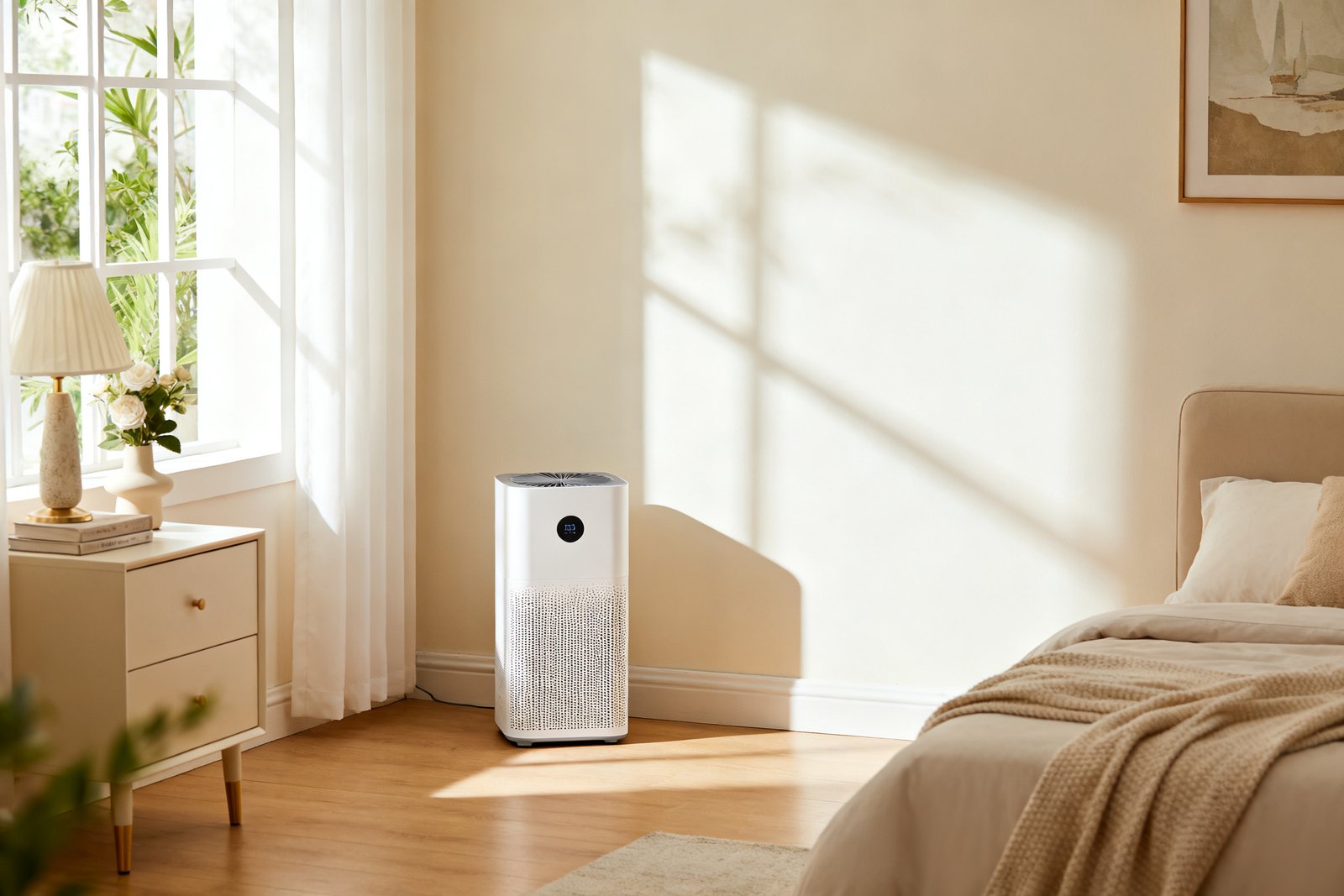
- Choose a unit rated for your room size (look for CADR ratings). Solid budget models run $60–$150; filters are usually $15–$40.
- Place it where you spend time—bedroom or living room—and away from tight corners so it can circulate.
- Run on low or auto mode continuously; it’s more effective than high bursts.
Dust Without Spreading It
Less dust, less stress. Our free 5-Day Budget Home Reset helps you keep the whole home fresh with one small task a day.
How you clean matters. Dry dusting just wafts particles around. Use methods that trap, not toss.
Work top-to-bottom
- Ceiling fans, light fixtures, and upper shelves
- Walls, art frames, window blinds
- Furniture surfaces and electronics
- Baseboards, vents, and floors last
Tools that actually capture dust
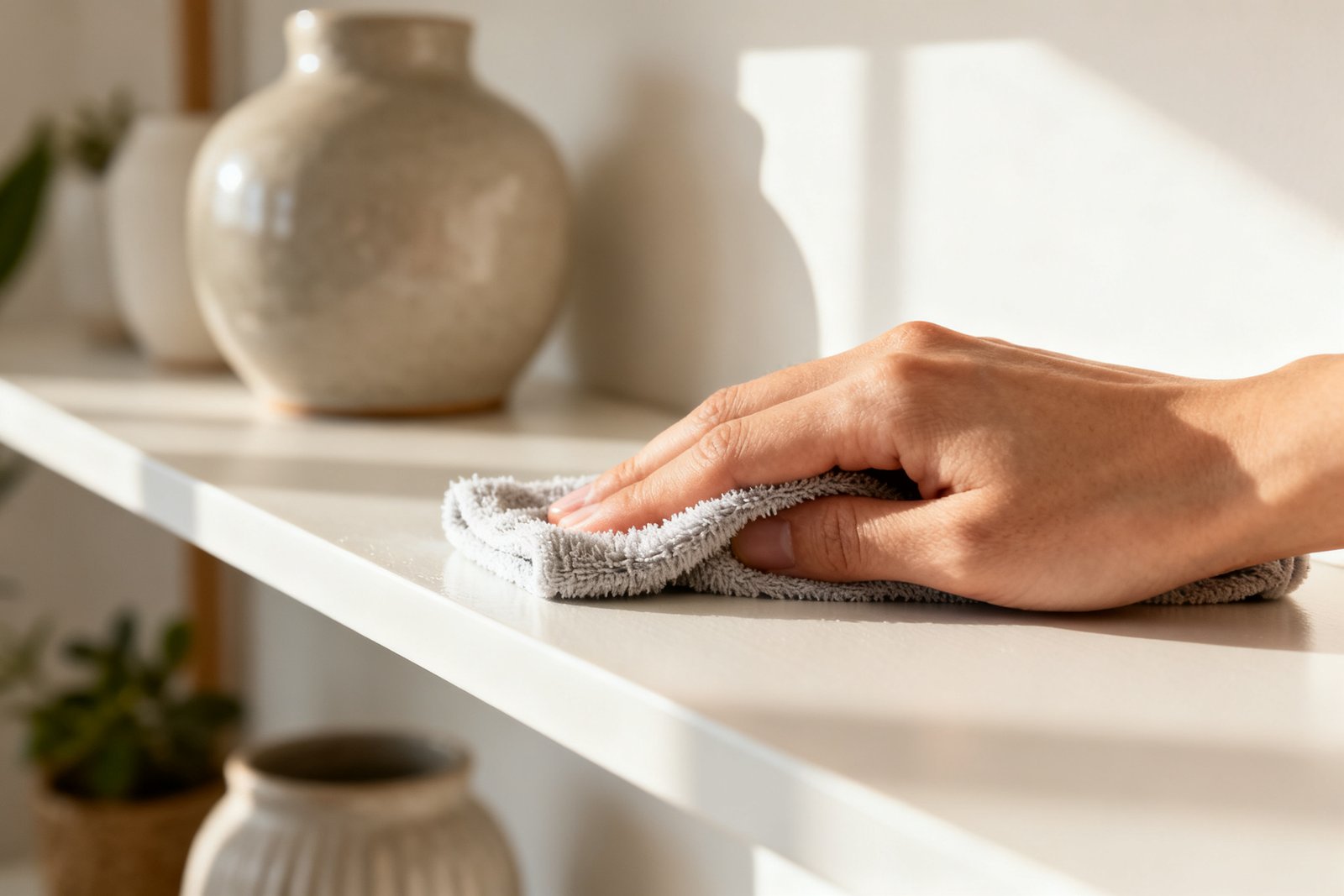
- Microfiber cloths (8–12 pack for $8–$15). Slightly damp beats dry; rinse and wring so they’re just moist.
- Microfiber mop with washable pads ($20–$35). Use for floors and walls; skip the bucket—light spray is enough.
- Vacuum with a HEPA or sealed filtration system. If buying isn’t in the budget, replace/clean your existing filters and bags regularly and slow your vacuum strokes.
- For blinds and vents: a paintbrush or small detailing brush to dislodge, followed by a vacuum nozzle.
Realistic weekly routine (40–60 minutes total)
- Bedrooms: quick microfiber wipe of dressers/nightstands; vacuum or mop floors (10–15 min per room).
- Living area: wipe TV stand, coffee table; vacuum fabric sofas with brush attachment (15–20 min).
- Entry: shake/vacuum mats; quick sweep or mop (5 min).
Textiles: Where Dust Loves to Live
It also helps to check out room-by-room deep cleaning checklist.
Fabric sheds fibers and traps skin flakes—prime dust ingredients. Streamline textiles and wash on a schedule.
Make fabrics easier to clean
- Use washable pillow covers on throw pillows ($8–$15 each). Wash monthly.
- Choose machine-washable curtains or swap to blinds if curtains rarely get washed. If you keep curtains, launder or steam 2–4 times a year.
- Limit layers: do you need both a bed skirt and a floor-grazing blanket? Fewer layers mean fewer dust traps.
Rugs and carpets
- Vacuum area rugs slowly, twice weekly in high-traffic zones. Flip and vacuum the rug underside monthly.
- Use a rug pad to reduce fiber shedding and trap finer dust ($15–$40 depending on size).
- Spot-launder small cotton rugs at home; choose indoor/outdoor rugs for entry or dining—they hose off and dry fast.
Bedding basics
- Wash sheets weekly; duvet covers every 2–3 weeks.
- Encase pillows and mattress with zippered protectors ($10–$35) to block dust from settling deep inside.
- Dry bedding thoroughly to avoid musty buildup that attracts dust.

Declutter Strategically (Less Surface, Less Dust)
Every knickknack is a dust ledge. You don’t need a minimalist home—just fewer exposed collectors and better storage.
Contain and elevate
- Use lidded bins or baskets on open shelves ($6–$15). Clear bins let you see contents without lifting lids.
- Choose a few larger decor pieces over many small items. Think one substantial vase instead of five trinkets.
- Mount electronics and routers on a small shelf to make floor mopping faster and reduce cord dust bunnies.
Closed storage where it counts
- Entry: a closed cabinet for shoes beats an open rack if dust is a problem (look for secondhand units $30–$80).
- Bedroom: under-bed bins with lids keep off-season clothes from turning into lint generators.
Stop Recirculating: Fans, Vents, and Appliances
Anything that moves air can either help or spread dust. Keep these clean and set up to your advantage.
Ceiling fans and light fixtures
- Slip a pillowcase over each blade, then pull off to trap dust inside. Wipe with a damp cloth after. Do this monthly.
- Use the reverse setting seasonally to reduce drafts that lift settled dust (downward in winter, upward in summer depending on comfort).
Registers, returns, and bathroom fans
- Vacuum grilles with a brush attachment every 1–2 months. If removable, soak metal grilles in warm soapy water, dry fully, and reinstall.
- Bathroom fan covers pop off—wash and dry. A cleaner fan moves more air and removes humidity that can trap dust.
Appliances that shed
- Clean dryer lint trap every load; vacuum the vent hose area quarterly to prevent lint dust.
- Refrigerator coils collect dust; brush and vacuum twice a year to improve efficiency and cut circulating dust.
Pet Hair and Dander: Control, Don’t Chase
Pets add joy—and fluff. Aim for routine, not heroics, to keep it manageable.
- Brush pets outside or on a tiled balcony 2–3 times weekly. A basic slicker brush runs $8–$15.
- Use a washable throw on your pet’s favorite perch and wash weekly.
- Choose a small, easy-clean bed with a removable cover; avoid plush bolsters that trap hair deeply.
Example: One-Bedroom Weekend Dust Reset (Under $60)
Goal: noticeably less dust in 2–3 hours using budget buys.
- Entry: add an inside mat ($15) and a basic shoe rack ($20). Shake outside mat; vacuum both.
- Filtration: swap in a fresh MERV 8 filter ($10) and mark the date.
- Textiles: wash sheets and pillow covers; toss throw pillow covers in too.
- Top-to-bottom clean: pillowcase-wipe ceiling fan, dust blinds with a damp microfiber, then furniture, then baseboards.
- Vacuum rugs slowly; mop hard floors with a microfiber pad.
- Final 10 minutes: brush pet on balcony and launder their blanket.
Result: less floating dust, cleaner surfaces that stay that way longer, and a simpler weekly upkeep.
Mistakes to Avoid
- Dry feather dusting. It looks satisfying but just launches particles into the air.
- Using too-high MERV filters without checking your system. If rooms feel stuffy or the blower strains, step down a rating.
- Skipping mats. One indoor mat does more than an extra hour of sweeping each week.
- Over-spraying cleaners. Wet surfaces grab dust, but soggy cloths smear and leave residue that attracts more.
- Ignoring soft surfaces. If you never wash curtains, they become dust factories.
FAQ
How often should I dust if I have allergies?
Plan for a quick microfiber wipe of high-touch surfaces 1–2 times per week and a deeper top-to-bottom session every two weeks. Keep bedding on a weekly wash cycle and run a HEPA purifier in your bedroom continuously.
Is a robot vacuum worth it for dust?
If you have mostly hard floors and minimal cords, a basic robot vacuum ($120–$250) can keep daily dust down, especially under beds and sofas. Still do a slower manual vacuum weekly for edges and textiles.
What’s the cheapest change with the biggest impact?
Two doormats and a shoe-off habit. For under $40, you’ll reduce what enters the home, making every other task easier and less frequent.
Do houseplants increase dust?
Plants themselves don’t create typical household dust, but their leaves collect it. Wipe broad leaves with a damp cloth monthly. Avoid overwatering; excess moisture can make dust cling to nearby surfaces.
If you want to keep going, take a look at keep your home clean with less effort.
Final Thoughts
Dust control is about blocking entry, trapping what’s inside, and cleaning in a way that doesn’t re-release it. Start with mats, a sensible filter, and a top-to-bottom routine using damp microfiber. Keep textiles washable and clutter corralled, and you’ll notice cleaner air and surfaces that stay that way with less effort—and without overspending.