How to Choose Furniture for a Small Living Room (Without Crowding It)
Posted in :

A small living room can feel welcoming and functional when you choose furniture with intention. The goal is to get comfort, storage, and style without blocking pathways or overwhelming the space. Here’s how to plan smart, shop well, and place pieces so your room actually works.
Start With Measurements and a Floor Plan
Before you look at sofas, measure the room, major wall lengths, window and door openings, and any radiators or vents. Note ceiling height too; taller pieces can work in small rooms if they’re narrow. Add your must-keep items (TV, existing chair, or heirloom table) to your sketch so you know what needs to fit.
Quick measuring checklist
- Room length and width (to the half-inch)
- Door swing clearances and hallway widths (for delivery)
- Window placement and sill height
- Outlet and cable locations
- Ceiling height and any soffits
Use painter’s tape to map furniture footprints on the floor. Walk through the taped layout to test clearances. Aim for 30-36 inches for main pathways and 18 inches between seating and a coffee table.
Right-Size the Sofa (Or Skip It)
For more ideas, see our guide on how to small living room layout ideas.
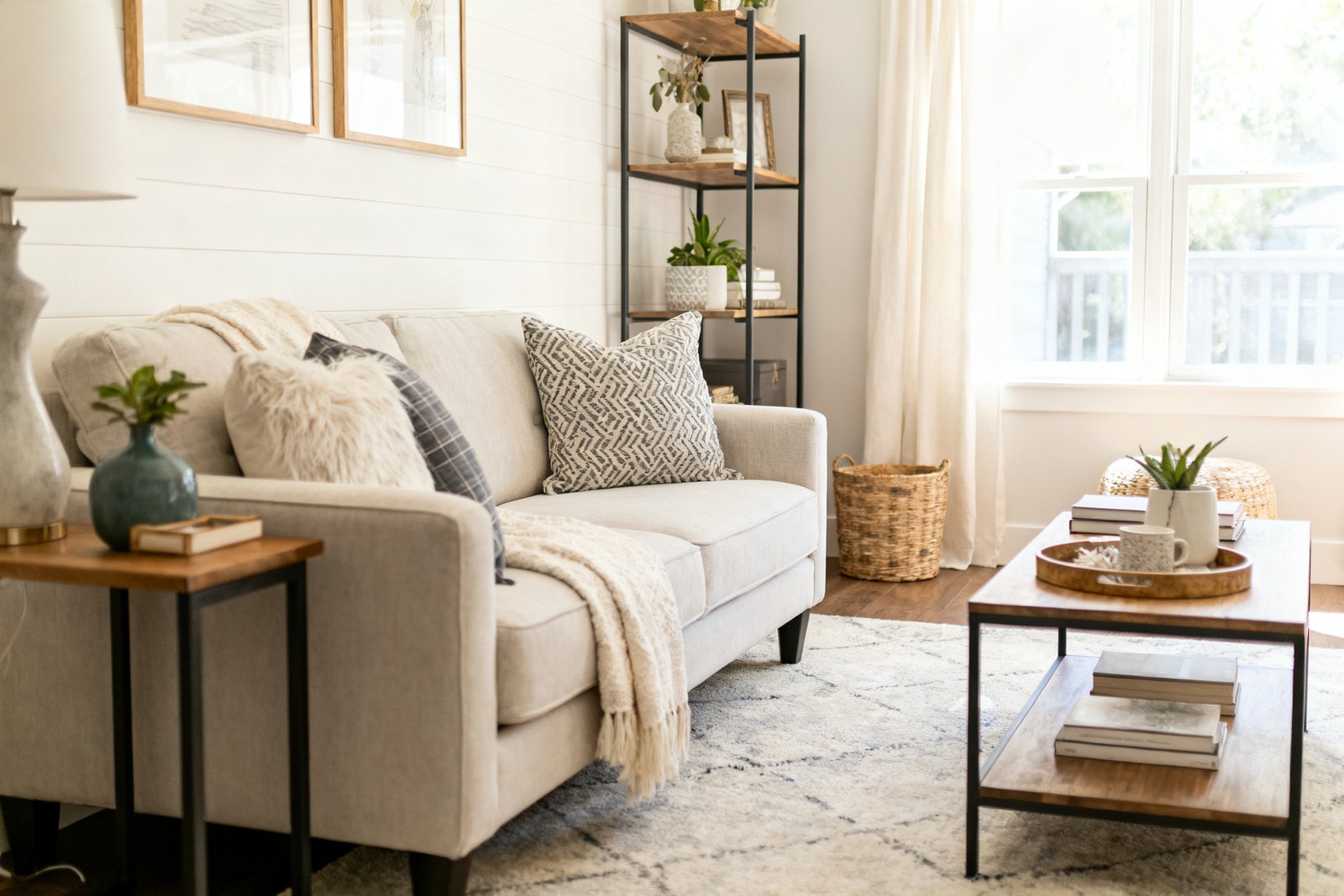
The sofa sets the tone. In a small living room, a 70-78 inch apartment sofa or a 60-70 inch loveseat is often the sweet spot. Deeper isn’t always better—look for 34-36 inches deep so you keep floor space without losing comfort.
What to look for
- Legs and a visible base: raised frames feel lighter than skirted sofas.
- Straight arms or narrow track arms: they save 4-8 inches overall.
- Firm cushions: they sit shallower and are easier to get up from.
If you entertain more than you lounge, consider pairing two chairs and a loveseat instead of a long sofa; this is easier to rearrange. In studios, a futon or click-clack sleeper with slim arms can double as a guest bed without dominating the room.
Budget options
- Flat-pack apartment sofas: $250-$600 (watch seat depth and weight limit).
- Secondhand solid-wood frames with new slipcovers: $100-$350 total.
- Modular loveseats that ship in boxes: $300-$800.
Choose Flexible Seating That Moves With You
Furnishing a small living room? Our free 5-Day Budget Home Reset gives you clever, low-cost wins, one day at a time.
Chairs and stools can make or break circulation in a tight space. Prioritize light, easily shuffled pieces over bulky recliners. A pair of 24-28 inch wide accent chairs is usually more space-efficient than one oversized chair.
Smart picks
- Armless accent chairs: 22-26 inches wide, visually open.
- Stools or poufs: 16-20 inches diameter, double as footrests or extra seats.
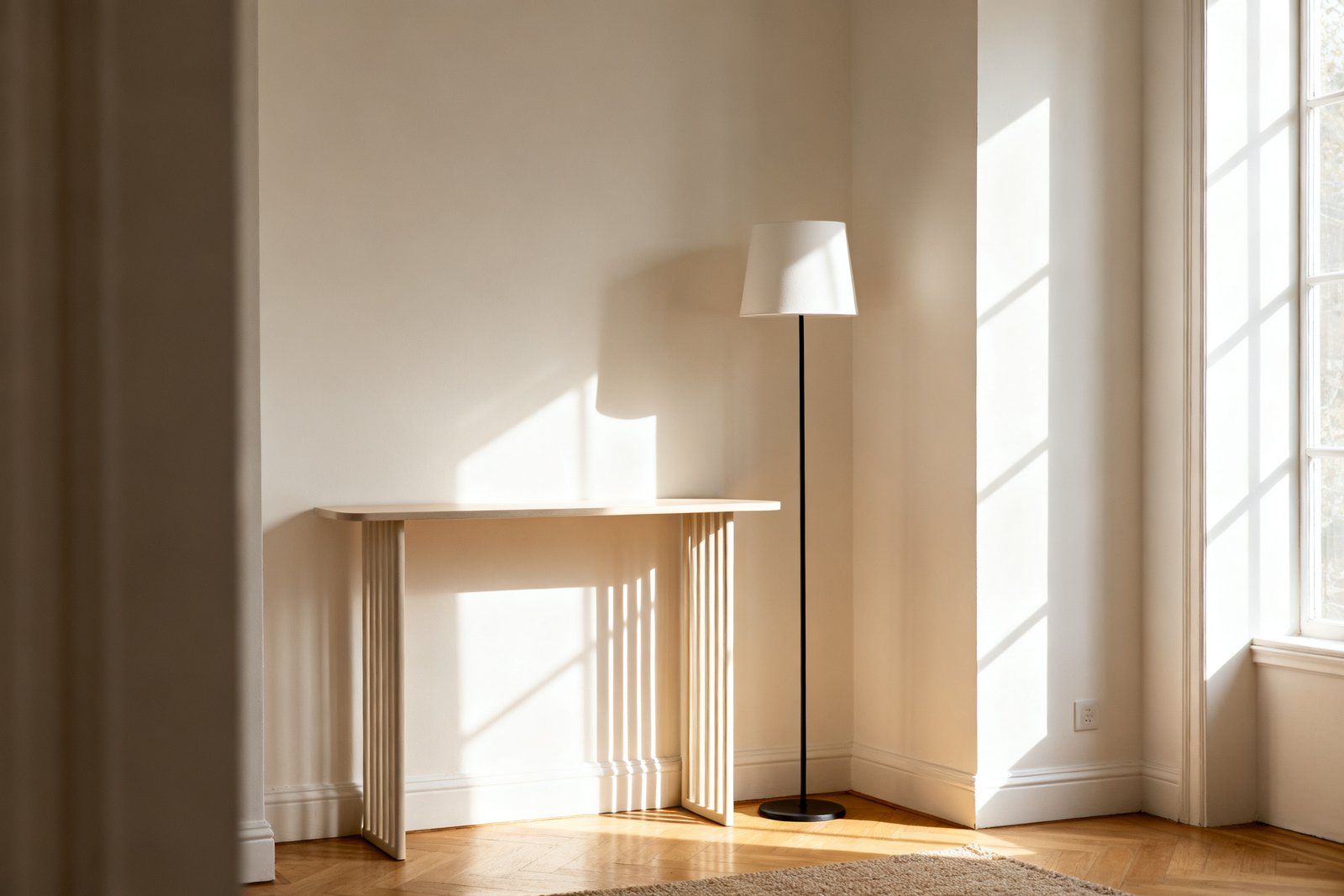
- Nesting stools: tuck under a console when not in use.
Look for chairs with open sides and raised legs. Rattan, bentwood, and metal frames feel airy. If you need a recliner, try a “wall-hugger” design (often $200-$500 secondhand) that only needs 4-6 inches behind it.
Pick Multi-Tasking Tables and Storage
It also helps to check out best furniture for small spaces.
Tables in small rooms should earn their keep. Choose pieces that offer storage or convert as needed. Avoid heavy sets; mismatched but coordinated tables are easier to scale to your space.
Coffee table alternatives
- Ottoman with tray: soft edges and hidden storage; $80-$250.
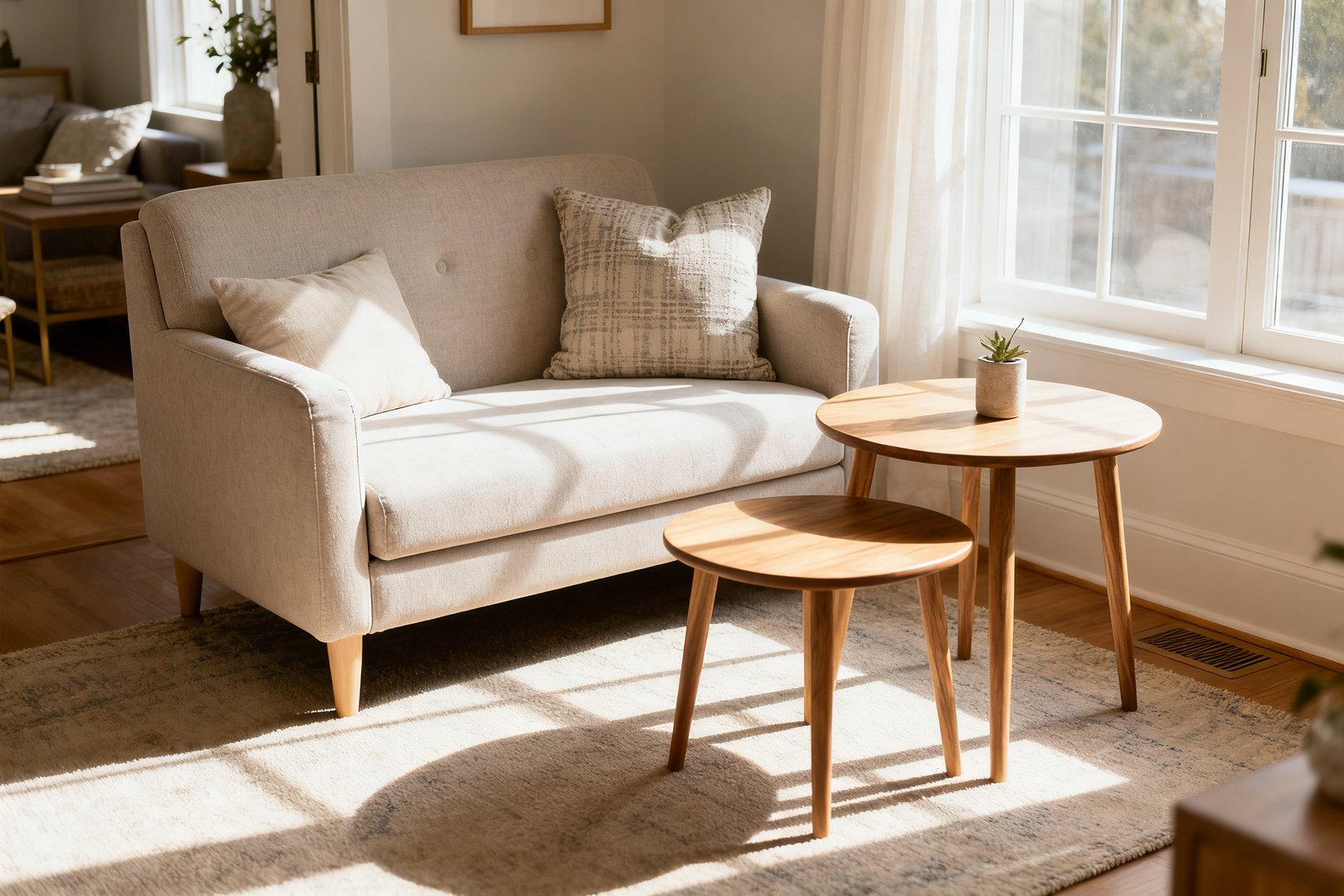
- Nesting coffee tables: split for guests, stack daily; $90-$300.
- Lift-top coffee table: dining height plus storage; $120-$350.
Side tables that do more
- C-table (slides under sofa): $25-$70; perfect for laptops and snacks.
- Drum table with lid: hides blankets; $60-$180.
- Wall-mounted fold-down shelf: $30-$90; micro bar or laptop perch.
For media, skip a deep TV console. A 10-14 inch deep wall-mounted shelf or slim console keeps floors clear. Strong wall anchors cost a few dollars and give you much more visual space back.
Scale, Shape, and Sightlines
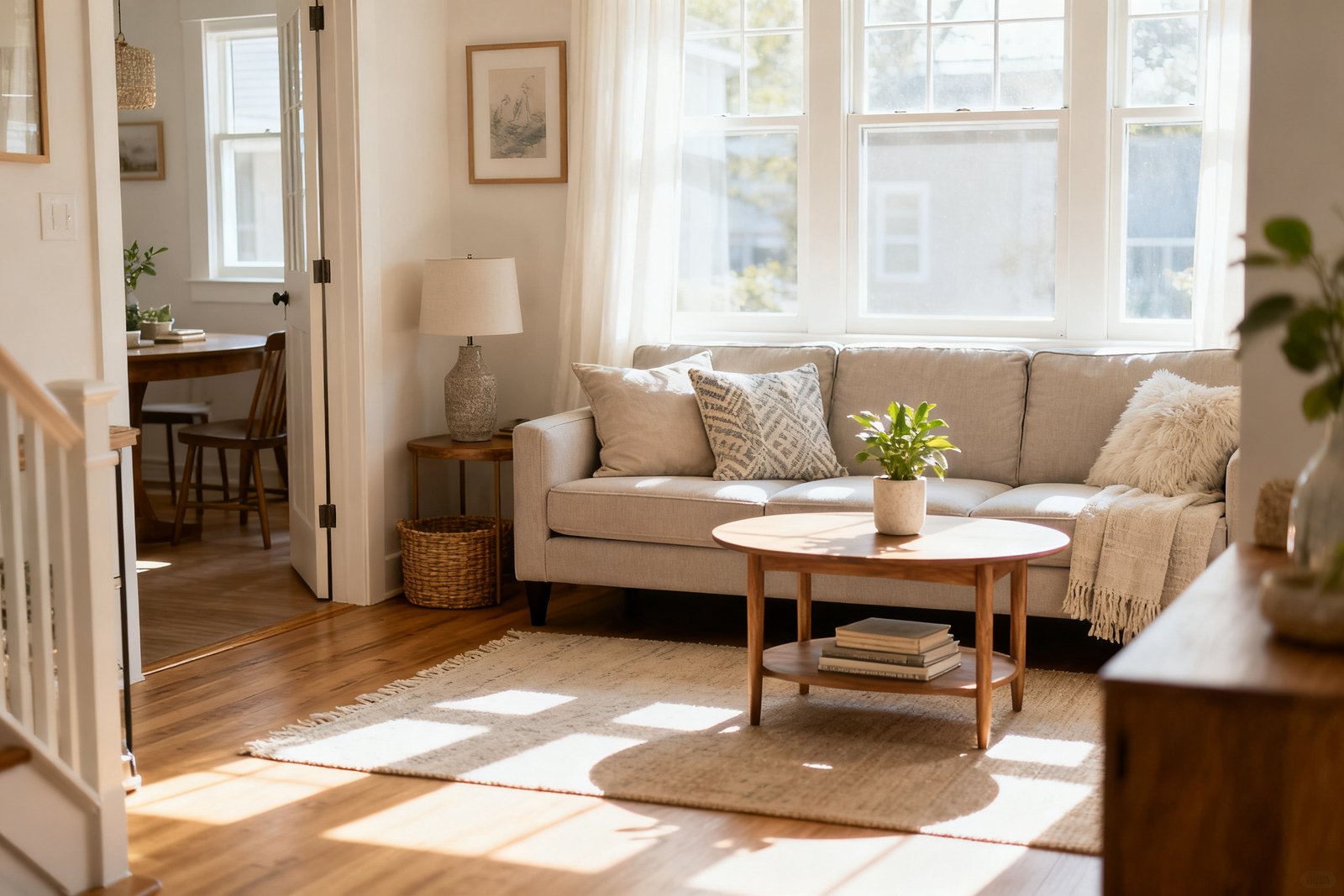
Furniture that’s narrower and a touch taller often looks better than short and bulky. Keep the line of sight to windows as open as possible to make the room feel larger. This means lower backs on pieces placed near windows and taller storage pushed to corners or against solid walls.
Shapes that help
- Round or oval tables prevent hip bumps in tight walkways.
- Curved-front storage (like a demi-lune console) near entries softens tight turns.
- Rectangular sofas with straight arms maximize seating in minimal width.
Glass and acrylic tables visually “disappear,” but if fingerprints drive you nuts, go for light wood or cane. Mirrored or high-gloss finishes bounce light, but use sparingly to avoid glare.
Use Vertical Space Without Overloading
When floor space is scarce, go up. Floating shelves, tall bookcases, and wall sconces save square footage. The trick is to keep them narrow and leave breathing room between pieces.
Vertical strategies
- Floating shelves: mount 10-12 inches above sofa back; $15-$50 per shelf.
- Tall, narrow bookcases (24-30 inches wide): flank the TV or a window to frame the view; $60-$150 each.
- Plug-in wall sconces: skip floor lamps; $30-$90 each.
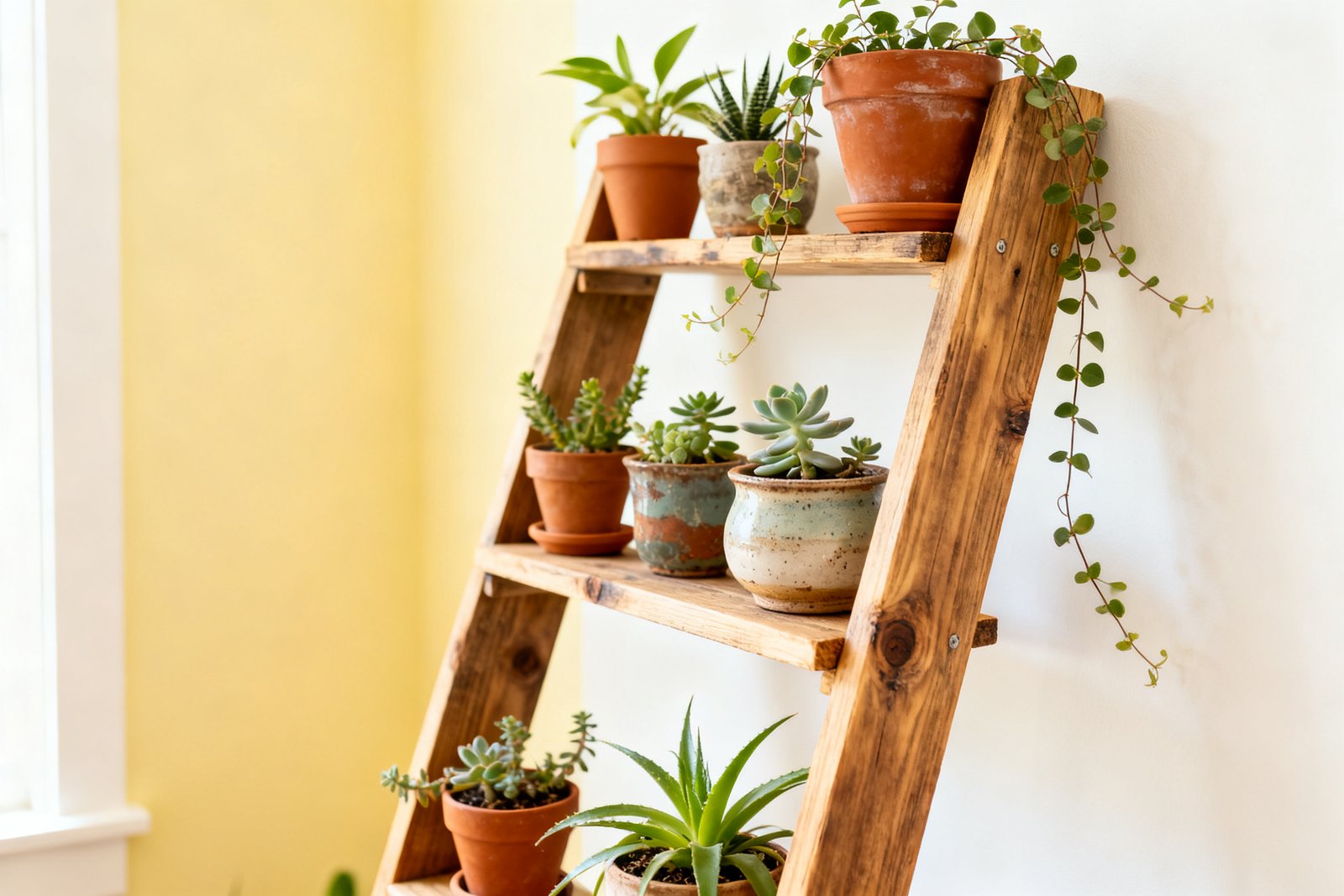
In rentals, tension pole shelves or leaning ladders add storage with minimal holes. Use uniform baskets to corral clutter; matching bins make even open storage look tidy.
Color, Texture, and Light to “Uncrowd” the Room
Furniture color affects perceived size. Lighter, low-contrast pieces blend with walls and feel smaller; darker pieces add grounding but can read heavy. Mixing textures (linen, velvet, cane, metal) adds interest without needing larger shapes.
Simple palette plan
- Choose a wall color and match your largest piece (sofa) within 1-2 shades.
- Use wood or black metal in small doses for contrast (legs, lamp bases).
- Add color with pillows and throws that can rotate seasonally.
Layer lighting: overhead for general, a sconce or table lamp for tasks, and a small accent light to add warmth. Plug-in dimmers cost $10-$20 and instantly make a small space feel calmer at night.
A Realistic Example: 10×12 Living Room Layout
Room: 10 by 12 feet with a window on the 10-foot wall and the TV on the opposite wall. Door at one corner.
- Sofa: 72 inch apartment sofa placed on the 12-foot wall, legs showing ($350 secondhand with a $60 washable slipcover).
- Coffee table: 30×18 inch lift-top with storage ($150), 16-18 inches from the sofa.
- Chairs: Two armless accent chairs, 24 inches wide each, angled opposite the sofa ($220 for the pair on marketplace).
- Side tables: One C-table ($35) and one 12 inch round table with lower shelf ($45).
- Media: 12 inch deep wall-mounted shelf with cable box and baskets ($70 total), TV mounted above at eye level.
- Storage: Tall 28 inch wide bookcase in the corner furthest from the window, with matching baskets ($90).
- Lighting: Two plug-in sconces flanking the sofa ($70 for the pair) and a small table lamp on the round side table ($25).
This setup keeps a 36 inch main path from the door to the window, seating for five, closed storage for remotes and blankets, and clear sightlines to the window.
Mistakes to Avoid
- Buying the rug last: a too-small rug makes furniture float and the room feel choppy. Aim for at least the front legs of all seating on the rug (often 5×8 in small rooms).
- Overstuffed arms and deep seats: they eat usable space without adding seats.
- Too many small pieces: five tiny tables feel busier than two well-scaled ones.
- Ignoring delivery paths: measure stairs and doorways; many returns happen because pieces don’t fit in.
- All closed storage: a mix of closed and open is visually lighter and easier to maintain.
How to Shop on a Budget (And What to Pay)
Decide what to buy new for hygiene and structure (mattress, upholstered ottoman if you’re concerned) and what to buy secondhand (solid wood tables, bookcases, accent chairs). Inspect frames for wobble, check cushion foam for sagging, and look underneath for webbing or springs in good shape.
Typical budget ranges
- Sofas/loveseats: $200-$600 used; $350-$900 new budget brands.
- Accent chairs: $40-$150 used; $90-$300 new.
- Coffee/side tables: $20-$120 used; $50-$250 new.
- Shelving/bookcases: $15-$80 used; $50-$180 new.
- Lighting: $10-$40 thrifted lamps; $25-$90 new plug-in sconces.
Stretch your budget with slipcovers, stain-resistant sprays, and new legs or hardware. Swapping chunky legs for tapered ones can visually slim a piece for under $30.
Placement Tips That Make Space
Float at least one piece if you can—pushing everything against the walls often makes the center feel empty and circulation awkward. Keep a consistent 18-24 inches between seating and tables for easy reach. If the TV is the focal point, center the main seating on it; if not, center on a window or artwork and keep the TV slightly off-center on a swivel mount.
Quick placement rules
- Pathways: 30 inches minimum for main routes; 24 inches for secondary.
- TV viewing distance: roughly 1.5 times the TV diagonal (e.g., 60 inches for a 40 inch TV).
- Lamp height: bottom of the shade near seated eye level (42-48 inches from floor).
FAQ
Should I choose a sectional for a small living room?
A small-scale, two-piece sectional can work if it replaces extra chairs and fits your wall lengths with room for a walkway. Look for 30-34 inch deep sections, low-profile arms, and a chaise that doesn’t block traffic. If the only way it fits is by cramming it into a corner, a sofa plus a movable chair is usually better.
What rug size works best in a small living room?
In most small rooms, a 5×8 or 6×9 is the target. Get the largest rug that allows at least the front legs of all seating on it. A cohesive rug pulls pieces together so the room reads as one zone rather than scattered items.
How can I add storage without bulky cabinets?
Use a lift-top coffee table, ottomans with lids, and a slim console with baskets. Add floating shelves above eye level to keep surfaces clear. Choose closed storage for visual clutter (remotes, chargers) and open storage for attractive items (books, plants).
Is a glass coffee table a good idea?
Glass visually opens the room and shows more of the rug, which can help. If you have kids or prefer low-maintenance surfaces, try a light-wood or acrylic option with rounded corners instead. Either way, keep the footprint modest and edges soft in tight walkways.
If you want to keep going, take a look at make a small living room look bigger.
Final Thoughts
In a small living room, every inch matters—and so does every choice. Measure first, choose right-sized and multi-purpose pieces, and keep sightlines open. With a few budget-friendly swaps and smart placement, your room will feel comfortable, intentional, and clear of clutter without feeling sparse.