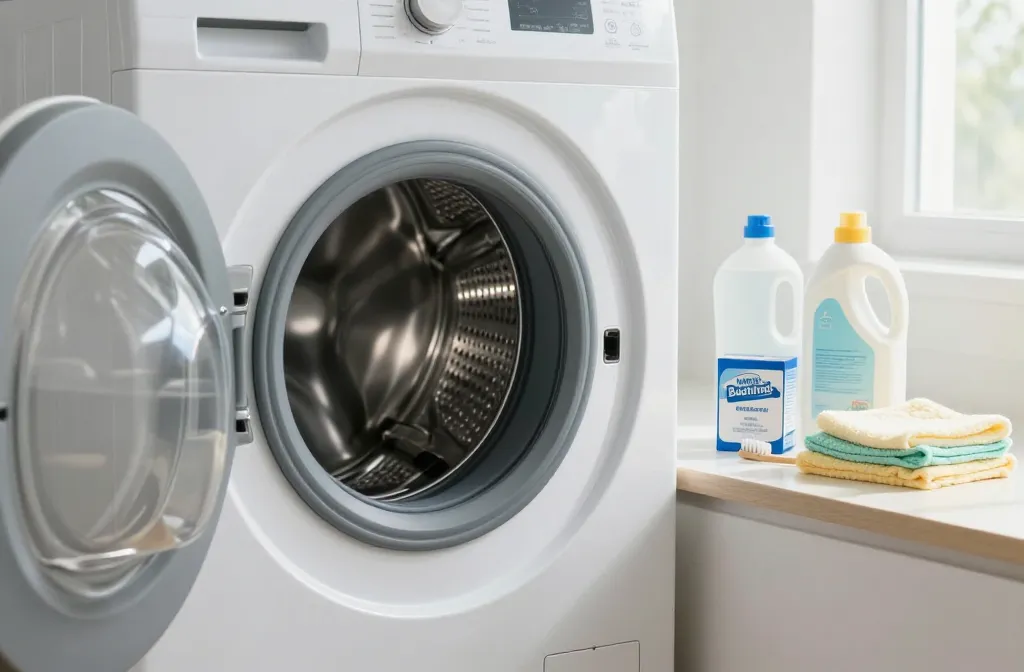

Washing machines are miracle workers—until they start smelling like a gym locker. Let’s cut the funk and keep your laundry fresh with simple household supplies. This isn’t rocket science; it’s basic maintenance you can do in a Saturday, between loads of socks and mystery stains. Ready to give your machine a spa day?
Why cleaning your washing machine actually matters
Your washer isn’t just a silver drum doing your dirty work. Detergent residue, fabric softener, and leftover lint can build up, making your clothes stink or come out with less than stellar cleanliness. A clean machine reduces mold, prevents weird odors, and keeps the drum running smoothly. FYI, a little maintenance goes a long way—no fancy cleaners required.
What you’ll need (spoiler: 3 household heroes)
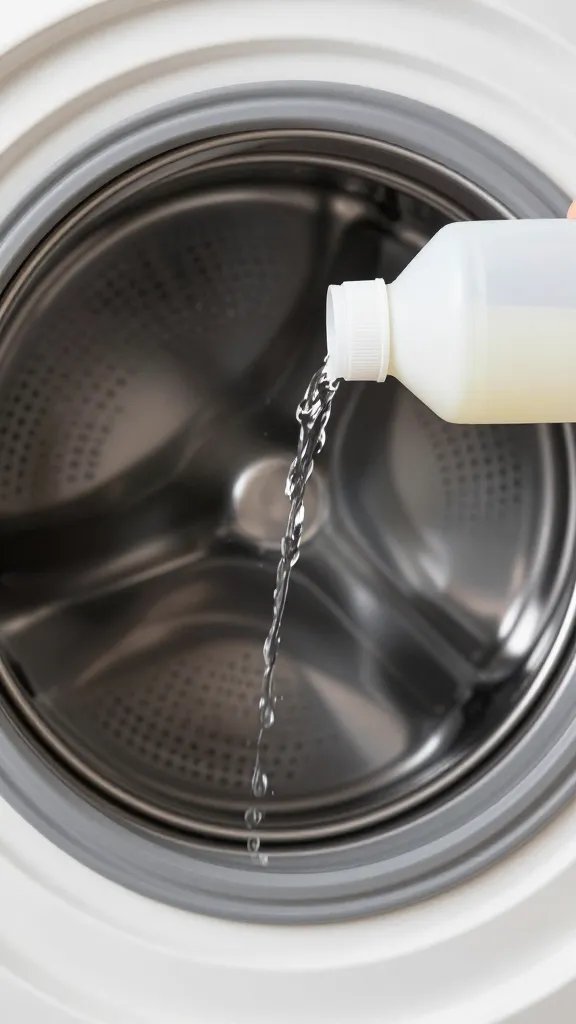
You don’t need a toolbox full of products to tackle this. Gather these simple, inexpensive items:
- White vinegar (distilled) – the softener substitute with a kick
- Baking soda – gentle abrasive that helps neutralize odors
- Dish soap – for sticky residue in the soap dispenser
- Old toothbrush or small cleaning brush – for corners
- microfiber cloths or rags – for wiping and drying
- Optional: lemon juice or essential oil for a fresh scent
Deep-clean the drum: what you should actually do
This is the heart of the process. Treat the drum like you’d treat a stubborn coffee pot—no drama, just thorough rinsing.
- Run a hot cycle with vinegar: Pour 2 cups of distilled white vinegar into the detergent dispenser and run a hot wash cycle (no laundry). The vinegar loosens mineral buildup and loosens grime.
- Wipe the drum rim and door seal: While it’s filling, grab a cloth and wipe the rubber gasket around the door. Mold loves the seam, and you’ll love the peace of mind.
- Scrub the gasket with baking soda paste: If the seal’s got crevices, mix a little baking soda with water to form a paste, then scrub gently with the toothbrush. Rinse with a damp cloth.
- Second rinse with hot water: Run another hot cycle, this time with nothing in the drum. The blast of hot water swirls away loosened gunk.
Dispenser drawers and hoses: empty the clingers-on
Detergent and fabric softener love to hide in the dispenser. They leave behind residue that can trigger clogs or odd suds.
Dispenser withdrawal and cleanse
- Remove the detergent drawer if possible and rinse under warm water.
- Use a brush to reach nooks and crannies where gunk hides.
- Wash with a drop of dish soap, rinse thoroughly, then let it dry before reinstalling.
Hose heads-up
- Check the inlet hoses for kinks or leaks as you wipe around the area.
- If you notice mineral deposits on the hose ends, soak a cloth in vinegar and rub them clean.
Boost fresh smell without a gimmick
If you’re tired of bland-smelling clothes or you just want a little zing without heavy fragrance, try these simple tweaks.
- Use less detergent: overloads can leave residue and trap it in the drum.
- Run a quarterly cleanse on hot with 2 cups vinegar and 1/2 cup baking soda.
- Add a splash of lemon juice to the wash cycle for a subtle citrus note (not too much—acid and metal can be temperamental).
What to do if you have a stubborn smell or mold
We’ve all been there—the machine stares back at you with a faint gym locker vibe. Don’t panic.
- Increase the frequency: monthly cleans if you’re hard on detergent or live in a humid climate.
- Double-dose the defense: run two hot cycles back-to-back with vinegar between them for really stubborn odors.
- Address the door seal: wipe the gasket weekly to prevent mold from setting up shop.
Getting the timing right: how long does this actually take?
Two to three cycles plus a few wipe-down sessions usually clock in under an hour. If you’re chasing a stubborn smell, you might stretch to 90 minutes, but that’s still a coffee break’s worth of time. The payoff? Cleaner clothes, fewer repeats, and less guesswork about whether your laundry actually got clean.
Maintenance habits that keep it clean longer
A few tiny habits keep your machine breezy all year.
- Leave the door ajar after cycles: air dries and stops mold from taking root.
- Use the right amount of detergent: check your machine’s guidelines and tweak if you’re in a hard-water area.
- Clean the filter if your model has one: a clogged filter can reduce efficiency and cause odors.
- Do a quick monthly wipe-down: a damp cloth and a dab of dish soap go a long way.
FAQ
Is vinegar safe for all washing machines?
Yes for most front- and top-loading machines. Vinegar is gentle and breaks down mineral buildup. If you have a high-end model with tricky seals, consult the user manual for any cautions, but you’ll usually be fine. FYI, avoid mixing vinegar with bleach—that’s a bad idea.
Can I use baking soda and vinegar at the same time?
Spoiler: not in the same cycle. They cancel each other out when combined. Do one run with vinegar, then follow up with a baking soda scrub-and-rinse. It’s a two-step clean that actually works.
What if there’s a musty smell but no visible mold?
That’s often due to trapped moisture and soap residue. Do a hot wash with vinegar, wipe the gasket, and leave the door open between uses. If it persists, run a second hot cycle with baking soda after the vinegar treatment.
Do I need special cleaners or tools?
Not really. Your kitchen basics do the trick: vinegar, baking soda, dish soap, a brush, and a cloth. If you want to go fancy, you can grab a dedicated washer cleaner, but it isn’t required.
How often should I clean my washer?
If you use it daily, a monthly wipe-down and a quarterly deep clean is solid. If you’re more casual, do a hot cycle with vinegar every 2–3 months and wipe the seal every few weeks.
Conclusion
There you go—clean, simple, and not poofing with expensive gear. A little vinegar, some baking soda, and a scrubbing brush are all you need to keep your washer happy and your clothes smelling fresh. Who knew saving your sanity (and your socks) could be so doable with everyday stuff? IMO, your future self will thank you every time you yank open the washer door and don’t get hit with a weird odor. Give it a go this weekend, and tag me with your triumphs or your favorite cleaning hacks.