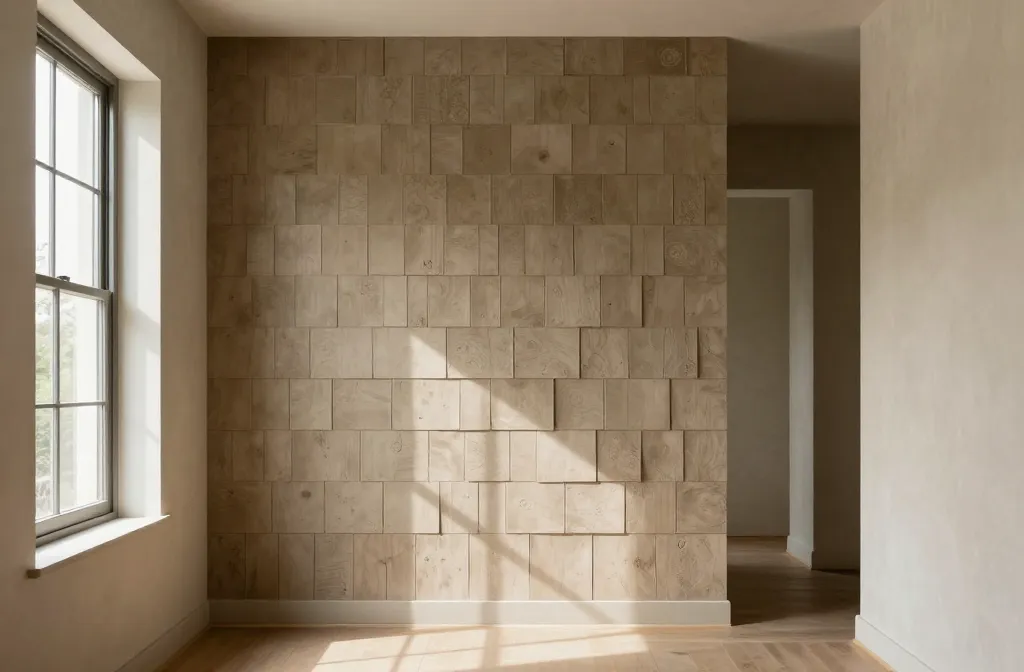

The walls in your space don’t have to whisper “blah” just because you’re on a budget. You can punch up architectural interest without priced-out contractor vibes. Think texture, shape, and a little DIY swagger. Ready to transform plain drywall into something that says, “Yeah, I live here”?
Elevate Walls Without Elevating Your Budget
Let’s be honest: good design doesn’t have to cost a fortune. You want impact, not debt. The trick is focusing on elements that create depth, rhythm, and character. Small changes add up fast. FYI, you don’t need a magic wand—just a plan and a few clever swaps.
1. Texture Wins: What to Add (And Why It Works)
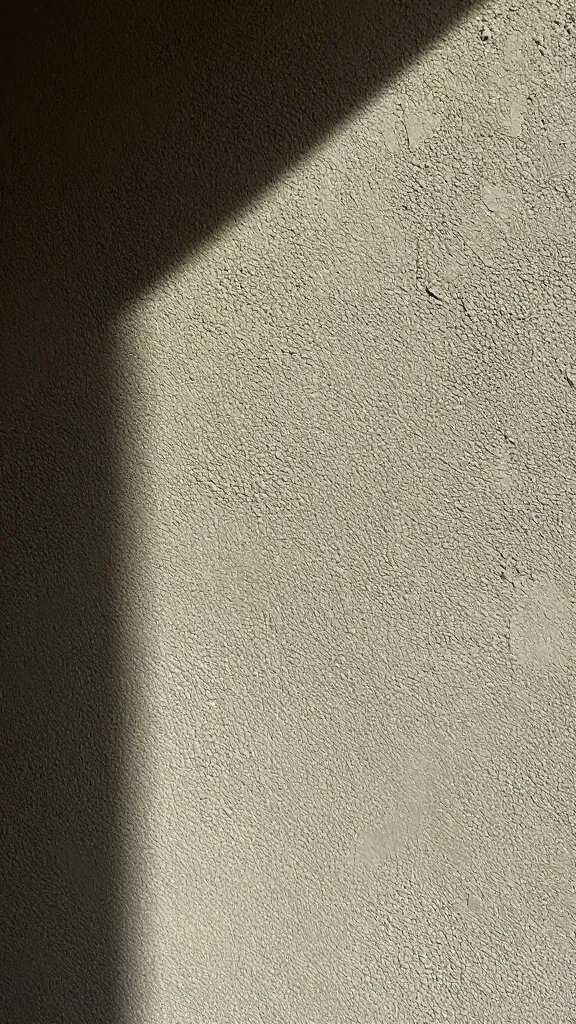
Texture creates visual interest even when you’re not changing the color. A little roughness catches light differently, and that reads as architectural polish.
Nice, basic textures you can DIY
- Stucco or Venetian plaster on a single accent wall for subtle depth
- Wood beadboard panels in a hallway or dining nook
- Shiplap or bevel-edged boards for a classic touch
- Textured wallpaper with a raised pattern (brushable or peel-and-stick options exist)
Where to place texture for max impact
- Behind the sofa or bed as a focal wall
- Entryway to set the tone as soon as you walk in
- Around alcoves or architectural niches to highlight curves
2. Bold Shapes: Use Architecture-Inspired Elements
You don’t need a remodel to achieve architectural interest. Sometimes the simplest shapes do all the heavy lifting.
Accessible shape ideas
- Trimmed panels that mimic built-ins but are lightweight and inexpensive
- Decorative molding to create frames around mirrors or art
- Geometric wall decals or decals that look like they’re carved in
Installation tips
- Measure twice, cut once—especially with stubborn trims
- Pre-paint molding before attaching to the wall for crisp edges
- Use painter’s tape to keep lines straight and clean
3. Color as an Architectural Tool
Color changes the perception of space more than you think. It can mimic depth, shadow, and structure.
Smart color strategies
- Paint the ceiling a shade lighter than the walls to add height
- Accent a recessed wall or niche with a contrasting color or a deeper shade
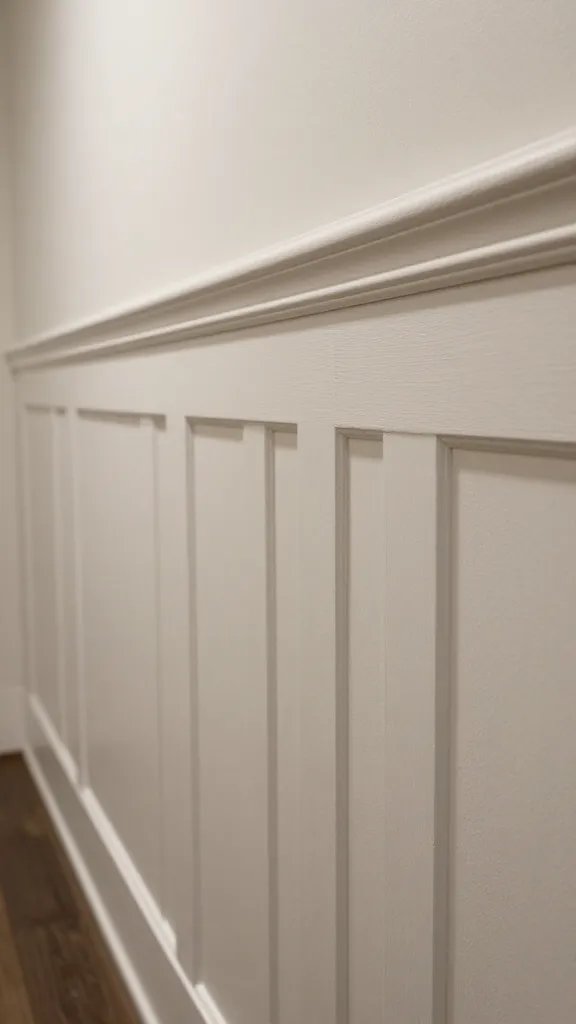
- Use two-tone walls with a chair rail or half-wall to create architectural rhythm
When to skip color and go texture instead
- If you’re renting and want to keep things reversible
- When the room already reads busy and needs calm, not more noise
4. Lighting as an Architectural Feature
Light reveals structure. A strategically placed fixture can feel like a built-in sculptural element.
Budget-friendly lighting ideas
- Wall sconces flanking a mirror or artwork to frame the space
- Track lighting to sweep across a textured wall
- Floor lamps with architectural bases to cast interesting shadows
Placement psychology
- Highlight a feature wall with uplighting to elongate ceilings
- Avoid harsh overheads; aim for layered lighting: ambient, task, accent
5. Built-Ins on a Budget: Form Meets Function

You don’t need a carpenter’s workshop to get the vibe of built-ins. Light, modular pieces can create the same effect.
Low-cost built-in vibes you can pull off
- Floating shelves arranged in a curated grid
- A shallow bookcase as a wall feature with decorative objects
- Corner shelving that frames architectural nooks
Tips for making it look intentional
- Group objects in odd numbers (3s, 5s) for balance
- Keep a consistent color or finish to unify the look
- Leave some negative space so the wall doesn’t feel crowded
6. Surfaces That Speak: Panels, Tiles, and Beyond
If you want drama, surface treatment often beats painting alone.
Simple panel options
- PVC or MDF wainscoting kits you can install in a weekend
- Thin, affordable faux brick or stone veneers for texture without bulk
Tile-ish textures on a budget
- Peel-and-stick tiles in a herringbone or vertical layout
- Mosaic tile sheets in small baths or powder rooms for a luxe touch
7. The Power of Proportions: Scale and Rhythm
Architecture is barely about what you add; it’s about how you arrange it.
Think in thirds and rhythms
- Center a focal piece on a wall and balance it with two supporting items
- Use varying widths of trim to create a rhythm that guides the eye
Small space? Big impact tips
- Mirrors opposite windows to double the light and illusion of space
- Vertical stripes or tall panels to elongate ceilings
FAQ
Is it really worth investing in textured walls or should I just paint?
If you crave depth and a tactile feel, texture is your friend. It catches light in a way paint alone can’t, giving your room personality without a full remodel. If you’re renting or on an ultra-tight budget, paint can still be a powerful, reversible move—and you can layer texture later when you’re ready.
How can I fake built-ins without a carpenter?
Go modular: floating shelves, shallow cubbies, and framed paneling can mimic the look. Use trim to outline units and a consistent color to unify the arrangement. The goal isn’t perfect carpentry but a curated, intentional display that reads as built-in to the eye.
What’s the cheapest way to add architectural charm?
Texture and lighting. A textured panel wall paired with well-placed wall sconces or track lighting can transform a flat surface into a statement. It doesn’t require heavy construction, and you can switch things up with relative ease.
How do I choose a finish that still looks cohesive?
Pick a unifying element: color family, finish level (matte vs satin), or hardware style. If you’re mixing materials, keep a shared hue or texture thread so everything feels intentional rather than randomly slapped on.
Can I tackle this in a rental?
Absolutely. Removable wallpaper, peel-and-stick panels, temporary molding, and freestanding bookcases or shelves let you craft architectural interest without damaging walls. FYI, ask your landlord first if you’re unsure about anything.
Conclusion
Plain walls don’t have to stay boring just because you’re watching pennies. By layering texture, playing with shapes, leaning on color strategically, and using lighting as a sculpting tool, you can recreate a room that feels thoughtfully designed. You’ll get that “architectural polish” vibe without hiring an all-star contractor or draining your savings.
If you’re feeling overwhelmed, pick one idea this weekend: perhaps a textured accent wall and a couple of adjustable wall lights. See how the space changes, then build from there. The secret is consistency and a bit of swagger. IMO, the wall deserves a personality of its own—and yours is the one to give it.