
A fresh-smelling home doesn’t have to come from pricey candles or synthetic sprays. With a few simple habits and low-cost materials, you can create clean, long-lasting scents naturally. Here’s how to layer cleaning, airflow, and gentle fragrance so your home smells good every day—on a budget.
Start with the Source: Remove Odors First
Fragrance won’t cover lingering smells from trash, laundry, or moisture. Spend your first dollars and minutes eliminating what’s causing the odor so any scent you add later actually works.
Quick weekly checklist
- Empty and wipe trash cans (especially the kitchen and bathrooms). Sprinkle the bottom with baking soda ($1-$2/box) and use a liner.
- Wash pet bedding and blankets. Add 1/2 cup distilled white vinegar ($2-$4/gallon) to the rinse to neutralize odors.
- Clean the sink drain/garbage disposal: pour 1/2 cup baking soda, then 1 cup hot vinegar, wait 10 minutes, flush with hot water.
- De-funk dish sponges and cloths: boil 5 minutes or microwave damp for 60-90 seconds; replace frequently.
- Launder bathroom towels and bathmats weekly; fully dry them between uses.
- Open windows for 10-20 minutes when weather allows to clear stale air.
Target moisture (major odor trigger)
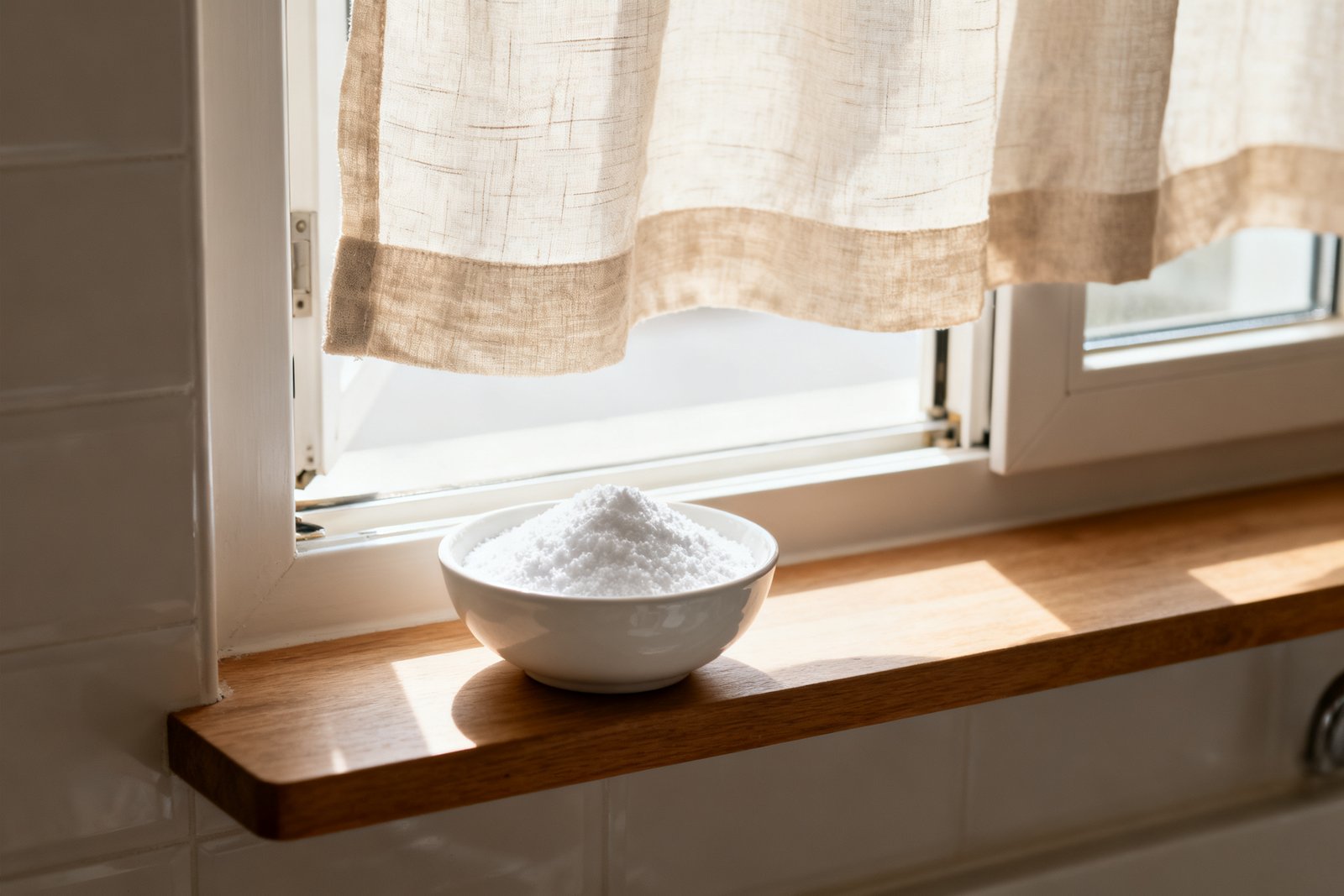
Odors cling to humidity. Run the bathroom fan during and 20 minutes after showers. If closets smell musty, place a cup of baking soda or a small bag of charcoal in the corner and avoid overpacking so air can circulate.
Use Natural, Low-Cost Deodorizers
For more ideas, see our guide on how to easy eco-friendly cleaning tips.
These absorb smells rather than masking them, and most cost just a few dollars. Place them where odors start: the fridge, shoe storage, laundry area, pet zones, and bathrooms.
Baking soda jars
- Fill a small jar 2/3 with baking soda.
- Poke holes in the lid (or use cheesecloth and a rubber band).
- Optional: add 5-10 drops of essential oil and shake.
Replace monthly. One $2 box can fill multiple jars.
Charcoal bags
Activated charcoal pouches ($6-$12 for a multi-pack) absorb odors in closets, cars, and near litter boxes. “Recharge” them monthly by placing in direct sun for a few hours.
Vinegar bowls
To clear cooking or paint smells, set out shallow bowls of white vinegar overnight (out of reach of kids/pets). The vinegar scent fades as it absorbs other odors.
Build a Fresh Base with Fabrics and Surfaces
Love that fresh-home feeling? Take it further with our free 5-Day Budget Home Reset—five days of small, budget-friendly wins.
Textiles trap smells. A quick refresh makes the whole room smell cleaner before you add any fragrance.
Laundry boosts (budget and natural)
- Add 1/2 cup white vinegar to the rinse cycle to soften and deodorize towels and sheets.
- For musty loads, dissolve 1/4 cup baking soda in the wash water. Don’t add baking soda and vinegar at the same time in the same cycle; use one per cycle.
DIY fabric refresher spray
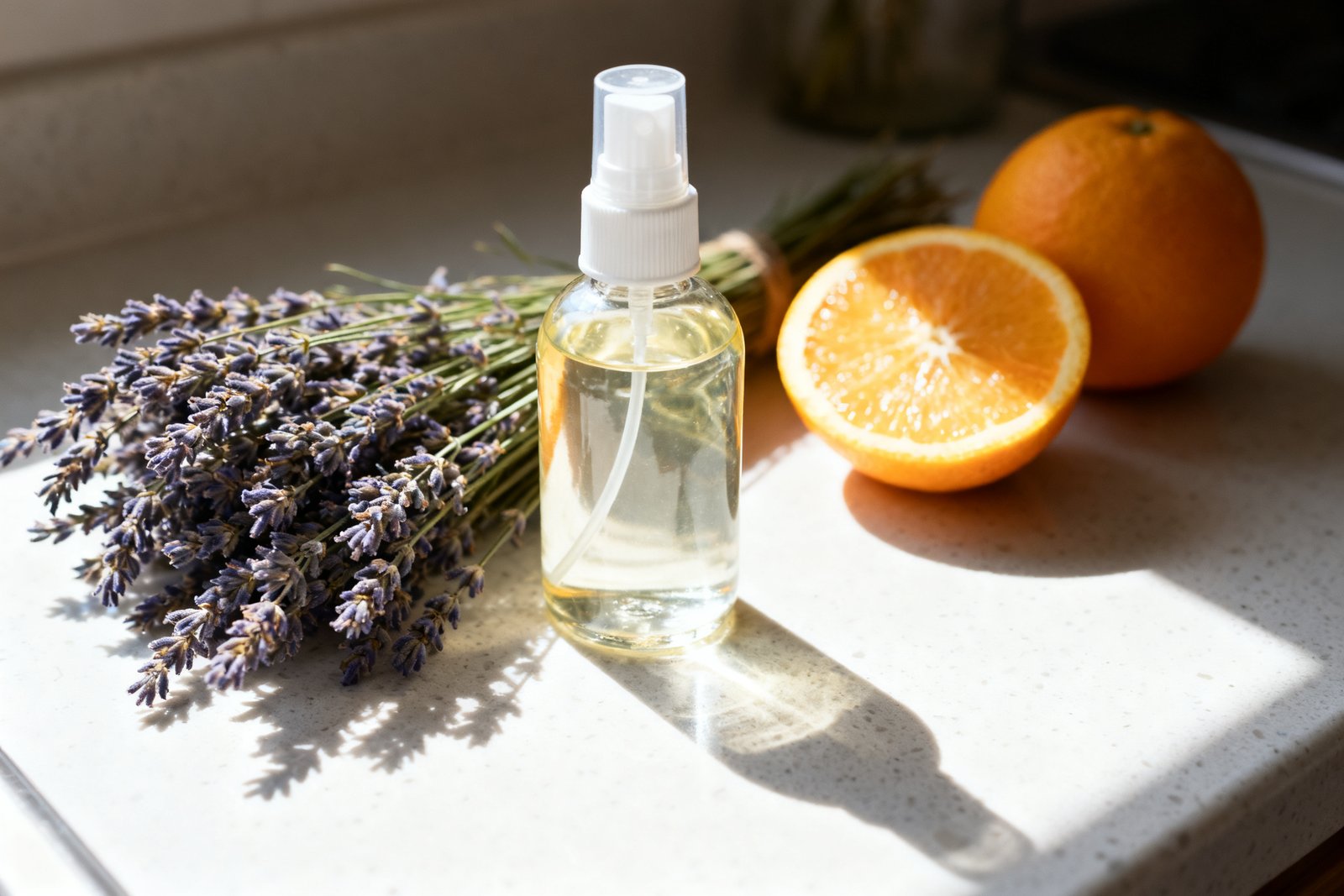
In a clean spray bottle, combine 1 cup water, 1 tablespoon vodka or rubbing alcohol (helps scent disperse), and 5-15 drops essential oil (lavender, lemon, or cedar). Lightly mist curtains, sofas, and entry rugs. Test on an inconspicuous spot first.
Mattress and rug refresh
- Mix 1 cup baking soda with 10 drops essential oil (optional).
- Sift evenly over the mattress or rug.
- Let sit 30-60 minutes; vacuum thoroughly.
Naturally Scent Your Air (No Expensive Candles Needed)
It also helps to check out keep your home clean with less effort.
Once odors are handled, add gentle, clean fragrance. Rotate scents by season so your home always feels fresh.
Simmer pots (stovetop or slow cooker)
Use what you have: citrus peels, apple cores, herb stems. Add to a pot with water and simmer on low. Keep the water topped up.
- Bright: lemon peels + rosemary + a splash of vanilla
- Cozy: orange peels + cinnamon stick + clove (a few whole cloves go far)
- Green: mint stems + lime peels + bay leaf
Cost: often free if you use scraps; whole spices are a few dollars and last many pots.
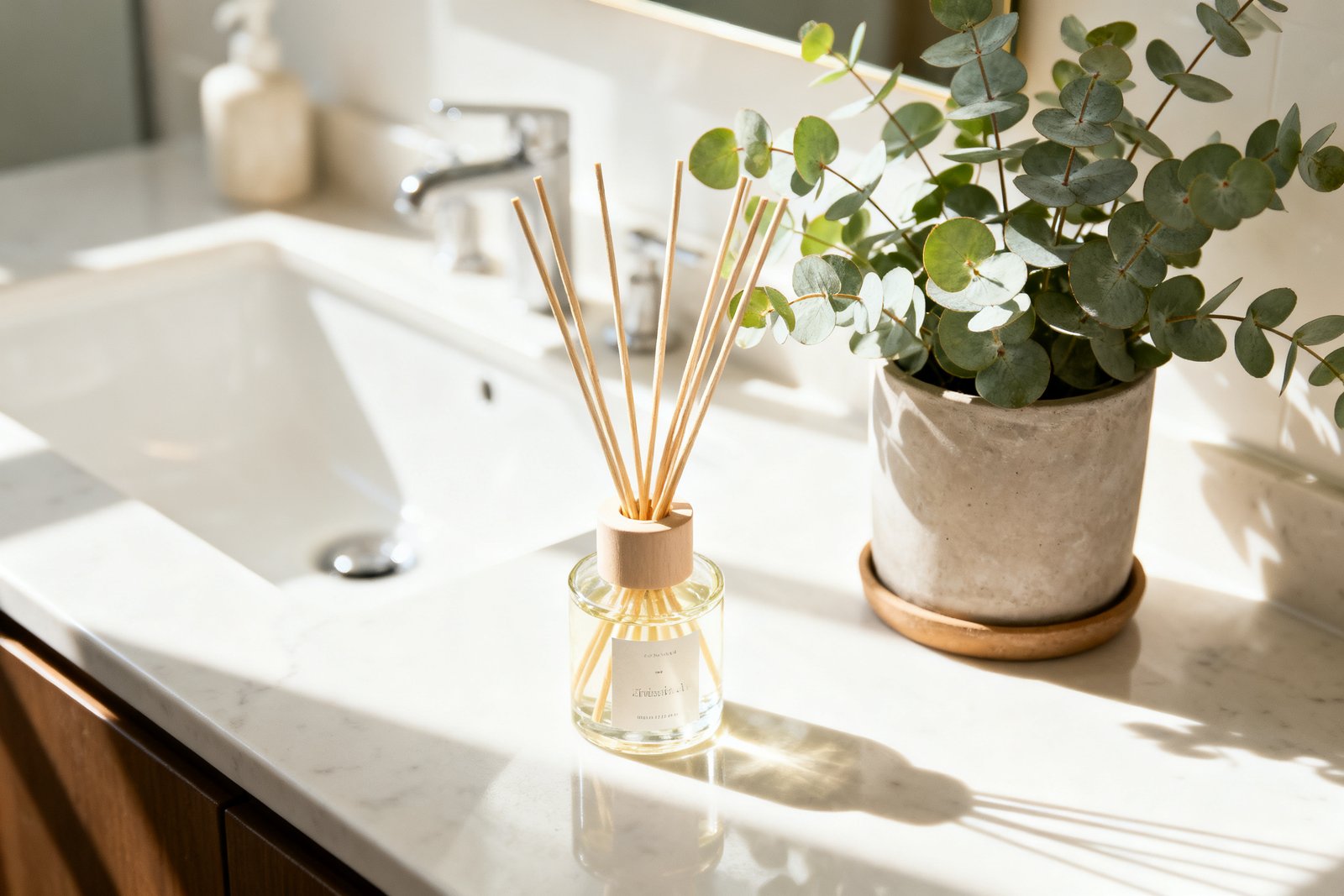
DIY reed diffuser (under $5)
- Small narrow-neck bottle or jar (thrifted or reused).
- Carrier: fractionated coconut oil, sweet almond oil, or 1:1 water and alcohol (vodka or rubbing alcohol) for better wicking.
- Add 20-40 drops essential oil per 1/2 cup carrier (adjust to preference).
- Insert bamboo skewers or rattan reeds; flip weekly.
Place on a stable surface away from pets/kids and direct sun.
Orange peel tealight
Cut an orange in half horizontally, scoop the fruit, and keep the white pithy “wick” in the center intact on one half. Fill halfway with olive oil and light the pith. It burns with a soft citrus scent for a short evening mood. Use a tray and never leave unattended.
Target High-Impact Zones
Some spots shape your home’s overall scent more than others. Focus here first for the biggest difference per dollar.
Entryway
- Shoe control: set a washable rug and a low bin for shoes. Slip a charcoal pouch into the bin.
- Quick lift: a small bowl of dried citrus peels or a reed diffuser on a console.
Kitchen
- After cooking, simmer a few lemon slices in water 10 minutes or boil a splash of vinegar; it clears lingering odors.
- Keep a lemon-ice disposal refresher: freeze lemon peel pieces in an ice cube tray with water and a pinch of baking soda. Grind 1-2 cubes weekly.
- Wipe fridge gaskets and shelves with a 1:1 vinegar-water spray; keep an open box of baking soda inside.
Bathroom
- Add a few drops of eucalyptus or peppermint oil to a cotton ball and tuck behind the toilet (replace weekly).
- Use a squeegee after showers and run the fan; moisture control prevents must.
- Keep a small spray of 1 cup water + 1 tbsp alcohol + 10 drops lavender as a natural freshener.
Bedroom
- Wash pillowcases weekly; air out the duvet in sunlight when possible.
- Place a sachet (dried lavender, cedar shavings, or coffee beans) in drawers and under the bed.
Low-Cost DIY Scent Makers
Use simple pantry and craft items to create custom scents that look nice, too.
Stovetop potpourri “pucks”
- In a bowl, mix 1 cup baking soda with 1/3 cup water to a thick paste. Add 15-20 drops essential oil and optional dried herbs or zest.
- Press into silicone muffin cups; dry 24-48 hours until hard.
- Place one in a small dish; refresh with a drop or two of oil as needed.
Cedar and lavender sachets
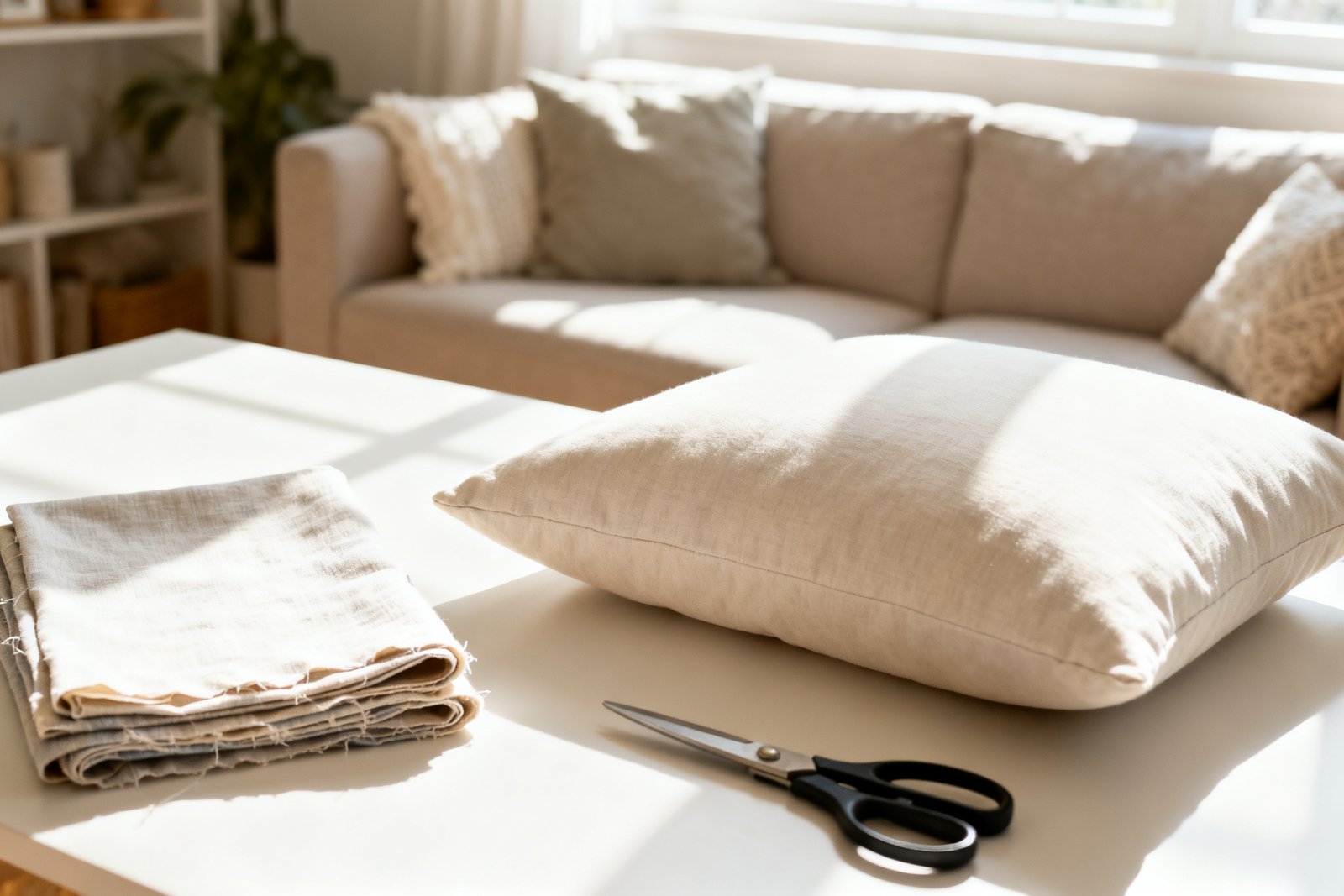
- Reuse fabric scraps or thrifted cotton napkins to sew small pouches (or use sock singles).
- Fill with dried lavender buds ($5-$10 for a small bag) or cedar shavings from a pet store ($3-$5).
- Tuck in closets, drawers, and luggage.
Gel air fresheners
- Heat 1 cup water; dissolve 1 packet unflavored gelatin and 1 tbsp salt (prevents mold).
- Stir in 10-20 drops essential oil and a few herb sprigs or citrus peel pieces.
- Pour into small jars; cool to set. Cover with breathable fabric. Lasts 2-4 weeks.
Example: One-Weekend Whole-Home Refresh (Under $25)
Say your apartment smells a little stale after winter. Here’s a realistic plan.
- Friday night ($0): Open windows 15 minutes. Boil vinegar to clear cooking smells. Empty all trash and sprinkle baking soda in bin bottoms.
- Saturday morning ($8): Buy baking soda ($2), white vinegar ($3), and a small bag of cedar shavings ($3). Start laundry: towels with vinegar rinse, pet bedding with baking soda in the wash. Refresh mattress with baking soda and vacuum.
- Saturday afternoon ($0-$5): Make a DIY fabric spray with water, alcohol, and a few drops of any essential oil you have. Simmer citrus peels and a cinnamon stick if available.
- Sunday morning ($7-$12): Thrift a small bottle and make a reed diffuser (use rubbing alcohol + water + 20-30 drops oil if you have one). Fill two baking soda jars and place in the fridge and bathroom. Tuck cedar sachets into the shoe bin and closet.
- Sunday evening ($0): Flip sofa cushions, mist curtains, and set a small bowl of vinegar in the kitchen overnight.
By Monday, the stale smell is gone, fabrics are fresher, and you have a few natural scent points that keep working.
Mistakes to Avoid
- Masking instead of fixing: Always remove the odor source before adding fragrance.
- Over-scenting: Strong oils or too many diffusers can feel heavy. Start mild; you can always add more.
- Mixing baking soda and vinegar in the same step: They neutralize each other; use them separately for best effect.
- Ignoring humidity: If your bathroom or basement stays damp, no scent will last. Ventilate and dry first.
- Leaving simmer pots unattended: Keep heat low and water topped up, or use a slow cooker.
- Using oils directly on fabrics: Always dilute and spot test to avoid stains.
FAQs
Are essential oils safe to use around pets?
Some essential oils can be irritating to pets, especially cats and birds. Use minimal amounts, provide ventilation, and avoid placing diffusers or sachets where pets sleep or groom. When in doubt, skip oils in pet zones and use baking soda or charcoal instead.
What if I’m sensitive to scents?
Focus on odor removal and airflow: baking soda jars, charcoal pouches, regular laundry, and window time. If you want a hint of scent, try simmering plain lemon peels or use a single drop of lavender in a full spray bottle for a very light effect.
How long do DIY diffusers last?
Homemade reed diffusers typically scent for 2-6 weeks depending on oil amount, carrier, and room airflow. Flip reeds weekly. If the scent fades, top off with a few more drops of essential oil.
What’s the cheapest way to make a room smell good fast?
Open a window for 10 minutes, set out a small bowl of vinegar to absorb odors, and simmer citrus peels on the stove. If you have baking soda, sprinkle a little on rugs, wait 15 minutes, and vacuum. Total cost: usually $0 using what you already have.
If you want to keep going, take a look at decorate with plants on a budget.
Final Thoughts
A great-smelling home comes from simple habits: remove odors, control moisture, and then add light, natural fragrance where it counts. With a few pantry staples and a couple of small DIYs, you can keep rooms fresh every day without spending much—or covering the air in heavy perfumes.