
The spice cabinet is the blink-and-you-miss-it ninja of the kitchen: it should amplify flavor, not steal counter space. If you’ve opened a cabinet only to find a sea of jars tumbling out, you’re not alone. Let’s get you organized so you actually use what you have and stop buying duplicates you’ll never see again.
Audit, then decide: what actually belongs on the shelf
Take everything out and lay it on the counter like a little spice parade. Quick gut check: which jars smell like a party and which smell like a sad librarian? Remove expired items with zero hesitation—old spices lose potency faster than your patience for clutter. Group what you have by category: baking spices, savory herbs, chili peppers, rubs, and salts. This isn’t just tidying up; it’s data collection for a smarter cabinet.
Choose a layout that fits your space and your life
There are a few routes, and the right one depends on your kitchen realities:
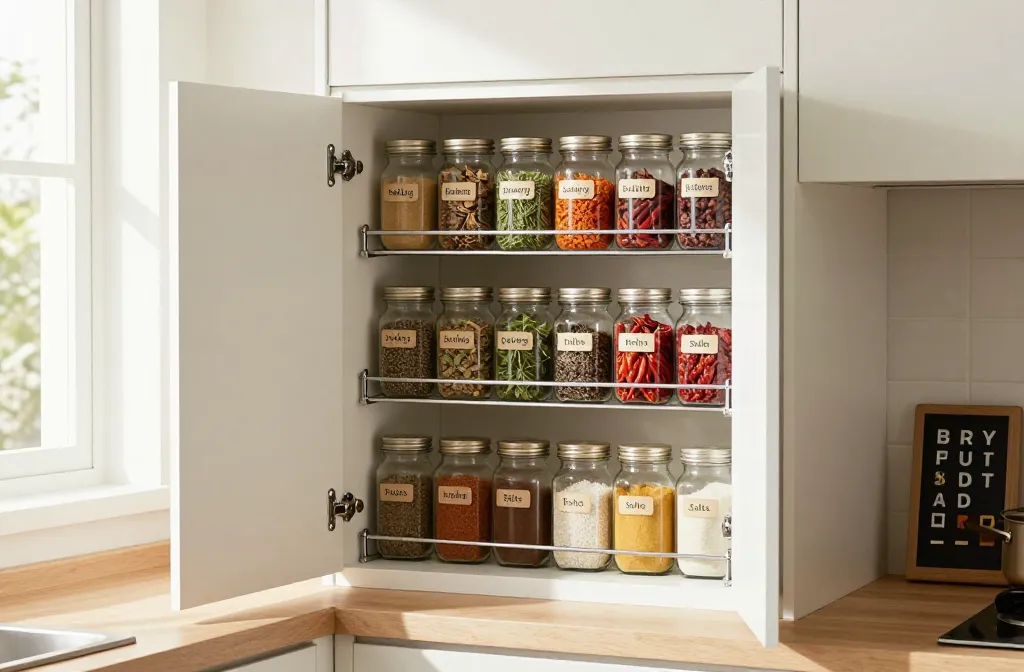
- Door rack or slim pull-out for tiny kitchens: use the door panel or a slim slide-out organizer to free shelf space.
- Clear acrylic or glass jars with uniform lids: easy to spot, easy to stack, and you’ll never mistake coriander for cumin again.
- Labels that actually stay on: invest in durable labels or a chalkboard label system so you don’t reinvent the wheel every week.
If you’re short on vertical space, vertical racks are your new best friends. If you’ve got a wide shelf, consider a two-tier rack so you can see every jar at a glance without tipping.
Standardize containers and naming conventions
Uniform containers = instant order. Decide between two options and stick with it:
- Uniform jars with uniform lids and clear plastic or glass—classic and reliable.
- Specialized labeling for blends and salts—keep your “everything bagel” mix from turning into “everything but the bagel” disaster.
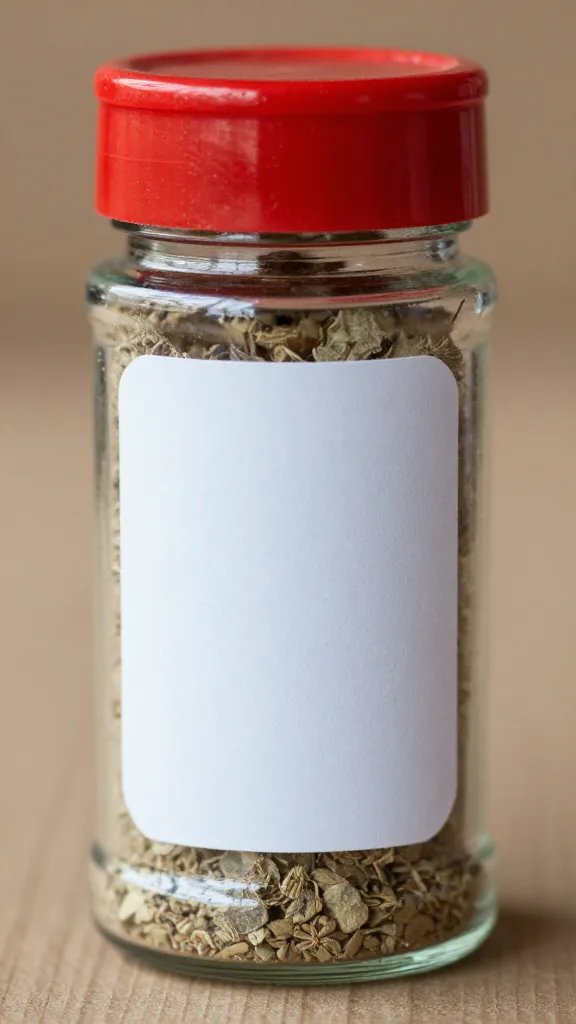
Labeling tips:
– Place the label on the top of each lid or on the front for quick visibility.
– Include the main spice name and a date if you repurpose jars (to monitor potency).
– For blends, add a tiny note about the base spice if it isn’t obvious (e.g., “cumin-heavy blend”).
Prioritize visibility: what to keep front and center
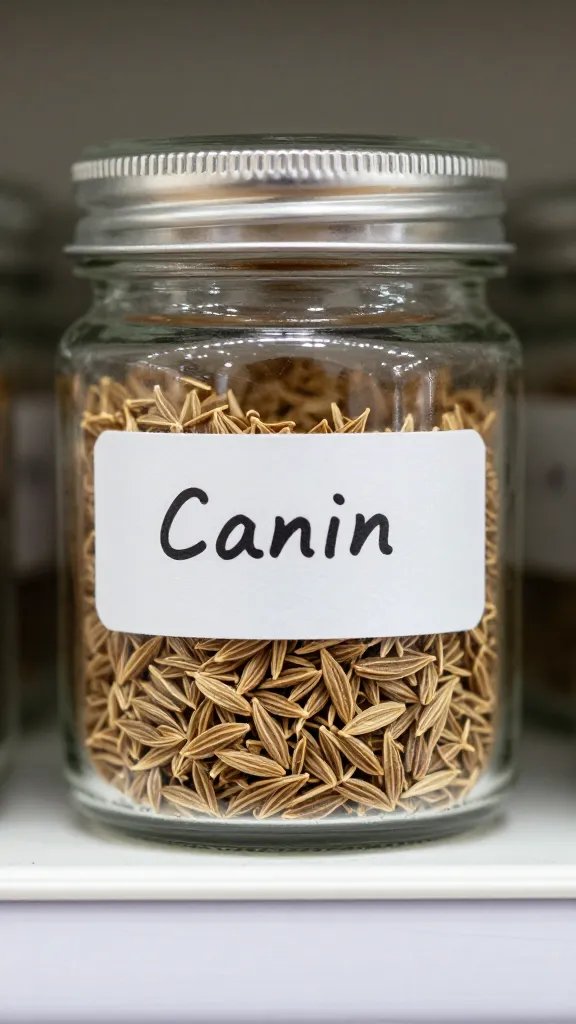
Your brain loves quick wins. Make it easy to grab what you actually use.
Top drawer or top shelf picks
If you reach for garlic powder every morning, put it at eye level. The same goes for pantry staples you reach for during meal prep.
Favorites vs. fads
Keep daily-use spices within arm’s reach. Put experimental blends in a back corner or in a labeled bin so you don’t derail your routine with a questionable “moon dust” seasoning you’ll forget about in six months.
Rotation system: maintain momentum, not mess
A good system isn’t a one-off swap; it’s a living process.
- Monthly check-ins to assess potency and pop out old jars.
- Seasonal updates for new recipes or cravings (think: paprika in autumn, coriander fresh in spring).
- One-in, one-out rule for duplicates—if you buy a replacement, retire the oldest jar if it’s clinging to the last wisps of scent.
If you hate cleaning, the “one-in, one-out” rule will practically save your future self a headache.
Smart storage hacks that actually save space
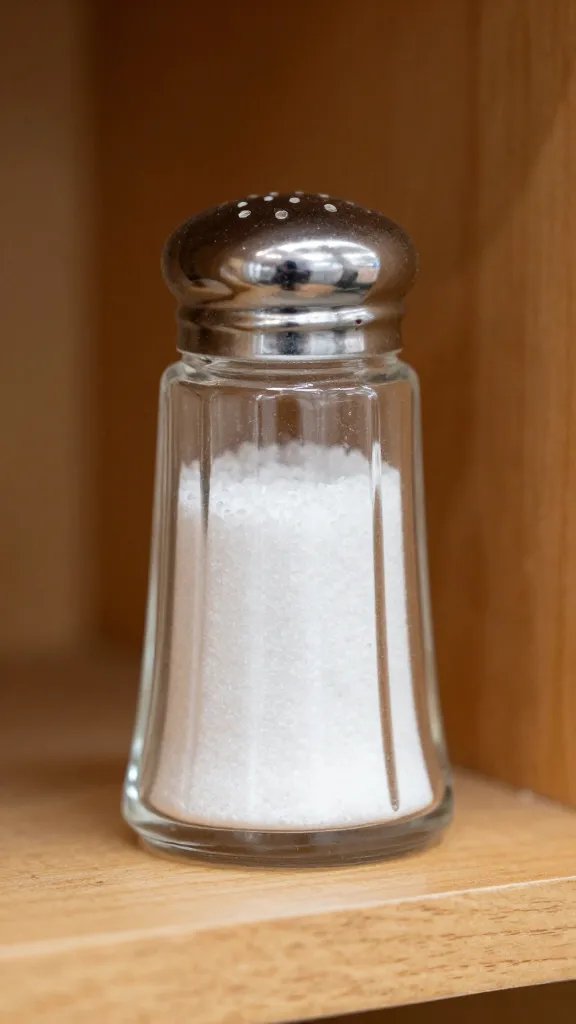
Let’s level up beyond the obvious.
- Stackable risers turn one shelf into two. Great for herbs that you use frequently but seem to live at the back of the cabinet.
- Declutter by function: group by use case—cooking, baking, finishing touches—and store accordingly.
- Over-the-door solutions for tiny kitchens that refuse to give you more wall space.
- Magnetic tins on the fridge or a magnetic strip on the wall—perfect for cinnamon sticks or tiny jars if you’re short on cabinet real estate.
FYI, you don’t need fancy gadgets to win spice storage. A simple format that you actually use beats the shiny gadget you’ll forget about.
Deep dive: tackling whole spices and bulk buys
If you buy whole spices in bulk, you’ll save money and keep flavor vibrant longer. Here’s how to handle them without chaos.
Whole vs ground
– Whole spices keep better potency; grind as needed.
– Ground spices are convenient, but they lose aroma quickly; buy fresh and store in airtight jars away from light and heat.
Grinding on the fly
– A compact spice grinder or a mortar and pestle makes a big difference. Grind what you’ll use in the next week or two.
Seasonal checks and sentimental favorites
Some spices just feel comforting, even if you don’t use them every week. Those go in an easy-to-reach spot for quick access when you’re feeling nostalgic or inspired.
- Keep a small “nostalgia shelf” for flavors you reserve for holidays or family recipes.
- Rotate in new flavors with a mini challenge: try one new spice every month and retire something older you haven’t touched.
Safety and longevity: keeping flavors at their best
Spices don’t spoil in the same way as dairy, but they do lose potency. Here’s how to keep them potent.
- Store away from heat, light, and moisture—avoid the cabinet above the stove unless it’s well ventilated.
- Keep containers airtight and topped up to minimize exposure to air.
- Label with purchase or opening dates if possible, so you know when to refresh.
Now and then, give your cabinet a little sniff test. If it smells like nothing at all, it’s probably time to replace it. FYI, you’ll thank yourself later.
FAQ
How do I start if my cabinet is a disaster?
Start with a quick clean sweep: pull everything out, wipe shelves, and sort by category. Create a “daily use” pile, a “backup” pile, and a “donate or recycle” pile. Put daily-use items back in front, and you’re already winning.
What if I have limited vertical space?
Use door-mounted organizers, slim pull-out trays, and stackable risers. Consider a magnetic strip for small jars or tins and a compact rotating rack to maximize every inch.
How often should I replace spices?
Whole spices stay potent longer than ground ones. As a rough guide, replace whole spices every 3-4 years and ground spices every 2-3 years, but trust your senses: if it doesn’t smell strong, it’s time.
Are labeled containers really worth it?
Yes. Labels save minutes every day and prevent duplicate purchases. Clear containers help you see contents at a glance, which keeps you honest about what you actually use.
What’s a good starter kit for a tiny kitchen?
Start with a two-tier rack, a set of 6-8 uniform jars for the basics (salt, pepper, garlic powder, paprika, cumin, oregano, chili powder, cinnamon), and a small magnetic strip. Add one or two specialty blends you love as you go.
Conclusion
A well-organized spice cabinet is less drama, more flavor. When everything has a home, you actually cook more often and reach for the right jar without rummaging through a chaotic sea of lids. Start with a clean slate, pick a layout that fits your space, standardize containers, and keep the essentials front and center. You’ll save money, save time, and save yourself from the “where did I put the smoked paprika this week” existential crisis. IMO, you’ll also enjoy cooking a lot more—because finding what you need should feel easy, not like a treasure hunt.