How to Make Your Home Feel More Relaxing After a Long Day
Posted in :

After a long day, your home should help you exhale, not add to your stress. You can create a more relaxing space without spending much—small, thoughtful changes go a long way. Here’s how to dial down visual noise, soften harsh edges, and set up easy rituals that help your brain switch off.
Edit the Entry: Set the Tone at the Door
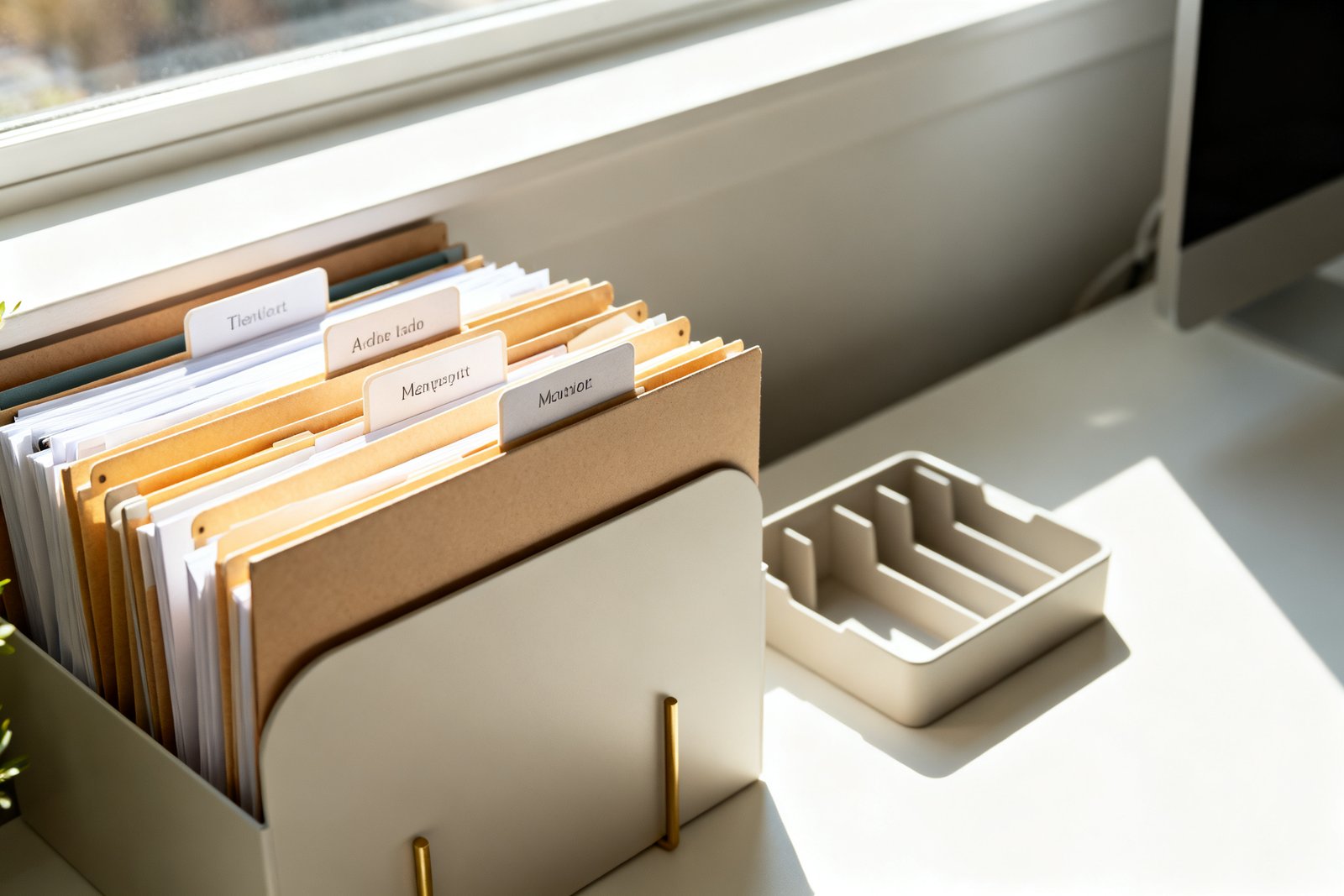
Your first 60 seconds at home shapes how the rest of the evening feels. Make your entry area calm and functional so you’re not tripping over chaos the moment you walk in.
Create a simple landing zone
- Hooks for bags and coats ($5–$20 for adhesive or wall-mounted)
- Small tray or bowl for keys and mail ($5–$15)
- Low shoe rack or mat by the door ($15–$30)
Keep one decorative piece here that makes you smile—a framed photo or a plant—so the first thing you see feels grounding, not cluttered.
Light it softly
If your entry light is harsh, swap a bulb to warm white (2700K) and consider a plug-in sconce or motion-activated night light ($10–$25). Soft light signals your body to relax while still being practical for finding your keys.
Declutter What You See First
For more ideas, see our guide on how to keep your home calm and organized.
Visual clutter keeps your brain on alert. Start with surfaces you face most evenings—coffee table, kitchen counters, and bedside table. The goal isn’t perfection; it’s to remove the “reminders of work” from your sightline.
10-minute reset routine
- Grab a basket or tote.
- Clear the coffee table: remote, cups, papers.
- Do a 60-second sweep of the sofa (blankets folded, cushions fluffed).
- Put dishes in the sink or dishwasher—don’t perfect, just reset.
- Clear nightstand: only lamp, book, water, and charging cable remain.
Use one “clutter catcher” basket in each main room ($8–$20) to hold floatsam you’ll sort weekly. For open shelving, reduce visible items to 60–70% capacity. If you can’t see breathing room, you can’t feel it.
Layer Light Like a Spa (Without the Spa Budget)
Want a home that helps you unwind every day? Our free 5-Day Budget Home Reset builds calm, one small step at a time.
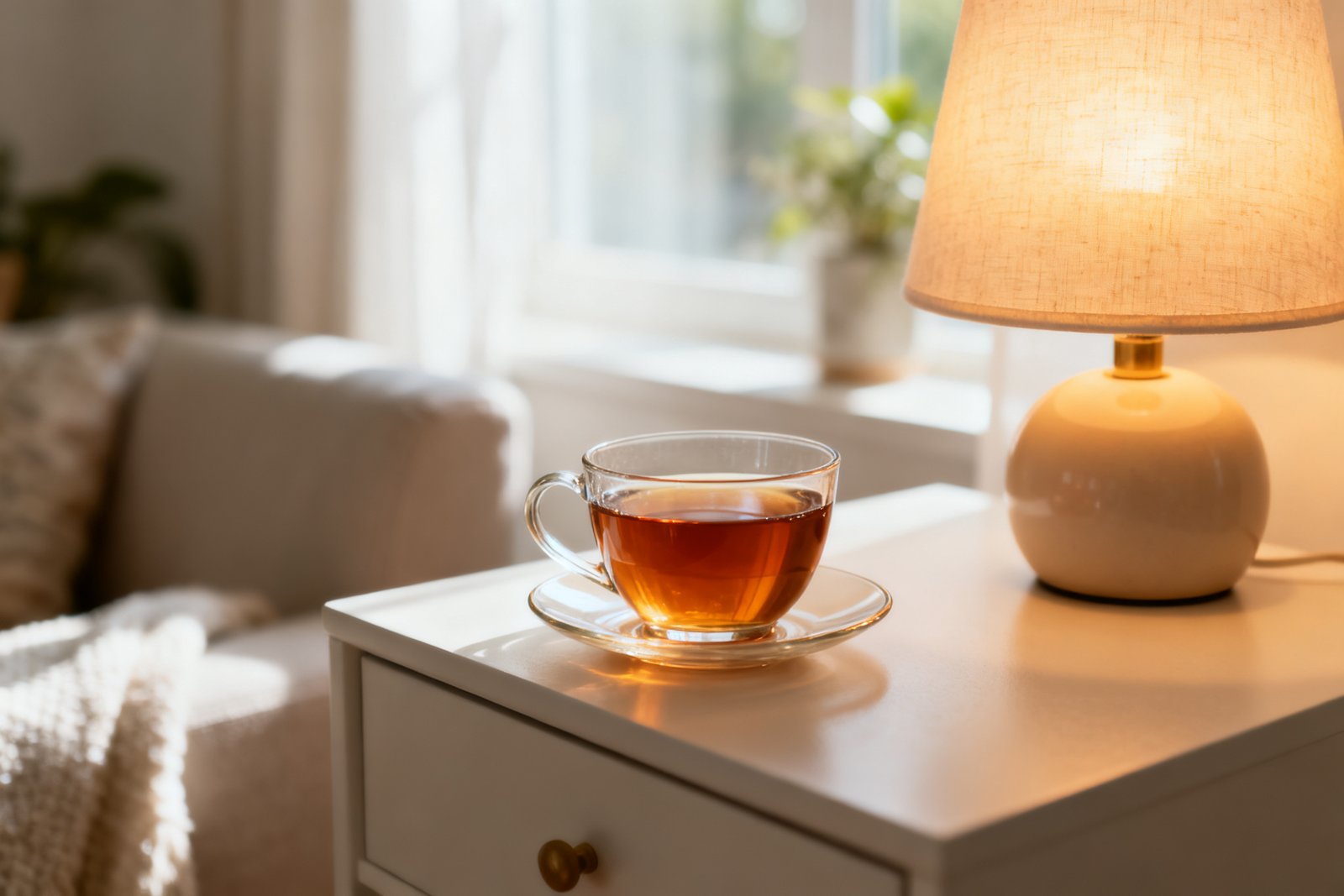
Overhead lights can feel like an interrogation after a long day. You want three layers: ambient (overall), task (reading/cooking), and accent (cozy glow). The trick is warm bulbs and multiple small light sources.
Affordable lighting swaps
- Table lamps: thrift store bases + new shades ($10–$35 total)
- Plug-in wall sconces (no hardwiring): $25–$50 each
- Battery-operated puck lights for shelves: $12–$25 per 3-pack
- Dimmer plugs for lamps: $12–$20
Choose bulbs labeled 2700K or “soft white.” If you read at night, use a focused task lamp so you can keep the rest of the room dim. Aim for at least two light sources in small rooms, three in larger ones.
Soften Touch Points: Textures That Calm
It also helps to check out create a cozy reading nook.
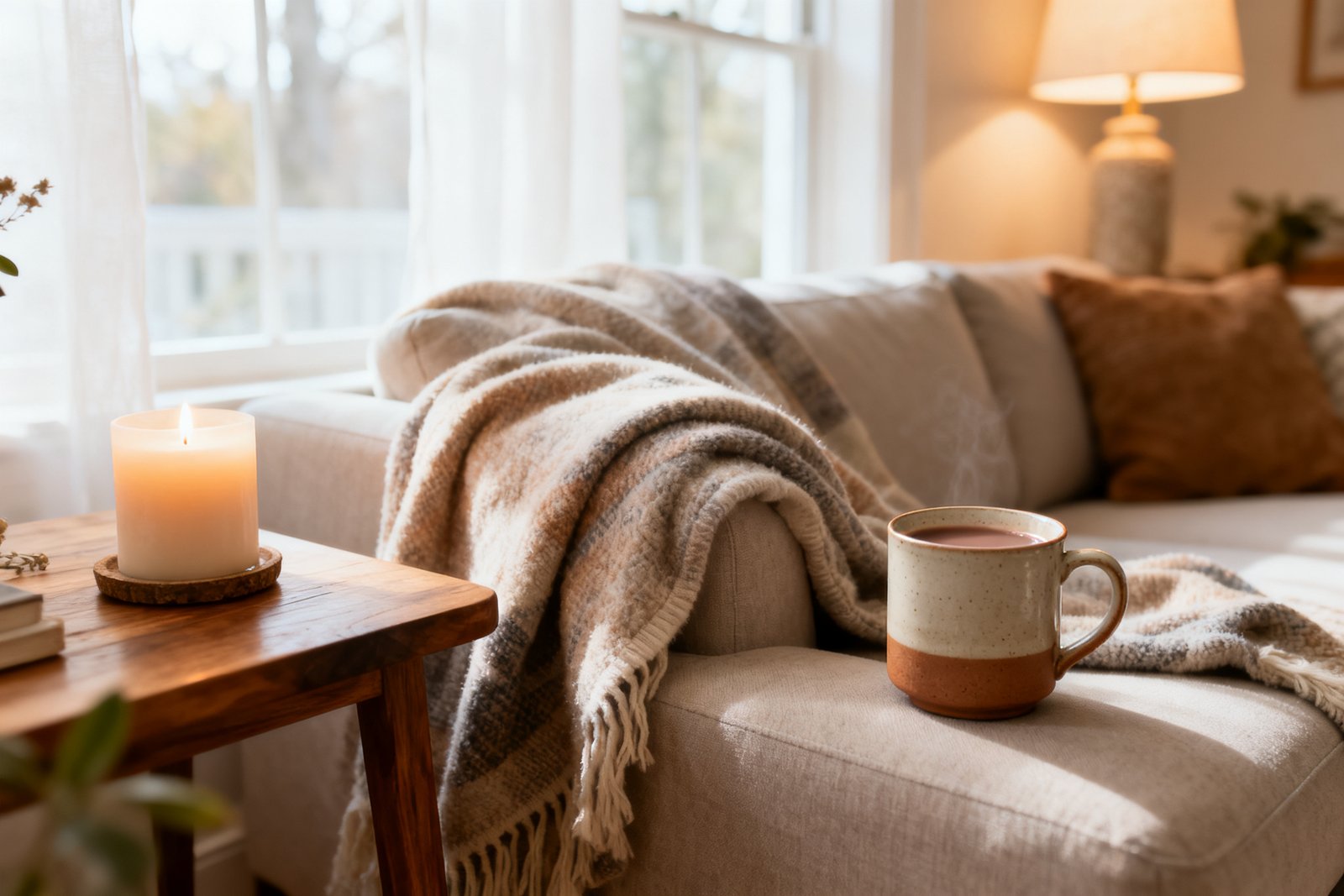
You relax faster when what you touch feels good. Focus on the items that meet your skin after work: couch throw, slippers, bed linens, and towels.
Quick texture upgrades
- Throw blanket with weight and a soft hand ($15–$40 for fleece or knit)
- Two cozy pillow covers in a washable fabric ($10–$20 each)
- House slippers with support ($15–$30)
- Bath towel set that actually dries well—look for 100% cotton, mid-weight ($25–$45 for a set on sale)
For the bedroom, wash sheets weekly and choose breathable fabric (cotton percale or microfiber if budget is tight; $18–$35 for a full set on sale). Ironing is optional; a fabric spray and a quick hand-smooth before bed help them feel fresher.
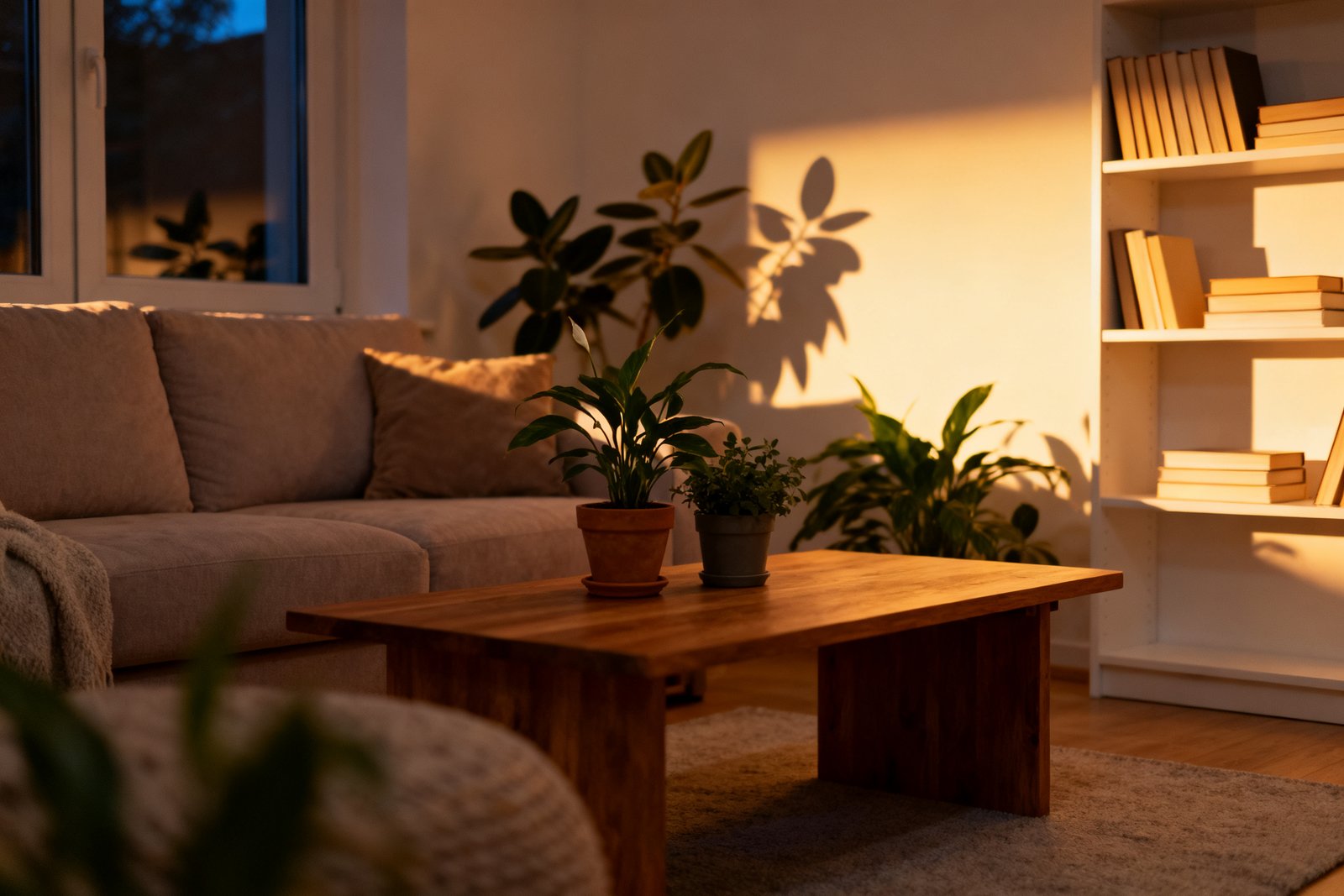
Build a Simple Evening Ritual Zone
Rituals train your brain to wind down. Designate one small area that says, “Now we rest.” This can be a chair by a lamp, a bathtub ledge, or the corner of your sofa.
Set up a wind-down tray
- Small tray or cutting board ($8–$15)
- Tea mug and herbal tea or water carafe
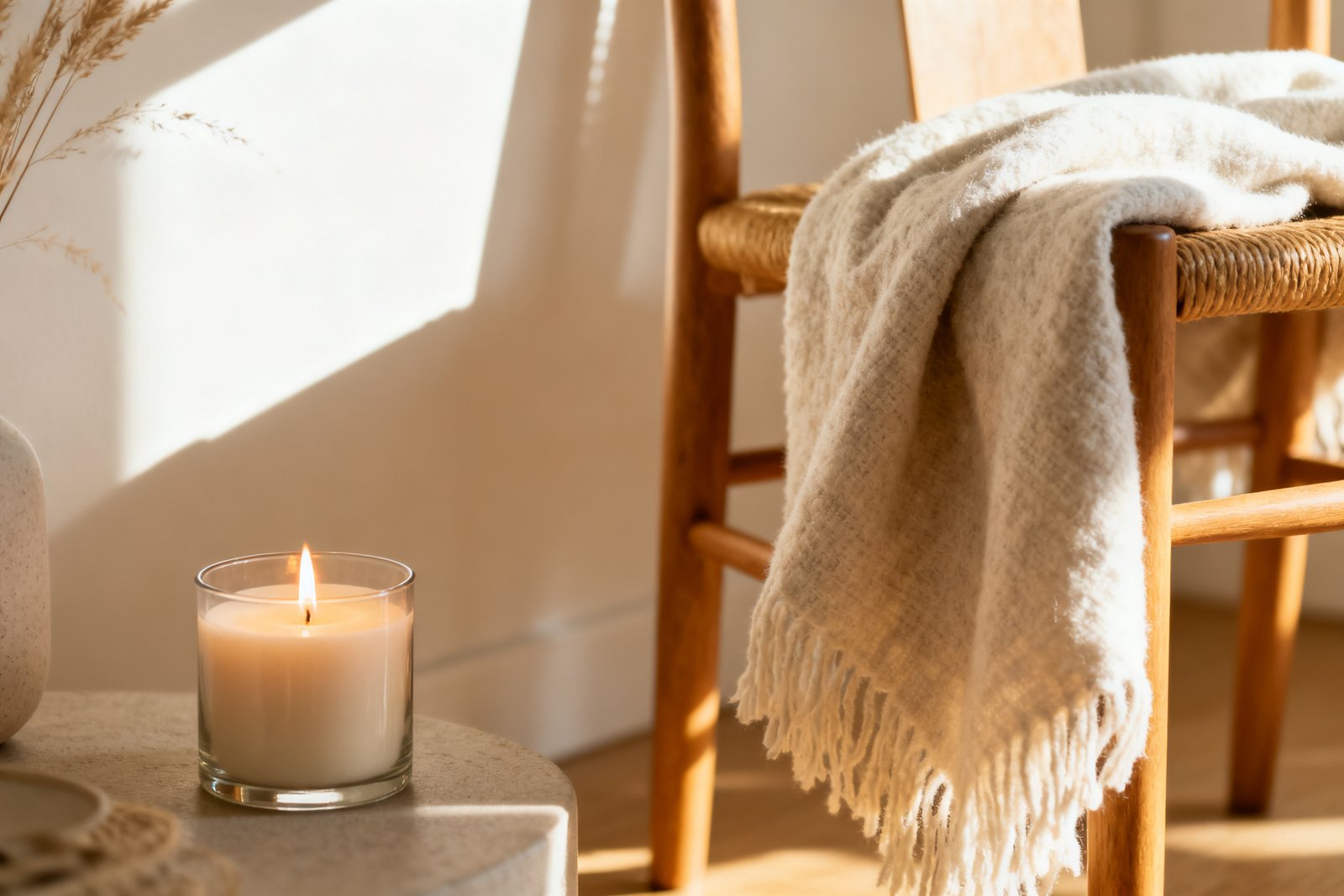
- Candle or battery candle ($5–$15)
- Notebook or book (not your phone)
- Hand cream or essential oil roller ($6–$12)
Light the candle, make a warm drink, write a few lines, and read two pages. Keep it to 10–15 minutes. Consistency matters more than length.
Manage Sound and Scent Gently
Sound and scent cues can flip your evening into a calmer mode. Keep both subtle, affordable, and easy to maintain.
Sound
- White noise or soft instrumental playlist at low volume
- Draft stoppers or weatherstripping for noisy windows/doors ($8–$20)
- Rug pads or small area rugs to dampen echoes ($20–$60)
Scent
- Simmer pot: water + orange peel + cinnamon stick on low
- Essential oil diffuser ($15–$30) with lavender or citrus; start with 1–2 drops
- Unscented options if sensitive: open a window for five minutes, use baking soda in a bowl to absorb odors
Keep scents light. If you can smell it across the room, it’s probably too strong for relaxation.
Tidy the Bedroom for Sleep, Not Show
Your bedroom doesn’t need to be styled; it needs to feel easy and dark. Prioritize light control, minimal surfaces, and breathable bedding.
Low-cost bedroom upgrades
- Blackout curtains or thermal panels ($25–$50 per pair) or DIY with curtain liners ($12–$20)
- Clip-on bedside reading light ($10–$18)
- Under-bed bins with lids for off-season clothes ($15–$30 each)
- Laundry hamper with lid ($15–$30) to hide visual clutter
Make your bed as part of your morning, and at night, do a 2-minute reset: clear nightstands, set a glass of water, place tomorrow’s clothes on a hook so your brain stops rummaging at bedtime.
Kitchen Wind-Down: Clear Just the Zone You See
You don’t need to deep clean nightly. But if your kitchen is visible from your living space, clean the area you see to avoid mental background noise.
Two-surface rule
- Wipe the counter you face from the sofa or table.
- Empty or hide the sink. If washing up feels big, stack dishes neatly and run hot soapy water over them. It will speed up tomorrow and look calmer tonight.
Keep a small caddy with dish soap, sponge, and an all-purpose spray under the sink ($10–$15 total). A 3-minute timer makes this easy to finish.
Realistic Example: A One-Bedroom Reset on $120
Jamie works 9–6 and gets home exhausted. The apartment feels loud and cluttered. Here’s what Jamie did in one weekend:
- Entry: Installed two adhesive hooks and a small key bowl ($18). Result: bags off the chair, no hunting for keys.
- Living room: Thrifted a lamp and bought a warm bulb ($20). Added a soft throw and two pillow covers ($28). Result: softer light and a couch that invites sitting.
- Clutter: Bought two baskets ($16) to catch mail and “to put away” items. Result: clear coffee table and fewer visual to-dos.
- Bedroom: Blackout curtain liner ($22) and clip-on reading light ($12). Result: darker sleep and no need for a bright overhead.
- Sound/scent: Weatherstripping for a drafty window ($12) and a simmer pot with pantry spices (free). Result: less street noise, cozy evening smell.
Total: $128 before tax, done in about 3 hours of setup. The apartment didn’t change size—just how it feels after work.
Mistakes to Avoid
- Over-scenting the space: Strong fragrances can cause headaches and feel overwhelming.
- Buying decor before reducing clutter: You can’t decorate away mess. Edit first, then add.
- Relying only on overhead lights: Add at least one lamp for softer evenings.
- Decorating every surface: Leave empty space so your eyes can rest.
- Ignoring maintenance: A calming space needs a 5–10 minute daily reset to stay that way.
FAQ
How can I make a small apartment feel relaxing without making it look crowded?
Limit visible items. Use multi-purpose pieces—like an ottoman with storage—and choose light, warm lighting. Keep surfaces 30–40% empty. Use vertical space for hooks and shelves, but style shelves sparsely and repeat colors to reduce visual noise.
What’s the fastest thing I can do after work to feel calmer at home?
Change the lighting and clear one surface. Turn off overheads, switch on a warm lamp, and clear your coffee table or kitchen counter. Those two changes take about three minutes and immediately change the mood.
I’m on a tight budget. Where should I spend first?
Start with a lamp and warm bulb, one soft throw blanket, and a couple of hooks or a tray at the entry. Those three upgrades cost roughly $40–$70 total and improve how your space works and feels every evening.
How do I keep my relaxing setup if I have kids or roommates?
Create a nightly 10-minute “house reset” everyone joins. Use labeled baskets for each person in shared spaces. Place rules where habits start—hooks by the door, snack bin by the counter—so the system is easier to follow than ignore.
If you want to keep going, take a look at make your home smell amazing.
Final Thoughts
You don’t need a full makeover to feel better at home. Focus on what you see, touch, smell, and hear in the first hour after work—entry, lighting, textures, and a tiny ritual zone. With a few low-cost changes and a short nightly reset, your space can reliably help you unwind, every day.