
In a studio apartment, every square foot works overtime. Dividing the space into clear zones helps it feel larger, function better, and stay tidier—without needing pricey built-ins. Here’s how to create smart, affordable zones for sleeping, working, lounging, and dining that suit your layout and your budget.
Start With a Simple Zone Plan
Before you buy anything, sketch a quick floor plan and decide what zones you actually need. Common ones: sleep, lounge, work, dine, and entry. You don’t need all of them—prioritize two to four based on your routine.
- Measure your space (length, width, window/door locations, outlets).
- List your must-have activities (e.g., “quiet sleep,” “video calls,” “yoga”).
- Assign each activity a spot near what it needs (light, outlet, wall, window).
- Note traffic paths from door to bed, kitchen, and bathroom—keep these clear.
- Choose one visual divider per zone (rug, screen, shelf, curtain) to avoid clutter.
Use Furniture to Build Invisible Walls
For more ideas, see our guide on how to studio apartment layout tips.
Large pieces can act as dividers when you place them strategically. This avoids buying extra screens and keeps the footprint efficient. Think in terms of backs, heights, and sightlines.
Sofa-as-divider
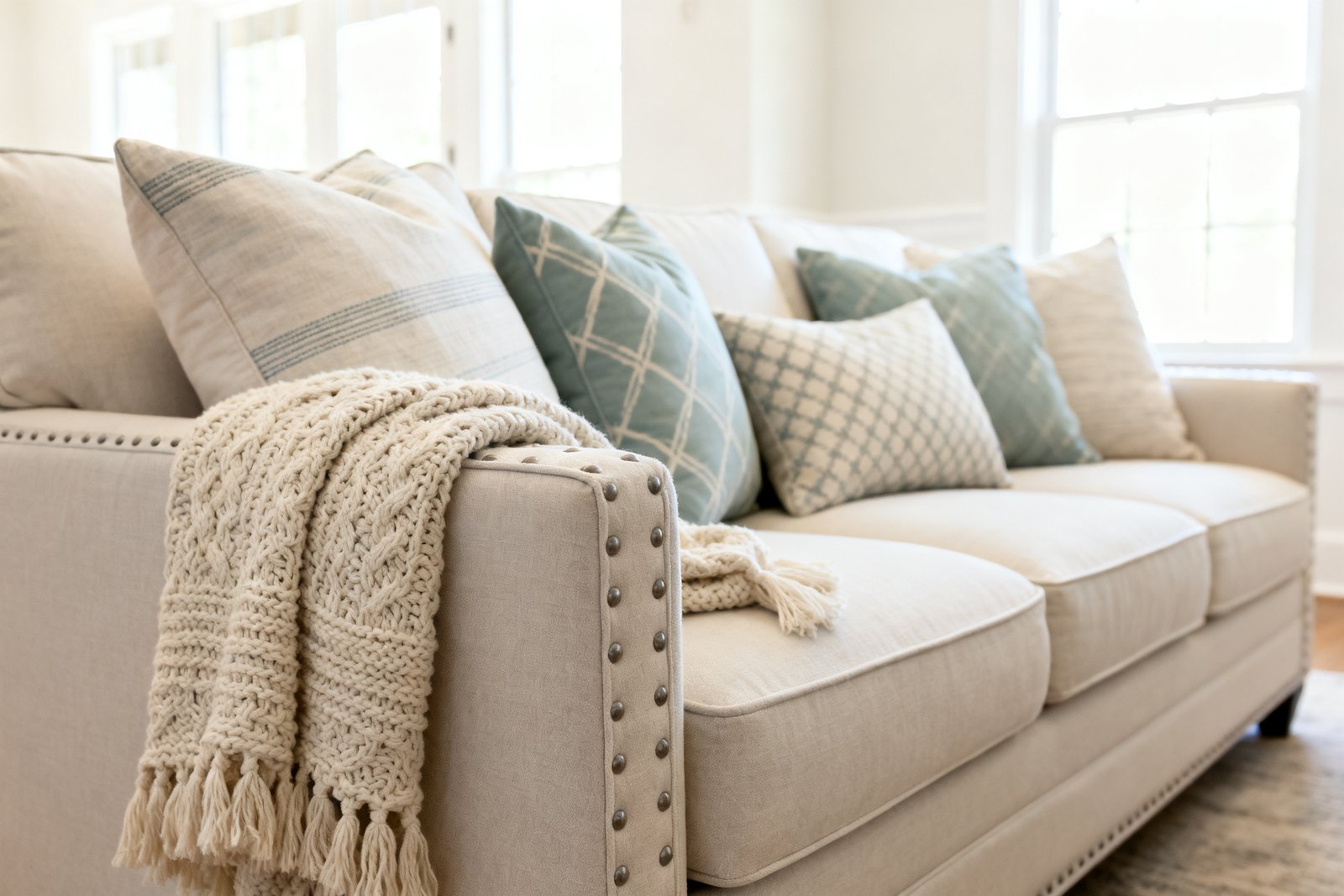
Float a loveseat or small sofa with its back to the sleeping area to separate lounge and bed. Add a narrow console table behind the sofa for storage and a defined boundary. Cost: $0 if you already own; console tables run $40–$120 new, $20–$50 secondhand.
Open shelving for breathable separation
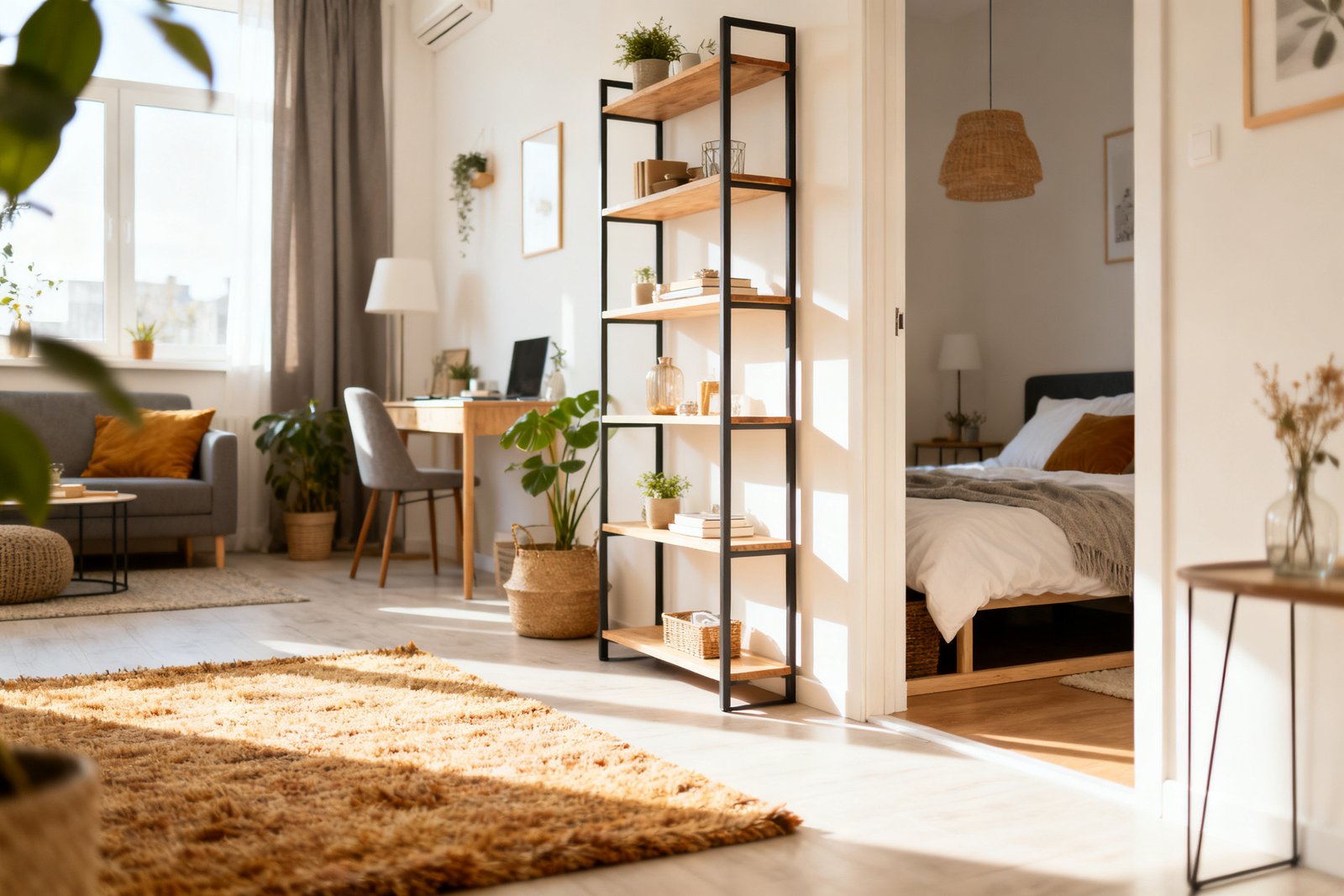
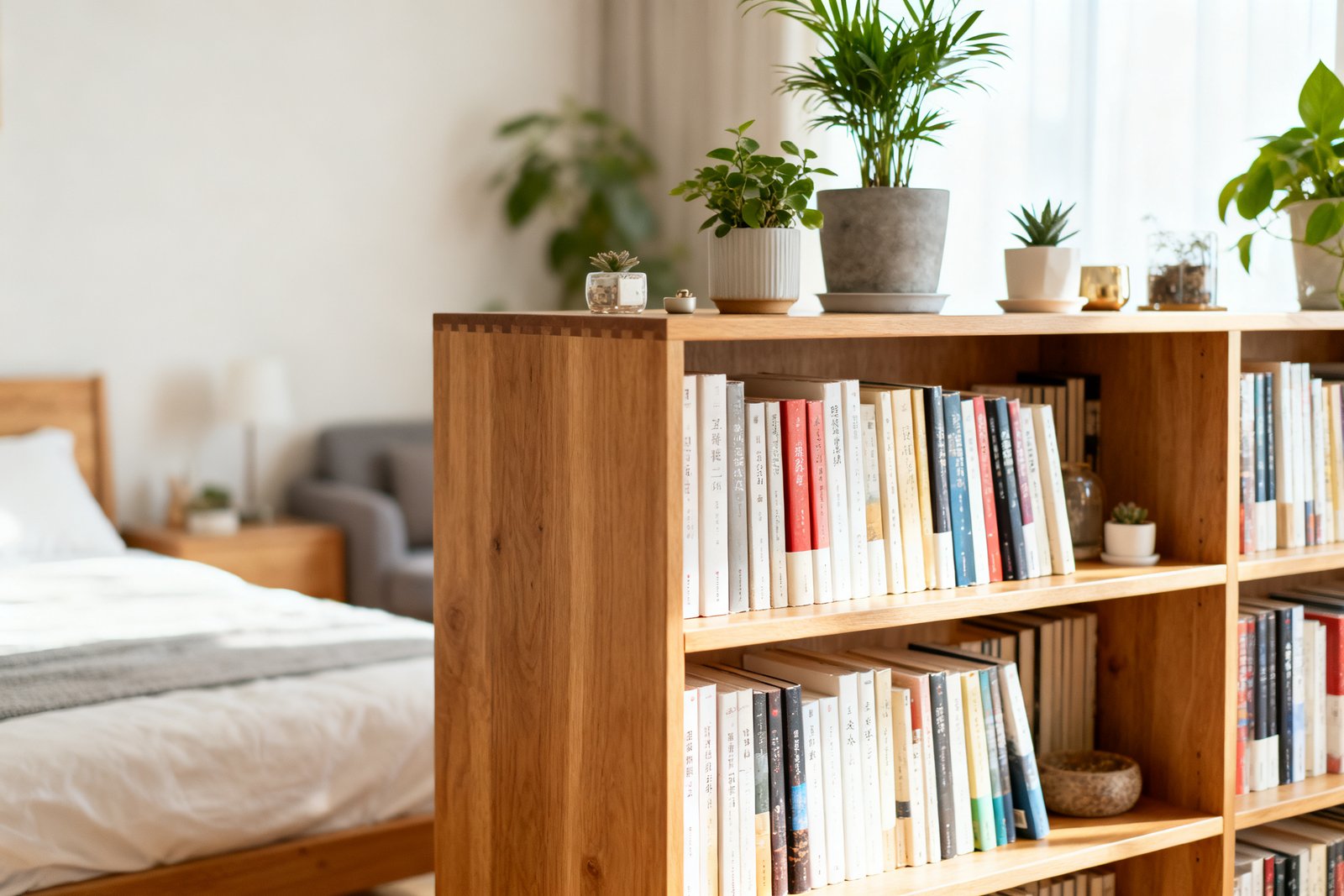
A low or open-back bookshelf creates a “wall” without blocking light. Choose 30–48 inches high so it screens the bed when sitting but doesn’t shrink the room. Inexpensive options include flat-pack shelves ($35–$100) or a secondhand cube unit ($20–$60). Anchor heavy units with furniture straps if possible.
Fold-out tables and nesting pieces
A drop-leaf table can switch a corner from “desk” to “dining” in seconds. Nesting tables let the lounge become a work zone with minimal shifting. Look for used drop-leaf tables ($30–$80) and nesting sets ($20–$50) to save space and money.
Soft Dividers: Rugs, Curtains, and Color
Setting up your studio? Our free 5-Day Budget Home Reset makes it easy with one small, budget-friendly task a day.
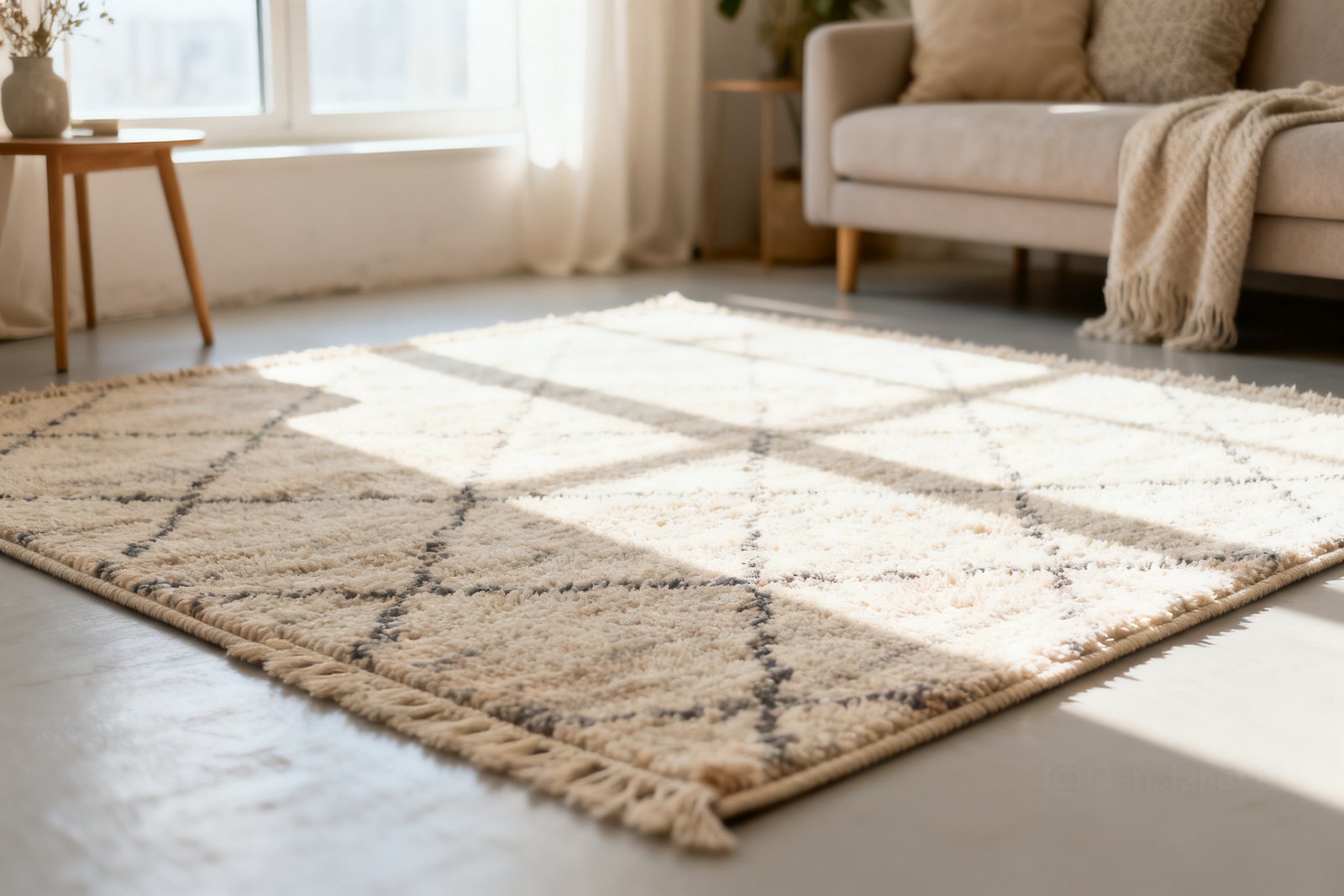
Textiles are the most budget-friendly way to carve up a single room. They add texture, absorb sound, and signal “this area is for X.” Keep palettes coordinated so the studio still feels cohesive.
Rugs to map each zone
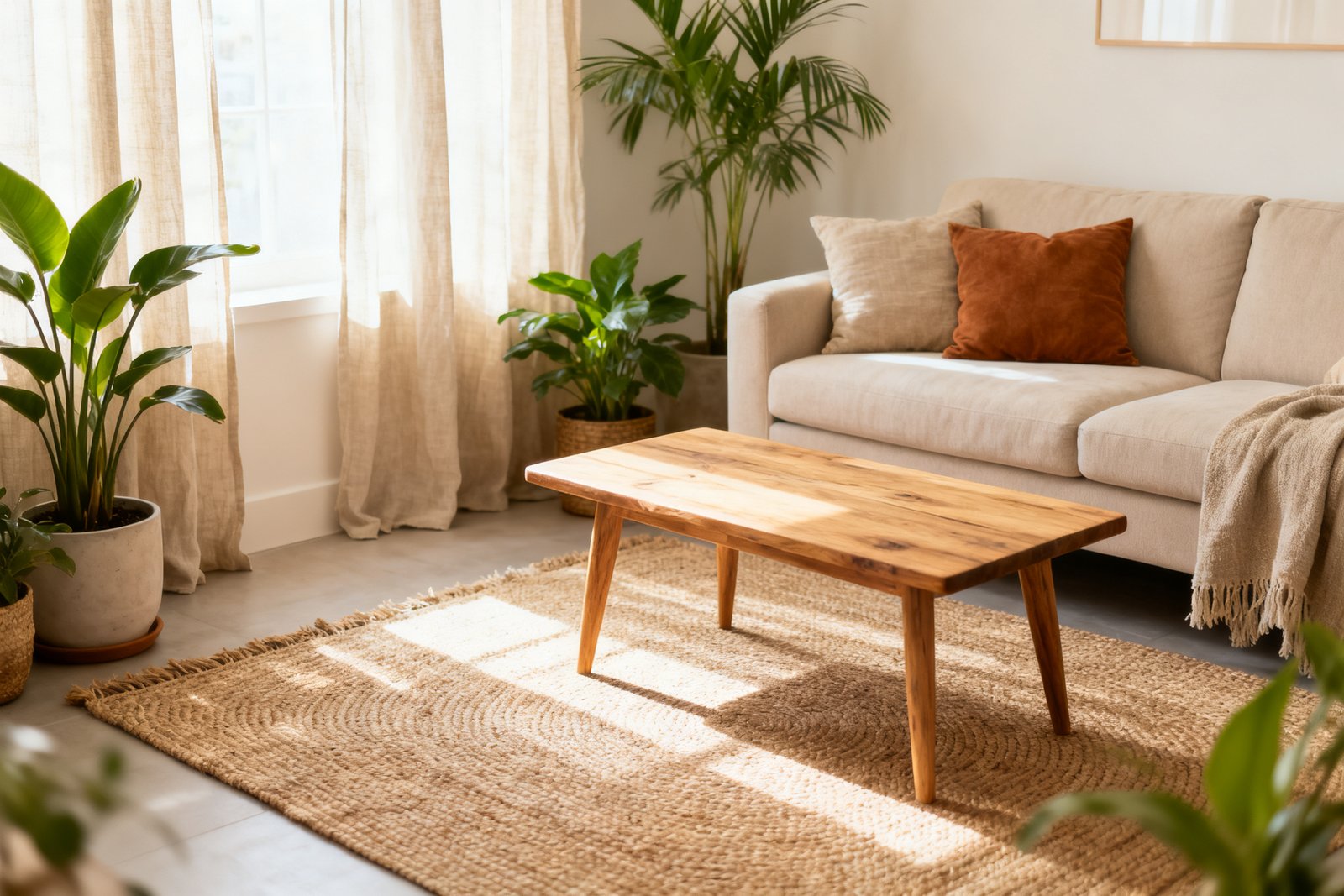
- Lounge: 5×7 or 6×9 under front legs of seating ($50–$120 polypropylene or cotton).
- Bed: 4×6 offset at the side or two 2×6 runners for warm feet ($20–$80).
- Desk: A 3×5 or chair mat to define the work “footprint” ($25–$60).
Choose low-pile rugs for easy vacuuming. If you’re nervous about color, use a neutral base rug and a smaller patterned rug in the work zone for contrast.
Ceiling-mounted curtains
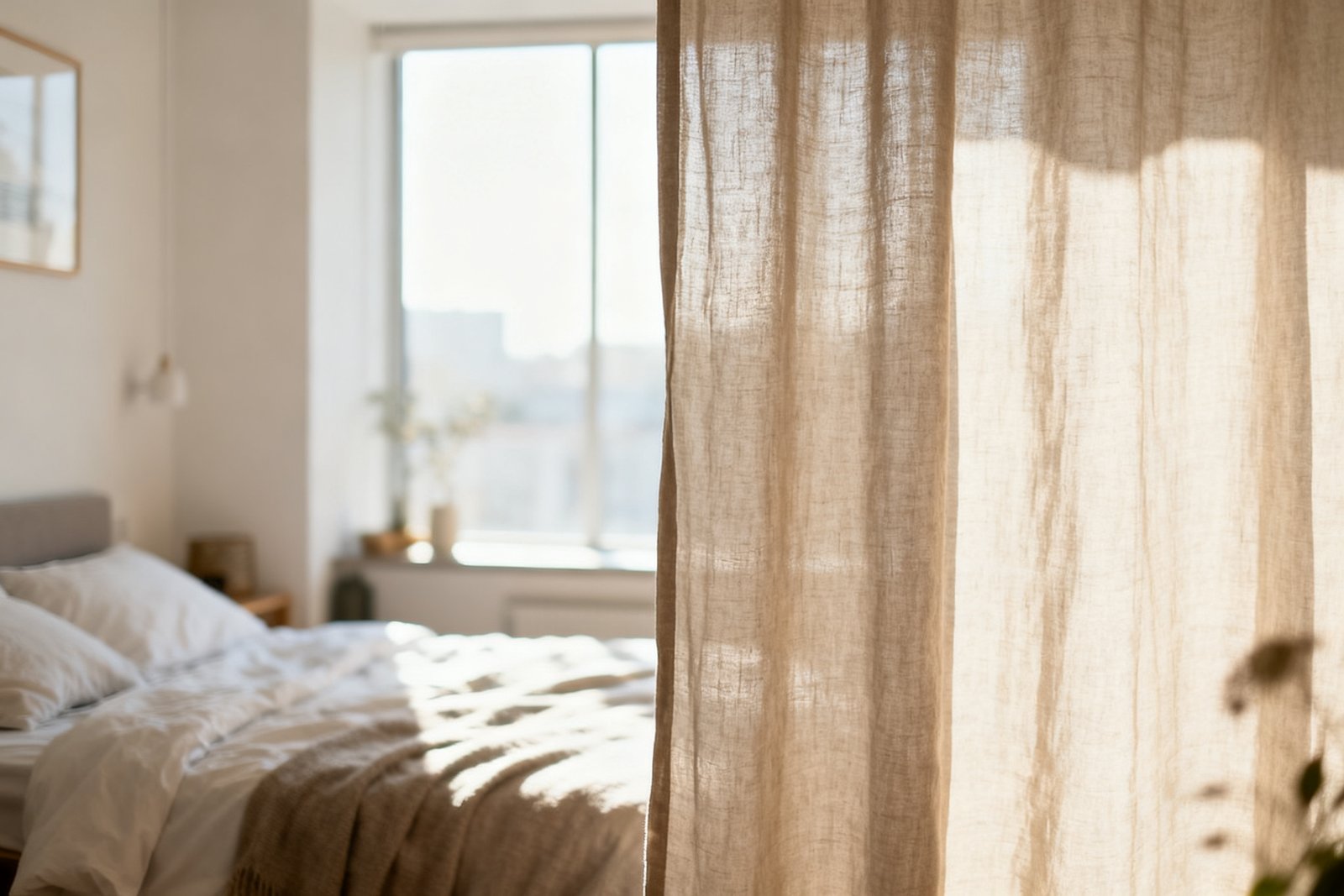
Install a tension rod or ceiling track to create a flexible bed enclosure. Sheer or light linen-look panels provide privacy while letting light through. Cost: tension rod $15–$30; curtain track $25–$45; panels $10–$25 each. Pull them open during the day to avoid a cramped feel.
Color-blocking and paint
Paint is a cheap zoning tool when allowed by your lease. Try a color block behind your desk or a darker accent behind the bed to ground it. One quart ($20–$30) usually covers a feature wall or large rectangle.
Storage That Doubles as Boundaries
It also helps to check out make a small living room look bigger.
Combining storage with separation keeps visual noise and spending down. Aim for pieces that face the right way for each zone.
Headboard storage wall
Place a low dresser or 2×4 cube unit at the head of the bed to create a mini wall. Face the “finished” side outward; add baskets on the lounge side for remotes, throws, and chargers. Cost: used dressers $40–$100; cube units $35–$80; baskets $8–$15 each.
Entry drop zone as a buffer
A narrow shoe cabinet or wall-mounted shelf near the door creates an “entry” and blocks sightlines to the bed. Add hooks above. Shoe cabinets start around $60 new, $25–$40 secondhand; hooks $8–$20.
Rolling screens and carts
A bar cart or slim rolling shelf can slide between lounge and kitchen during cooking, then tuck away. Look for metal utility carts ($25–$50). Add S-hooks for utensils or headphones if used near a desk.
Lighting Layers That Signal Purpose
Lighting is one of the fastest ways to define zones—no construction required. Use warm light for relaxing and cooler task light for work to cue your brain.
- Bedside: clip-on lamp or plug-in sconce ($15–$35) for a contained, cozy glow.
- Lounge: floor lamp with a drum shade ($30–$70) to wash the area with ambient light.
- Work: desk lamp with adjustable head (4000–5000K bulb) ($20–$40).
- Kitchenette: LED strip under shelves ($12–$25) for task light.
Use plug-in dimmers ($10–$15) or smart plugs ($10–$20) to adjust mood between zones. If cords are visible, run them along baseboards with adhesive clips ($6–$12).
Layout Examples (Realistic and Flexible)
Example: 350 sq ft rectangle with windows on one short side
Place the bed on the windowless short wall, headboard backed by a 2×4 cube shelf. Mount a ceiling curtain track to pull across the bed when you have guests. Float a 60-inch loveseat centered on the long wall across from a small media console; a 5×7 rug sits under its front feet. Tuck a 30–36 inch desk near the window for natural light, with a 3×5 rug and task lamp.
Costs (approx., secondhand + budget buys): cube shelf $50, curtain track + panels $60, rug set $120, desk $40, lamp $25, adhesive cord clips $8. Total around $300 for clear zones without major purchases.
Budget Dividers You Can Make or Source Cheaply
DIY curtain wall with tension rods
Use two tension rods stacked vertically in a doorway-width span, then clip panels to both rods for stability. Cost: $30–$50. Works well to soften a bed corner or hide storage shelves.
Canvas drop-cloth screen
Staple a painter’s drop cloth ($12–$20) to a lightweight wood frame (1x2s: $10–$18), hinge three panels together with inexpensive hinges ($6–$10). Paint or dye for color-blocking. Folds away behind a sofa.
Rope or macramé divider
String cotton rope between two ceiling hooks to make a light, semi-transparent partition. Costs $15–$30. Adds texture and defines a workspace without blocking daylight.
Small Habits That Keep Zones Working
Zoning fails when things migrate. A few routines make your “walls” stick, even when they’re invisible.
- Keep a tray in each zone (bedside, coffee table, desk) to catch daily items.
- Reset nightly: fold throws, return desk items to a box, clear the drop zone.
- Use one laundry basket with a lid as a visual clutter stopper near the bed.
- Label baskets on open shelving so categories don’t blend.
Mistakes to Avoid
- Over-dividing: Too many screens or tall pieces make a studio feel cramped. Stick to one substantial divider and softer cues elsewhere.
- Blocking light: Keep tall items away from windows; use open shelving if it must sit near a light source.
- Ignoring traffic paths: Leave at least 24–30 inches for walkways so zones feel natural to use.
- Too many styles: Limit your palette to 2–3 main colors and 1–2 wood/metal tones so the zones relate.
- Floating clutter: Any divider that exposes messy shelves will read chaotic. Use baskets or doors on public-facing sides.
Quick Zone Setup Checklist
- Measure room and sketch basic plan with door, windows, and outlets.
- Pick 2–4 zones to prioritize.
- Choose one anchor piece per zone (sofa, bed, desk, table).
- Add one divider cue per zone (rug, shelf, curtain, color block).
- Layer lighting: ambient for lounge, task for work, soft for bed.
- Contain small items with trays or baskets labeled by zone.
- Test pathways and adjust for 24–30 inches clearance.
FAQ
How can I hide my bed without making the room dark?
Use sheer curtains on a ceiling track or an open-back bookshelf no taller than about 48 inches. Sheers obscure the outline of the bed but allow light through. An open shelf keeps air and light moving while still signaling separation.
What if my landlord won’t allow drilling?
Use tension rods for curtains, adhesive hooks for lightweight dividers, and furniture-based zoning like floating a sofa or placing a cube shelf as a headboard. Removable rug tape and cable clips keep things tidy without holes.
How do I make one space work for dining and working?
Use a drop-leaf or wall-mounted folding table with a wipeable mat you swap during meals. Store work supplies in a handled caddy that lives on a shelf; pull it out only during work hours. A small lamp and rug shift the vibe from “office” to “dining” quickly.
What’s the cheapest way to start zoning today?
Rearrange what you own: float your sofa to face away from the bed, slide a bookshelf to act as a partial wall, and pull a rug under the lounge area. Add one curtain panel or a secondhand lamp to immediately reinforce the separation for $10–$30.
If you want to keep going, take a look at best furniture for small spaces.
Ready to style your sleeping zone? The Budget Bedroom Makeover Planner maps out a bedroom refresh from layout to finishing touches.
Final Thoughts
Zoning a studio isn’t about adding walls—it’s about guiding the eye and organizing your routines. With a few smart placements, a couple of rugs, and layered lighting, you can create distinct sleeping, lounging, and working areas that feel intentional and calm. Start with your must-have activities, use multipurpose pieces, and let light and traffic flow do the rest—on a budget that matches your space.