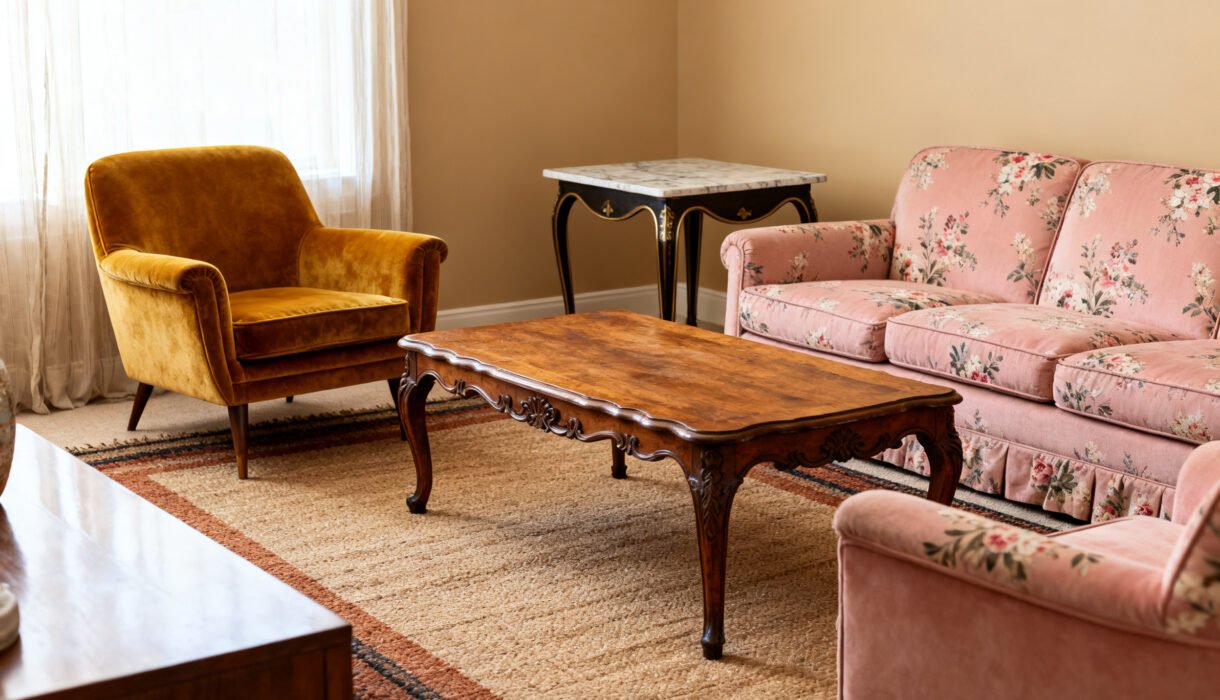
How To Decorate With Thrifted Furniture Without Making Your Home Look Mismatched
Posted in :

You love the thrill of the thrift hunt, but you also don’t want your home to look like a garage sale exploded. Totally fair. Thrifted furniture can look elevated, cohesive, and intentional—if you have a plan.
Here’s how to mix the old with the older (and the occasional IKEA hack) without ending up with decor chaos.
Start With a Style North Star
You don’t need a label like “mid-century modern” tattooed on your soul. But you do need a vibe. Ask yourself: warm and earthy?
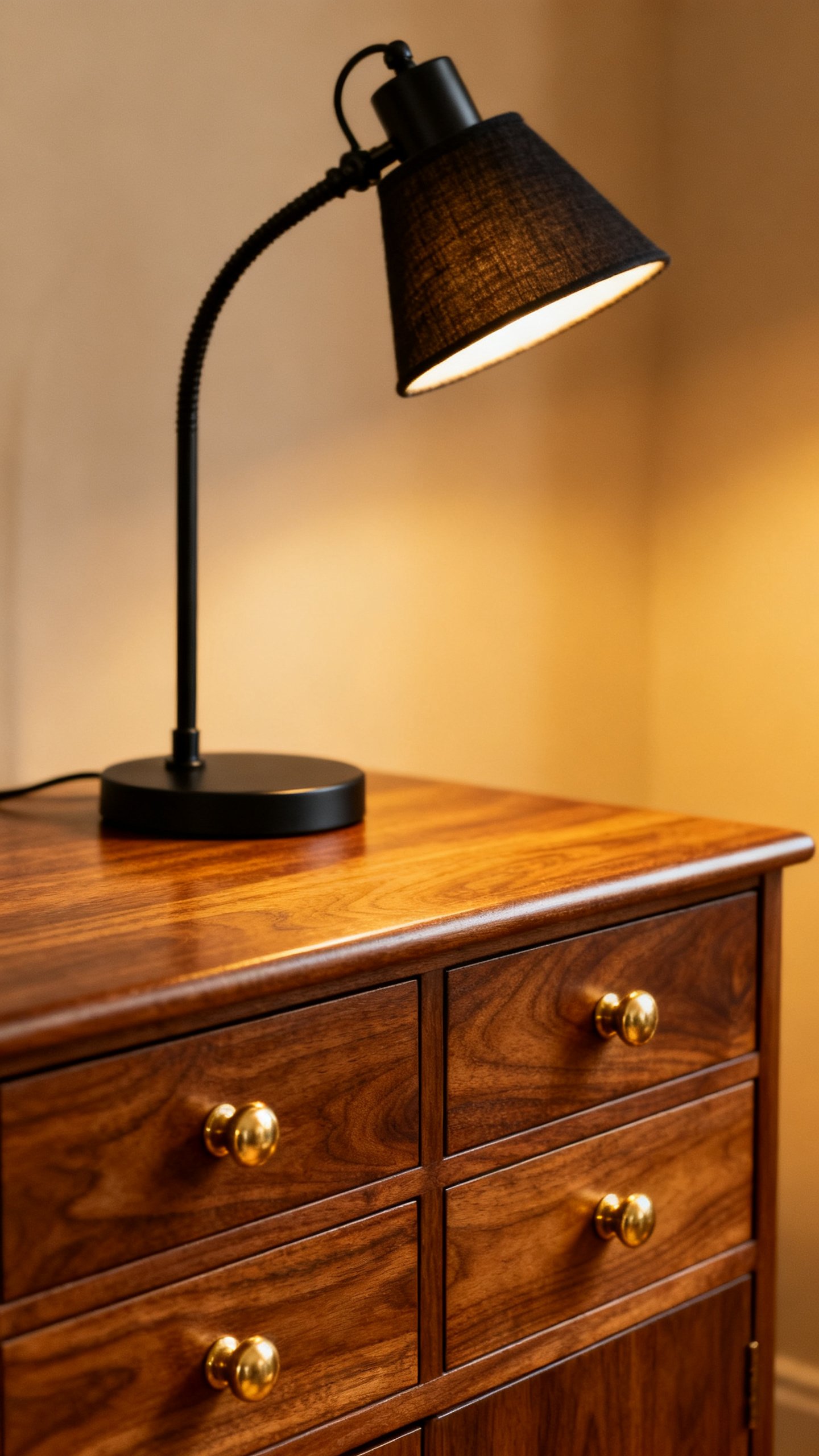
Crisp and minimal? Moody and collected? Pick a direction so your choices steer toward the same destination. Set three words that describe your aesthetic. Think “warm, sculptural, vintage,” or “bright, clean, coastal.” Keep these words in your notes app and reference them while shopping. Decide your hero materials and metals. Maybe you go heavy on walnut and black metal.
Or oak and brass. This narrows options fast and keeps your mix consistent.
Create a Simple Color Strategy
– Choose one dominant neutral for big pieces (sofas, rugs). – Add one or two secondary hues that repeat in art, pillows, and ceramics. – Sprinkle in an accent color sparingly to avoid visual whiplash. FYI, repeating color = instant cohesion.
Even wildly different styles play nice when the palette syncs up.
Unify Through Shape and Scale
You can mix eras all day long if the silhouettes speak the same language. Curvy sofa? Echo it with a rounded coffee table or an arched lamp.
Boxy credenza? Pair it with angular art or squared-off chairs. Mind your proportions. A tiny side table next to a massive, overstuffed couch looks like a chihuahua walking a Great Dane. Keep furniture heights and visual weights balanced across the room.
Repeat Forms Intentionally
– Curves: scalloped edges, rounded lampshades, circular mirrors – Lines: cane panels, slatted wood, ribbed glass – Geometry: hex tiles, checkerboard rugs, gridded artwork Pick one “shape family” and repeat it three times in a room.
It reads as a plan, not a pile.
Use Finishes as Glue
Mismatched pieces blend beautifully when their finishes align. Wood tones especially can derail a room if you let them fight. Stick to 2–3 wood tones max. If you find a gorgeous piece that clashes, don’t panic—refinish or tone it down with stain. Or bridge tones with a chunky rug between them so they don’t touch visually. Coordinate metals. You don’t need a matchy-matchy hardware situation—mixing can look sophisticated.
But keep it controlled. For example: – Main metal: black iron (lighting and curtain rods) – Secondary metal: aged brass (knobs, a lamp base) – Wildcard: vintage chrome (one statement chair)
When in Doubt, Paint Saves the Day
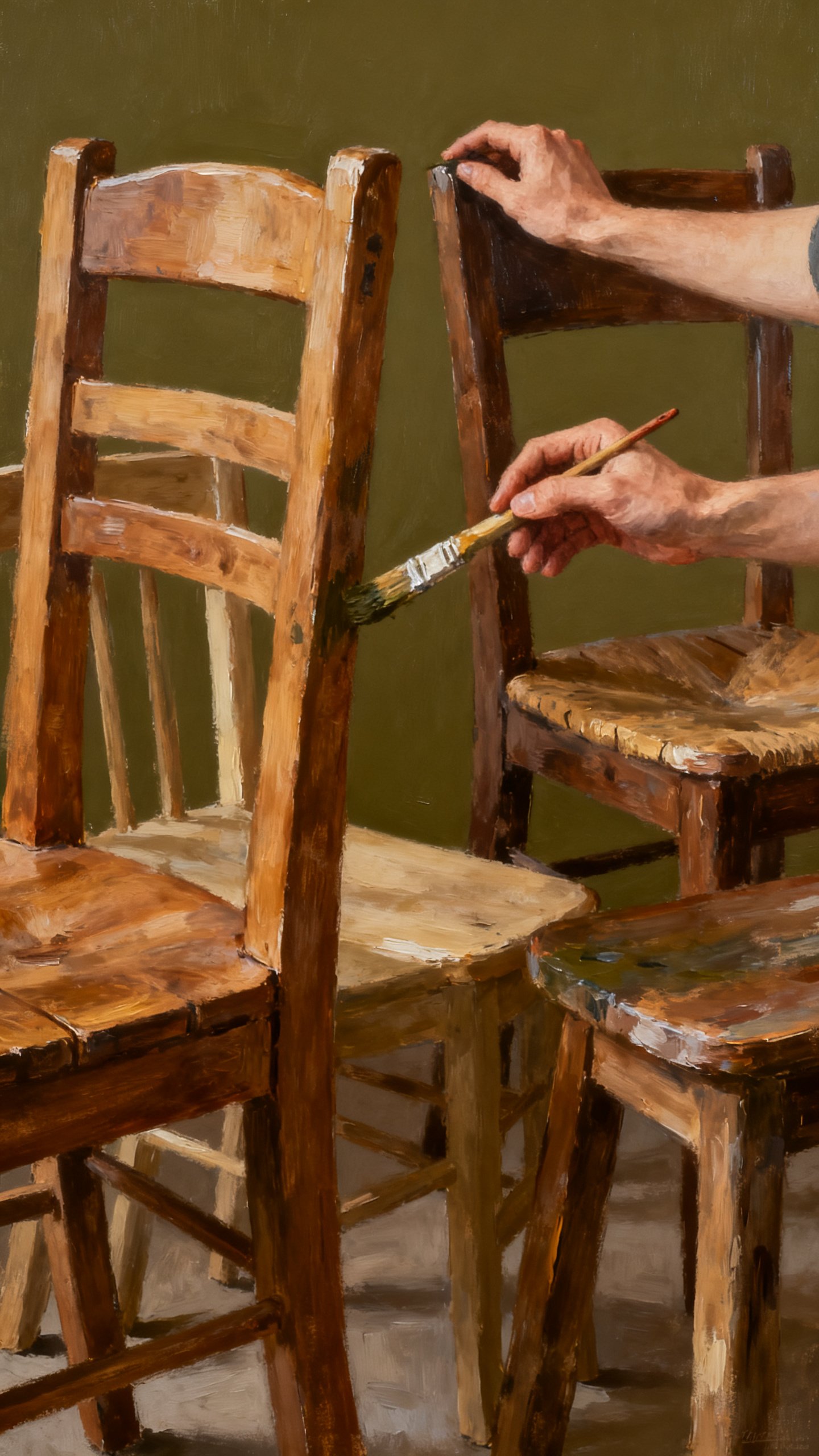
Paint frames, side tables, or mismatched chairs in the same color to connect them instantly. A matte black or deep olive makes flea market finds look designer-fast.
IMO, a can of paint might be the best thrift partner you’ll ever have.
Layer Textiles Like a Stylist
If your furniture comes from a dozen different decades, textiles do the heavy lifting. They soften edges, hide sins, and pull colors together. Anchor with a substantial rug. Choose a rug large enough to sit under front legs of seating. Neutrals or subtle patterns create a reliable foundation. Mix patterns with rules. – Choose one large-scale pattern (the star) – One medium-scale pattern (the sidekick) – One small-scale pattern (the whisper) – Keep them in the same color family to avoid clashes Throw blankets, cushions, and even reupholstered seats can coordinate scattered pieces without feeling forced.
Slipcovers and Reupholstery: Strategic Upgrades
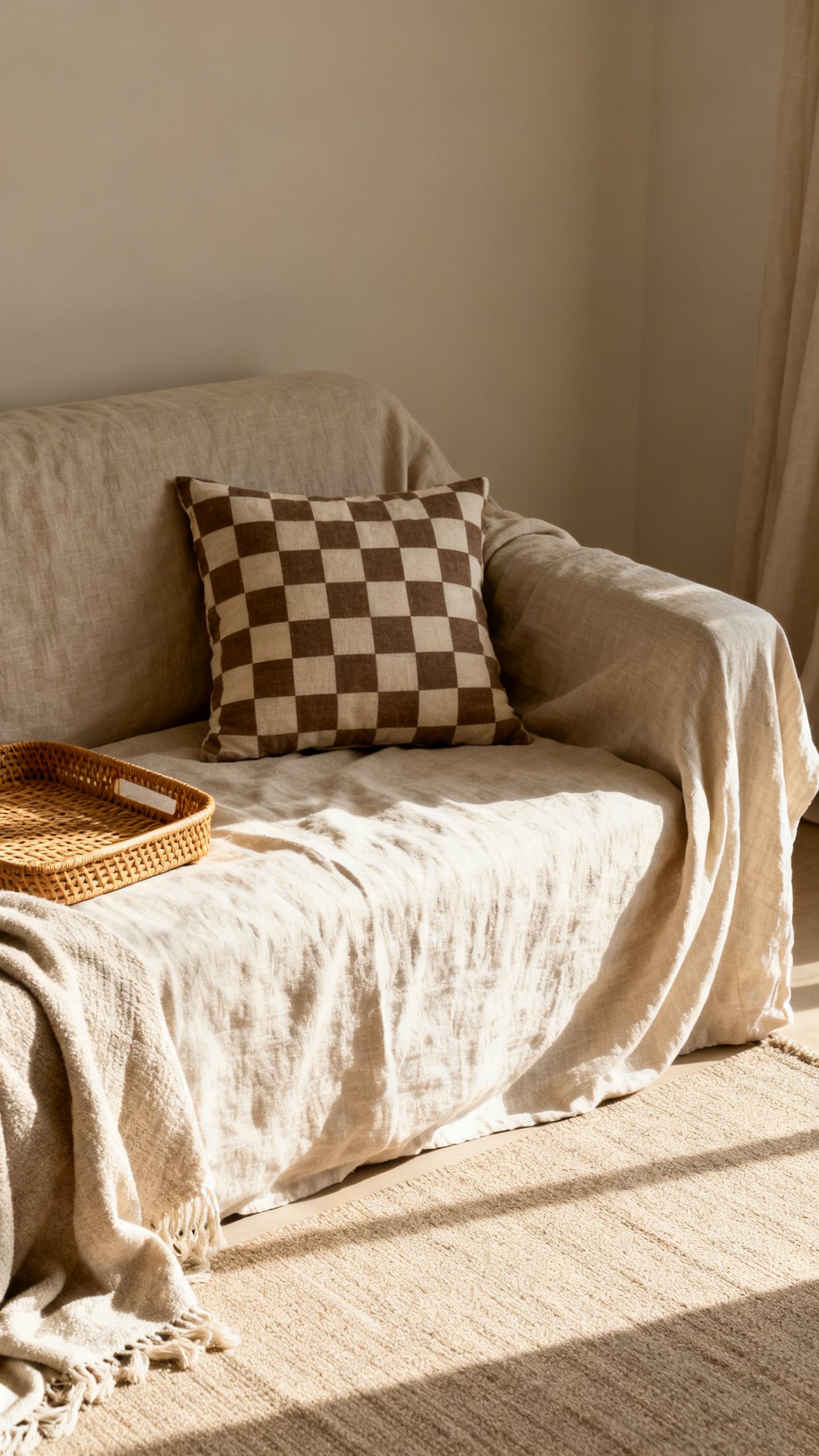
– Slipcover a dated sofa in a natural linen for instant calm. – Reupholster standout chairs in a performance fabric you can actually live with. – Add new cushion foam to antique chairs so they don’t sit like a park bench.
Edit Ruthlessly, Style Generously
Yes, you scored a $10 marble-topped table.
No, it doesn’t have to live in your house forever. Thrifting means constant evolution. You’ll keep the winners and re-donate the maybes. Curate vignettes. Style your surfaces so they tell mini-stories: – Rule of three: one tall object, one medium, one low – Mix textures: ceramic, wood, glass – Repeat a color from your palette in each vignette Give pieces breathing room. If the room feels chaotic, remove one item from every surface.
Space reads as “intentional,” clutter reads as “I live in a storage unit.”
Rotate Seasonally
Swap out pillows, a throw, or a few shelf items as the seasons change. You’ll refresh the vibe without buying new furniture every time a new trend hits TikTok.
Shop With a Plan (But Keep It Fun)
Thrifting hits different when you know what you’re after. Walk in with dimensions, photos of your space, and a short list of gaps to fill. Bring this checklist: – Tape measure (measure twice, cry never) – Painter’s tape (map the piece on your floor at home) – Fabric swatches (from your sofa, curtains, etc.) – Your color palette and style words – Patience (you will not find “the one” every week) Quality markers to watch for: – Solid wood over particle board – Dovetail joints on drawers – Sturdy legs and frames, no wobble – Real stone or thick veneer vs flimsy laminate IMO, leave the rickety glass tables from 2003.
But grab that weird little wood stool—those always shine.
Know When to Walk Away
– If it smells like a wet basement, it will smell like a wet basement in your living room. – If the scale doesn’t fit your space, no amount of styling fixes it. – If a “project piece” needs everything, it becomes a money pit. Choose projects with one or two fixes max.
Give Old Pieces a Cohesive Story
Blend your finds with simple, modern staples so the room doesn’t scream museum. A basic linen sofa, a clean-lined media console, or crisp curtains let your vintage heroes stand out without shouting. Use repetition to tie the room together. – Repeat a wood tone on at least two pieces – Repeat each accent color at least three times – Repeat a texture (rattan, boucle, velvet) in multiple spots Add modern lighting and art to lift the room.
Vintage + contemporary = chef’s kiss.
FAQ
How do I mix different wood tones without it looking chaotic?
Pick a dominant wood tone and use it on your biggest piece. Add one secondary tone and repeat it at least twice. Bridge contrasting woods with textiles (rugs, runners) and include a neutral element like black metal to calm everything down.
What should I reupholster versus replace?
Reupholster if the frame feels solid, the lines feel timeless, and the scale suits your room.
Replace if the piece wobbles, the foam crumbles, or the design feels wrong for your style north star. Reupholstery makes sense for high-quality chairs and benches more than cheap, bulky sofas.
Can I mix metals like brass, black, and chrome?
Yes, but assign roles. Choose one dominant metal, one secondary, and one accent.
Repeat each at least twice so nothing feels random. For example, black for lighting, brass for hardware, chrome for one vintage showstopper.
How do I make a bold thrifted piece work in a small room?
Keep everything else quiet. Use a neutral rug, simple curtains, and a restrained color palette.
Repeat one color from the bold piece in small hits—pillows, art matting, a vase—so it feels integrated, not like it crash-landed.
What’s the fastest way to make mismatched thrift finds look cohesive?
Paint or stain two or three items to match, then layer consistent textiles. Add a large rug, repeat one metal, and hang art at a uniform height. Ten out of ten times, these moves pull a room together quickly.
How do I avoid over-cluttering with small thrift decor?
Group smalls into intentional vignettes and give each surface negative space.
Display only your best pieces, rotate the rest seasonally, and store the overflow. If you can’t dust it easily, you probably styled too much.
Conclusion
Thrifted furniture shines when you give it a plan: a color story, consistent finishes, and repeated shapes. Edit hard, style with intention, and lean on textiles to unify the mix.
Keep your three style words handy, trust your eye, and remember—your home should look collected, not chaotic. FYI, when in doubt, a great rug and a gallon of paint fix almost everything.