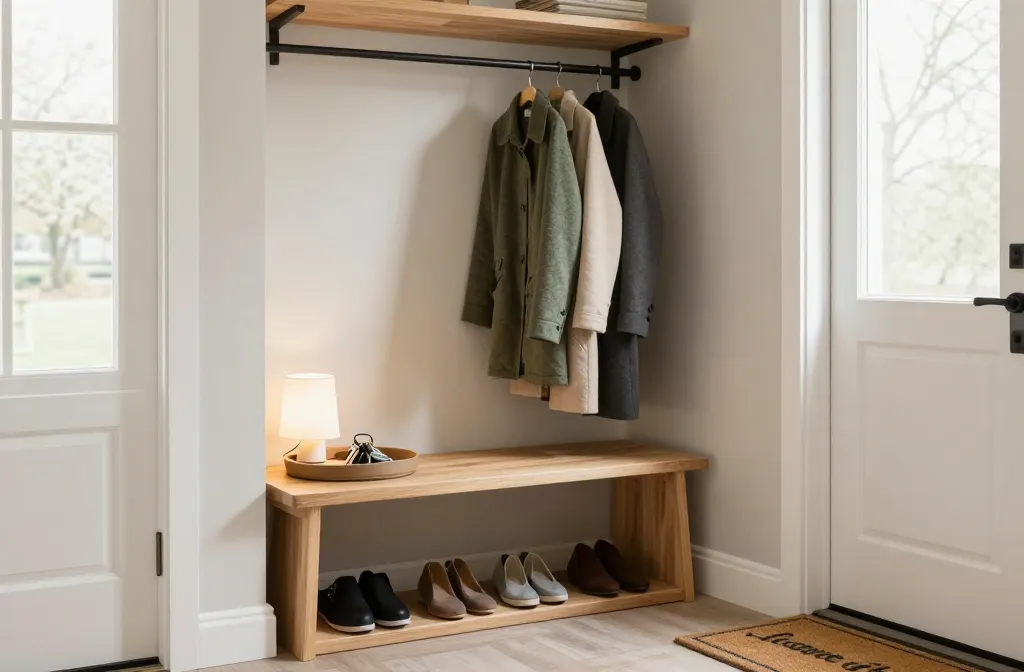

If you don’t have a real mudroom, you don’t need to pretend you do one. You just need a smart plan, a tiny bit of storage magic, and a few good hooks for coats, shoes, and all those random things that travel through your front door. Let’s build a tiny, mighty mudroom vibe right where you already live. FYI, your sneakers and umbrellas will thank you.
Why a “Mudroom” Mindset Trumps the Space You Have
You don’t need a dedicated room to get this right. The goal is simple: a predictable spot where damp jackets, muddy boots, and stray mail stop wandering around like uninvited guests. Think of it as a command center for daily life rather than a closet you forget exists.
– It sets expectations: family members know exactly where to put things.
– It saves time: you don’t hunt for shoes or keys half your morning.
– It reduces chaos: a defined drop zone keeps dirt contained.
If you’re skeptical, look around your entryway. If it looks like a tornado hit a coat rack, you’re in the right place to optimize. The good news? You don’t need a big budget to win this game.
Start with a Clear Drop Zone
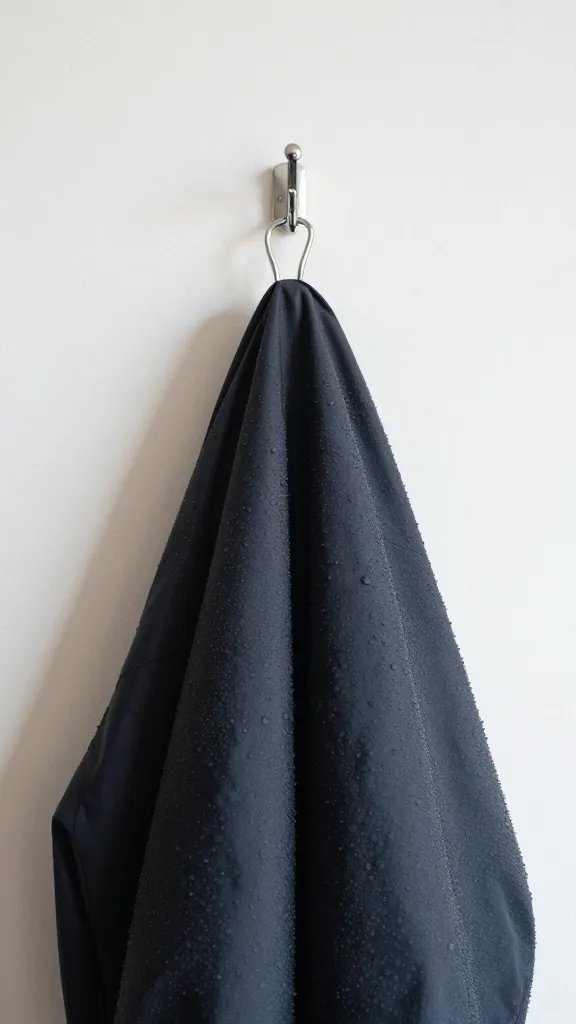
A drop zone is the heart of any mudroom-style setup. It’s where you physically release the day’s stuff before it takes over the rest of your home.
– Choose a focal point: a bench, a small table, or a shelf at chair-height.
– Add a tray or shallow bin: great for keys, mail, and sunglasses.
– Use a visible cue: a mat that tells everyone, “leave it here.”
Want a pro tip? Give yourself a designated “spot” per person. It could be a labeled hook on a wall or a color-coded bin. Consistency beats cleverness when it comes to actually using the space.
Shoe Storage That Actually Works
Shoes have a habit of multiplying like rabbits; let’s keep them in check without turning your entryway into a boot museum.
Low-Profile Options
– A slim bench with built-in cubbies lets you sit while you unlace and store shoes below.
– A shallow shoe rack on the floor keeps things organized without blocking the door.
Creative Alternatives
– Over-the-door shoe organizers aren’t just for closets; they work great on an entryway wall.
– A set of labeled baskets on a shelf keeps sneakers and boots separated by family member, which saves arguments at 7:15 a.m.
If you’ve got limited space, consider a boot tray near the door. It catches mud, splashes, and the occasional burst of drama from toddlers who insist they don’t need rain boots. You’ll thank me later.
Coat, Bag, and Accessory Management
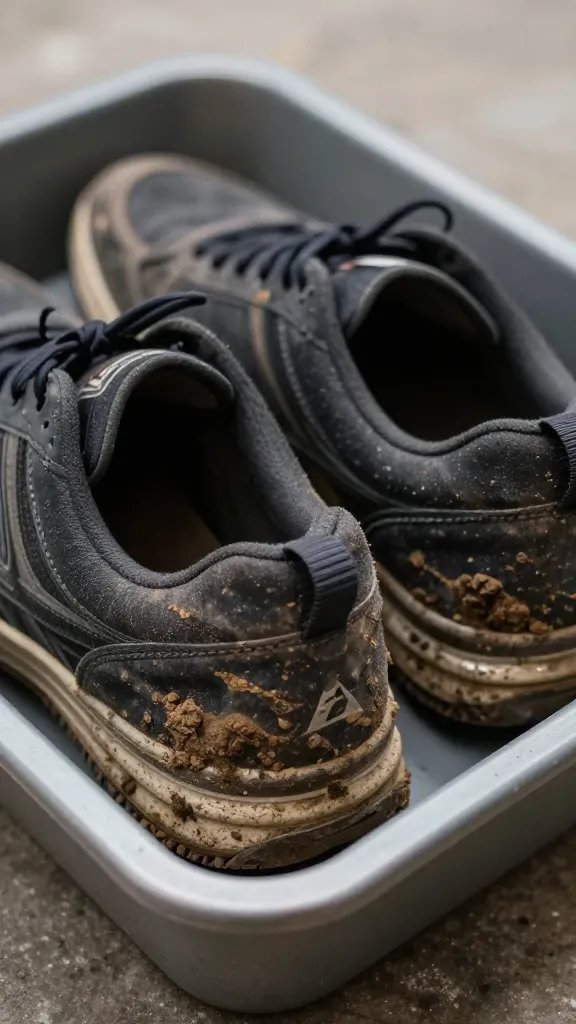
Coats and bags can overwhelm a small entry, so keep a tight rail and a few hooks. The trick is to balance accessibility with order.
Hooks, Rails, and a Back Board
– Install a row of sturdy hooks at different heights so kids can reach their jackets.
– Add a top rail for longer coats; use a shallow shelf above for hats and gloves.
– A backboard (thin cork or magnetic) helps keep receipts and notes from floating away.
Bag Stations
– Use a couple of labeled bins or baskets for backpacks, purses, and work bags.
– If you’ve got kids, add a small “return here” shelf for library books and backpacks.
– Consider a wall-mounted organizer with pockets for small items like headphones or chargers.
A little organization goes a long way here. If you hate the word “organization,” think of it as a daily ritual that saves you from stepping on a rogue scarf at 6:45 a.m.
The Mud-Busting Mats and Surfaces
Function meets feel with the right textiles. You want surfaces that wipe clean and mats that trap the worst of the day.
– Choose a doormat that’s highly absorbent and easy to rinse.
– Add a small boot tray in a corner for muddy paws or muddy boots.
– Use surface-grade laminates or sealed wood for a tiny bench or table to withstand rain and mud.
Smart Surface Choices
– Opt for ceramic tile or vinyl flooring that’s easy to clean and forgiving to wet shoes.
– If you’re redoing a section, non-slip mats prevent slips when you’re juggling a kid, a bag, and a grocery run.
FYI: a stylish rug can work if you pick something washable and durable. Praise be to rinse-and-repeat cleanups.
Lighting and Ambience: Make It Welcome, Not a Chore
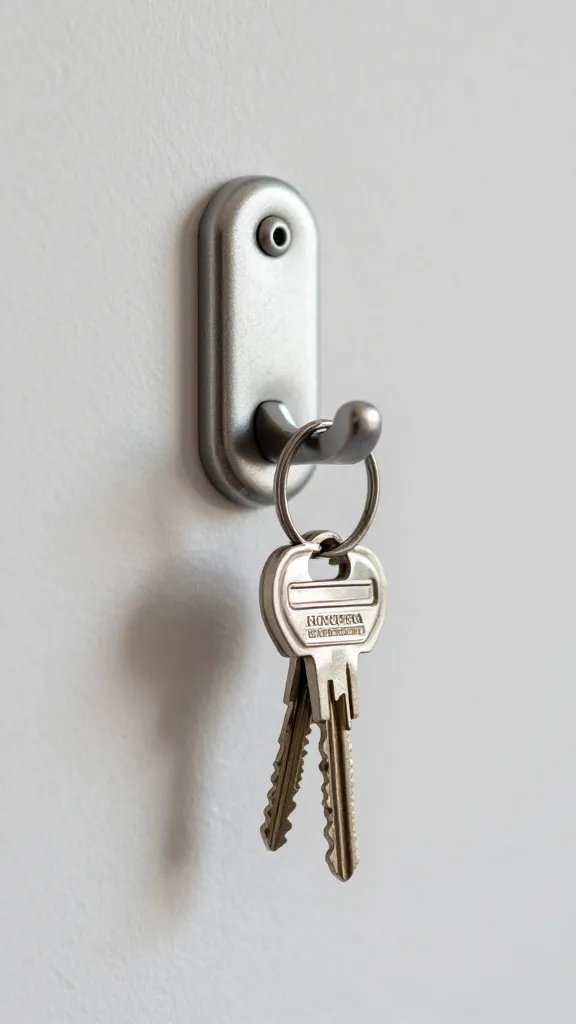
A small mudroom should feel inviting, not dungeon-like. Lighting matters a lot here.
– Go for layered lighting: a ceiling light plus a wall sconce or a small lamp on the bench.
– Use brighter bulbs during morning hours for energy and safety.
– A mirror on the wall adds depth and helps you speed through post-shoe-check routines.
A touch of personality helps, too. A plant or a quirky hook can make the space feel like a designed corner rather than a storage afterthought. IMO, personality is what makes a DIY project feel personal.
One-Budget, Big-Impact Upgrades
You don’t need to max out your credit card to create a tiny mudroom vibe. Here are cost-effective ideas that actually work.
– Paint an accent wall or use removable wallpaper to create a defined zone.
– Use IKEA or thrift-store finds for benches, hooks, and storage bins.
– Add upgraded hardware to a simple coat rack for a quick refresh.
DIY Hacks That Save Time
– Label everything with simple tags or chalkboard labels so everyone knows where things go.
– Use removable hooks for seasonal gear, so you don’t end up with a cluttered year-round setup.
– Create a “home for now” bin for items that don’t have a perfect spot yet. When it fills up, you know it’s time to tweak the system.
If you’re allergic to messy setups, try a one-week trial. See what chaos reappears and adjust accordingly. You’ll likely learn more in a week than in a Pinterest episode.
FAQ
Can I do this in a rental or a tiny apartment?
Yes. Use removable hooks, a narrow bench, and shallow bins. Focus on vertical space and portable storage you can take with you when you move.
What’s the easiest way to keep mud off the floor?
Have a good doormat that absorbs moisture, a boot tray for shoes, and a washable rug or mat. Wipe and rinse regularly, especially in wet seasons.
How do I keep kids from turning the drop zone into a toy dump?
Make “location-based” rules simple: everything in its place, and a visible cue helps. Color-code by child or label bins with pictures. Short, verbal reminders work wonders.
Do I really need to install anything expensive?
Nope. Start with a small bench, a row of hooks, and a couple of bins. If you love it, you can upgrade later. Baby steps win the race here.
What about seasonal gear like winter coats or rain gear?
Set up a seasonal rotation. Have a separate bin or hook for winter gear that you swap out with lighter gear as the weather changes. It keeps the system fresh and functional.
Conclusion
You don’t need a dedicated mudroom to get a tidy, functional entryway. With a little planning, a few smart storage moves, and some style, you transform a clutter hotspot into a calm, inviting space. It’s all about defining a drop zone, giving shoes and bags a home, and making daily routines feel effortless. IMO, the best part is knowing you can step inside without tripping over a stray boot or a pile of mail. So go ahead—turn that awkward nook, corner, or hallway into a tiny mudroom you actually enjoy using. Your future self, and your floors, will thank you.