How to Build a Capsule Home Décor Collection on a Budget
Posted in :

A capsule home décor collection is a small, flexible set of pieces you can mix across seasons and rooms without constant buying. It trims decision fatigue, saves money, and keeps your spaces feeling pulled together. Here’s how to build one that works hard on a realistic budget.
Define Your Capsule Style and Color Map
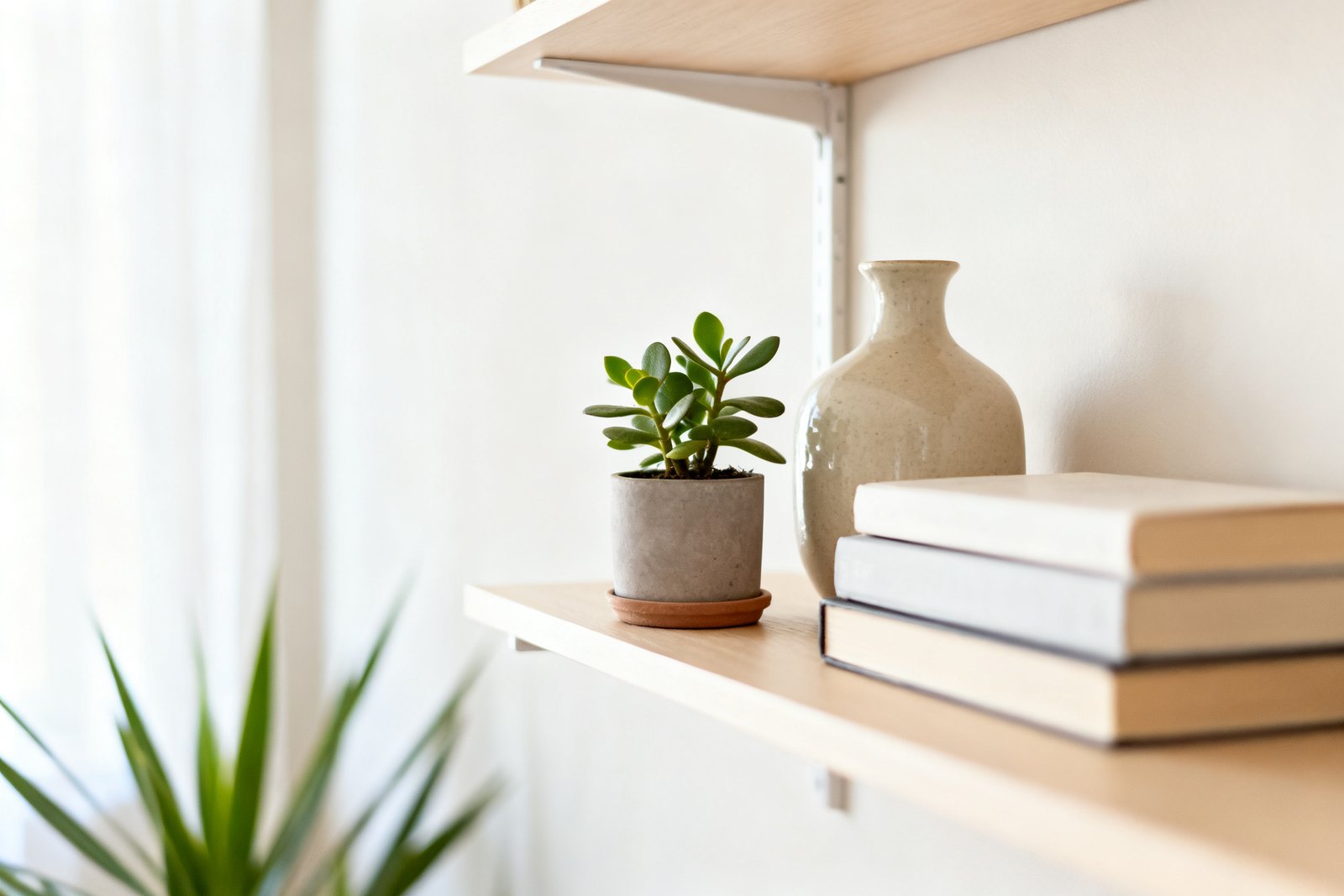
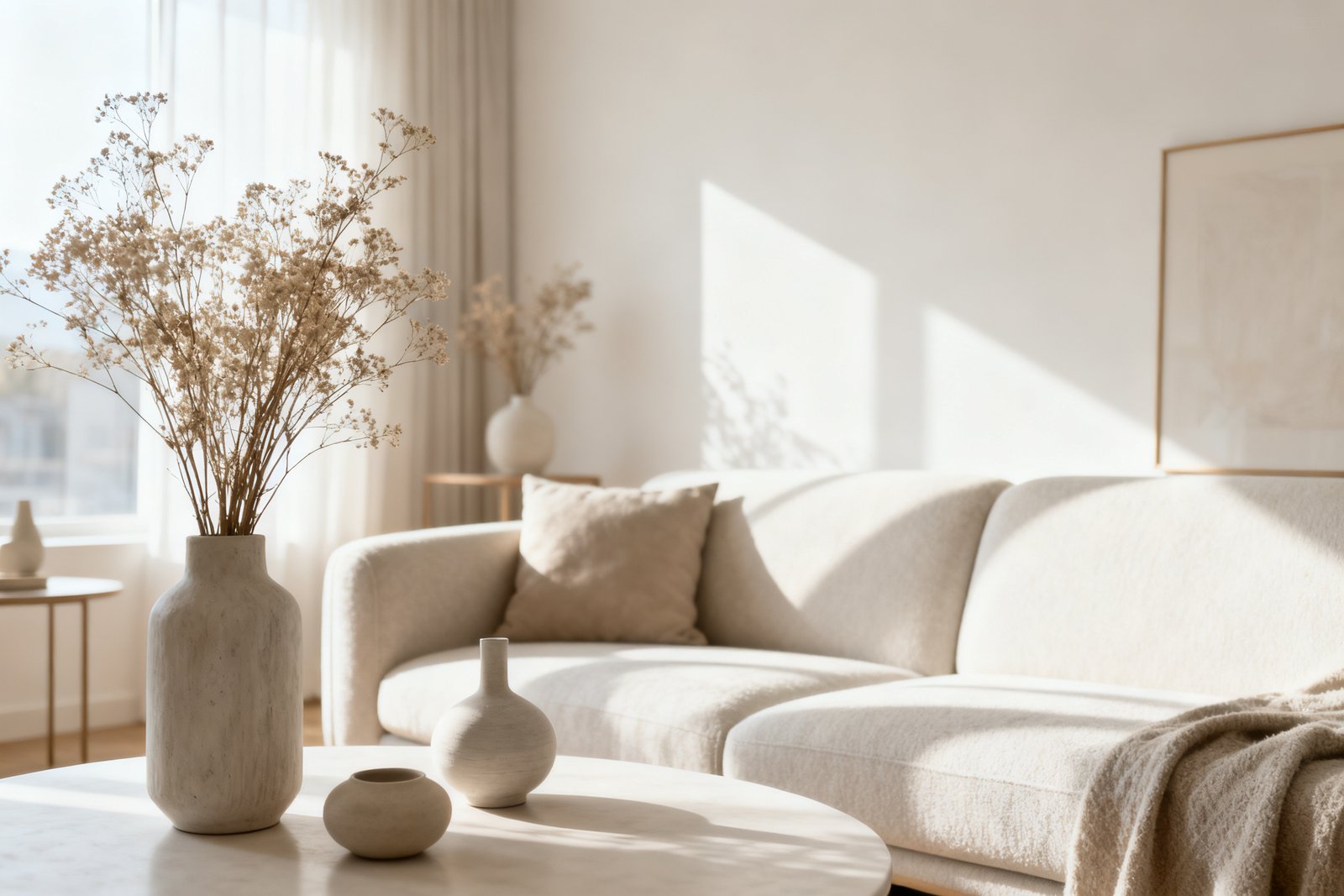
A capsule décor collection starts with limits. Choose 1-2 base styles (e.g., modern + vintage, or coastal + minimalist) and stick to them so your pieces play well together. Then set a simple color map: one light neutral (warm white, oatmeal, or soft gray), one dark neutral (charcoal, espresso, or navy), and 2-3 accent colors you love.
To test it, pull photos of five rooms you like and look for overlap: wood tones, metal finishes, patterns, and color accents. Aim for consistency in undertones—cool grays with cool blues, or creamy whites with terracotta and olive. This prevents clashing and means a pillow from your living room can slide into your bedroom without looking out of place.
Build a Core Kit of High-Impact, Low-Storage Pieces
For more ideas, see our guide on how to simplify your home in 30 days.
Your capsule should center on compact items with big visual impact that are easy to swap. Think textiles, art, vessels, and lighting. These transition across rooms and seasons without storage headaches.
Textiles (Budget: $60–$150 total to start)
- 2 throw pillow pairs with zip covers: one neutral texture (linen-look, bouclé) and one patterned (stripe, small check). Covers: $10–$25 each; inserts: $12–$20 each.
- 1 throw blanket in a solid accent color: $20–$40. Choose medium weight so it works year-round.
- 1 runner or small flatweave rug you can float between entry, kitchen, or hallway: $30–$80.
Art and Frames (Budget: $40–$120)
- 2–3 neutral frames (black, oak, or brass-tone): 11×14 or 16×20 with mats: $12–$25 each.
- 1 versatile canvas or thrifted art you can repaint: $20–$50. Aim for abstract or landscape with your accent colors.
Vessels and Objects (Budget: $25–$60)
- 1 medium ceramic vase (8–12″): $12–$25.
- 1 low bowl or pedestal for coffee table styling: $10–$20.
- 2–3 small objects: candlesticks, sculptural bookend, wood chain: $3–$10 each, often thrifted.
Lighting (Budget: $30–$80)
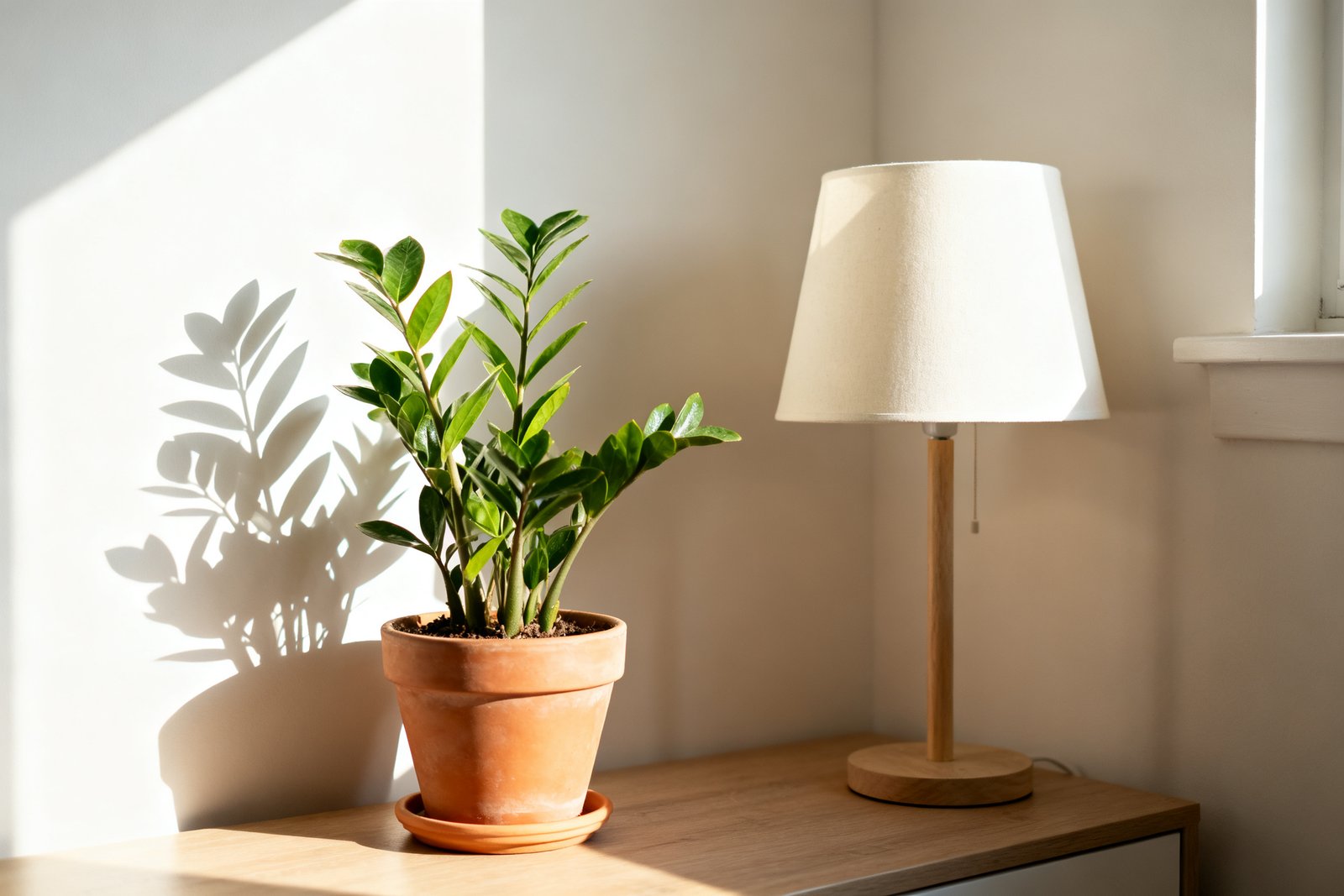
- 1 portable accent lamp or plug-in sconce: $25–$60.
- Warm LED bulbs (2700–3000K): multipack $10–$20.
With this mix, you can refresh a living room, bedroom, or entry by moving just a few items. Keep packaging or a small bin for off-season accents.
Shop Strategically: Where to Spend vs. Save
Paring down to your favorites? Our free 5-Day Budget Home Reset walks you through a simple, clutter-free refresh, one day at a time.
Spend a little more on items you’ll touch and move often (pillow inserts, lamp with a sturdy switch, quality frame mats). Save on purely decorative pieces that don’t get wear (vases, bowls, seasonal branches).
Best budget sources
- Thrift stores and yard sales: frames, lamps, heavy woven textiles ($3–$15).
- Buy-nothing groups and swap meets: free pillow inserts, leftover paint, old art to rework.
- Discount home stores: pillow covers, throws, candles ($8–$25).
- Hardware stores: lumber off-cuts for shelves, spray paint for frames ($6–$12).
Quick price guide for reference
- Good down-alternative 20×20 insert: $12–$18.
- Solid wood thrifted frame: $5–$12 (add a new mat for $6–$10).
- Plug-in sconce: $25–$50; simple table lamp: $20–$40.
- Secondhand rugs (runners): $20–$60 depending on size and material.
Step-by-Step: Build Your Capsule in 30 Days
It also helps to check out minimalist home décor ideas.
- Audit what you own (Day 1–2). Pull all décor into one spot. Keep only items that match your color map and style. Photograph them for reference.
- Set a mini budget (Day 2). Example: $150 total—$50 textiles, $40 frames/art, $30 lighting, $30 vessels/objects.
- Choose your accent colors (Day 3). Pick 2–3 you already have in clothing or small décor to reduce buying.
- Thrift and swap first (Week 1). Hunt frames, a lamp base, and a ceramic vase. Be patient; prioritize quality over quantity.
- Buy gaps new (Week 2). Order pillow covers and inserts that fit your palette; grab LED bulbs and a neutral throw.
- DIY one anchor piece (Week 3). Repaint a thrifted canvas in your colors or recover a lampshade with fabric glue.
- Create two room “recipes” (Week 4). Style your living room and bedroom using the same kit. Photograph each setup so you can repeat it in minutes.
Styling Recipes You Can Repeat
Entry Console (5-minute formula)
- Base: runner rug + table lamp (warm bulb).
- Vertical: 16×20 framed art leaning against the wall.
- Shape mix: ceramic vase with greenery (yard clippings), shallow bowl for keys.
- Texture: small stack of books with a wood object on top.
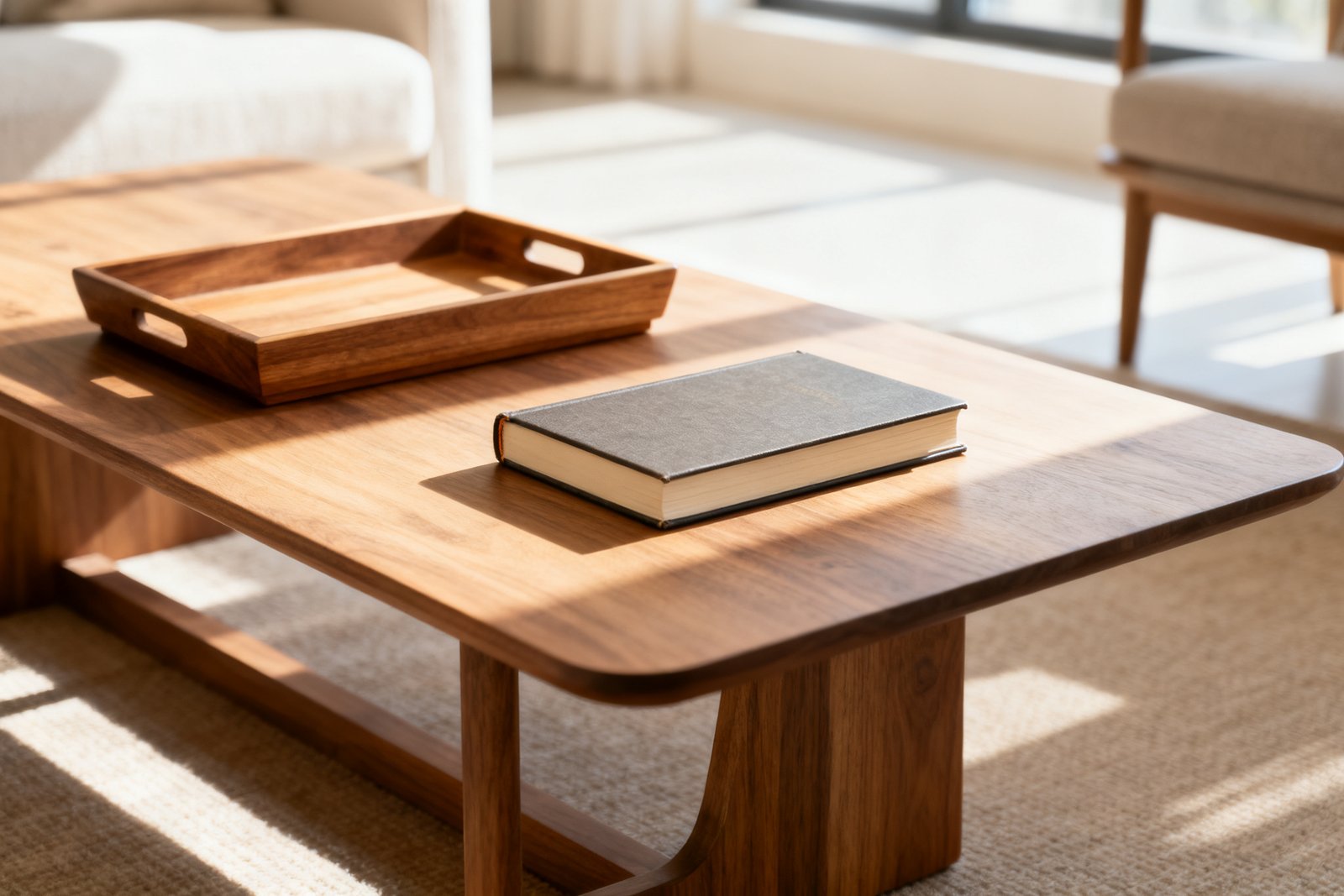
Living Room Coffee Table (grid formula)
- Divide the surface into four quadrants.
- Quadrant A: low bowl with beads or matchbooks.
- Quadrant B: small stack of two books + sculptural object.
- Quadrant C: mini vase with a single stem.
- Quadrant D: empty space for cups/remotes (visual rest).
Bedroom Nightstand (triangle formula)
- Tall: lamp.
- Medium: framed photo or art (5×7/8×10).
- Small: dish/candle. Keep colors to one neutral + one accent.
Smart Swaps by Season Without Rebuying
Keep the foundation the same and rotate only color and texture. Store off-season covers flat in a labeled zip bag.
- Spring/Summer: swap in linen-look pillow covers, airy throw, greenery clippings. Use lighter art print or flip a double-sided art board.
- Fall/Winter: use the patterned pillow pair, nubby throw, brass candlesticks, darker art. Add foraged branches for height.
Aim for two seasonal micro-kits that fit in one shoebox: light covers + stems, and cozy covers + candles. Total rotation cost can be under $30 if you thrift and reuse inserts.
Realistic Example: 1-Bedroom Apartment, $180 All-In
Color map: warm white, charcoal, oak wood, accents of olive and rust. Shopping over two weekends:
- Thrifted: oak 16×20 frame ($10), pair of brass candlesticks ($6), ceramic vase ($8), 8×10 frame ($4), wool runner ($35).
- New: two 20×20 down-alt inserts ($28), two covers (neutral linen-look $22), two covers (rust stripe $24), warm LED bulbs 4-pack ($12), simple black table lamp ($28), cotton throw in olive ($23).
Total: $180. The pieces rotate: the rust stripe pillows move from sofa to bed, the runner shifts to the entry when guests come, the oak frame alternates a printed photo and a DIY abstract. The apartment gets three distinct looks without extra purchases.
Mistakes to Avoid
- Buying décor before choosing a color map. This leads to one-off pieces that don’t mix.
- Over-collecting tiny items. Five small trinkets rarely equal the impact of one solid vase.
- Ignoring scale. Standardize pillow sizes (e.g., all 20×20) so covers interchange.
- Skipping lighting. A $25 lamp and warm bulbs can make budget pieces look intentional.
- Clashing undertones. Cool gray next to creamy beige can read dirty; keep undertones consistent.
FAQ
How many pieces should a capsule décor collection include?
Start with 12–18 pieces: 4 pillow covers, 2 inserts, 1 throw, 2–3 frames, 1 canvas or large art, 1–2 vases, 1 bowl or tray, 1–2 small objects, 1 lamp, and a runner. That’s enough to style two rooms with variation while staying affordable and easy to store.
What if my furniture is mismatched?
Use your capsule to create cohesion: repeat your accent color across textiles and art, match metal finishes on small objects, and add a runner or throw to bridge tones. Consistent lighting temperature and a unifying wood tone (tray, frame, or bowl) can pull mixed pieces together.
How do I make thrifted art look modern?
Re-mat with a crisp white or off-white mat, paint the frame black or soft oak, and choose a larger mat border (2–3 inches) to add breathing room. For dated canvases, paint a simple abstract in your palette or flip to the raw backside for a neutral textural look.
What’s the best pillow insert size?
For 20×20 covers, use 22×22 inserts for a fuller look; with tight budget covers, stick to true 20×20 inserts. Choose down-alternative for easy washing and fewer feathers escaping. Keep 2–3 inserts total and rotate only covers to save money and space.
If you want to keep going, take a look at stop buying things you don't need.
Final Thoughts
A capsule home décor collection is about clear limits, repeatable styling, and pieces that move room to room. Start with a color map, invest in a few hardworking basics, and use thrifting and simple DIY to fill gaps. With a dozen well-chosen items, you can refresh your home in minutes without overspending or adding clutter.