
A small entryway can feel cramped, chaotic, and somehow used by every coat they own. But you don’t need a full remodel to fix that. A few smart swaps and clever tricks can turn it into a functional, welcoming space—without the dust, delays, or wallet pains. Let’s dive in and make your entryway sing, even if square footage is singing a very small song.
Start with a clear purpose: what does “functional” actually mean here?
What do you want from this space? A place to drop keys, a spot to wipe shoes, or a mini command center for daily routines? Pinpointing what you actually need keeps decisions simple and budget-friendly. If you’re overwhelmed, pick two must-haves and one nice-to-have. FYI, asking “do I really need a shoe rack on the wall?” is totally valid.
Create a defined drop zone without knocking down walls
A small entryway thrives on clear zones. You don’t need permanent partitions to create them—just visual cues and smart layouts.
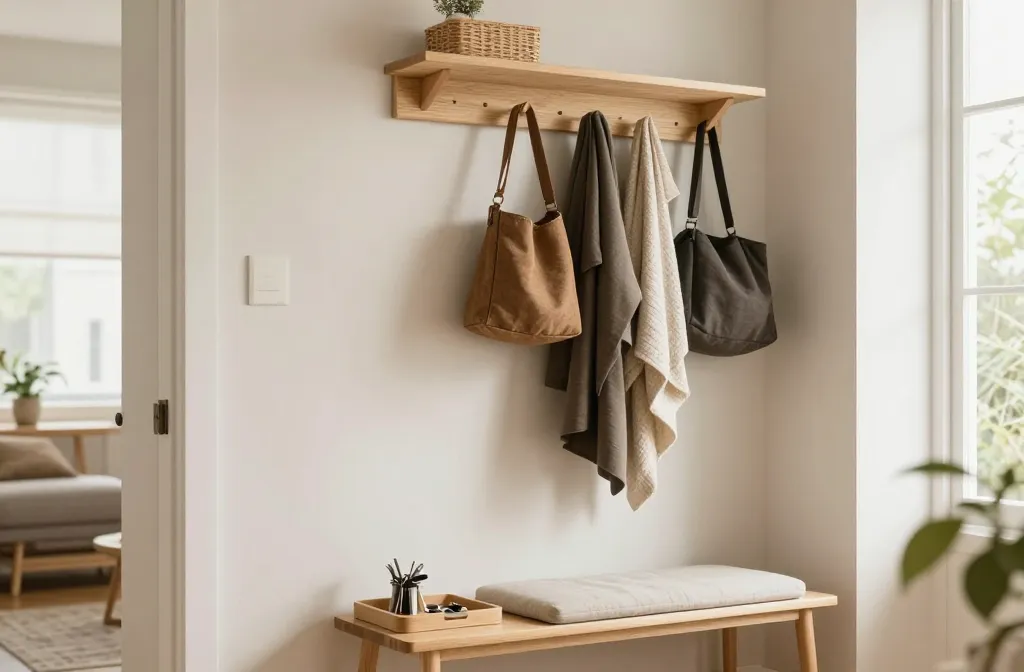
- Set up a dedicated “drop zone” near the door with a slim bench or narrow console.
- Place a tray or shallow basket for keys, mail, and sunglasses. No more scavenger hunts.
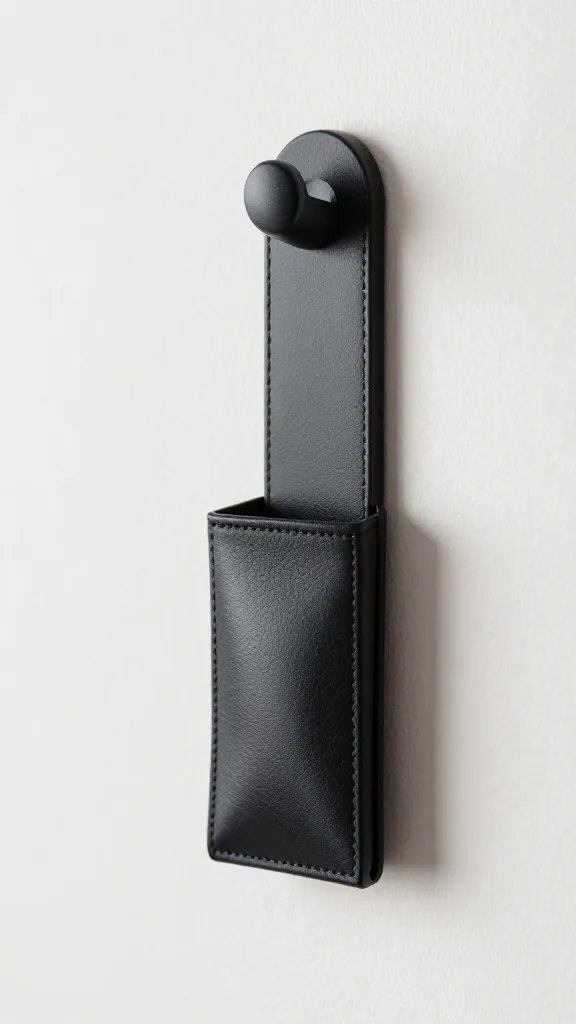
- Use a wall-mounted shelf or hooks to keep items off the floor and at eye level.
Wall hacks that actually work
– Hooks at different heights for coats, bags, and hats. Kids’ stuff goes lower; adults’ stuff goes higher.
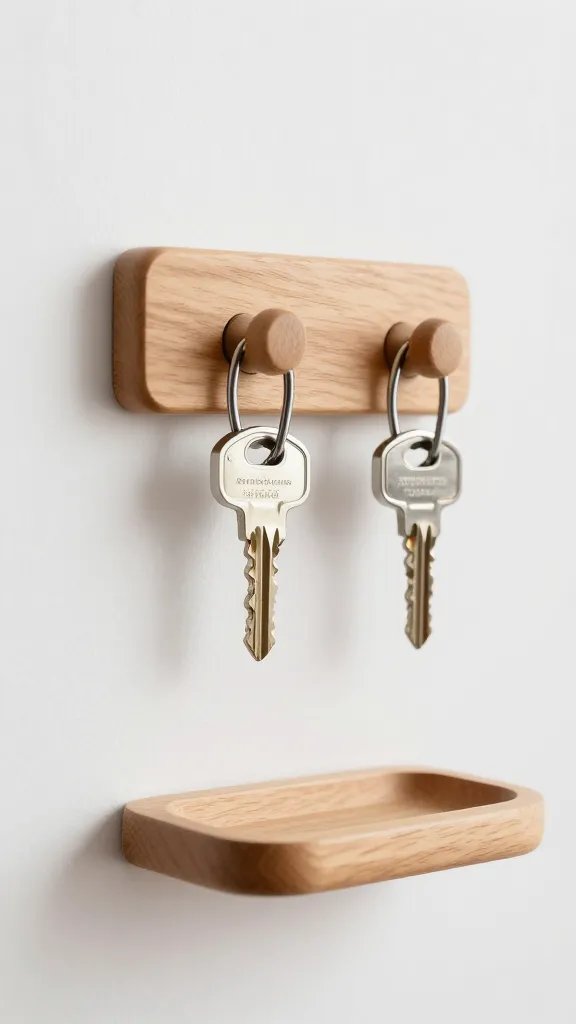
– A slim peg rail or a magnetic knife strip repurposed for metal key fobs (fancy, right?).
– A shallow cabinet with drawers for seasonal items, tucked out of sight.
Maximize storage without reclaiming the entire foyer
Small spaces love clever storage. The trick is to borrow vertical space and hide what you don’t need to see.
- Over-the-door organizers for shoes or cleaning supplies.
- Floating shelves above the bench to hold phones, mail, and decorative pieces.
- A narrow wardrobe or coat rack with a hidden drawer for small accessories.
Bench credibility: seating that stores
A bench with a lift-up seat or a hollow underside offers instant storage for shoes, umbrella sleeves, or seasonal gear. It doubles as a waiting spot for donning winter boots or tying laces, which is basically the entryway’s raison d’être.
Lighting that makes the space feel bigger (and less moody)
Good lighting is the unsung hero of functional spaces. A hallway that glows feels bigger, friendlier, and easier to navigate.
- Install a bright ceiling light or a small chandelier that spreads light evenly.
- Add a plug-in wall sconce or an LED strip behind the bench for a soft glow at night.
- Use mirrors strategically to bounce light around and give the illusion of space.
Mood vs. function: a tiny balancing act
Always consider color temperature. A daylight white (around 4000K–4500K) makes space feel open and clean, while a warmer tone (2700K–3000K) can feel cozy. If you’re torn, go cool for task lighting near the door and warm for ambient lights in the seating area.
Make every nook count: smart, small-scale upgrades
You don’t need to tear out anything to upgrade. Tiny upgrades can deliver big payoff.
- Install a pull-down drying rack near the door for jackets and towels when you’re muddy from a hike.
- Label bins or baskets to keep items organized and easy to grab on the way out.
- Use a chalkboard or metal board for quick notes, groceries, or weekly schedules.
Materials that don’t fight with your style
Choose durable, easy-to-clean materials for high-traffic zones:
– Laminates or solid wood for benches and surfaces that get bumped.
– Metal or powder-coated hooks for longevity.
– Woven baskets for a warm, lived-in vibe that hides dirt and clutter.
Let shoes do less damage: a practical footprint control plan
Shoes are basically the entryway’s arch-nemesis. But with a few pragmatic tweaks, you can keep mess under control.
- Use a dedicated shoe tray or a shallow basket at floor level to corral mud and grit.
- Place a doormat both inside and outside to catch the worst of the dirt.
- Consider a small, easy-clean rug that covers only the entryway floor area.
When to fail elegantly (and clean up fast)
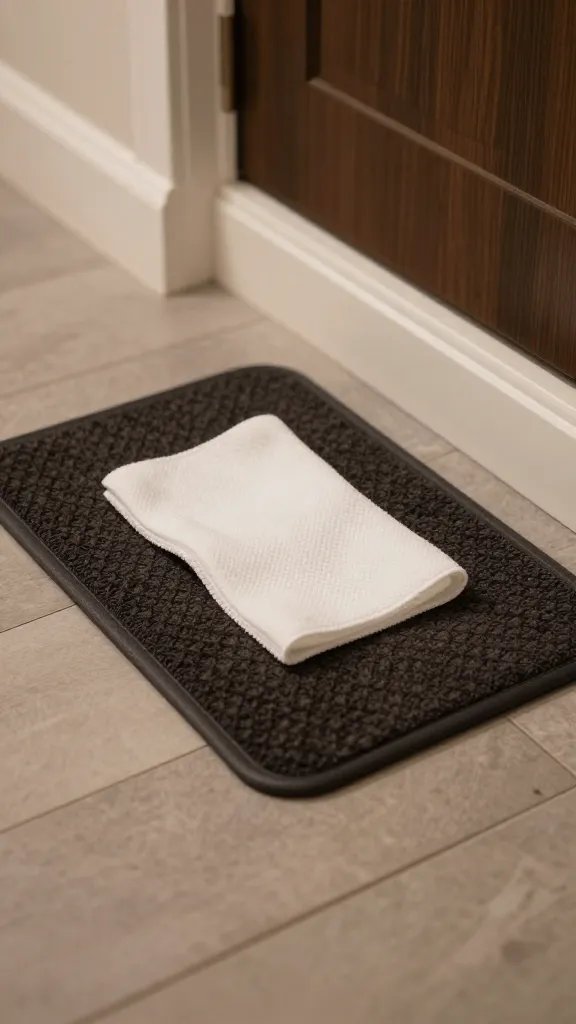
If your entryway gets a lot of rain or snow, designate a “wet zone” with a micro-fiber mat and a spare towel. Rinse and repeat weekly, and you’ll be amazed how much cleaner everything stays.
Style touches that make it feel intentionally yours
Function is important, but personality keeps the space from feeling clinical. Small design choices can punch up warmth and charm without affecting practicality.
- Add a small plant or a seasonal wreath for a welcoming feel.
- Choose a bold color on a single accent piece (like a bench or rug) to anchor the space.
- Use artwork or photos in compact frames to make the area feel lived-in and not sterile.
Personal touches that don’t clog the flow
Moderation is your friend. Pick one statement item and a couple of supportive pieces. For example, a colorful bench, one mirror, and a small tray for keys create a purposeful focal point without turning chaos into a museum exhibit.
FAQ
Can I truly avoid remodeling and still get a functional entryway?
Absolutely. The trick is organization, clever storage, and strategic lighting. You’ll be amazed how much a few hooks, a bench with storage, and a good mat can do.
What’s the best layout for a tiny entryway?
Keep the door swing free and create a clear path from door to main living areas. A slim console and a wall-mounted storage combo near the door typically works well. Think vertical storage first, horizontal second.
What materials hold up best in a high-traffic entryway?
Opt for durable materials like powder-coated metal, solid wood, and water-resistant laminates. Mats and rugs should be low-pile and easy to shake out or vacuum. FYI, avoid delicate fabrics in the main traffic zones.
How can I avoid clutter building up over time?
Set a daily 60-second reset: when you walk in, drop items into their designated spots, return items to their homes, and wipe surfaces if needed. Regularity beats heroic cleanup sessions.
Are there budget-friendly options that still look stylish?
Definitely. Thrifted finds refreshed with a fresh coat of paint, affordable IKEA pieces, and DIY organizers can look incredibly polished. A well-aimed coat of paint on a bench can change the whole vibe.
Conclusion
Tiny entryways don’t have to stay tiny in spirit. With a purposeful drop zone, smart storage, better lighting, and a few personality touches, you can turn a cramped vestibule into a welcoming, functional hub. You don’t need a contractor or a thousand-dollar budget to make a big difference—just a little planning, some elbow grease, and maybe a sassy squeaky-clean rug. So go ahead: map out your two must-haves, grab a peg rail, and start converting chaos into order. FYI, your future self will thank you every time you walk in.