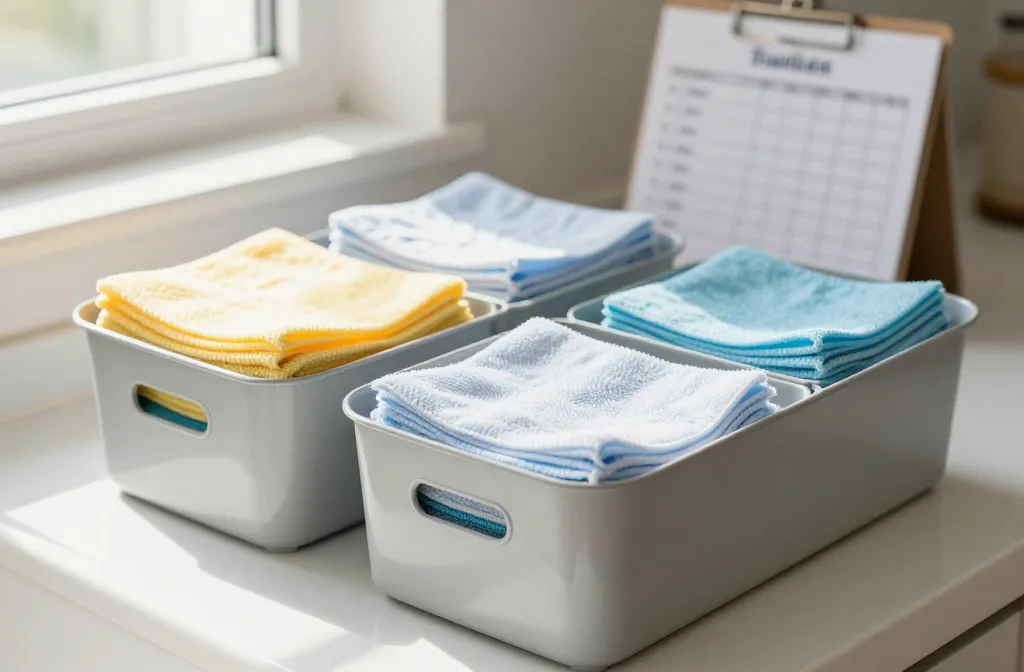

Is your cleaning stash turning into a jumbled fabric famine? Rags and microfiber cloths deserve better. With a few simple organizing tricks, you’ll save time, keep germs at bay, and actually enjoy grabbing that rag for the next mess. Let’s turn chaos into a neat, breathable system you’ll thank yourself for later.
Why organize your rags and microfiber now?
– A tidy stash means you reach for the right cloth every time, not the first thing you find buried under a pile.
– Fresh, clearly labeled bins cut down on cross-contamination and extend cloth life.
– You’ll save money by avoiding unnecessary replacements and re-washing the same rag repeatedly.
Assess what you’ve got: types, counts, and needs
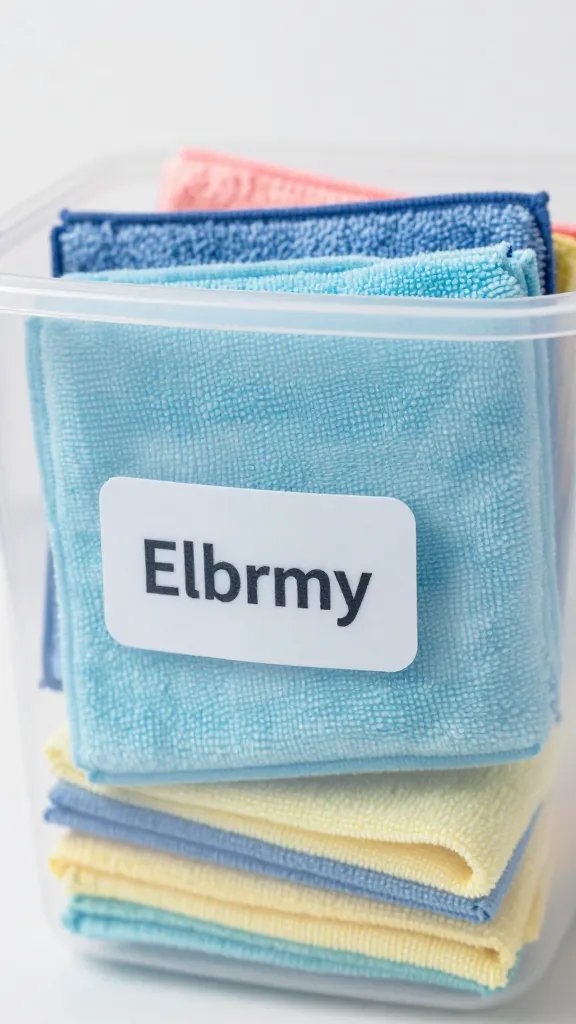
Before you sort, do a quick audit. Think about where you use each cloth and how dirty it tends to get.
- Rags typically come in cotton, old T-shirts, or towels. They’re great for heavy-duty scrubbing and general messes.
- Microfiber cloths excel at dusting, polishing, and picking up fine grime. They’re not all created equal—some are plush for grime, others are waffle for moisture.
- Separate by clean side and gross side in your mind: kitchen messes vs. bathroom grime vs. car/garage use.
Storage strategies that actually work
A good system is simple, repeatable, and forgiving if you forget to do laundry for a day.
The three-bin quick-sort
– Clean rags go in one bin, clearly labeled.
– Soiled rags go in a separate bin to be washed soon.
– Discards go in a third, for rags that are beyond saving.
Keep microfiber separate from cotton
– Wash microfiber separately from cotton to preserve fibers and avoid lint transfer.
– Use a mesh bag for small microfiber squares to prevent them from getting lost in the washer.
Labeling that actually helps
– Use bold labels: “Clean Microfiber,” “Soiled Rags,” and “Heavy-Duty Rags.”
– Add default wash instructions on the label if you share the space with others.
Washing rituals that extend life
This is where most people trip up. Cleanliness is less about scrubbing and more about smart washing habits.
Separate cycles for joy and disaster
– Color-coded wash is your friend: whites/bleached rags together, colors together, microfiber separately.
– Never mix chlorine bleach with microfiber. It damages fibers and reduces effectiveness.
– For microfiber, use a mild detergent and avoid fabric softener and dryer sheets.
When to wash and how often
– Wash cotton rags after a few uses if they’re visibly dirty or contaminated (kitchen grease, raw meats, etc.).
– Wash microfiber after every major cleaning job if you’re swapping between different high-contamination areas.
– If you’re unsure, err on the side of washing sooner rather than later. FYI, stinky rags are no one’s favorite aroma.
Drying tips that keep fibers happy
– Air-dry when possible; it preserves fiber integrity.
– If you use the dryer, low heat is your buddy. High heat can shorten the life of microfiber.
– Don’t mix damp microfiber with heavy towels in the dryer; the fluff can transfer.
Color-coding and care labels: a nerdy but effective approach
Smart color logic keeps you sane during a busy cleaning sprint.
- White/mold-friendly for bathrooms and kitchens (bleach-safe if you use it, but check labels).
- Blue/green for general dusting and surfaces (less likely to show grime).
- Yellow/gray for heavy-duty scrubs and car work.
- Microfiber in its own batch, clearly separated by wash day.
Care label tricks you’ll actually use
– Add a quick note on care labels with a dry-erase marker: “Use cold water,” “No fabric softener,” “Air-dry.” This helps if you have roommates or a rotating cleaning crew.
– Create a mini reference card near the laundry area: wash temp, detergent type, and whether to tumble dry.
Maintenance cadence: a routine that sticks
A little regular discipline beats a big, messy reset. Here are easy routines you can actually keep.
Daily/after-use habits
– Rinse out used rags quickly after heavy kitchen or garage use to prevent staining and odor.
– Return each rag to its designated bin immediately. Procrastination makes bins overflow.
Weekly refresh plan
– Do a quick audit: discard any torn or stained pieces.
– Run a dedicated wash cycle for microfiber if you used it heavily that week.
– Wipe down bins and the storage area to keep things fresh.
Monthly audit
– Check color-coded labels for wear and replace as needed.
– Replace any rags with holes or frayed edges that could snag surfaces.
– Reassess your storage layout; small changes can save big time.
Practical setups for different spaces
Your home isn’t one-size-fits-all, so tailor the system to fit your space.
Small apartment setup
– Use stackable boxes with clear fronts for visibility.
– One compact bin for clean rags, one for soiled, and a small bag for microfiber.
– Keep a tiny wipe-down notebook or app reminder to track laundry days.
Garage or workshop setup
– Heavy-duty bin for rags used with paint or solvents (follow safety rules for solvents).
– A separate “car care” microfiber bin to avoid cross-contamination with kitchen surfaces.
– Consider a wall-mounted organizer to save floor space.
Family-friendly setup
– Assign color-coded bins per family member or room (kitchen, bathroom, living area).
– Use a shared “wash day” calendar to avoid pile-ups.
– Keep a spare set of rags in rotation for busy weeks.
Common pitfalls and how to dodge them
We’ve all been there: a rag pile that looks intimidating rather than helpful.
- Overloading the washing machine with mixed fabrics? Not ideal. Separate microfiber from cotton for best results.
- Using fabric softener on microfiber? That’s a trap. It coats fibers and reduces absorption. Stick to detergent.
- Ignoring odor buildup? Air-dry as much as possible and wash promptly after use.
FAQ
Can I wash microfiber with regular towels?
It’s not ideal. Microfiber needs its own washing cycle to preserve lint-free performance. If you must, use a separate wash with cold water and no fabric softener, then air-dry or low-heat dry.
How often should I replace rags vs. microfiber?
Replace when they’re torn, frayed, or no longer hold grime well. Microfiber may last longer if cared for properly, but once color fade or stiffness sets in, it’s time to retire them.
Is it better to dry microfiber or air-dry?
Air-drying preserves fiber integrity and effectiveness. If you need to speed things up, tumble on low heat, but avoid high heat which can degrade fibers over time.
What’s the best way to prevent cross-contamination?
Always separate by type and use dedicated bins. Label clearly, and wash sorted batches separately. FYI, a quick wipe-down of bins with a mild cleaner can reduce lingering smells.
Do I need a sanitizer step for rags?
For kitchen and bathroom messes, a hot wash with detergent is usually enough. If you’re dealing with raw meat or strong microbes, you can run an extra hot cycle or add a splash of white vinegar to the wash to boost sanitation, but don’t overdo it with harsh chemicals on microfiber.
Conclusion
Organizing your cleaning rags and microfiber cloths isn’t glamorous, but it pays off in spades. A clear system saves time, reduces cross-contamination, and makes laundry day a lot less dramatic. Start with a quick audit, pick a simple storage plan, and stick to a washing cadence. Soon you’ll reach for the right cloth without thinking twice, and you’ll actually enjoy the little win of a neat cleaning corner. IMO, a tidy stash is the quiet hero of any home cleanup routine.