
Start with a short, punchy introduction that immediately grabs attention and sets the vibe. No fluff, just the good stuff.
You’ve got an open shelf and a taste for chic, not clutter. Let’s get it organized, styled, and actually enjoyable to look at. FYI, a little intention goes a long way here.
Why open shelves deserve a little plan (before you start stacking)
Open shelves are loud—they show everything. That’s not a bad thing, as long as you curate the chaos. A thoughtful approach turns chaos into confidence: you’ll have a display that looks intentional, not accidental. Ready to flex your inner interior designer?
1. Start with a simple framework
A solid plan beats a random assortment every time. Build a framework so you know what belongs there and what doesn’t.
- Choose a color family and stick to it for the visible items.
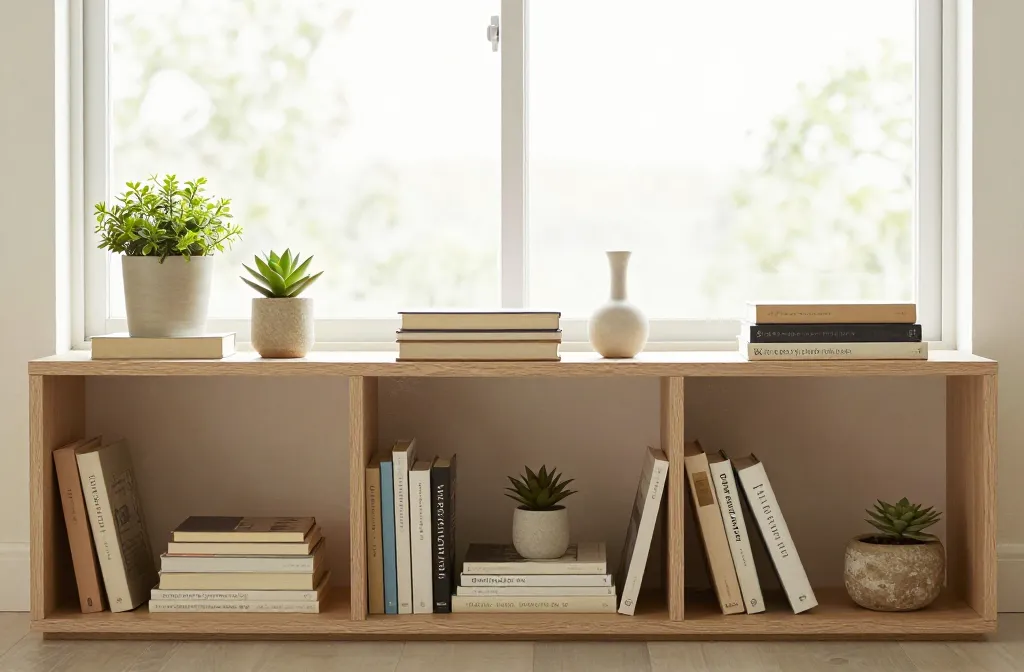
- Decide a mix of objects: books, plants, and a few statement pieces.
- Leave breathing room between clusters so each item can shine.
Subsection: The “three-group” rule
Think in threes: group items into three distinct clusters per shelf, then mix heights and textures. It’s visually satisfying and keeps you from overloading one side. Like the three-second rule, but for shelves.
2. Curate your books with intention
Books are the bones of an open shelf. They add warmth and color, but they can also look chaotic fast.
- Alternate vertical stacks with horizontal rows for texture.
- Try color-blocking: group books by spine color to create a subtle rainbow or monochrome look.
- Use bookends that feel decorative, not clunky.
Subsection: dos and don’ts for book-heavy spans
Do: rotate titles occasionally so the shelf evolves with you. Don’t: cram every single favorite into the same shelf—give some air to the rest of the room.
3. Greenery and life: plants that survive your life
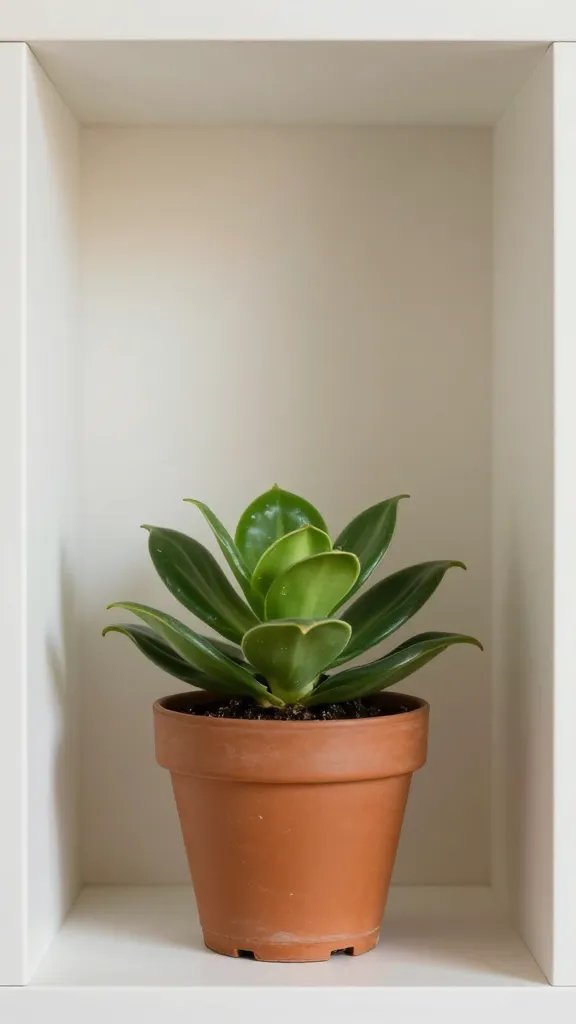
Plants soften lines and add freshness. They also reward minimal care with maximum vibes.
- Choose low-maintenance options like pothos, ZZ plants, or a small succulent cluster.
- Place plants at varying heights to create a natural rhythm.
- Let soil show a little texture—don’t hide every pot in a velvet cave.
Subsection: lighting matters
If your shelf isn’t near a window, think about a tiny LED strip or a mini lamp. Mood lighting turns “clean and neat” into “cozy and stylish” in seconds. IMO, lighting is the unsung hero of shelf styling.
4. Personalize with a few standout pieces
This is where your shelf stops being a showroom and starts feeling like you.
- Pick 1-2 statement items: a sculptural object, a framed piece of art, or a bold vase.
- Repurpose items you already own—don’t buy everything fresh unless you love it.
- Balance bold pieces with quieter ones so nothing competes too hard.
Subsection: sentimental items without the clutter
If you’re attaching a memory to an object, give it a dedicated spot instead of scattering it everywhere. A single framed photo or a keepsake in a decorative tray can carry meaning without chaos.
5. Textures and materials that play nicely
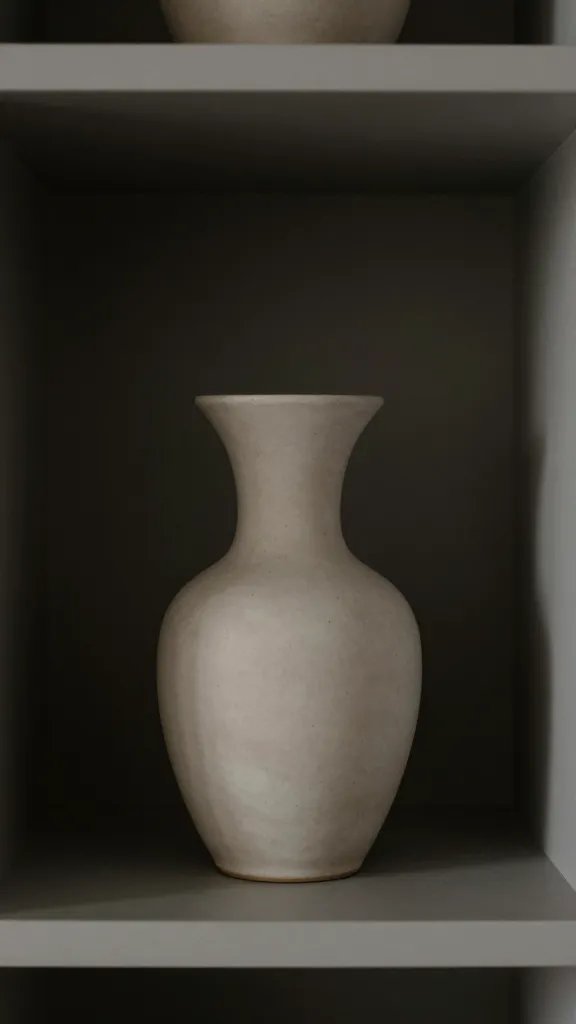
Nice shelves benefit from a mix of textures. It keeps the eye moving and prevents flatness.
- Combine matte ceramics with glossy surfaces and natural wood.
- Layer fabrics like a small textile piece or a woven tray to add softness.
- Use baskets or boxes for hidden storage that still looks curated.
Subsection: color, texture, and balance
Texture is your friend; it keeps the shelf tactile and inviting. If you’re sticking to a neutral color palette, let texture be the hero. If you’re feeling adventurous, add a pop color but keep it restrained.
6. The art of rotation: keep it fresh without chaos
Your shelf should evolve with you, not become a data dump of your life’s decisions.
- Set a monthly micro-refresh: swap one item, move two items, switch a color block.
- Seasonal edits work wonders: lighter pieces in summer, cozier textures in winter.
- Label shelves mentally or physically to remind yourself what belongs where.
Subsection: rotation hacks that actually work
If you don’t want to reorganize all the time, keep a small “seasonal swap tray” with a few items you rotate in and out. It keeps energy high without turning your living room into a workshop.
7. Practical tips to keep it organized long-term
Organization isn’t a one-and-done task; it’s a habit.
- Limit the number of items on each shelf to 5–7 focal pieces.
- Always leave a little negative space; it makes the arrangement breathe.
- Keep a “misc” tray for loose odds and ends that would otherwise wander.
Subsection: if you’re short on storage
Use decorative boxes or woven baskets to hide everyday clutter. The shelf looks intentional, even if you hide a few things behind closed lids.
8. Common mistakes to avoid
We’ve all been there, stacking and hoping for a miracle. Don’t.
- Avoid stacking too high—eyes need air, not a vertical obstacle course.
- Don’t mix too many metals in one place; pick a unifying metal tone.
- Skip overpet items that don’t fit your color story or function.
FAQ
How many items should I put on an open shelf?
Start with a few curated clusters per shelf, not a full-on museum. Aim for 5–9 focal pieces total across a typical two-shelf setup, plus space for plants or small accessories. If it feels crowded, remove one item and reassess the balance.
What if I don’t have many decorative pieces?
Mix in functional objects you actually use, like a stylish tray for keys or a pretty storage box. Books, a plant, a photo frame, and a small sculpture can do a lot of heavy lifting. The goal is to tell a story, not to win a trophy for “Most Objects on Display.”
Can I hang some shelves higher or lower to improve look?
Yes. Height matters. Aim for a midline that’s comfortable to view at eye level when you’re standing. If you’re stacking several shelves, maintain a consistent vertical rhythm so the arrangement feels intentional rather than accidental.
How do I keep dust from making everything look dull?
Wipe down every couple of weeks and dust items individually. If you want less maintenance, choose materials that don’t attract fingerprints or dust as easily—ceramics, wood with a matte finish, and glass tend to show less grime than glossy plastics.
Is it okay to mix styles on open shelves?
Totally. The trick is cohesion. Tie different styles together with a shared color, texture, or a unifying background (like a single shelf color or a neutral backdrop). It looks curated when done with a light hand and a lot of confidence, IMO.
Conclusion
Open shelves don’t have to be a mess of random things. With a little planning, a dash of personality, and a wink of humor, you can turn them into a stylish, organized highlight of your space. Start with a simple framework, curate like a pro, and let the shelf evolve with you. FYI, the more you practice, the better your eye gets at spotting what belongs and what doesn’t. You’ve got this—go make it sing.