
I get the struggle. Small spaces, big board game energy. You want shelves that don’t crumble your spine, and storage that actually makes setup faster than a coffee run. Let’s make your games fit your life, not the other way around.
Smart Planning: Know What You Actually Own
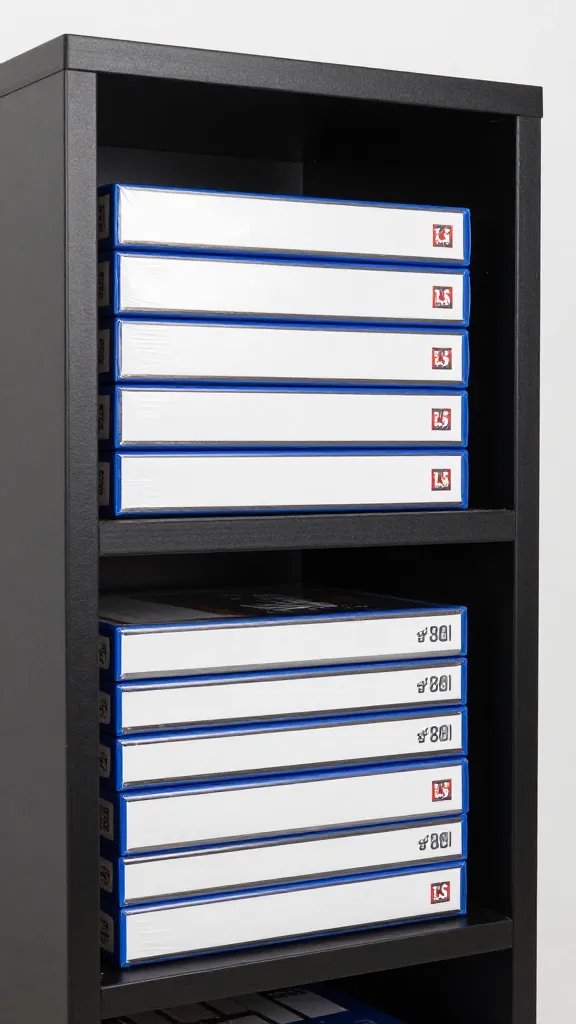
First move: take inventory. Do you own 25 tiny card games or a colossal shelf of heavy euros? Type, size, and frequency of play matter more than you think.
- Separate regulars from one-offs. Put the front-runners within arm’s reach.
- Sort by size and type. Cards, boxes, minis, and big strategy games all have different needs.
- Note expiration dates for accessories? Fine—jazz hands optional, but having a plan helps.
Storage Solutions for Tiny Spaces
Your home may be cozy, but your game closet doesn’t have to be chaotic. Try these practical setups to maximize every inch.
Vertical Real Estate
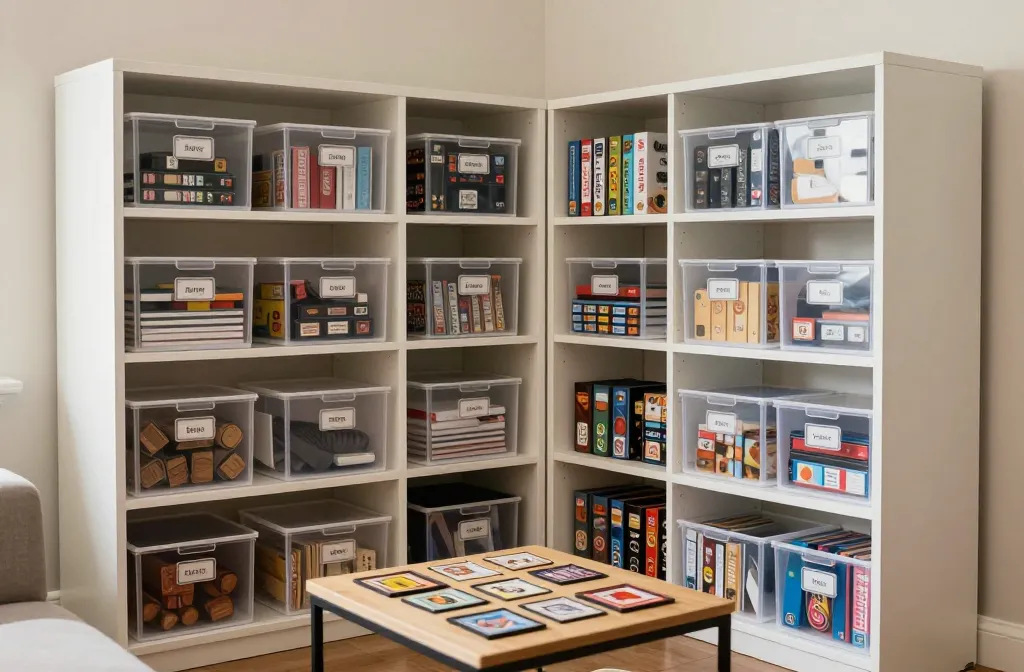
Stacking shelves or tall bookcases uses wall space without stealing floor area. Consider:
- Stackable storage bins labeled clearly
- Clear-front boxes so you can see contents without digging
- Corner shelving to reclaim awkward nooks
Modular and Stackable Containers
Invest in containers that snap together or stack neatly. Bonus points if they clamp shut to keep dust away and pets out.
- Use vestigial lids as dividers for similar games
- Label by genre, weight, or number of players
- Keep dice, tokens, and bling in separate zip pouches
Sizing Up Your Boxes: Fit, Not Fright
Box size matters almost as much as the game itself. A well-fit box slides into a shelf like it belongs there. A badly fit box turns your joyride into a jigsaw puzzle.
Choosing the Right Boxes
– Standard game boxes: keep as is, but consider adding felt or drawer liners to reduce noise and wear.
– Smaller card games: snapchat-sized organizers keep everything visible.
– Deluxe editions: a little extra padding pays off in the long run.
- Measure your shelves before you shop. Trust me, those “universal” boxes lie.
- Consider resealable bags for inserts and promos to save space.
- Use magnetic strips or velcro to hold lids in place during transport.
Labeling Like a Pro
Labels save time and mental space. If you can’t recall what’s in a box at a glance, it’s not a win.
- Front-facing spine labels for shelved boxes
- Color codes for families: party games, strategy, family, etc.
- Tiny checklists inside lids for quick recall of components
<h2 Easy Access: Make Setup a Breeze
The best storage is the storage you actually use. Don’t make getting to your games a scavenger hunt.
Dedicated Play Zones
Even in small homes, you can carve out a mini-corner or mobile setup.
- Use a rolling cart for game nights: bring it to the table, roll it away when done
- A fold-out table or a sturdy tray table doubles as a game surface
- Keep a “tray pack” with 2–3 games you rotate weekly
Accessibility That Feels Like Magic
– Put the games you’re currently playing in the easiest-to-reach spots.
– Keep expansion packs nearby, but not taking up prime space unless you actually open them.
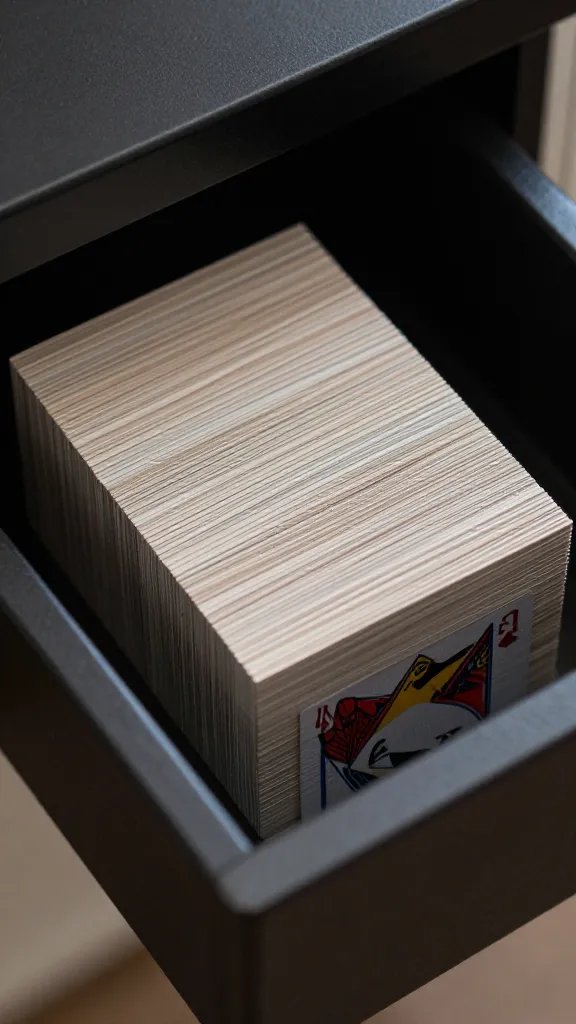
– Use drawer dividers to keep components separated and scannable.
<h2 Protection Without the Fear: Preserving Your Collection
Your games deserve a spa day, not a back-alley tumble. A little care goes a long way.
Tighten Up Climate Control
– Avoid damp basements and hot attics. Humidity can warp boards and warp your mood.
– Use silica gel packs in boxes that tend to get moisture in humid months.
– If you’re in a damp climate, consider dehumidifiers in the main storage area.
Dust and Dirt, Begone
– Clear, breathable storage is your friend. Cloth bags or fabric liners reduce dust buildup.
– Regularly wipe shelves and boxes with a dry microfiber cloth.
– For cards, consider sleeves or top-load protectors to extend life.
<h2 Travel-Friendly Storage: On the Move But Not Losing Pieces
You’re not just storing at home—you’re carting games to friends, family, and gaming nights.
Portable Game Bags
– Use soft-sides bags for lightweight boxes; they’re easier to carry and pack into a car.
– Choose bags with internal dividers to keep components from rattling.
Travel Totes for Tiny Games
Project idea: a tote with a few selected favorites, dice, and a small play surface. It’s the “grab-and-go” mindset for impromptu sessions.
<h2 FAQ
How do I start when my shelves are already full?
Start with a purge. Pull everything out, categorize, and decide what you’ll keep, rotate, or donate. Re-shuffle based on what you actually play in the next month. FYI, you’ll be surprised how many boxes you forgot you owned.
What’s the best way to store oversized or awkward boxes?
Think vertical, not horizontal. Use tall, narrow shelves or dedicated crates that can hold chunky boxes standing up. If needed, compress with foam separators to keep shapes neat.
Should I separate expansion packs from core games?
If you play expansions regularly, keep them near the base games. If they’re rarely used, store separately but labeled clearly. It saves time and avoids “I know this is somewhere” moments.
How can I make my space feel bigger with board games?
Mirror, light colors, and transparent storage can visually expand a space. Keep the surface clear and pick a couple of eye-catching storage pieces to avoid clutter.
Is it okay to stack boxes?
Yes, but don’t stack too high or too heavy. Use sturdy, uniform boxes, and place lighter boxes on top. Label the stacks so you don’t have to play Jenga every time you want a game.
Any quick tips for apartment living?
Go modular. Favor modular shelves, shallow bins that slide in and out easily, and storage under beds for less-used titles. Keep a “nightstand drawer” for a couple of games you can grab in a pinch.
Conclusion
Small home, big game love—there’s no contradiction here. Build a system that fits your space, not the other way around. When your games are organized, you’ll actually want to pull them out, play, and invite friends over without a scavenger hunt for missing dice. FYI, the payoff is a home that feels calm, not chaotic. Start with one shelf, one box, one label, and level up from there. You’ve got this.