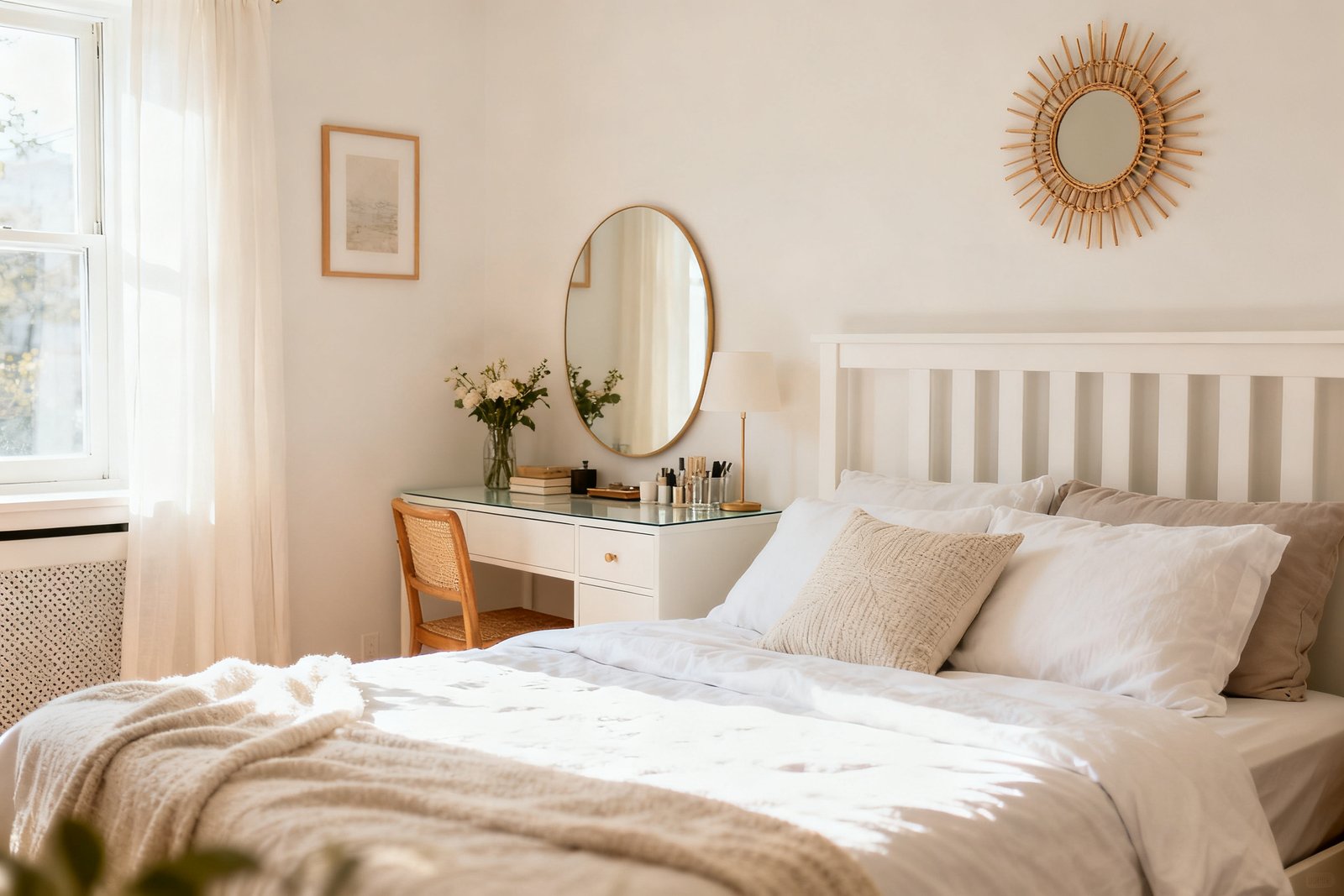

A tidy bedroom doesn’t need expensive furniture or a full weekend overhaul. With a few smart habits and low-cost tools, you can keep clutter under control and make your space feel calm and functional. Use the ideas below to set up systems that are easy to maintain on a busy schedule.
Start With a Fast, Realistic Declutter
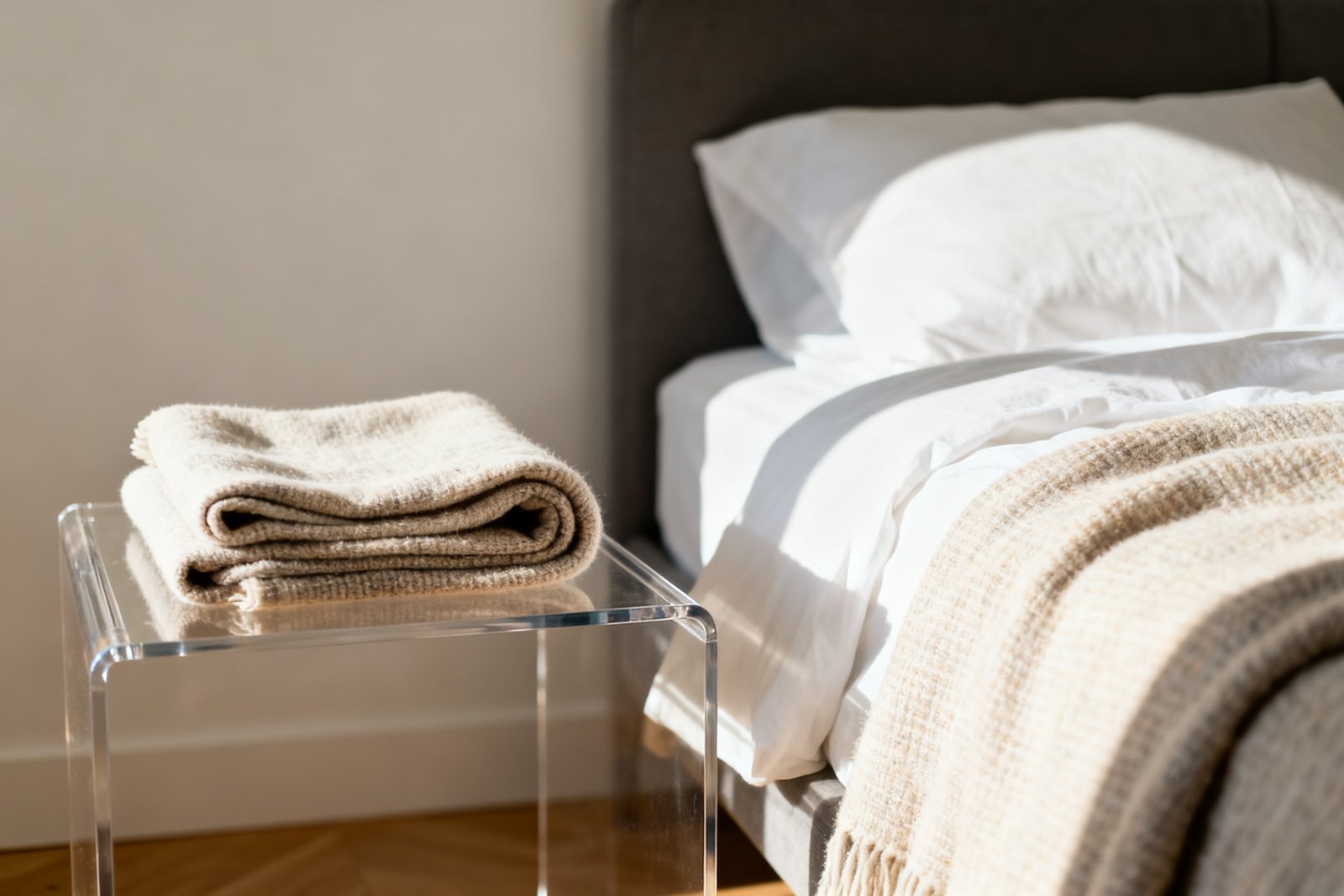
You don’t need to empty the entire room. Work in short bursts and make quick decisions about what stays and what goes. Aim for visible surfaces first—bed, nightstands, floor—so the room feels better fast.
15-Minute Sweep
- Grab two bags: donate/sell and trash.
- Clear the bed: toss laundry to the hamper, trash small bits, and put books/tech in one pile to sort.
- Do a floor path check: shoes together, cords tucked, papers corralled.
- Empty nightstands of obvious clutter (wrappers, old receipts, dead pens).
- Take the trash out immediately, put the donate bag by the door.
Realistic example: Jess had piles on the floor and a nightstand covered in cups. In 15 minutes, she filled a grocery bag with trash, put three glasses in the sink, stacked two books on the nightstand, and moved shoes into a basket. The room looked 50% better without buying anything.
Make the Bed the Anchor
For more ideas, see our guide on how to keep your home calm and organized.
A made bed instantly reduces visual clutter and makes other messes feel smaller. It also gives you a clear surface for quick sorting when you need it.
Keep Bedding Simple
- Choose one fitted sheet, one duvet or coverlet, and two pillows you actually use. Skip extra throw pillows unless you love them.
- Consider a duvet with corner ties and a lightweight cover—easier to straighten daily.
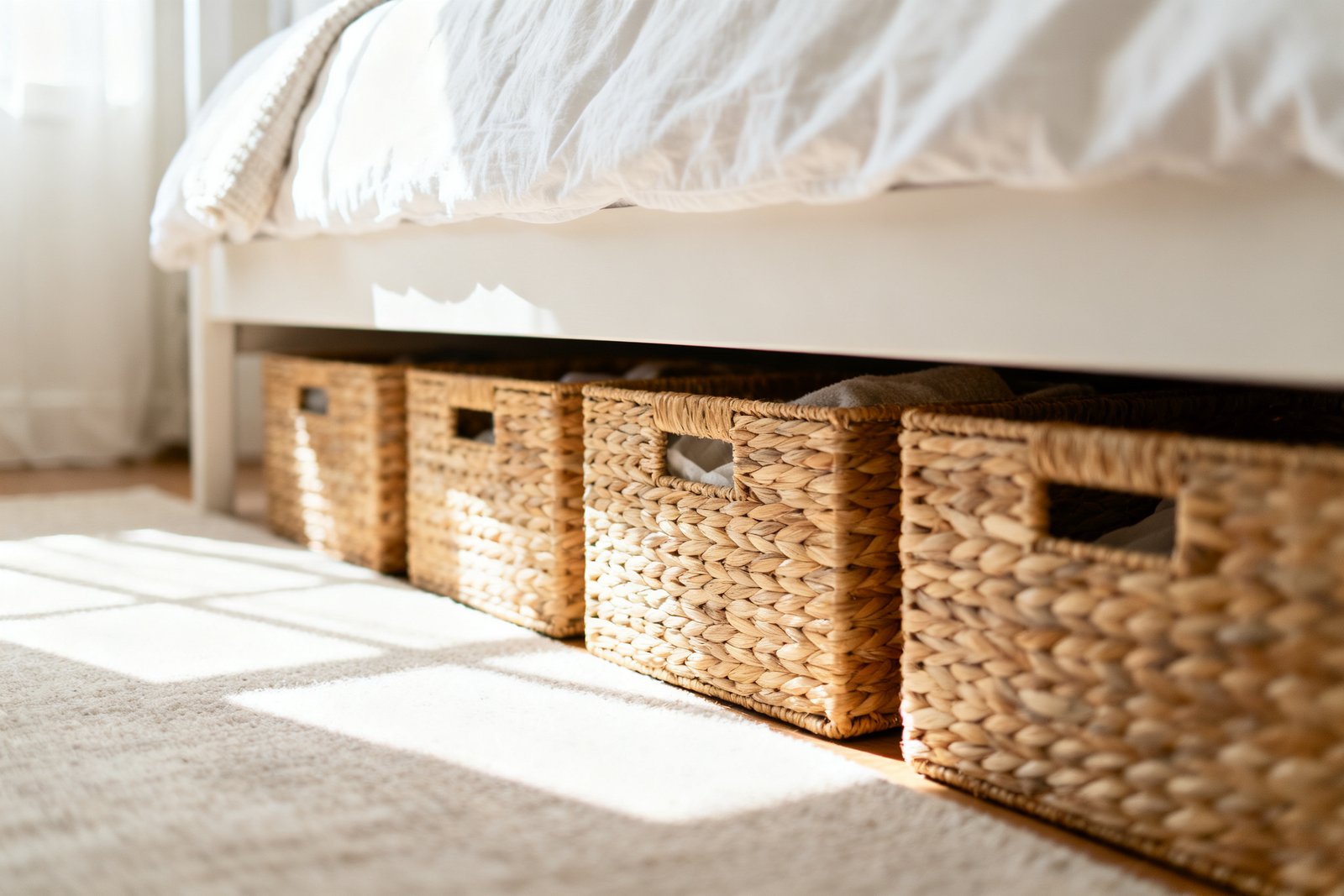
- Use a bed skirt or under-bed bins to hide necessary storage.
Budget tip: If your duvet shifts around, add four small clip-on duvet fasteners ($8–$15) to keep corners in place so making the bed takes 30 seconds.
Create Homes for the Usual Clutter
A calm bedroom starts with small habits. Our free 5-Day Budget Home Reset gives you one simple task a day to reset your whole home.
Clutter repeats. Solve the most common categories you see—clothes on chairs, random papers, charging cords, and “pocket dump” items—by assigning them specific homes you can reach without thinking.
Clothes: The Chair Problem
- Install two sturdy wall hooks ($6–$12 each) behind the door for “wear again” items. Limit to what fits on the hooks.
- Use a divided hamper (two-section pop-up, $12–$25) so you sort as you go—lights/darks or clean-ish/dirty.
- If drawers are overflowing, try file-folding t-shirts and leggings so they stand up. It makes it obvious what you actually wear.
Nightstand: Keep Only Night Items
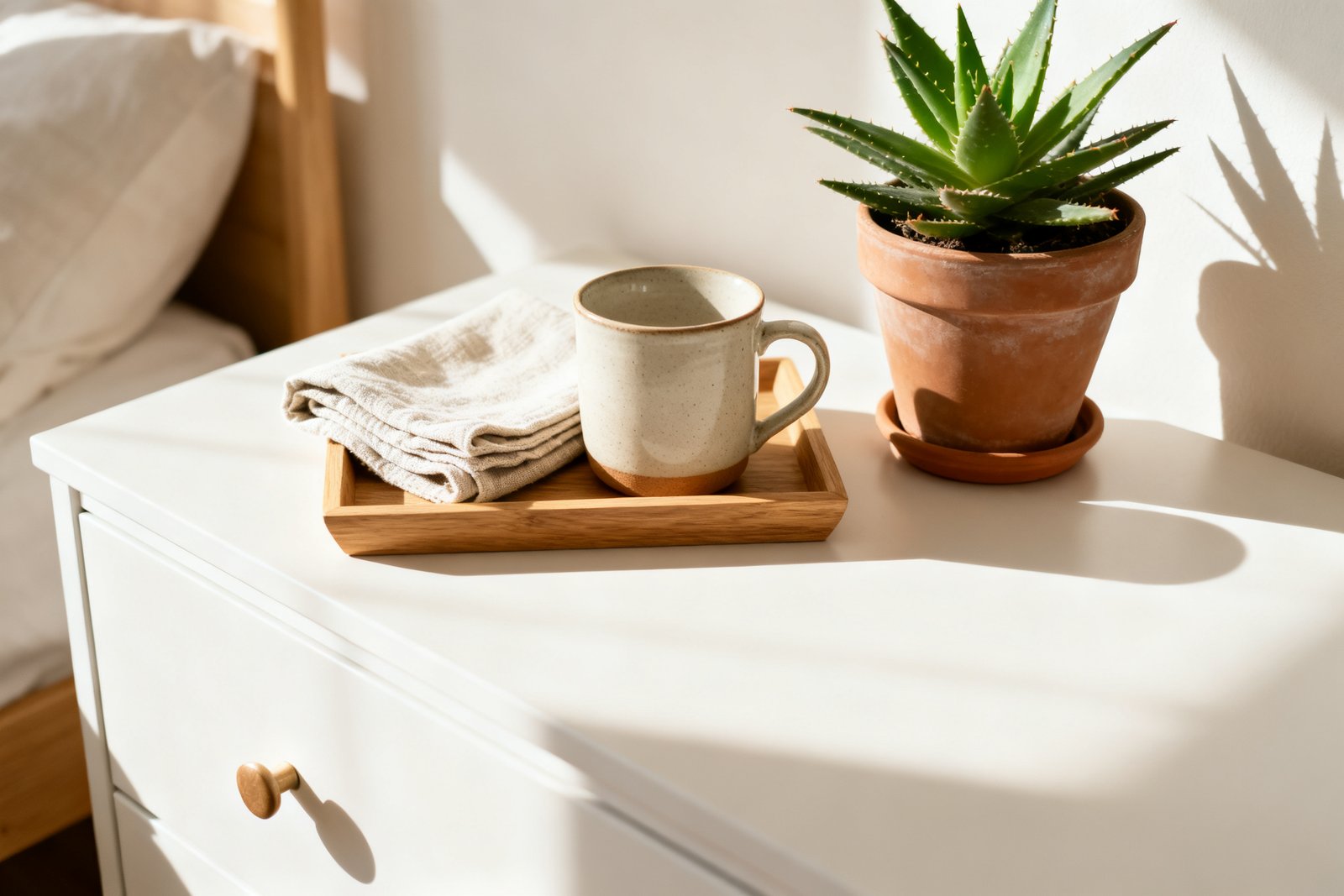
- Give yourself a small tray or shallow dish ($5–$10) for glasses, lip balm, and earbuds.
- Use a cable clip ($6–$12 for a pack) to keep a charging cord in reach without tangling.
- Limit books to two. Create a tiny “current reads” stack and return extras to a shelf or donate pile.
Papers: Corral, Then Reduce
- Use a single vertical magazine file or slim folder ($4–$10) labeled “Action” and keep it out of the bedroom if possible. If it must live there, put it on a shelf, not your nightstand.
- Scan or photograph receipts you need and recycle the rest. Most stores can reprint with a card lookup.
Tech and Cords
- Mount a $10–$20 under-shelf cable tray or adhesive cord clips to keep cables off the floor.
- Place a small basket ($5–$12) under the nightstand for power bank, tablet, and e-reader. If it doesn’t fit, it lives elsewhere.
Use Hidden Storage (Inexpensive and Effective)
It also helps to check out under-bed storage ideas.
Small budgets can still add tons of function. Think vertical and under-used spaces first. Measure before buying so everything actually fits and earns its place.
Under the Bed
- Low rolling bins ($15–$30 each) for off-season clothes, extra linens, or shoes you don’t wear weekly.
- Clear, lidded under-bed shoe boxes ($2–$5 each) if you need visibility. Add painter’s tape labels.
Closet Upgrades
- Thin velvet hangers ($18–$25 for 50) instantly add space and keep clothes from sliding.
- Hanging shelf organizer ($12–$20) for sweaters, jeans, or bags—great if you lack drawers.
- Over-the-door hooks ($8–$18) for robes, hats, or tomorrow’s outfit.
Nooks and Walls
- Floating shelves ($15–$30 each) over nightstands to free surface space.
- Wall-mounted peg rail ($20–$30) for bags, scarves, and hats—set a max number of pegs you’ll use.
Budget tip: Repurpose sturdy shoe boxes inside drawers as dividers. Use cardboard cut to size for sock/underwear compartments. Free, and it keeps drawers from becoming black holes.
Adopt Two Non-Negotiable Daily Habits
Habits keep you from re-decluttering every month. Choose short, repeatable actions that tackle your biggest trouble spots. Set a daily 5-minute timer if needed.
1-Minute Reset Each Morning
- Make the bed.
- Put pajamas on a hook or in the hamper.
- Return nightstand items to their tray and plug in your cord.
3–5 Minute Evening Tidy
- Clothes either on a hook (wear again) or in the hamper (no chair pile).
- Clear cups and dishes to the kitchen.
- Put two items away that migrated: book to shelf, bag to closet, tech to basket.
If your schedule is tight, tie the tidy to existing routines—after brushing teeth or setting your alarm. Consistency beats intensity.
Smart Sorting: What to Keep, What to Let Go
Bedrooms collect “just in case” items. Keep what helps you sleep and get ready; rehome the rest. Be honest about duplicates and seasonality.
Keep These in the Bedroom
- Clothes, shoes you wear weekly, pajamas, undergarments.
- Linens (one extra set), a small laundry kit (hamper, stain stick).
- Nightstand essentials you use nightly.
Move Elsewhere
- Paperwork, craft supplies, workout gear you use in another room.
- Bulky luggage, extra blankets beyond one spare set.
- Anything you haven’t used in 6–12 months and don’t love.
Budget-friendly offloading: Host a mini swap with friends for unwanted decor or clothing. Sell higher-value items locally; aim for a one-week deadline so they don’t linger.
Keep Surfaces Clear and Useful
Flat surfaces attract clutter. Make it slightly annoying for stuff to land there by filling space with purposeful items, but not so much that it looks busy.
Nightstand Setup
- Tray or dish for tiny items.
- Lamp with a small footprint or wall sconce to free space.
- Water carafe or reusable bottle if you regularly bring cups to bed—one container, not three.
Dresser Top
- Limit to a jewelry stand or box, a small catchall for pocket items, and one decor piece you love.
- Mount a mirror on the wall instead of leaning one to keep the top clear.
Budget tip: Use a rigid mail sorter ($8–$12) as a vertical organizer for notebooks, e-readers, or slim beauty palettes to reduce surface sprawl.
Quick-Clean Routine That Supports Tidy
Cleaning and tidying aren’t the same, but a simple cleaning loop makes tidiness easier to maintain. The goal is low effort, high visibility.
- Daily: Make bed, clothes sorted, surfaces reset (3–6 minutes).
- Twice a week: Quick vacuum or sweep around the bed and closet entrance (5 minutes).
- Weekly: Wipe nightstand and dresser with a damp cloth; empty trash; swap sheets or pillowcases (10–15 minutes).
- Monthly: Edit one drawer or shelf; dust baseboards and vents (15–20 minutes).
Supplies: microfiber cloths ($6–$10 for a pack), a small trash can with lid ($10–$20), compact cordless vacuum if you have carpets (varies widely—budget options start around $60) or a simple broom/dustpan ($10–$15).
Mistakes to Avoid
- Buying bins before measuring. You’ll waste money and space. Measure length, width, and height first.
- Keeping “maybe” piles. Decide immediately: keep, donate/sell, or trash. “Maybe” becomes clutter.
- Overfilling nightstands. Drawers are not bottomless; use small containers inside to set limits.
- Storing off-season items in prime spots. Move them under the bed, top shelf, or out of the room.
- Skipping labels. Even painter’s tape and a pen help you maintain categories.
FAQ
How do I keep clothes from piling up again?
Reduce decision points. Install two wall hooks for “wear again” items and keep a divided hamper within arm’s reach of where you change. If something sits on a hook for a week, it either gets worn the next day or washed. This simple rule prevents the chair avalanche.
What if I have a tiny bedroom with no closet?
Use vertical storage aggressively: a garment rack with a cover ($30–$60), hanging shelves, over-door hooks, and under-bed bins. Assign one category per zone (e.g., rack for daily wear, bins for off-season). Keep the bed wall clean to reduce visual noise and make the space feel larger.
How many sets of bedding should I own?
Two is plenty for most people: one on the bed, one clean and stored. If storage is tight, keep one spare set and just a second pillowcase set for midweek swaps. Store the extra set in a pillowcase to keep it tidy and easy to grab.
What’s the fastest reset before guests arrive?
Make the bed, remove cups and dishes, empty the trash, and clear surfaces with a tray sweep—place stray items temporarily in a bin with a lid and store it under the bed. After guests leave, sort the bin immediately so it doesn’t become a long-term stash.
If you want to keep going, take a look at budget closet organization.
Once it's tidy, why not refresh it? The Budget Bedroom Makeover Planner gives you a simple, budget-friendly bedroom makeover plan.
Final Thoughts
A clutter-free bedroom is about small systems that match how you actually live: a place for near-clean clothes, a catchall that doesn’t overflow, and storage you can reach easily. Start with one or two changes—hooks for clothes, a tray for the nightstand—and build from there. With a few affordable tools and a short daily reset, your bedroom stays tidy without constant effort.