Small Room Makeover Inspiration Ideas That Actually Work (and Look Expensive)
Posted in :

Small space, big dreams? Same. You don’t need a demolition crew or a trust fund to make a tiny room feel stylish, functional, and surprisingly spacious. You just need a few smart moves that actually work in real homes (aka, not just on those perfectly staged photos you double-tap at 1 a.m.). Let’s make every inch pull its weight—and look good doing it.
1. Edit Ruthlessly, Then Style What’s Left
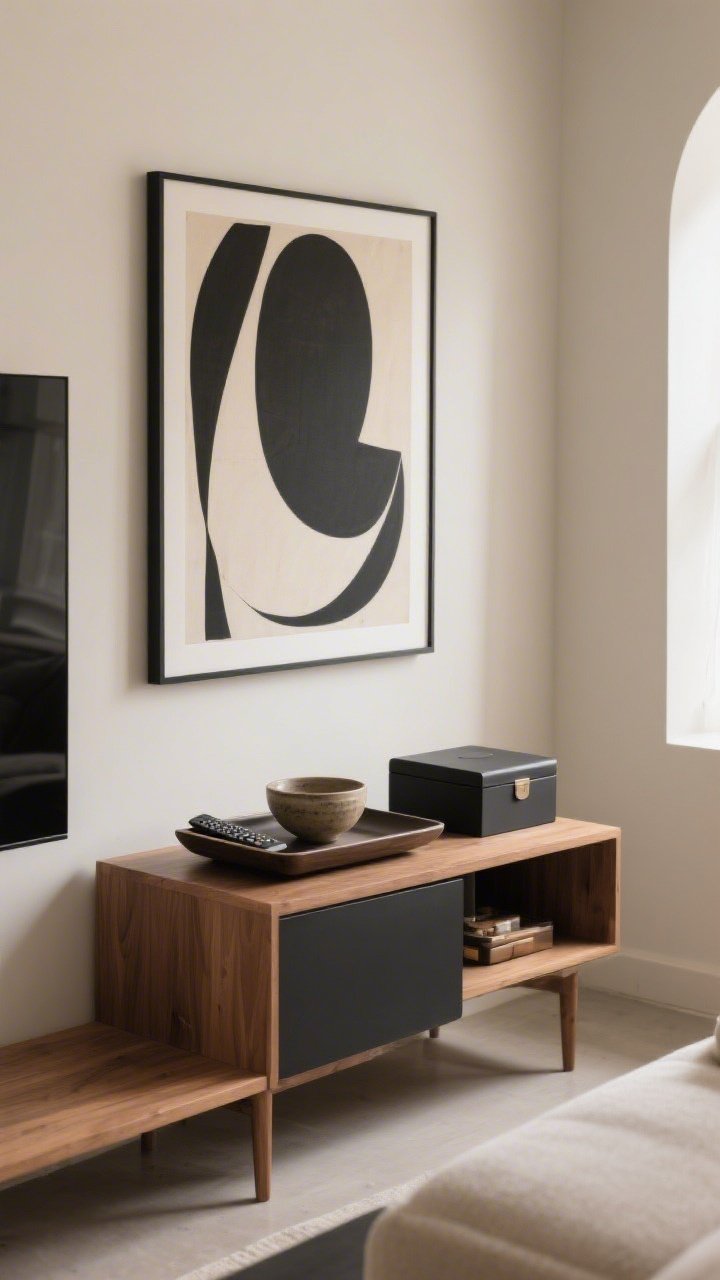
Before you add anything, take stuff away. Small rooms get chaotic fast, so the first win is a clean slate—then bring back only what you love or use daily. Less visual noise = instant breathing room.
How to Tame the Chaos
- One-in, one-out rule: If a new pillow comes in, an old one goes out. Same for mugs, baskets, and yes, random candles.
- Corral the small things: Trays, bowls, and lidded boxes keep surfaces neat without killing your vibe.
- Choose a hero piece: Let one bold item (art, mirror, rug) be the star. Everything else plays supporting role.
FYI: Editing is free. And it makes every other change look twice as good. That’s the magic trick.
2. Scale Up (Counterintuitive, But Trust Me)
Tiny room? Don’t fill it with tiny furniture. Multiple small pieces create a clutter cloud. Instead, pick fewer, larger items with clean lines, and the room reads calmer and bigger.
Smart Sizing Moves
- Go big on the rug: Aim to have front legs of furniture on it. A too-small rug shrinks the room.
- Choose a sofa with visible legs: Airy bases feel lighter than chunky skirted ones.
- Use tall lamps and art: Vertical lines draw the eye up and fake more height.
Yes, you can do a massive art piece in a small room. One strong statement beats a gallery wall of tiny frames—unless you’re curating a jewel box vibe on purpose.
3. Double-Duty Furniture = Hidden Superpower
Every piece should work at least twice as hard. If it doesn’t hide storage, flip into a table, or tuck away, it needs a performance review (IMO).
MVPs For Small Spaces
- Storage ottoman: Feet up, blanket stash, bonus seating. That’s three jobs right there.
- Nesting tables: Pull out for snacks, tuck in when you want floor space back.
- Drop-leaf or wall-mounted desk: Work zone by day, ghost by night.
- Bench with cubbies: Entryway chaos? Eliminated. Add baskets for a cleaner look.
Pro tip: Match materials across pieces (wood tones, metal finish) to make the room feel cohesive and calm, even when it’s doing the most.
4. Light Like a Stylist (Layers > Overhead)
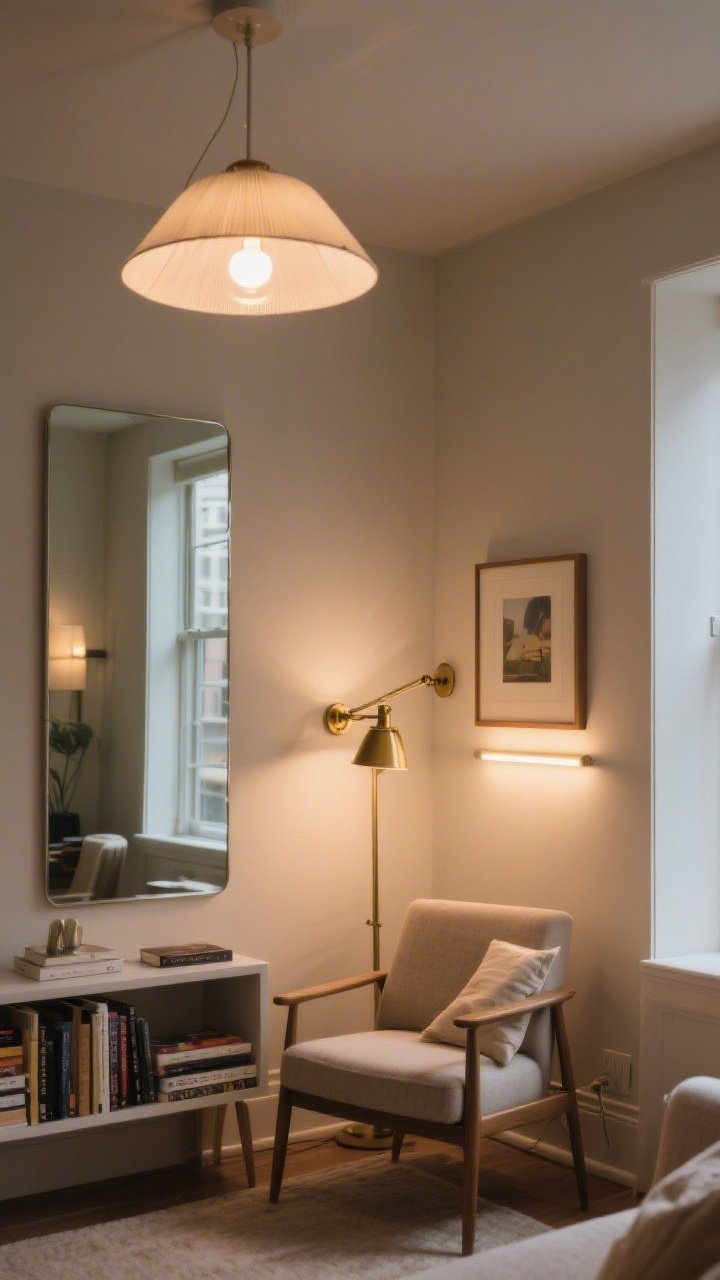
Overhead lighting alone is like using a phone flashlight for mood lighting—harsh and flat. Layering light adds depth and makes the room feel bigger and cozier at the same time. Yes, both.
Build Your Lighting Trio
- Ambient: Soft, overall light. Think frosted bulbs or a shaded ceiling fixture.
- Task: A swing-arm sconce, desk lamp, or reading light where you actually do stuff.
- Accent: Picture light, LED strip in a bookshelf, or a small table lamp for glow.
Use warm bulbs (2700–3000K). Dimmer switches are tiny investments that make your space feel custom. And mirrors? Place one across from a window or lamp to bounce light and visually double the room. Magic, but science.
5. Color Play: Calm Base, Confident Accents
You don’t need to paint everything white to make it feel bigger. Neutrals are great, but the real trick is contrast control and where you place the color.
Color Tactics That Actually Work
- Monochrome moments: Paint walls and trim the same color to erase visual breaks. Cozy and sleek.
- Deep accent wall: A rich tone behind the bed or sofa adds depth without swallowing space.
- Tone on tone textiles: Layer similar shades (beige with caramel, gray with slate) for luxe vibes.
- Pop with purpose: Keep bold colors on pillows, art, or a single chair so they’re easy to swap.
Try this: Paint the ceiling two shades lighter than the walls for lift. Or go full color drench in a tiny powder room—small spaces wear drama well.
6. Vertical Real Estate: Use Your Walls Like Storage Ninjas
When floor space is precious, your walls are prime property. Think of them as chic, functional backdrops—not just for hanging a random print you found at a yard sale.
Wall Moves With Style
- Floating shelves: Displays up top, baskets below. Leave breathing room between objects for a curated look.
- Wall hooks and rails: In entries, kitchens, and baths, hang what you use daily. Cute tote + striped towel = instant decor.
- Sconces over nightstands: Free your surfaces. Hardwired looks clean, plug-in is renter-friendly.
- Art ledges: Layer frames and swap easily. Keeps holes on pause and options open.
Keep vertical lines clean: align shelf edges or repeat the same frame color. Your eye reads order, and the room feels bigger—no ruler required.
7. Texture, Pattern, And The “Soft Stuff” Strategy
When square footage is limited, texture does the heavy lifting. It adds richness without adding bulk. Mix a few contrasting materials and patterns, and suddenly your small room screams boutique hotel.
Layer Like You Mean It
- Start with a foundation rug: Flatweave for low profile, or a nubby wool for cozy underfoot. Make it large.
- Mix textures: Linen + leather + ceramic + wood. If it all feels the same, it looks flat.
- Pattern scale matters: One big pattern (rug or duvet) + one medium (pillows) + one subtle (throw or shade). Done.
- Repeat a motif: Arches, stripes, or scallops—echo it 2-3 times so the room feels intentional.
Bonus: Add a plant or two (or five). The organic texture softens hard lines, and the pop of green is basically an instant glow-up. Snake plants and pothos are forgiving, even if you forget watering day. FYI, they also make shelves and corners look styled, not lonely.
Quick Room Recipes
- Mini living room: Large rug + slim sofa on legs + nesting tables + wall sconces + oversized art.
- Compact bedroom: Monochrome walls + sconce lighting + storage bench + one dramatic headboard.
- Teeny office nook: Wall-mounted desk + pinboard + task lamp + covered box for cables (visual clutter killer).
Here’s your permission slip: small does not mean boring. With tight edits, smart scale, layered light, and textures that feel touchable, your tiny room can punch way above its weight. Start with one section, make a small change, then build from there. You’ve got this—and your space is about to prove it.
Transform Your Small Space
| Use a simple step-by-step system to maximize your space. ✔ space-saving ideas ✔ better layout ✔ practical steps |
