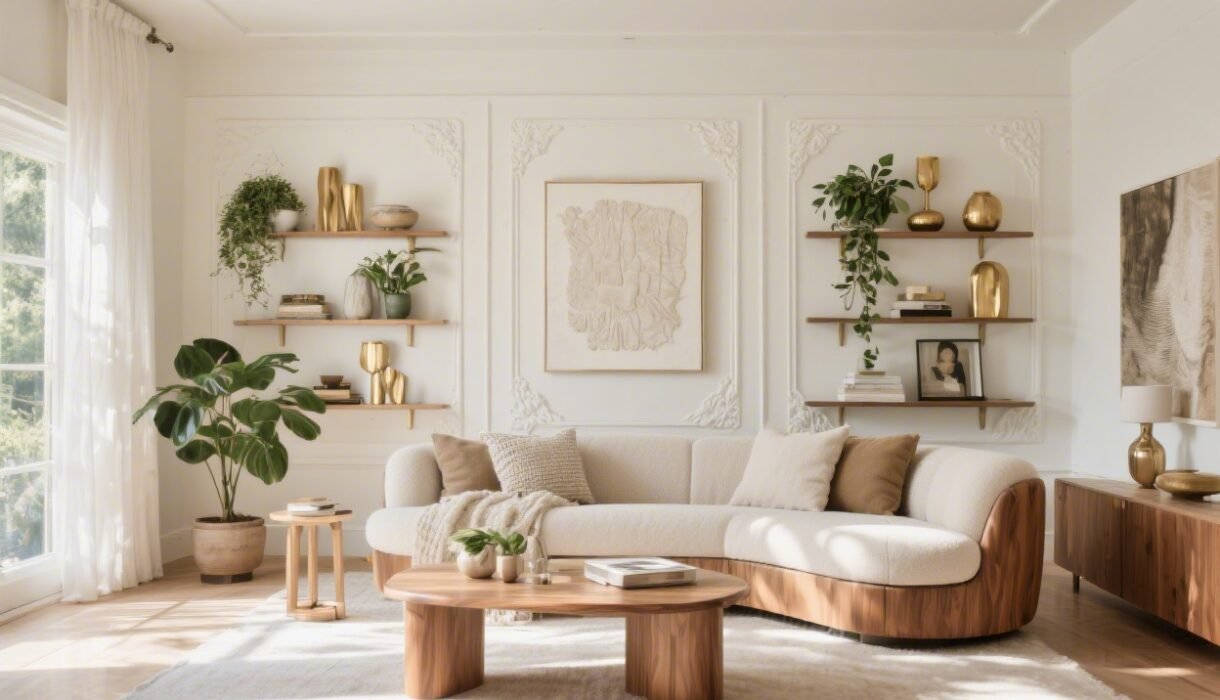
Room Makeover Ideas That Actually Work (and Look Designer-level)
Posted in :

You know that “something’s off” feeling when you walk into a room? Like, it’s fine, but not giving main character energy. Good news: you don’t need a full gut reno or a billionaire budget. These seven ideas are simple, smart, and actually move the needle—visually and functionally. Let’s make your space do the most.
1. Curate A Color Story (Not Just A Color)
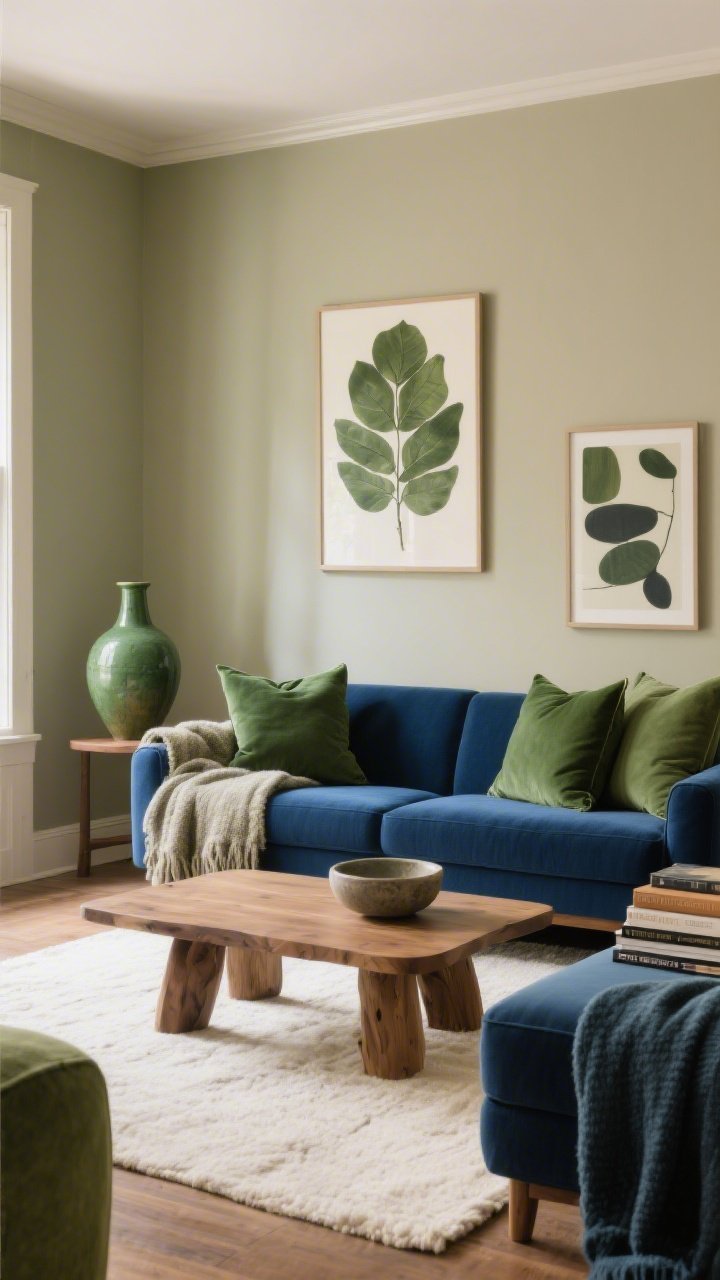
Picking one paint color is cute. Creating a color story is powerful. It ties your walls, furniture, textiles, and art into a cohesive vibe so your room feels intentional instead of “random aisle five.”
How To Build Your Palette
- Pick a hero hue: One main color that sets the mood (e.g., earthy green, inky blue, warm greige).
- Add two supporting colors: Go for a light neutral and a mid-tone or accent that plays nicely.
- Weave it in: Repeat each color at least three times across different elements—pillows, rug, artwork, books, ceramics.
Pro tip: If your sofa is bold, keep your walls soft. If your walls are dramatic, let big furniture ground the space. Contrast is what makes things pop, not chaos.
2. Elevate Lighting In Layers
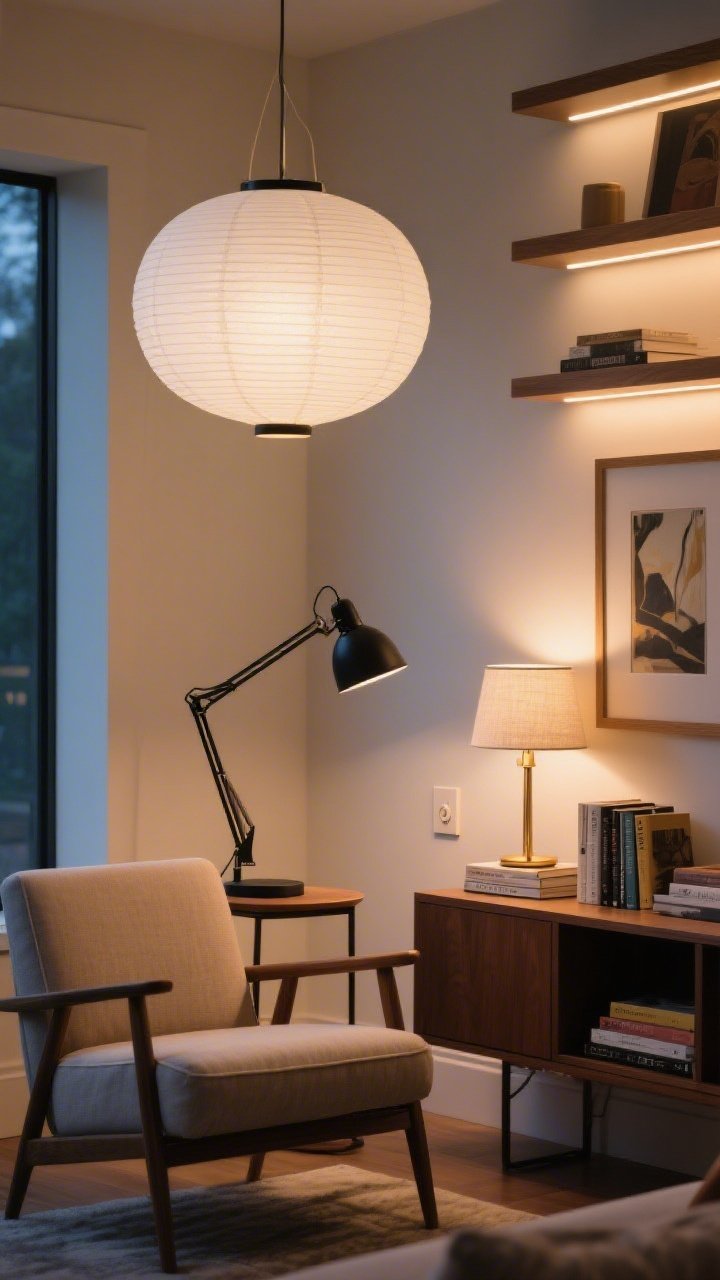
Lighting is the quiet MVP of any makeover. If your room has just a single overhead, it’s like wearing one earring. Cute, but incomplete.
The Three Layers You Need
- Ambient: The general glow—ceiling fixture, track lights, or a big paper lantern to diffuse light beautifully.
- Task: Table and floor lamps where you read, cook, or work. Adjustable arms = chef’s kiss.
- Accent: Picture lights, sconces, LED strips on shelves, or a petite lamp on a stack of books.
Quick wins: Swap harsh white bulbs for warm (2700–3000K). Add a dimmer switch—cheap, instant luxury. And btw, lampshades matter: linen softens, metal sharpens.
3. Edit Ruthlessly, Style Intentionally
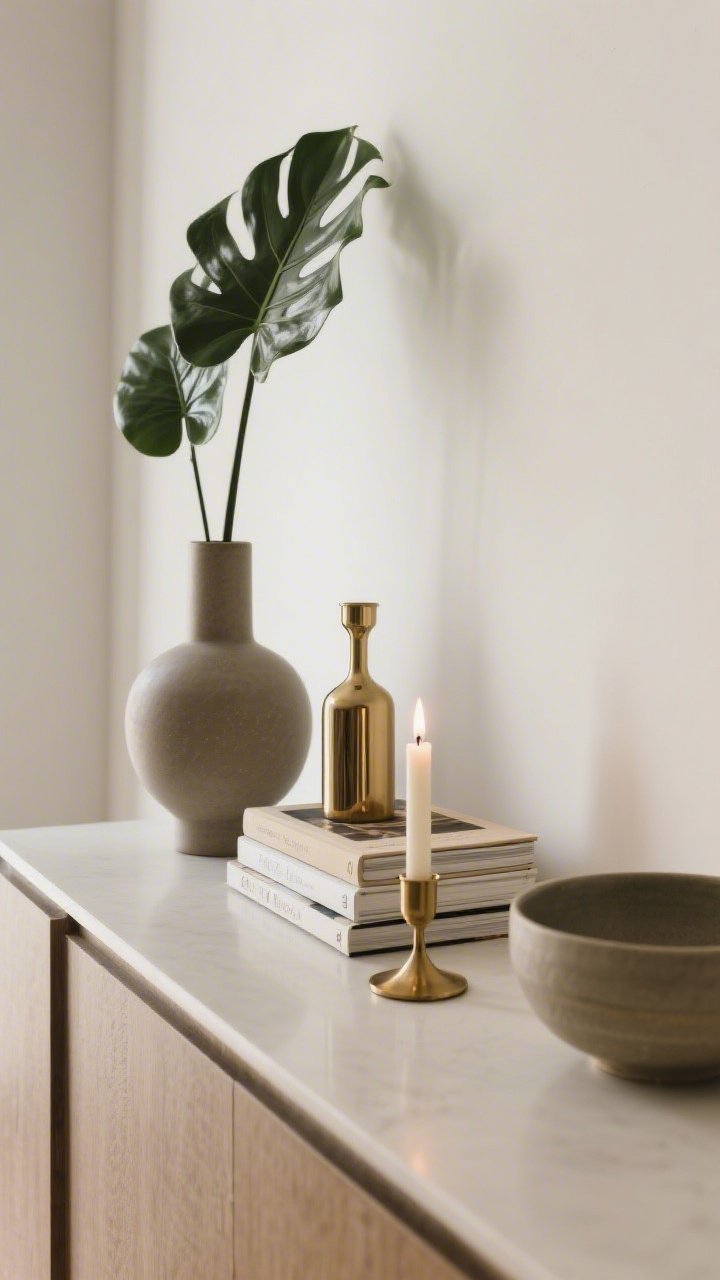
You don’t need more stuff. You need less, styled better. Clear surfaces, keep only what you love, then bring the good pieces forward.
The 20-Minute Edit
- Empty a surface: Console, coffee table, dresser—wipe it clean.
- Shop your home: Pull books, bowls, small art, candles, a plant. Keep to your color story.
- Style in odd numbers: Groups of three or five. Vary height and texture.
Design math that works: Tall + medium + low. Hard + soft. Shiny + matte. Repeat on opposite sides of the room for balance. FYI, negative space is a look—don’t fill every inch.
4. Scale And Layout: Make Furniture Fit (Not Fight)
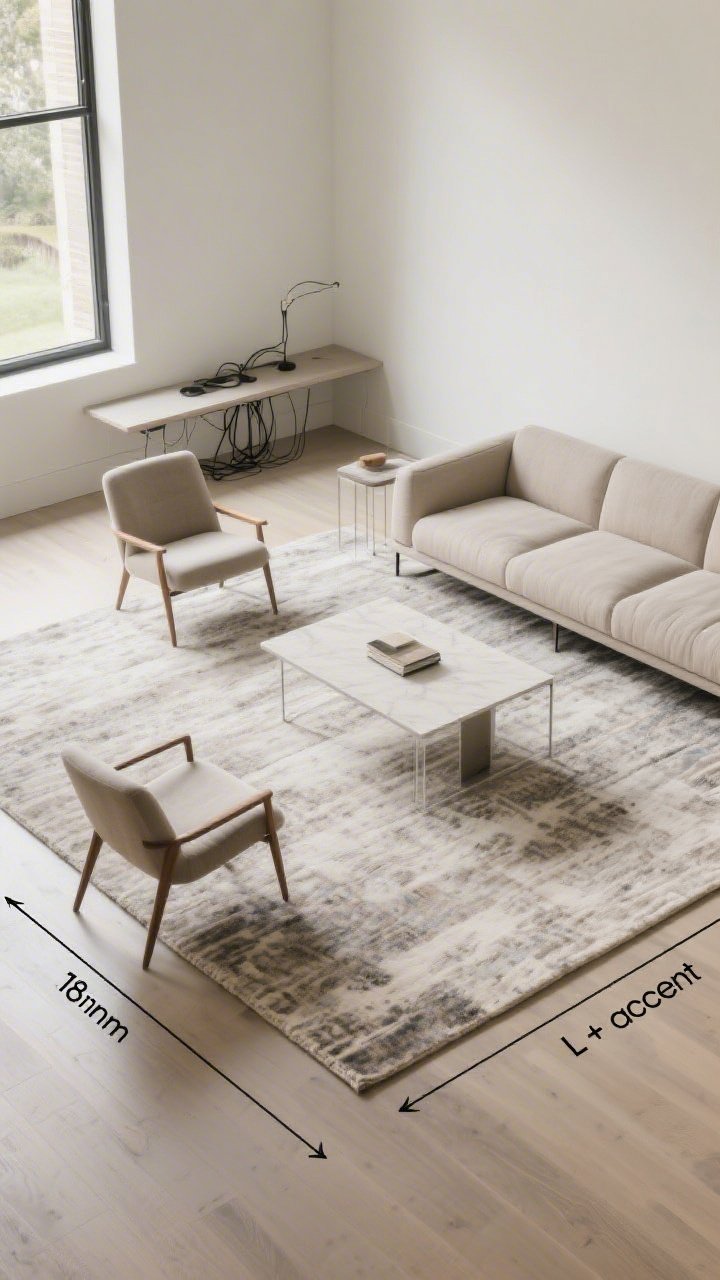
If your rug is tiny and your sofa is gigantic, the room will never look right. Scale is everything. Layout is its best friend.
Instant Fixes
- Rug rules: Living rooms: front legs of sofas/chairs on the rug, or go wall-to-wall. Bedrooms: rug should peek out at least 18–24 inches on the sides.
- Conversation zones: Pull seating closer. 18 inches between sofa and coffee table. 36 inches for main walkways.
- Float it: Don’t be scared to move furniture off the wall. A floating sofa with a console behind it looks designer-y and solves cord chaos.
Try the L + Accent trick: One long seating piece + an accent chair + a slim side table. It frames the room without hogging it. If space is tight, choose armless or open-legged pieces to keep things airy.
5. Layer Textures Like A Pro
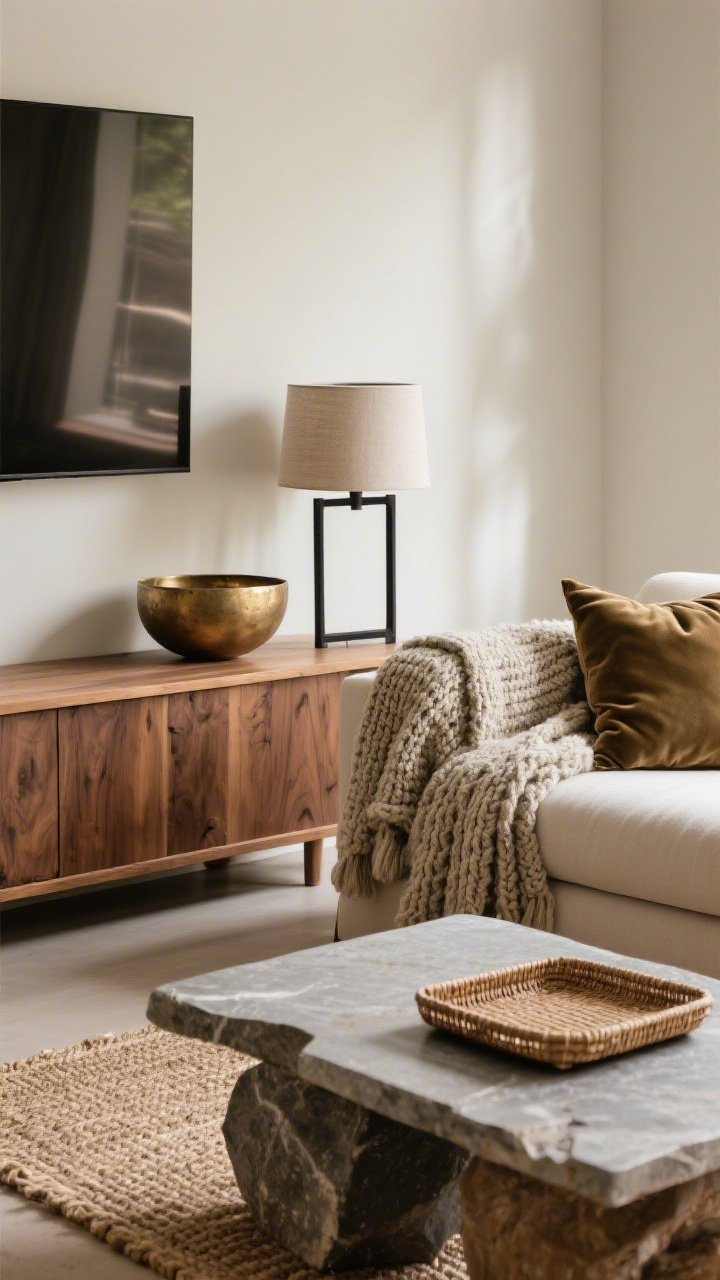
Texture is your secret weapon when color feels risky. It adds depth, warmth, and that “why does this look expensive?” effect.
Texture Toolkit
- Softs: Bouclé, linen, velvet, wool. Mix smooth and nubby.
- Hards: Wood grain, stone, ceramic, metal. Vary finishes—brushed brass with blackened steel? Yes please.
- Natural elements: Rattan, jute, leather, plants. They calm a room fast.
Where to layer: Throw a chunky knit over a linen sofa. Pair a sleek coffee table with a jute rug. Add a ceramic lamp to a wood console. Same colors, different textures = chef-level styling.
6. Big Art, Bold Impact (Without The Big Price)
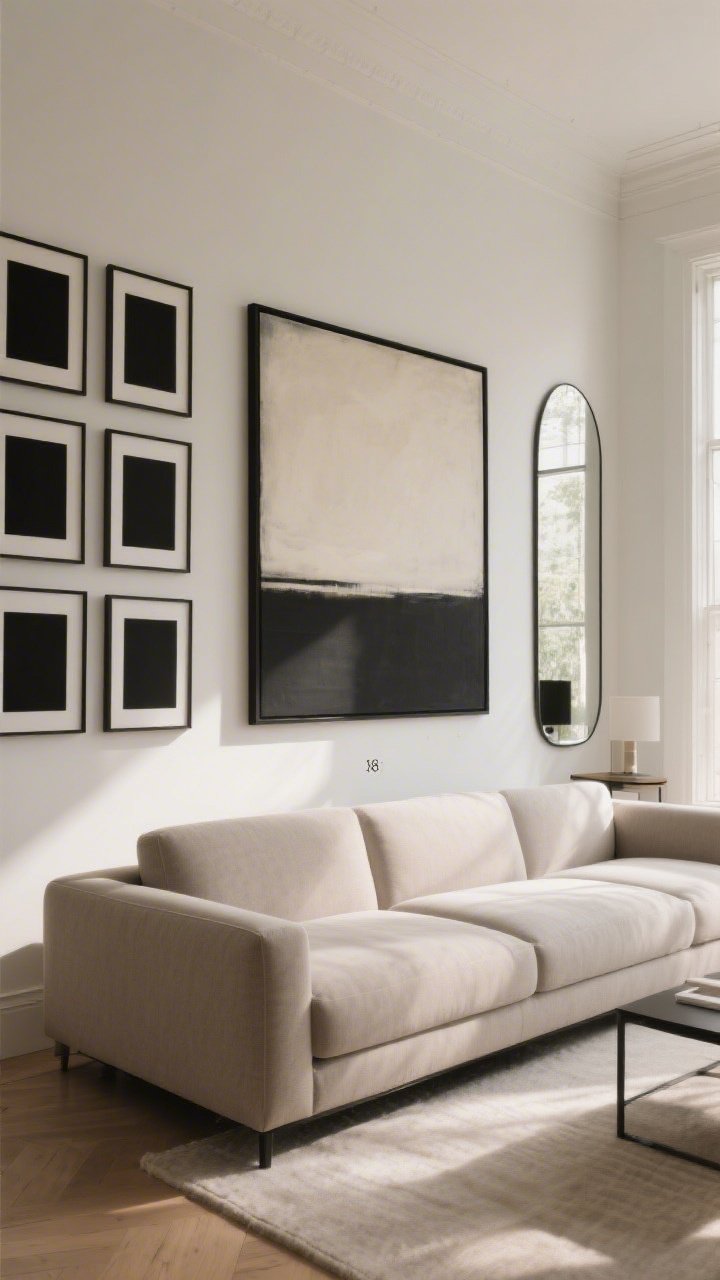
Tiny art on a big wall is like a whisper in a stadium. Go bigger than you think. It anchors the room and instantly feels intentional.
Options For Every Budget
- One-and-done: Oversized canvas or framed textile. Center it 57–60 inches from the floor (museum height).
- Gallery wall: Stick to a theme—black frames, same mat color, or a single tone palette. Layout on the floor first.
- DIY hack: Order a large downloadable print, get it printed at a copy shop, pop it in an IKEA frame. Or stretch pretty fabric over canvas bars.
Scale guide: Over a sofa or bed, art should be roughly 2/3 the width of the furniture. Two stacked pieces work if your ceilings are high. And IMO, a large mirror counts as art—plus it bounces light.
7. Style Your Soft Goods Strategically
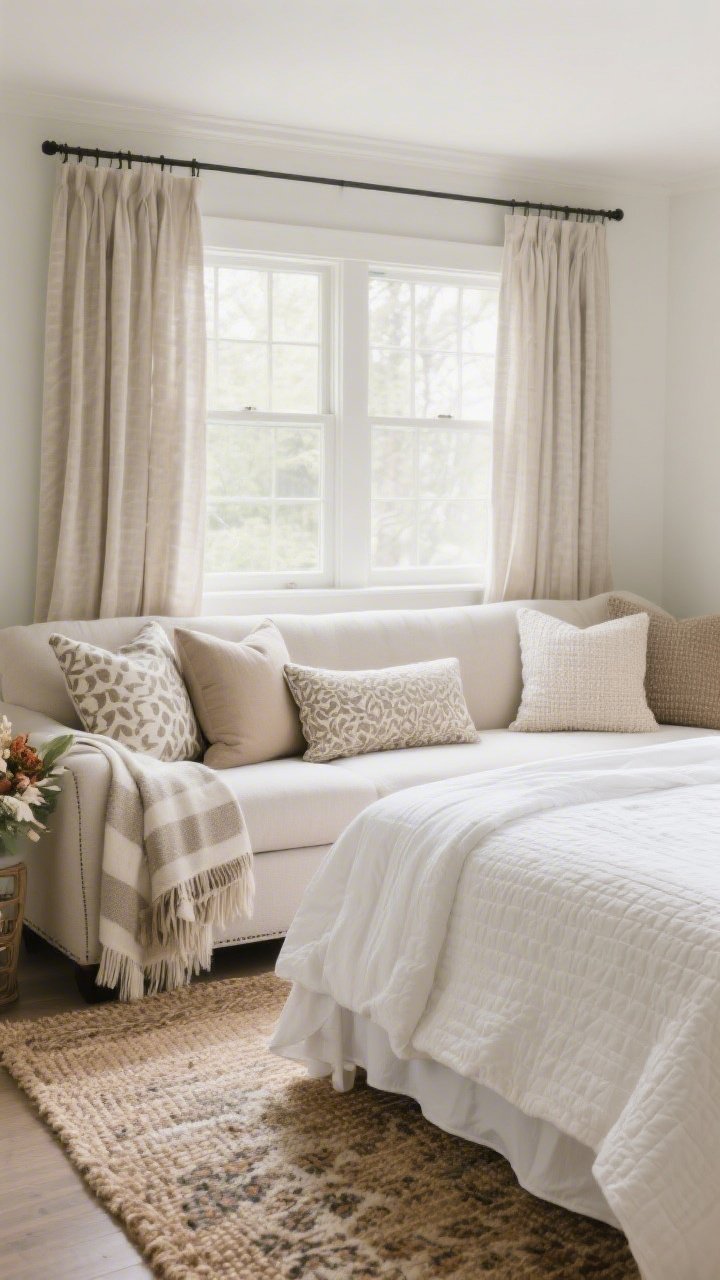
Textiles are the fastest way to change the mood. They’re basically makeup for your room—easy to switch, high impact.
Swaps That Move The Needle
- Pillows: Mix sizes (22″, 20″, lumbar). Do one patterned, one solid, one textured in your color story. Karate chop optional.
- Throws: Drape loosely on the corner of your sofa or basket. Go heavier for fall/winter, lighter in spring/summer.
- Window treatments: Hang rods 6–12 inches above the frame and wider than the window to fake height and width. Lined curtains = richer look.
- Bedding: Layers! Crisp sheets, quilt or coverlet, duvet folded at the end, plus a lumbar pillow for polish.
Rugs, but smarter: If your existing rug is small, layer it on a larger natural-fiber rug (jute or sisal). It saves money and looks custom.
Bonus Mini-Moves That Pay Off
- Hardware swap: New knobs and pulls on dressers and cabinets change the entire vibe.
- Greenery: One large plant beats five tiny ones. Ficus, olive tree, or a trailing pothos for low effort.
- Scent + sound: Candles or diffusers and a small speaker create atmosphere—your room should feel good, not just look good.
Remember: Great rooms evolve. Start with your color story, fix lighting, edit, then layer. Take a photo after each tweak (your phone won’t lie), and adjust. FYI, perfection is boring—aim for personal, lived-in, and a little bit fearless. You’ve got this.
Start Your Room Makeover
| Use a simple checklist system to plan and finish your makeover. ✔ clear steps ✔ easy process ✔ great results |
.