Room Makeover Ideas Aesthetic Ideas That Actually Work (and Look Pricey)
Posted in :

Let’s skip the Pinterest spiral and get to the good stuff: upgrades that look stunning, feel intentional, and actually work in real life. These are the exact moves that make a room look “designed,” not just decorated. Ready to turn your space into the version you keep saving on Instagram? Let’s go.
1. Curate A Color Story (Not Just A Color)
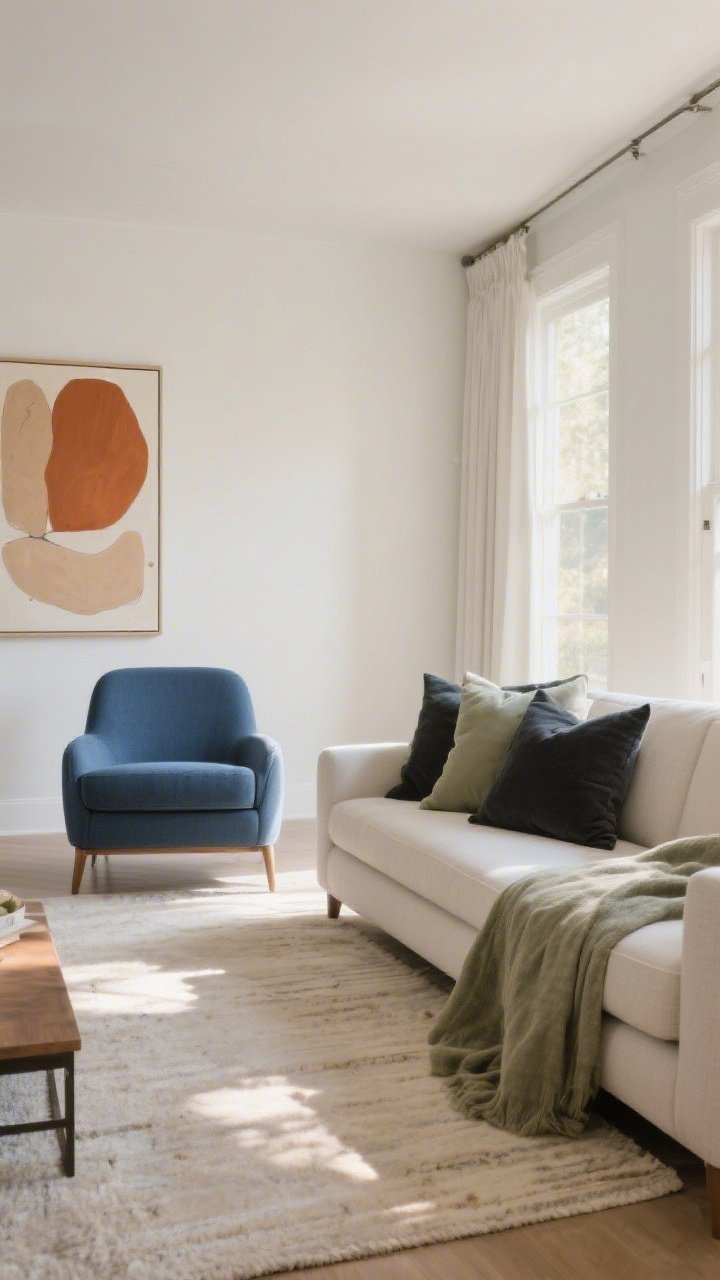
Most rooms fall flat because they pick one color and stop there. A color story blends shades, undertones, and textures so everything feels cohesive without being matchy-matchy.
How To Build Your Palette
- Start with a base: Warm white, soft beige, or a muted gray. This is your wall color or largest surface.
- Add two supporting shades: Think a dusty sage + charcoal, or terracotta + sand. These live in textiles and art.
- Choose one accent: A bold pop like cobalt, oxblood, or mustard. Small but impactful—pillows, lamps, or a chair.
Pro move: keep undertones aligned. If your base is warm, don’t throw in icy blue grays—go for warm greens or clay tones. FYI, this one shift alone makes your room feel designer-level.
2. Layer Textures Like A Stylist
Texture is what makes a room look touchable. When everything is smooth, the vibe reads “waiting room.” Mix materials so your eye dances around the space.
High/Low Texture Combos That Always Work
- Cozy + Sleek: Bouclé pillow on a leather sofa, velvet ottoman with a glass side table.
- Matte + Shiny: Ceramic lamp on a lacquer tray, linen curtains next to a brass rod.
- Natural + Polished: Jute rug with a marble coffee table, woven basket under a clean-lined console.
Quick checklist: do you have something soft, something nubby, something glossy, and something natural? If yes, you’re golden.
3. Rethink Your Layout With Zones
You don’t need new furniture—just a smarter layout. Create clear zones for lounging, working, dining, and reading, even in a small space.
Easy Layout Wins
- Float your furniture: Pull the sofa 6–10 inches from the wall. It looks curated, not cramped.
- Ground with rugs: One rug per zone. Front legs of the sofa and chairs on the rug = instant cohesion.
- Traffic flow matters: Leave at least 30–36 inches for main walkways. Your shins will thank you.
- Conversation first: Angle chairs toward each other with a small table between. You just made a “moment.”
IMO, this is the fastest way to turn chaos into calm without spending a dime.
4. Upgrade Lighting In Three Layers
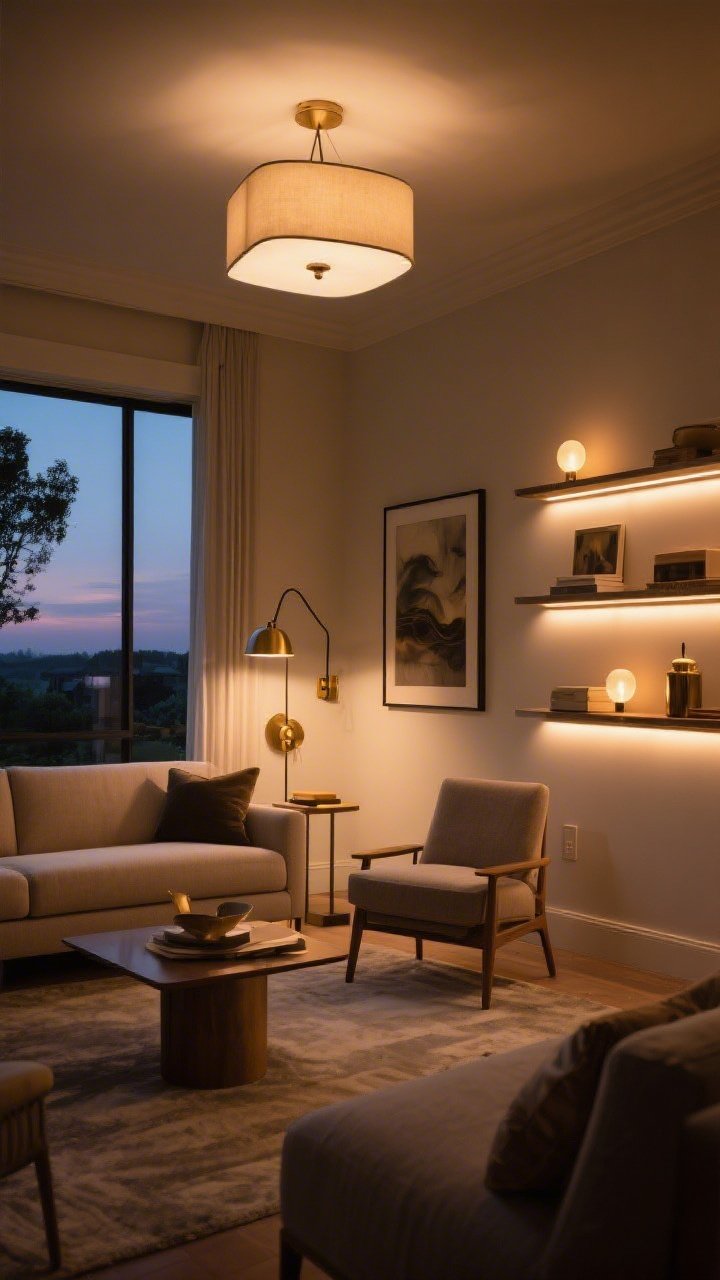
Bad lighting is the villain in half of “why does my room look meh?” stories. The fix: layer ambient, task, and accent lighting like you mean it.
Your 3-Layer Lighting Kit
- Ambient: Overhead fixture or a large floor lamp to fill the room with soft light. Add dimmers if possible.
- Task: Desk lamps, reading sconces, or a swing-arm lamp by the sofa. Place where you actually need light.
- Accent: Picture lights, small table lamps, LED strips on shelves. These create mood and depth.
Warm bulbs (2700K–3000K) make everything look luxe. Cool bulbs make everything look like a doctor’s office. Don’t @ me.
5. Style Surfaces With The Rule Of Three
Instead of random knickknacks, style like a pro: group items in threes with varied height, shape, and texture. It looks intentional and photogenic without trying too hard.
Formula For Coffee Tables, Consoles, And Nightstands
- Anchor: A stack of books, a tray, or a large bowl to ground the vignette.
- Sculptural: A candle, vase, or object with interesting shape.
- Organic: Branches, florals, or a plant for life and movement.
Bonus tips:
- Vary heights so your eye travels—think tall branch, medium sculpture, low book stack.
- Repeat materials 2–3 times across the room (a brass frame here, a brass lamp there) to tie it together.
- Edit. If it doesn’t add to the story, it’s visual clutter. Let it go.
6. Make Walls Work Harder
Walls are huge real estate. Use them for impact—and storage—without making it feel busy.
High-Impact, Low-Stress Wall Ideas
- Large-scale art: One oversized piece beats a million tiny frames. DIY a canvas with paint and joint compound for texture.
- Gallery grid: Same frames, same mats, consistent spacing. Clean, architectural, and renter-friendly.
- Peel-and-stick panels or wallpaper: Add dimension on one wall or inside built-ins. Removable = commitment-free.
- Vertical storage: Slim shelves, picture ledges, or peg rails. Function + style—chef’s kiss.
Pro tip: hang art at eye level—center around 57–60 inches from the floor. Your neck and your aesthetic will both be happier.
7. Swap Soft Goods For Instant Atmosphere
Textiles are the outfit change your room needs. Quick swaps in curtains, pillows, throws, and rugs shift the entire mood—no paintbrush required.
Textile Toolkit That Always Delivers
- Curtains: Hang them high and wide to fake taller windows. Aim for floor-skimming length; puddling is optional drama.
- Pillows: Mix sizes (22″, 20″, lumbar), patterns, and textures. Keep your color story consistent.
- Throws: Drape with intention—end of the bed, corner of the sofa, or in a basket for layered coziness.
- Rugs: Size up. The wrong rug size makes rooms look smaller. Minimum: front legs of seating on the rug.
Seasonal switch: linen and cotton in spring/summer, chunky knits and velvet in fall/winter. It’s like a capsule wardrobe for your home—FYI, it also keeps things fresh on a budget.
Quick Shopping Filters To Use
- Material first: Natural fibers over synthetics for a richer look (wool, cotton, linen, leather).
- Texture over pattern: If you’re nervous about mixing, focus on varied textures in a tight palette.
- Scale matters: One bold pattern + two subtle ones beats five loud prints any day.
Here’s your mini action plan: pick a color story, rearrange into zones, add layered lighting, and swap a few textiles. Then style your surfaces and give the walls some love. Do that, and you’ll have a room that looks curated, lived-in, and yes—totally screenshot-worthy.
You’ve got this. And when your friends ask who your designer is, just wink. It’ll be our little secret.
Start Your Room Makeover
Use a simple checklist system to plan and finish your makeover.
