
You don’t need a mansion to live like a minimalist queen (or king). Tiny space? Perfect. Minimalism actually shines when square footage doesn’t. The trick is balancing less stuff with more intention—and knowing what to edit, hide, and highlight.
Grab a coffee and let’s make your place feel bigger, calmer, and way more put together—without stealing your personality.
1. Edit Ruthlessly, Then Add One Thing You Love
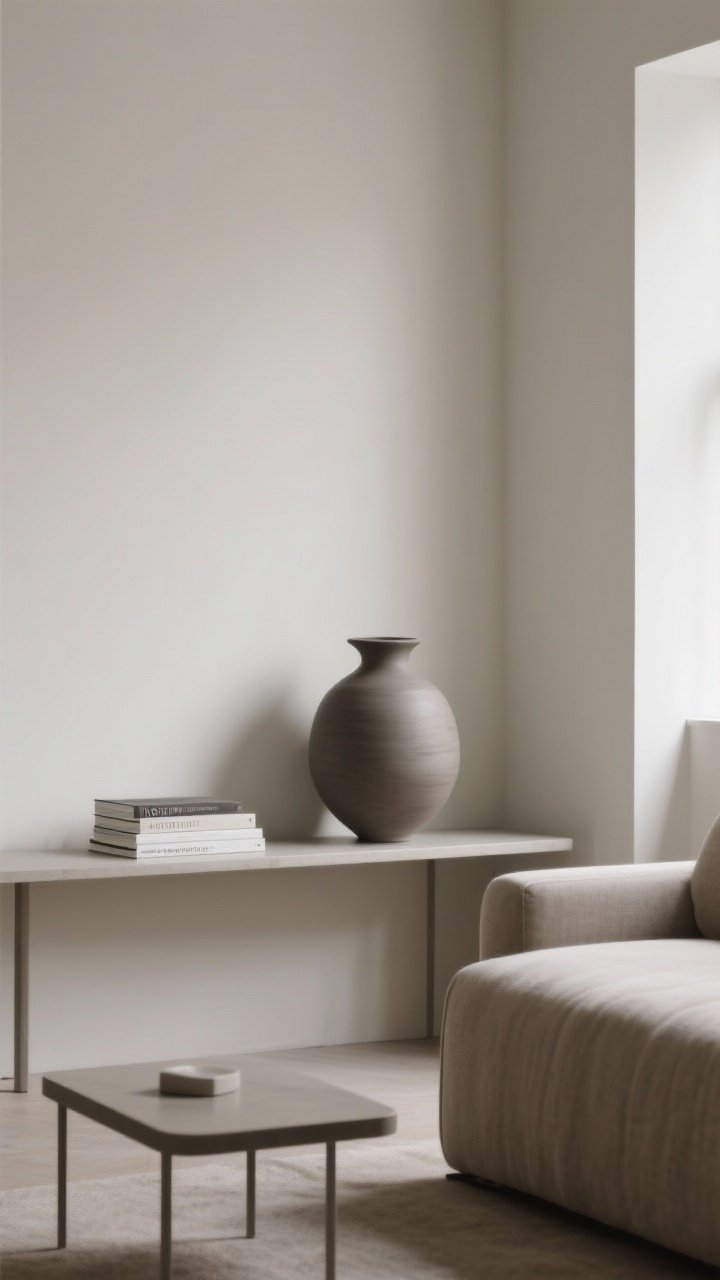
Minimalism isn’t about living in a white box with one chair. It’s about keeping only what earns its keep. Start by decluttering with a plan: what’s useful, what’s beautiful, and what’s both?
Keep the Good, Lose the Noise
- One-in, one-out. If something new comes in, something old leaves. No exceptions.
- Audit surfaces weekly. Counters, nightstands, coffee tables—wipe visual clutter fast.
- Display one “hero” piece per area (sculptural vase, statement art) and let it breathe.
FYI: Negative space is a design tool. A blank wall can be just as intentional as a gallery wall. Your eye needs room to chill.
2. Choose a Calm Palette (But Don’t Fear Contrast)
A tight color palette makes small spaces feel bigger and more serene. Think soft whites, mushroom beige, warm grays, and a touch of black for definition. Neutrals = calm, but contrast = depth.
Palette Play That Works
- Base, accent, anchor: Choose a light base color, one muted accent (sage, terracotta), and a dark anchor (charcoal or black) for frames and hardware.
- Repeat finishes across rooms—same wood tone, same metal—so everything feels cohesive.
- Monochrome magic: Go tone-on-tone with rugs, curtains, and bedding to stretch the room visually.
Pro tip: Matte finishes feel elevated and hide smudges better than high-gloss in high-touch areas.
3. Furnish With Slim Profiles and Smart Legs
Chunky furniture eats space. Pick pieces with slim arms, raised legs, and clean lines so you can see more floor—instant “bigger room” illusion. Rounded corners also help traffic flow in tight spots.
What to Look For
- Leggy pieces: Sofas and consoles on legs create air flow (visually speaking). Skirts can look heavy.
- Multi-functional wins: Storage ottoman > coffee table, nesting tables > one giant slab.
- Right-size your rug: Go larger than you think so front furniture legs sit on it. Small rugs = chopped-up space.
- Use glass or acrylic tops for coffee tables—function without visual bulk.
IMO, a petite armless chair beats a bulky recliner every time in a small room. Comfort doesn’t have to look oversized.
4. Master Visual Storage: Hide, Display, Contain
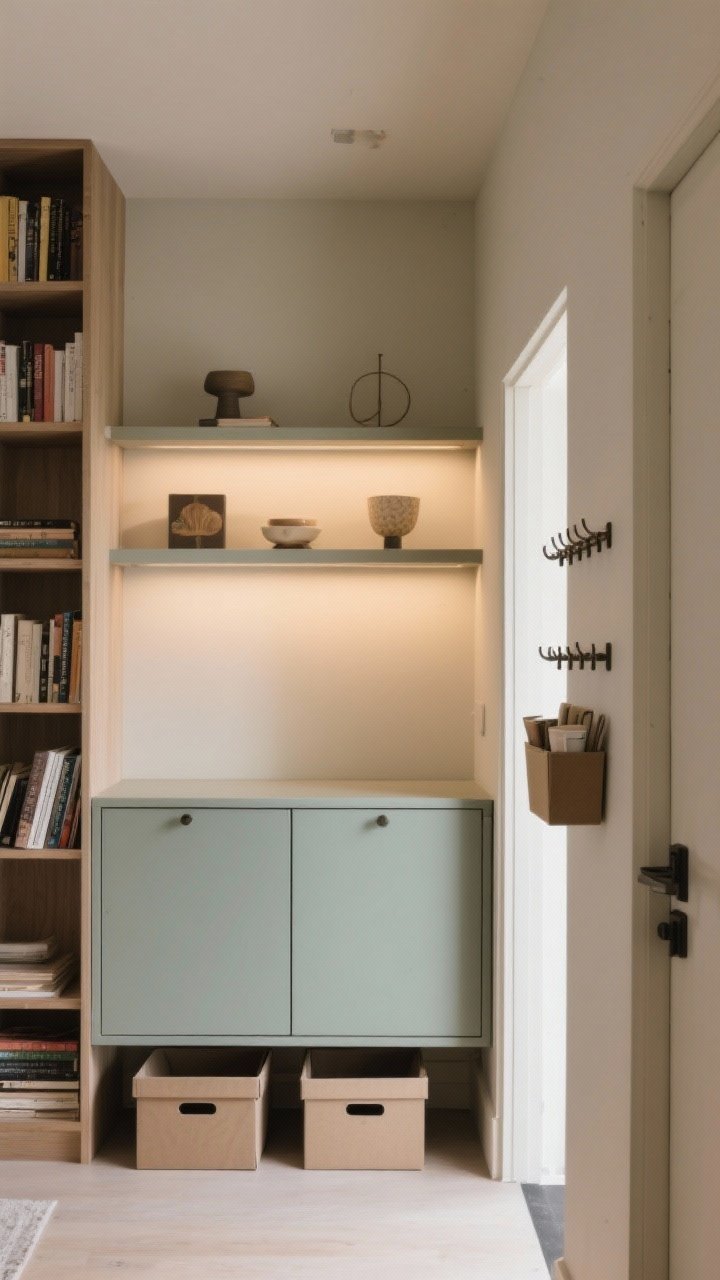
Minimalist doesn’t mean empty; it means everything has a home. Integrate storage that looks intentional and disappears into the design. Out of sight doesn’t mean out of style.
Storage That Doesn’t Scream Storage
- Closed storage low, open storage high: Hide the mess below, display curated pieces up top.
- Color-match containers: Bins and boxes in your wall or furniture color blend right in.
- Use vertical real estate: Tall bookcases, wall-mounted shelves, peg rails in entryways.
- Back-of-door heroes: Slim racks for cleaning supplies, spices, or shoes—zero floor space needed.
Bonus: A foldable drying rack and nesting kitchen tools keep utilitarian stuff neat when not in use. Sounds boring, saves sanity.
5. Light Like a Stylist: Layers, Levels, and Glow
Good lighting can fake more square footage. Mix ambient, task, and accent lighting so there are no dark corners. Soft, warm light (2700–3000K) is your best friend at night.
Layer It Strategically
- Sconces and plug-ins: Save surface space and add height without hardwiring.
- Floor lamps with slender stems tuck beside sofas or desks without visual clutter.
- Under-cabinet strips make kitchens and media consoles feel luxe and functional.
- Mirrors opposite windows bounce light, doubling brightness and perceived space.
Dimmer switches are the cheapest glow-up. Set the vibe for movie night or focus mode in seconds.
6. Texture Over Trinkets: Add Warmth Without the Clutter
Minimal doesn’t mean sterile. Instead of more stuff, layer texture: boucle, linen, wool, ribbed ceramics, matte metal. It reads cozy without cluttering surfaces.
How to Layer Like a Pro
- One pattern, many textures: Keep prints minimal and let the materials do the talking.
- Natural materials (wood, jute, stone) instantly add warmth to pared-back rooms.
- Limit pillows to two or three with varied weaves. Same with throws—fold, don’t fling.
- Plants count as texture: One sculptural plant (rubber tree, olive, ZZ) beats six tiny ones.
FYI: Neutral art with interesting materials—canvas, linen mats, wood frames—keeps walls calm but not bland.
7. Create Flow With Zones and Clean Lines
In small homes, every inch needs a job. Define zones—sleeping, working, lounging—so it doesn’t feel like your sofa is in your kitchen (even if it is). Clean lines guide the eye and keep the room feeling tidy.
Make Your Layout Work Harder
- Float furniture: Pull the sofa a few inches off the wall for breathing room.
- Use slim room dividers: Open shelving, folding screens, or curtains can separate zones without walls.
- Align edges: Line up the edges of your rug, coffee table, and sofa—visual order = instant calm.
- Corral cords with cable channels or under-desk trays. Nothing ruins “minimal” faster than wire spaghetti.
Set up a simple entry drop zone—a tray for keys, a hook for bags, a slim bench. Clutter stops at the door, not on your counters.
Final Takeaway: Minimalist small space décor is less about owning less and more about choosing better. Keep what you love, streamline the rest, and let negative space do its quiet little magic. Your home will feel bigger, calmer, and totally you—no storage locker required.
