Minimalist Home Décor Ideas on a Budget You’ll Actually Want to Try
Posted in :

You want that calm, airy, minimalist vibe without the “I spent my entire paycheck at a boutique” feeling? Same. Minimalism isn’t about owning nothing; it’s about choosing right—on purpose, on budget, and with style. Let’s make your home feel bigger, lighter, and a whole lot more intentional, without the stress (or the scary credit card bill).
1. Declutter Like You Mean It (The Free Glow-Up)
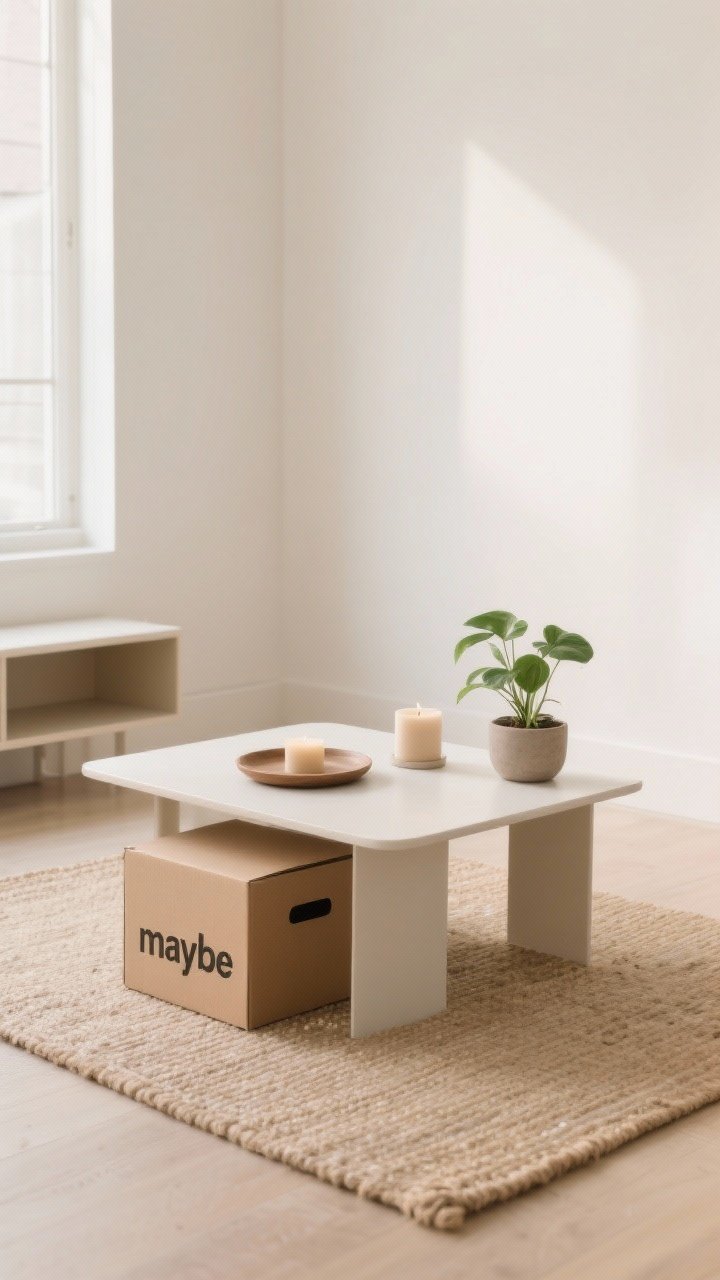
Hot take: the cheapest décor upgrade is owning less. Clear surfaces instantly make a room feel polished and more expensive. Keep what you love; ditch what you don’t use. It’s not cold—it’s curated.
Start With One Zone
- Pick a hotspot: the coffee table, entry console, or kitchen counter. Clear it completely.
- Put back only the essentials—ideally three items max. Think tray + candle + plant.
- Box method: stash “maybes” in a bin for 30 days. If you don’t miss it, out it goes.
FYI: negative space is a design choice. That empty corner? That’s breathing room for your eyes.
2. Neutral Palette, High Impact (But Not Boring)
Minimalism doesn’t mean sterile. It’s all about soft, layered neutrals with subtle contrast. Warm whites and beiges play really well with matte black or oak wood. Simple palette, strong mood.
Color Cheats That Work
- Pick a base: warm white or greige for walls. Cheap paint, massive payoff.
- Add one accent tone: black metal, caramel leather, or charcoal textiles.
- Repeat it in 3–5 places—frame, lamp, throw, vase—to tie everything together.
Pro tip: mix warm and cool textures (linen with metal, wood with stone) to dodge the bland trap.
3. Edit Your Furniture, Don’t Replace It
Before you buy new, rethink what you have. Minimalist furniture is about clean lines, low visual weight, and function. You can fake that look with small tweaks.
Easy, Budget-Friendly Edits
- Swap chunky hardware for slim black or brass pulls on dressers and TV stands.
- Lift it up: add simple legs to boxy storage to create air space beneath.
- Use one statement piece per room—sleek sofa, sculptural chair—and let everything else chill.
- Cover loud patterns with a neutral slipcover or throw. Instant calm, zero commitment.
IMO, if it visually “shouts,” it’s not helping your minimalist fantasy. Whispery lines only.
4. Master the Art of Hidden Storage
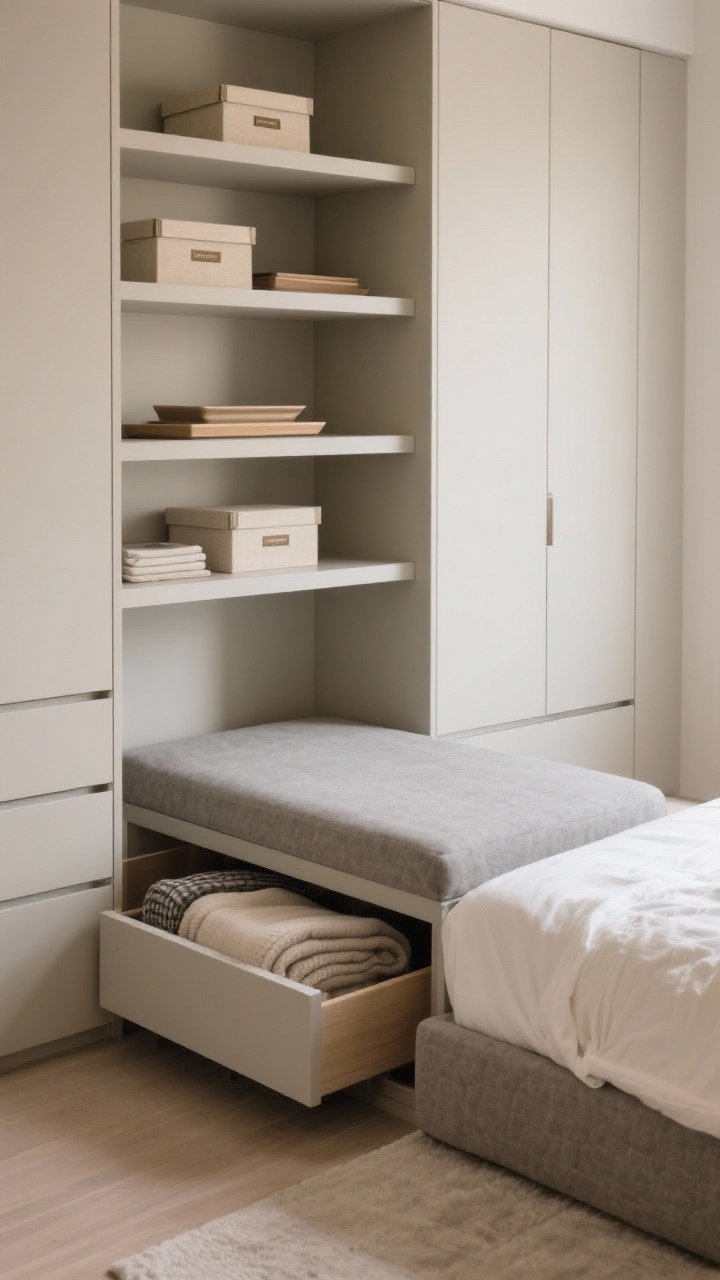
Minimalist homes aren’t magically tidy; they’re just good at hiding stuff. Invest in pieces that hold more than they look like they do. We love a furniture item with a secret identity.
Smart Storage That Doesn’t Scream Storage
- Ottomans with lids for blankets, remotes, and board games.
- Under-bed bins for out-of-season clothes. Choose low-profile, fabric ones.
- Closed-front cabinets instead of open bookcases—cleaner lines, fewer dust traps.
- Trays and lidded boxes on open shelves to corral chaos and look intentional.
Label things inside, keep exteriors pristine. Your home stays calm; your stuff stays findable.
5. Textures Over Trinkets (Your Minimalist Secret Sauce)
If you aren’t decorating with much, texture does the heavy lifting. It adds depth and warmth without cluttering your space. Think tactile, not busy.
Layer, But Keep It Tight
- Start with a neutral rug: jute, sisal, or a low-pile cream. Big enough to anchor the room.
- Mix three textures: linen curtains, a knit throw, and a smooth ceramic vase.
- Matte beats shiny in minimalist rooms—use gloss sparingly (a small metal accent is enough).
- Go for organic shapes: round side tables, curved lamps, soft-edged pottery for a relaxed feel.
Keep tones similar, vary the feel. Your room will look layered, not loud.
6. Art, Lighting, And Greenery: The Minimalist Trio
When you strip the extras, your décor has to be intentional. Choose oversized art, good lighting, and real or realistic plants to do the vibe-setting.
Art That Doesn’t Overwhelm
- One big piece beats a busy gallery wall. Abstract prints or black-and-white photography = chef’s kiss.
- DIY alert: stretch canvas + joint compound + neutral paint = textured art on a dime.
- Use slim frames in black, white, or maple to keep lines clean.
Lighting That Flatters Your Space
- Layer it: floor lamp + table lamp + a warm bulb (2700–3000K) for cozy minimalism.
- Swap bulb temps before swapping lamps. It’s wild how different it feels.
- Plug-in sconces add architectural interest without hardwiring—renter-friendly and chic.
Greenery That Looks Intentional
- One medium plant (rubber tree, ZZ, olive) per room = calm, sculptural presence.
- Use simple planters in matte white, stone, or black. No patterns needed.
- Clip branches from the yard and pop them in a tall vase for free, modern height.
Plants bring life. Just don’t turn your living room into a jungle unless that’s your brand.
7. Style Like A Minimalist: The 3-Item Rule
Styling is where minimalism can fall apart—fast. The fix? Use the 3-item rule and keep compositions simple, balanced, and intentional. It feels edited, not empty.
How To Style Surfaces
- Coffee table: stack of two books + low bowl + candle. Done.
- Console table: tall lamp + framed art leaning + shallow tray for keys.
- Nightstand: lamp + book + small dish or bud vase. No charging cord chaos on display.
Scale, Shape, Repeat
- Vary heights so your eye moves—tall, medium, low.
- Repeat materials across the room: a black frame here, black lamp there. Instant cohesion.
- Edit weekly: remove one thing and see if it feels better. Spoiler: it usually does.
Minimalist styling is like good eyeliner: subtle, intentional, and you notice when it’s missing.
Final word: Minimalism on a budget isn’t about restriction—it’s about strategy. Declutter, choose a tight palette, lean on texture, and keep only what adds value (or joy, Marie Kondo would be proud). Start small, one surface at a time, and watch your home breathe again. You’ve got this.
