How to Make Your Home Feel Calm and Organized Without Losing Your Personality
Posted in :

You know that blissful, exhale-y feeling when you walk into a spa? Yeah, we want that at home—minus the whale sounds. Calm and organized doesn’t mean sterile or boring. It’s about smart choices, soft textures, and storage that actually works (and looks good). Let’s turn your place into the uncluttered, cozy haven you’ve been craving.
1. Clear The Visual Noise First
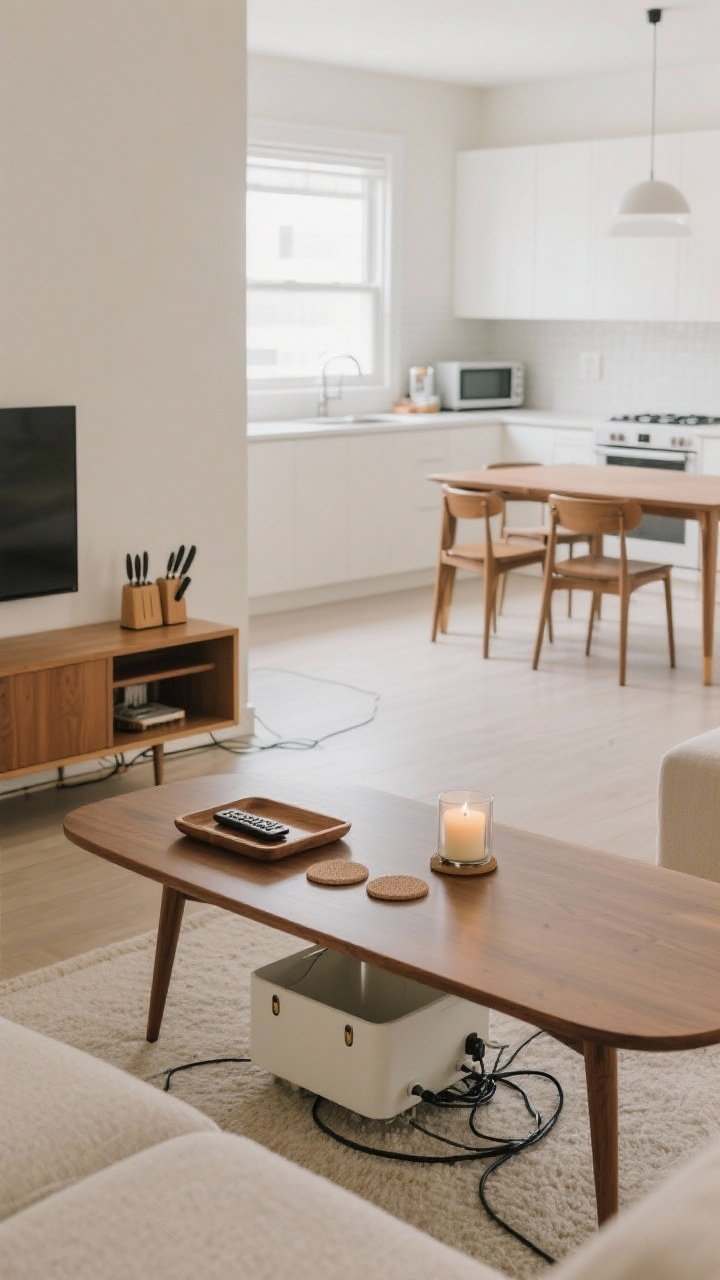
Before we add anything pretty, we have to remove the chaos. Visual clutter is sneaky—too many knickknacks, tangled cords, mismatched containers—and it spikes stress fast.
Start With A 20-Minute Edit
- Grab a laundry basket and do a quick sweep: surfaces, floors, counters. Everything random goes in.
- Sort into keep, relocate, donate, trash. Be ruthless with duplicates and “someday” items.
- Contain cords with clips or a cable box. Instant calm.
Set A Surface Rule
- Dining table and coffee table = 90% clear. One tray for remotes, candle, and coasters. That’s it.
- Kitchen counters: keep only daily-use items. The air fryer doesn’t need a permanent throne, IMO.
FYI: Clear surfaces make even basic spaces feel designed. Think “curated,” not “crowded.”
2. Pick A Soothing Color Story (And Stick To It)
Color sets the mood. Calm doesn’t require all-beige everything, but a tight palette reduces mental chatter. Choose soft neutrals as your base and layer one or two muted accent tones.
Choose Your Base
- Warm neutrals: cream, oatmeal, greige—cozy without feeling heavy.
- Cool neutrals: light gray, soft taupe—clean and serene.
Add Gentle Accents
- Muted greens for a nature vibe (sage, olive).
- Dusty blues for calm without chill.
- Terracotta or blush for warmth that still feels quiet.
Apply the 60-30-10 rule: 60% base color (walls, big furniture), 30% secondary neutral (rugs, curtains), 10% accents (pillows, art). Consistency from room to room = instant flow.
3. Layer Textures Like A Designer
Texture is what makes minimal spaces feel rich. It’s the secret sauce to cozy without clutter. If your room looks “meh,” you probably need more texture, not more stuff.
Mix Natural Materials
- Soft textiles: linen curtains, cotton throws, wool or jute rugs.
- Organic elements: wood, rattan, stone, ceramic.
- Contrast: pair a chunky knit throw with sleek leather, or a matte vase with glossy tile.
Smart Texture Zones
- Living room: linen or cotton slipcover, textured pillows, woven basket for blankets.
- Bedroom: quilt + duvet combo, upholstered headboard, high-pile rug beside the bed.
- Bathroom: waffle towels, wood stool, ceramic tray for toiletries.
Keep patterns subtle and large-scale. Tiny prints can feel busy; big patterns read calmer.
4. Simplify Your Layout For Flow
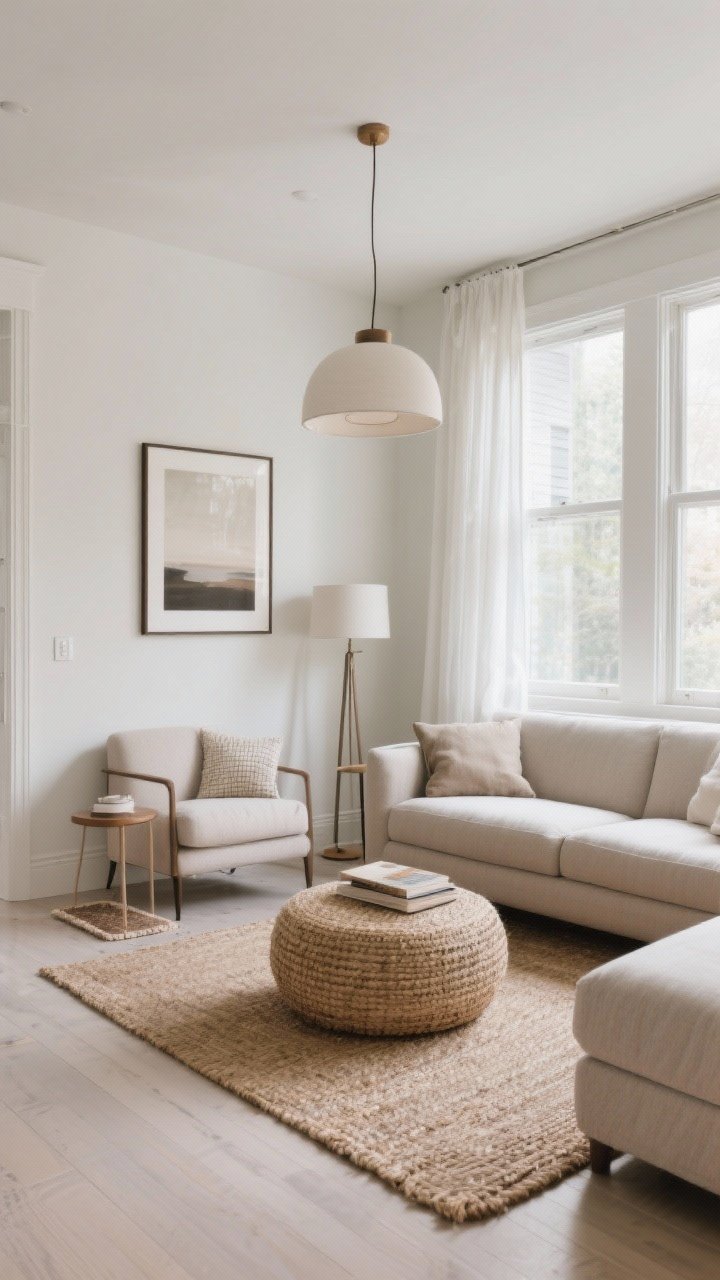
Nothing kills calm like stubbed toes and awkward furniture placement. Your layout should guide you through the room without detours or visual chaos.
Give Each Room A Purpose
- Define zones: conversation, reading, dining, workspace.
- Anchor zones with a rug or lighting—so your brain knows what happens where.
Golden Rules For Flow
- Keep 30–36 inches of walkway space around furniture.
- Pull sofas slightly off the wall—just a few inches makes it feel intentional.
- Center art at 57 inches from the floor (museum rule). Calm = balanced lines.
And please, let your windows breathe. Heavy furniture in front of them = instant gloom.
5. Make Storage Invisible (But Stylish)
Organized spaces don’t flaunt their storage; they integrate it. Hidden storage plus pretty containers is the calm-and-organized power duo.
Choose The Right Containers
- Match your materials: woven baskets for throws, felt boxes for closets, glass jars for pantry staples.
- Label discreetly: small tags or a label maker. Avoid giant, shouty labels—it’s a home, not a warehouse.
Go Vertical And Built-In
- Use tall bookcases or wall shelves to draw the eye up.
- Opt for closed storage at the bottom (doors or baskets), open display at the top.
- Choose furniture with storage: ottomans, benches, coffee tables with drawers.
Pro tip: create a drop zone near the entry with hooks, a tray, and a catch-all bowl. Saves your sanity daily.
6. Light Like You Mean It
Lighting makes or breaks the mood. Overhead glare is the enemy of calm, while layered, warm lighting feels like a hug for your eyes.
Use Three Layers
- Ambient: ceiling lights, flush mounts, or soft pendants.
- Task: lamps by the sofa, reading sconces, under-cabinet kitchen lights.
- Accent: picture lights, candles, tiny lamp on a shelf—yes, it’s a thing.
Set The Mood
- Swap bulbs to 2700K–3000K warm white. Instant cozy.
- Add a dimmer to living and bedroom lights. Your future self will thank you.
- Mirror across from a window = doubled daylight.
FYI: One big overhead light makes a room feel flat. Lamps add layers and magic. Science-ish.
7. Build Calming Rituals Into Your Decor
Calm isn’t just what you see; it’s what you do. Create simple rituals supported by your space so organization becomes effortless.
Design Habit Stations
- Tea corner: kettle, mugs, tea in a canister on a tray. Cozy on command.
- Reset basket: a small tote with a multi-surface spray, microfiber cloth, and lint roller. Five-minute nightly reset.
- Wind-down kit: book, hand cream, linen spray, and a soft throw by the sofa or bed.
Micro-Maintenance Tricks
- One in, one out for decor and clothes. No guilt, just balance.
- 10-minute tidy after dinner: clear surfaces, fluff pillows, reset counters.
- Keep a donation bag in the closet so edits are ongoing, not dramatic.
Add a subtle scent—cedar, lavender, or citrus. Not a perfume cloud, just a hint. Your space should smell as calm as it looks, IMO.
Conclusion
Making your home feel calm and organized isn’t about buying all new stuff. It’s about editing, choosing a soft color story, layering textures, and giving everything a thoughtful place to live. Start with the quick wins—clear surfaces, better lighting, a few baskets—and build from there. You’ve got this. Your future, less-stressed self is already doing a happy little exhale.
