How to Create a Cozy Minimalist Aesthetic You’ll Never Want to Leave
Posted in :

Minimalism doesn’t have to feel cold or museum-level quiet. You can absolutely have clean lines, open space, and that soothing vibe—without sacrificing warmth. Ready to make your home feel calm, curated, and ridiculously cozy? Let’s do this.
1. Edit First, Then Add Warmth
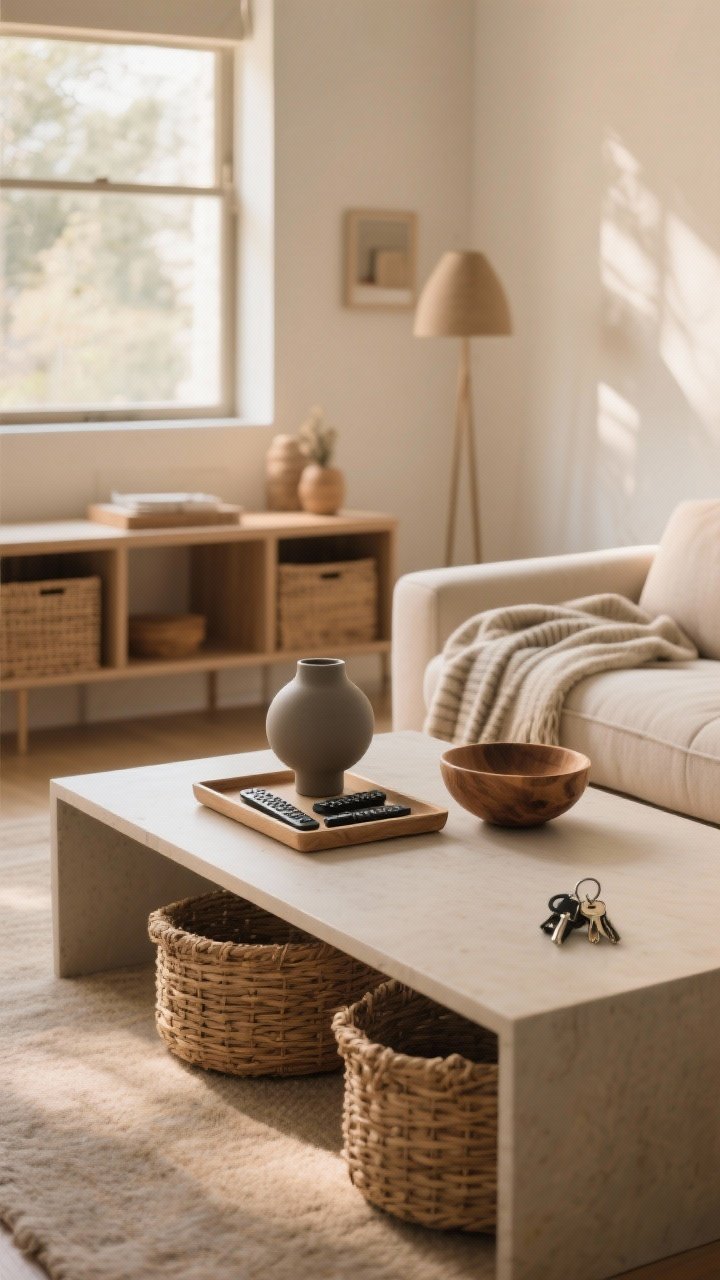
Cozy minimalism starts with subtracting. Clear the visual noise so anything you keep actually matters. Think: fewer pieces, better pieces, and nothing that makes you shrug.
Once you’ve edited, layer in warmth with intention. The cozy comes from texture, light, and natural elements—not clutter.
Quick Declutter Plan
- One surface at a time: Coffee table, dresser, nightstand. Keep only what you use daily or love.
- Set “homes” for essentials: Trays for remotes, bowls for keys, baskets for blankets.
- Practice the 3-Item Rule: On open surfaces, cap it at three pieces: one functional, one sculptural, one natural.
2. Build a Calm Color Story
Minimalism loves a tight palette. Cozy minimalism loves a tight palette with a hint of warmth. Aim for soft neutrals, then add depth with earthy accents.
FYI: Limiting colors makes your space look intentional and spacious—like a deep breath for your eyes.
Color Formula That Works
- 60% base: Warm whites, greige, or oatmeal.
- 30% secondary: Mushroom, taupe, stone, or soft charcoal for contrast.
- 10% accent: Olive, rust, clay, or inky blue—just one, max two.
- Pro tip: Choose paints with a warm undertone (cream, not blue-white). They’re instantly cozier.
3. Layer Textures Like a Pro
Texture is the secret sauce. When you keep color and shape simple, tactile elements keep things interesting and inviting.
Think contrast: smooth + nubby, matte + soft, sleek + natural. Your hands should want to touch everything—politely.
Texture Mix To Try
- Foundational: Linen or cotton upholstery, wool rug, oak or walnut wood.
- Cozy layers: Chunky knit throw, bouclé or sherpa pillow, felt or jute baskets.
- Refined balance: A matte ceramic vase, leather stool, brushed metal lamp.
- Keep it tight: 4–5 textures per room is plenty. You’re not starting a fabric store.
4. Choose Fewer, Better Furniture Pieces
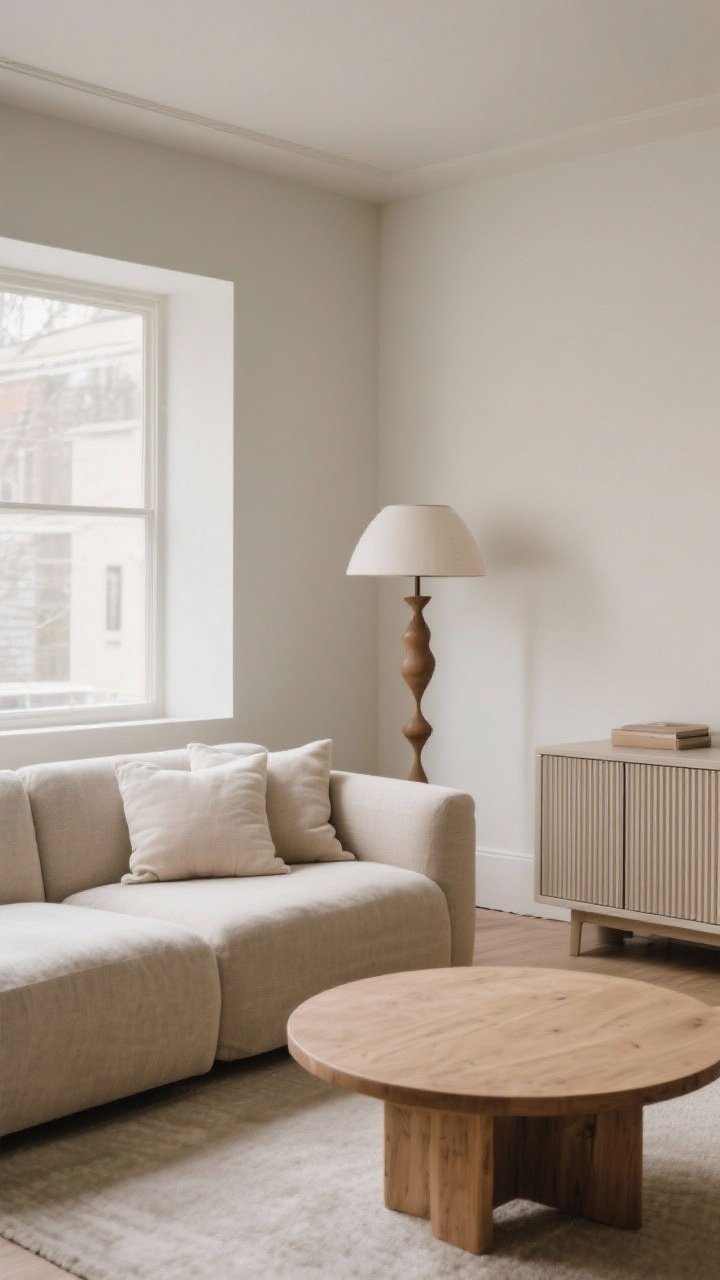
Streamlined silhouettes make the room feel calm; plush materials make it feel cozy. Aim for pieces that are simple, comfortable, and slightly rounded.
IMO, low-profile furniture with soft edges is the minimalist sweet spot—no shin-bruising corners required.
Furniture Guidelines
- Sofa: Neutral linen or performance fabric with deep seats. Add two to three plush pillows, max.
- Coffee table: Solid wood, stone, or matte metal. Round or oval shapes soften the room.
- Storage: Closed fronts (fluted, slab, or cane) keep visual clutter hidden.
- One hero piece: A statement chair, oversized art, or a sculptural lamp. Let it breathe.
5. Light It Like a Hygge Pro
Lighting changes everything. Minimal spaces can look stark under harsh light, so shift to soft, layered glows that flatter your space (and your face).
Warm light temperatures and multiple sources turn a clean room into a sanctuary. Trust.
Lighting Recipe
- Layers: Overhead (dimmer), plus a floor lamp, table lamp, and a candle or two.
- Bulbs: 2700K–3000K for warm white; frosted bulbs to avoid glare.
- Shades: Linen or parchment diffuses light beautifully without visual bulk.
- Natural light: Sheer curtains over blackout panels—soft by day, cocoon by night.
6. Style Surfaces With Intent
Minimal doesn’t mean empty; it means edited. Style surfaces with fewer, larger pieces to avoid the “trinket shop” effect.
Use repetition, negative space, and natural elements to keep things calm but interesting.
Styling Formulas
- Coffee table: Large tray + sculptural object + low stack of books. Done.
- Console: Tall lamp + centered art + bowl or vase with branches.
- Nightstand: Small lamp + carafe or candle + one book. Keep cords tidy.
- Pro move: Oversize one element (like a big vase) and keep the rest quiet.
7. Bring Nature In (Without Going Full Jungle)
Nature is the coziest minimalist accessory—no visual noise, just serenity. Use organic shapes, raw materials, and subtle greenery.
Skip fussy florals. Go for structural stems or a single leafy plant that looks good even when you forget to water it—hypothetically, of course.
Nature, The Minimalist Way
- Greenery: Olive tree, rubber plant, or snake plant. One per zone is plenty.
- Branches: Eucalyptus, willow, or magnolia in a matte ceramic vase.
- Materials: Stone trays, linen drapes, wool rugs, raw wood bowls.
- Art: Soft landscapes, monochrome prints, or textured canvases—framed simply.
Final Note: Creating a cozy minimalist aesthetic is about balance—quiet lines, warm textures, and pieces that earn their spot. Start by editing, choose a gentle palette, and layer with intention. You’ll end up with a space that feels calm, lived-in, and totally you. Now light a candle, curl up, and enjoy the zen you just created.
