Low-waste Home Décor Solutions You’ll Actually Want to Show Off
Posted in :

You can have a stylish home without sending five trash bags to the curb every weekend. Promise. Low-waste decorating is about creativity, smart swaps, and pieces with stories. Plus, it saves cash. Ready to make your home look designer-level while doing right by the planet?
1. Shop Your Home First, Then Thrift Like a Pro
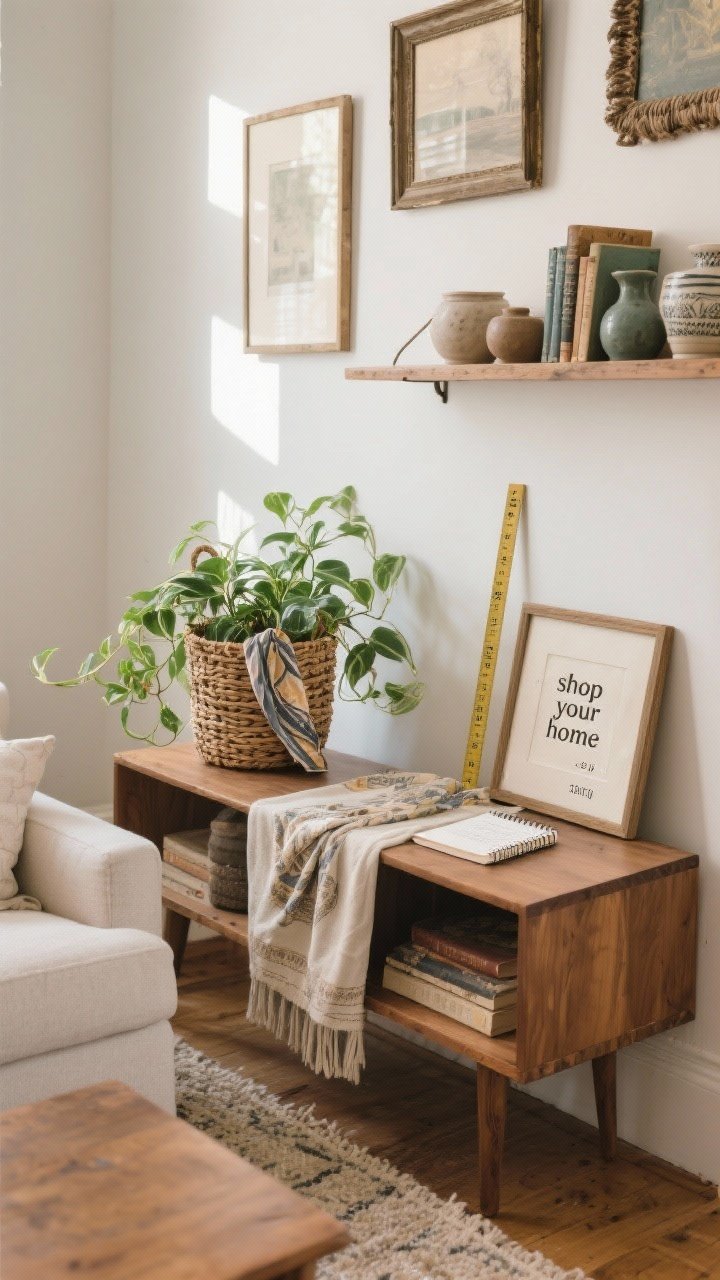
Before you buy anything, take a lap around your place. You’ve got more potential than you think. That basket in your closet? Hello, plant holder. That scarf you never wear? Boom—table runner.
Where to Source Smart
- Shop your home: Rotate art between rooms, move side tables, restyle shelves.
- Thrift stores and flea markets: Go on weekday mornings for the best finds.
- Buy-sell groups: Facebook Marketplace, Buy Nothing, and local swaps are gold.
Pro tip: Keep a note with measurements for frames, rug sizes, and shelf widths. Nothing wastes time (or gas) like guessing.
2. Choose Materials That Age Well (And Skip the Flimsy Stuff)
Low-waste decorating means buying less often. That starts with materials that won’t fall apart by next season. Look for pieces that can handle dings and still look cool.
Go For These
- Solid wood: Easy to refinish, repaint, or repair. Veneer is fine if it’s high quality.
- Natural fibers: Linen, wool, jute, cotton—breathable, durable, often compostable.
- Ceramics and glass: Timeless and recyclable. Bonus points for handmade.
- Powder-coated metal: Long-lasting and sleek for shelving or lighting.
FYI: Fast décor (looking at you, wobbly MDF) ends up in the bin. Quality upfront is the ultimate low-waste move.
3. Upcycle With Intention, Not Glue-Gun Chaos
Upcycling can be chic, not crafty-gone-wrong. Think upgrades that feel custom, not temporary. The key is to keep lines clean and finishes elevated.
Easy Glow-Ups
- Old dresser, new life: Sand, paint in a matte neutral, swap in brass or leather pulls.
- Frames, unified: Spray old frames in one color for a gallery wall that looks curated.
- Tabletop refresh: Add a cut glass top or linoleum remnant to revive a battered table.
- Lampshade swap: Keep the base, replace the shade with linen or pleated paper.
IMO, pick one “hero” upcycle per room so it reads intentional. If everything is DIY, nothing stands out.
4. Style With Multipurpose Pieces (Because Storage = Sanity)
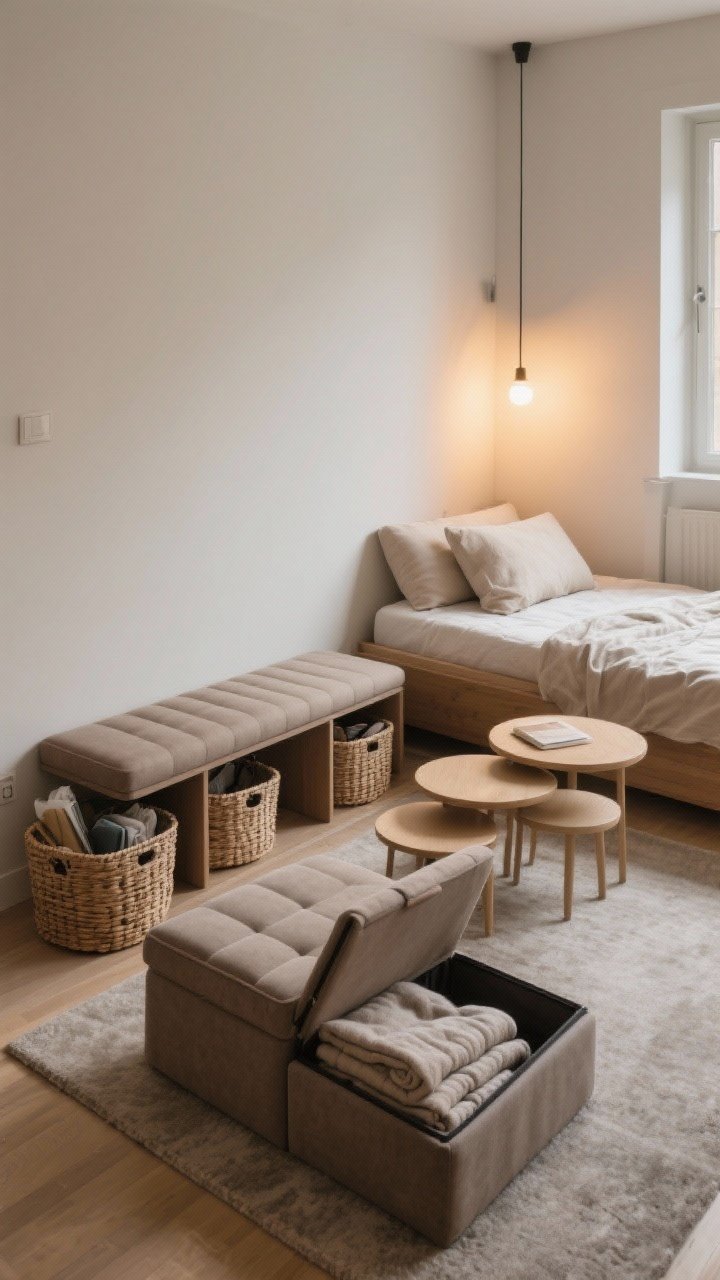
Less waste is easier when your furniture works harder. Multipurpose pieces reduce the urge to buy “one more thing.” Form meets function, and your closet breathes a sigh of relief.
Space-Savvy Winners
- Ottoman with storage: Hide blankets, kids’ toys, or your secret snack stash.
- Bench with baskets: Entryway clutter? Consider it handled.
- Nesting tables: Spread out for guests, tuck away for everyday.
- Daybed or futon: Lounge by day, guest bed by night—perfect for small spaces.
Look for neutral silhouettes. They move from room to room easily and won’t clash with future style tweaks.
5. Decorate With Plants, Not Plastic (But Keep Them Alive)
Plants instantly make any space feel styled and intentional. They’re living décor that cleans your air and changes with the seasons—no seasonal décor bins needed.
Low-Effort Greenery
- Snake plants and ZZ plants: Thrive on neglect, look sculptural.
- Pothos and philodendron: Trailing magic for shelves and mantels.
- Herbs in the kitchen: Pretty and practical—basil, mint, rosemary.
Reuse vessels you already own as planters—ceramic bowls, baskets with liners, even vintage tins. Just add drainage (drill holes or use a nursery pot inside).
6. Textiles: Rotate, Layer, And Buy Better
Textiles are the fastest way to refresh a room without swapping furniture. Instead of impulse-buying seasonal pillows, build a small capsule collection and rotate.
Textile Strategy
- Capsule palette: Pick 3–4 colors that mix-and-match across rooms.
- Natural fabrics: Linen, wool, organic cotton last longer and feel luxe.
- Reversible or zippered covers: Washable, replaceable, and storage-friendly.
- Rugs that endure: Wool or jute for living areas; washable cotton runners for high-traffic spots.
Hot tip: A throw at the foot of the bed, then on the sofa, then on the reading chair = three “new looks” from one piece. That’s low-waste styling magic.
7. Edit Like a Stylist: Keep, Curate, Donate
The most sustainable décor is a thoughtful edit. Keep what you love, display it beautifully, and pass everything else on so it keeps living its best life elsewhere.
The Keep-Curate-Donate Flow
- Keep: Pieces with great materials, sentimental value, or daily utility.
- Curate: Group items by color or theme—odd numbers, varied heights, breathing room.
- Donate or sell: List quality items with measurements; donate gently used goods to local charities.
Final stylist trick: Photograph your shelves. What looks cluttered on camera will feel cluttered IRL. Edit until it breathes. FYI, negative space is the most underrated décor element.
Quick Wins To Reduce Waste Today
- Swap disposable scents for reusable diffusers with essential oils.
- Use LED bulbs in warm tones—cozy, efficient, long-lasting.
- Frame fabric scraps or wallpaper samples for instant art.
- Choose refillable cleaners and pretty glass bottles that can live on open shelves.
- Buy secondhand frames and mirrors, then update the mats for a custom look.
You don’t need a perfect zero-waste home to make a difference—just a few smart choices and a little creativity. Start with one room, swap one habit, and watch the style (and the savings) add up. Your home will look chic, feel personal, and yes, be much kinder to the planet. That’s a win-win, no compost bin required.
