Easy Eco-friendly Cleaning Tips You’ll Actually Want to Try
Posted in :

You know that moment when sunlight hits your living room and suddenly every dust bunny waves hello? Same. The good news: you don’t need harsh chemicals (or a hazmat suit) to keep things spotless. These easy eco-friendly cleaning tips are budget-friendly, home-decor safe, and shockingly effective. Let’s make your place sparkle—without making the planet cry.
1. The Power Trio: Vinegar, Baking Soda, And Castile Soap
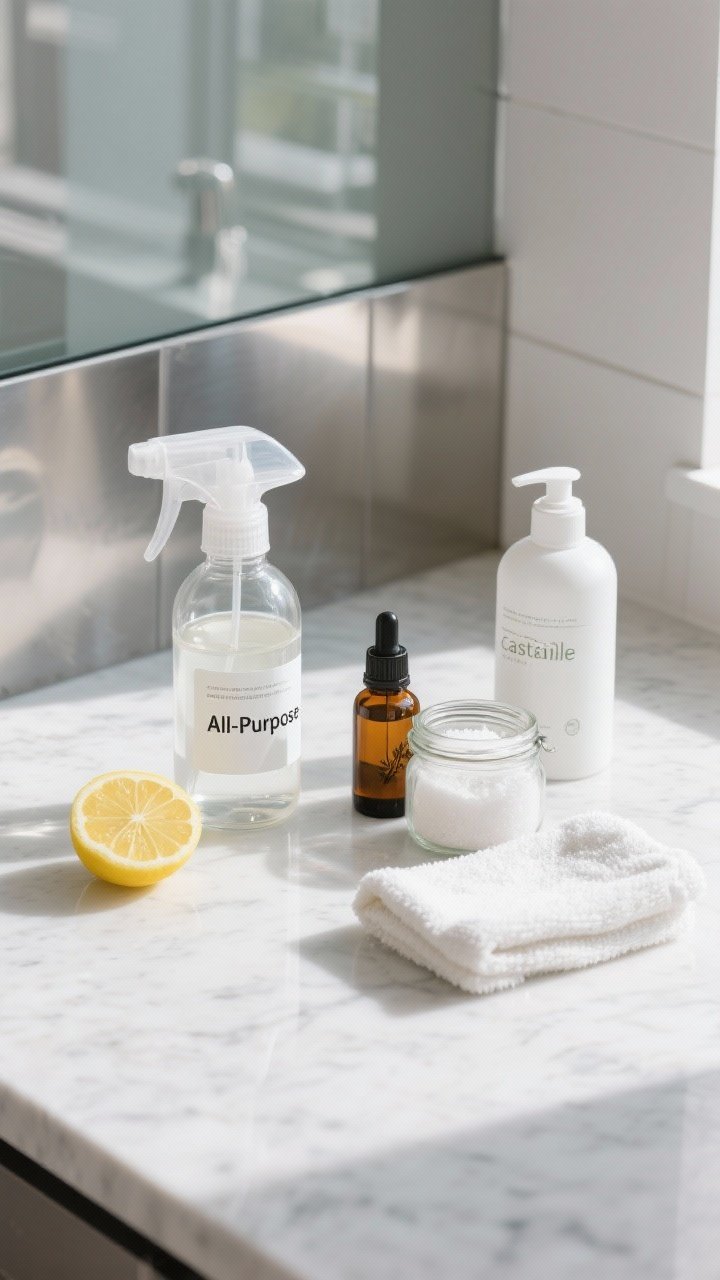
Meet the minimalist cleaning cart. White vinegar cuts grease and dissolves mineral deposits, baking soda deodorizes and gently scrubs, and castile soap lifts dirt without residue. Together, they’re the chic capsule wardrobe of cleaning.
Go-To Mixes
- All-Purpose Spray: 1 cup water + 1 cup white vinegar + 10 drops lemon or tea tree oil. Use on sealed countertops, glass, and stainless steel. Avoid natural stone.
- Soft Scrub: 3 tbsp baking soda + a squirt of castile soap. Perfect for sinks, tubs, and ceramic cooktops.
- Floor Cleaner: 1 gallon warm water + 1–2 tbsp castile soap. Mop sealed wood, tile, or laminate. No vinegar on wood—keep that for glass and tile.
FYI: Add essential oils for scent, but go light—5–10 drops per batch is plenty.
2. Room-By-Room Detox (Without Destroying Your Decor)
Cleaning should make your home look better, not strip finishes or fade fabrics. Here’s a decor-safe plan that keeps materials in mind.
Living Room
- Dust first: Use a slightly damp microfiber cloth. Work top to bottom—shelves, frames, lamps, baseboards.
- Upholstery refresh: Sprinkle baking soda, wait 20 minutes, vacuum with upholstery attachment.
- Leather love: Wipe with a damp cloth, then nourish with a tiny amount of olive oil on a soft cloth. Buff well.
Kitchen
- Grease buster: Spray diluted vinegar on cabinets and backsplash; wipe with microfiber.
- Sink sparkle: Scrub with baking soda; rinse; finish with a vinegar spritz for shine.
- Fridge detox: Wipe shelves with 1:1 vinegar and water; place an open box of baking soda to absorb odors.
Bathroom
- Soap scum slayer: Warm 1:1 vinegar and water. Spray, wait 10 minutes, then scrub with a brush.
- Grout refresh: Make a baking soda paste, scrub with an old toothbrush, rinse with warm water.
- Mirror magic: Vinegar + water + microfiber. Streak-free, no drama.
Bedrooms
- Mattress reset: Sprinkle baking soda + a few drops of lavender oil, wait 30 minutes, vacuum.
- Dust defense: Wash pillow covers weekly; duvet covers biweekly. You’ll breathe easier.
3. Microfiber: The Unsung Eco Hero
Before you panic about plastic, here’s the deal: reusable microfiber cloths pick up dust and bacteria with just water—no chemicals. That means less product, less waste, more clean.
- Color code: Blue for glass, green for kitchen, yellow for bathroom. You’ll avoid cross-contamination without thinking.
- Care tips: Wash in cold water, skip fabric softener (it clogs fibers), and air dry to extend lifespan.
- Upgrade move: Use a microfiber mop with washable pads. Floors done in five minutes—chef’s kiss.
Prefer natural fibers? Cotton rags work, too. They just don’t grab dust as aggressively—so use a spritz of water for best results.
4. Natural Scents That Don’t Overwhelm
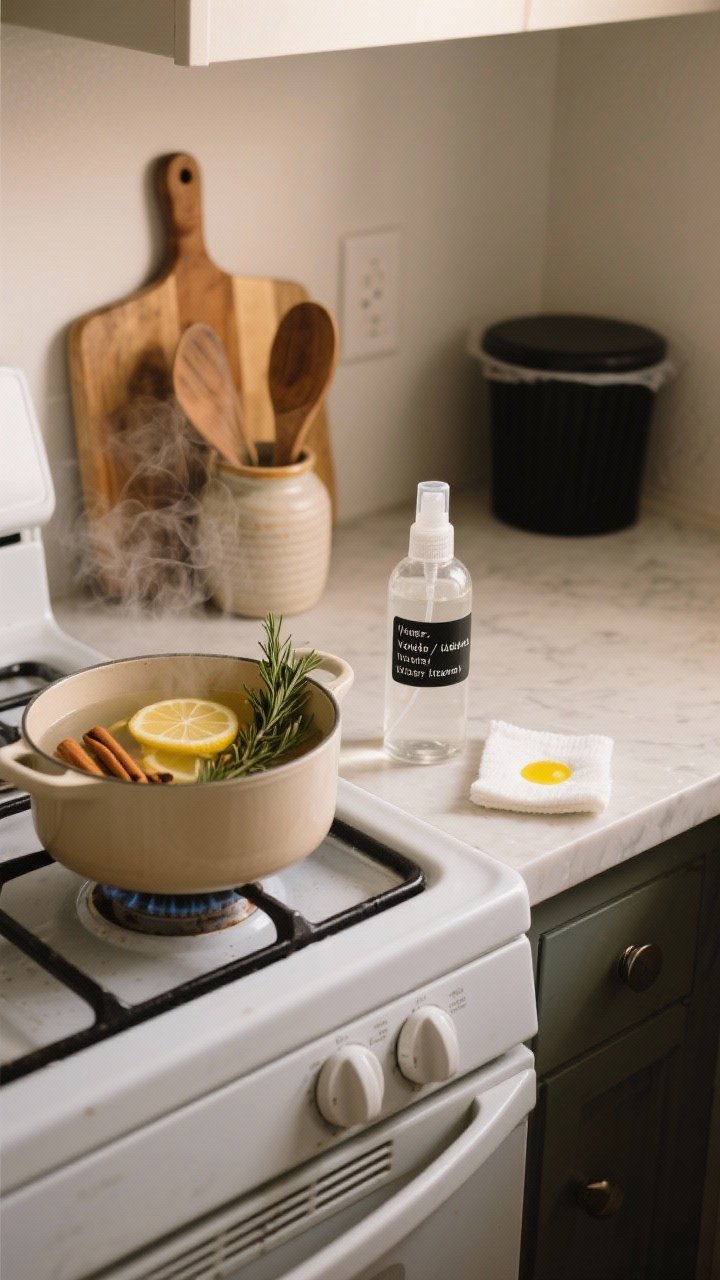
Your home should smell clean, not like a perfume counter. Light, natural scents keep the vibe cozy and calm.
Easy Wins
- Simmer pot: Lemon slices, rosemary, and cinnamon sticks in a small pot of water. Cozy, subtle, and holiday-level inviting.
- DIY room spray: 1 cup water + 1 tbsp vodka or witch hazel + 10 drops essential oil. Shake before each use.
- Trash can hack: A few drops of eucalyptus or lemon oil on a cotton pad at the bottom of the bin.
Important: Go easy with essential oils around pets and kiddos. Ventilate and use sparingly—more isn’t better, it’s just… more.
5. Stain Emergencies, Handled The Eco Way
Spills happen. We’re human. The trick is knowing the right move fast, so your sofa doesn’t keep score.
- Red wine on fabric: Blot (don’t rub). Sprinkle salt or baking soda to draw moisture, then dab with 1:1 vinegar and water. Rinse with cool water and blot dry.
- Grease on upholstery: Cornstarch to absorb oil, wait 15 minutes, vacuum. Spot clean with a tiny drop of castile soap and water.
- Coffee on rugs: Blot, then apply a mix of 1 cup warm water + 1 tsp white vinegar + 1 tsp mild dish or castile soap. Blot again with clean water.
- Ink on hard surfaces: Rubbing alcohol on a cotton pad. Test first and avoid matte-painted walls.
- Water rings on wood: A pea-sized bit of white toothpaste (non-gel) + baking soda. Rub gently with a soft cloth, then buff with a drop of olive oil.
Pro tip: Always test in an inconspicuous spot. If a cleaner changes color or sheen, abort mission.
6. Set A “Low-Effort, High-Impact” Cleaning Rhythm
Consistency beats marathon cleaning. Short, simple routines keep your home camera-ready—no panic cleaning when guests text “on my way!”
Daily (5–10 Minutes)
- Reset surfaces: Quick wipe of kitchen counters and dining table.
- Speed tidy: Toss clutter in a basket; sort later.
- Spot sweep: Entryway and under the dining table—crumb zones.
Weekly (30–45 Minutes)
- Bathroom refresh: Vinegar spray for glass and tile, soft scrub for sink and tub.
- Dust + vacuum: Ceiling fans, baseboards, sofa crevices. Put on a podcast and zone out.
- Linens rotation: Wash sheets and pillowcases; open windows for 10 minutes for fresh air.
Monthly (60–90 Minutes)
- Deep appliances: Descale kettle/coffee maker with vinegar. Clean oven door with baking soda paste.
- Window glow-up: Vinegar + water on glass, squeegee for that showroom shine.
- Rug refresh: Roll, vacuum underneath, rotate to even out wear and sunlight.
IMO, timers turn chores into a game. Beat your high score; reward with a fancy tea.
7. Reduce Waste While You Clean (And Still Keep It Cute)
Green cleaning isn’t just about what’s in the bottle—it’s also about what ends up in the bin. Small swaps save money and look aesthetic on your shelves. Win-win.
- Refill, don’t rebuy: Use glass spray bottles and refill with bulk concentrates or your own mixes.
- Compost the right stuff: Paper towels, citrus peels from your simmer pot, and coffee grounds—straight to the compost.
- Choose reusable: Microfiber cloths, washable mop pads, and silicone scrubbers replace throwaway tools.
- Upcycle jars: Store baking soda, dishwasher tablets, and laundry powder in labeled glass jars. Looks designer; costs pennies.
- Line smart: Ditch plastic bin liners for compostable ones or reuse grocery paper bags for dry waste.
And if you love a label maker? This is your Olympics. Uniform jars and neat labels make you feel like a home organization influencer—minus the sponsored content.
Final Thoughts: These easy eco-friendly cleaning tips aren’t about doing everything perfectly—they’re about doing simple things consistently. Keep a few staples on hand, build gentle routines, and let your home shine without harsh chemicals or disposable clutter. Your space (and the planet) will thank you—quietly, with fewer dust bunnies waving in the sunlight.
