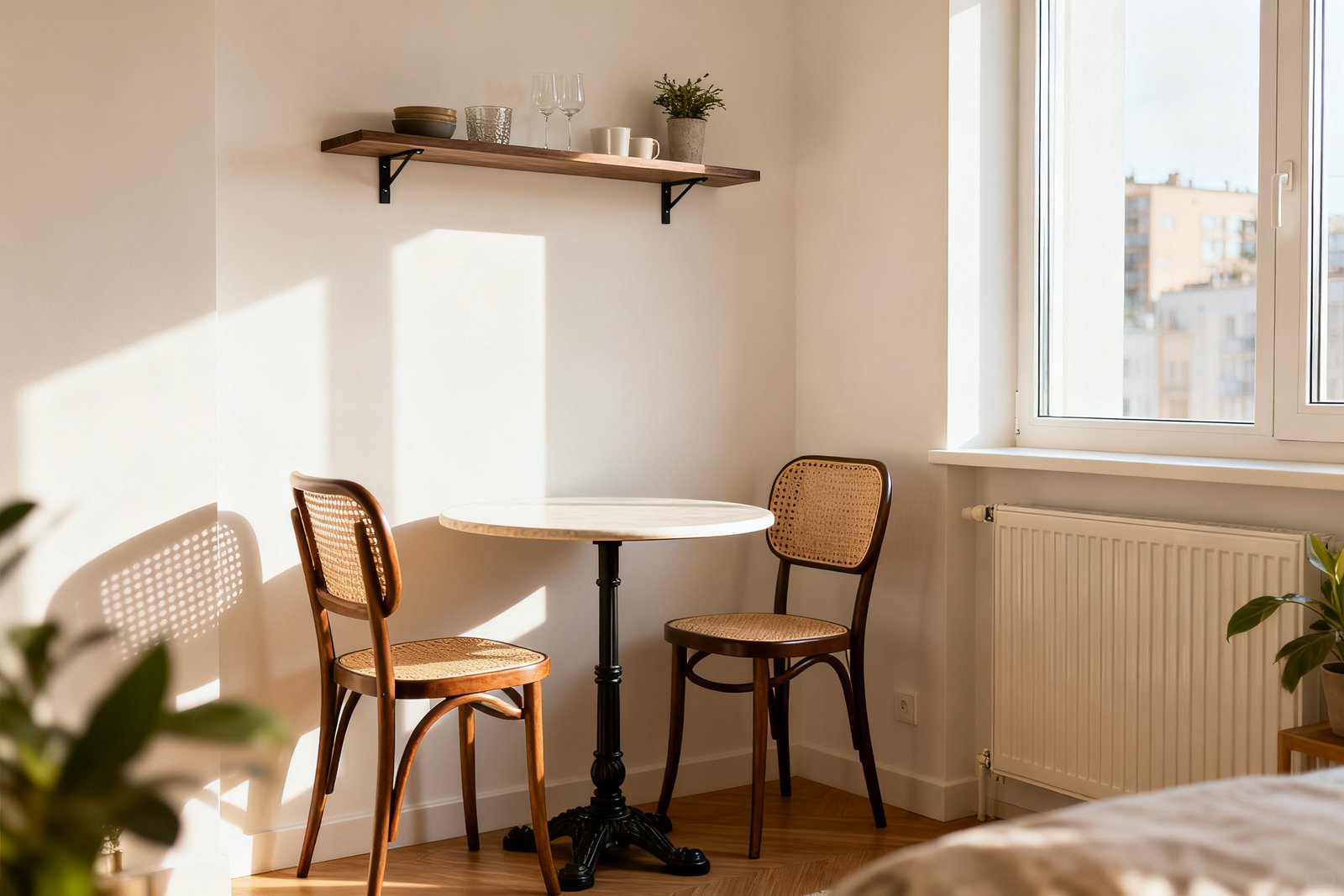

Even in a tiny apartment, you can carve out a dining spot that’s comfortable, good-looking, and affordable. The key is choosing flexible furniture, using your walls wisely, and setting up visual boundaries that don’t eat up square footage. Here’s how to make a small dining area work hard on a small budget.
Choose the Right Table (Shape, Size, and Function)
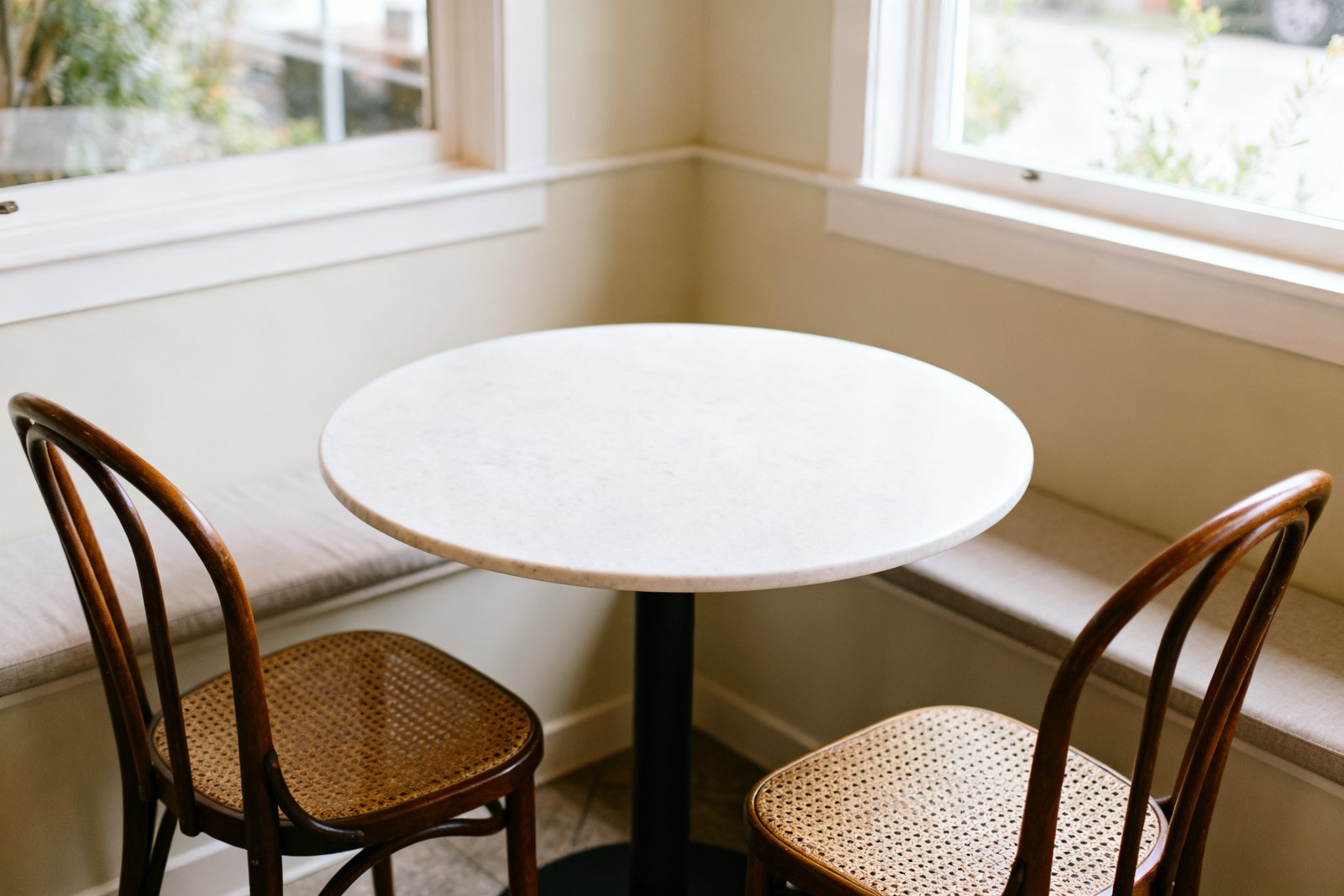
Start with the table. In tight quarters, round or oval tables are friendlier to foot traffic and squeeze in more people without sharp corners. A 30–36 inch round table typically fits two to three people and tucks nicely into a corner; look for secondhand options in the $40–$120 range, or new budget versions around $80–$150.
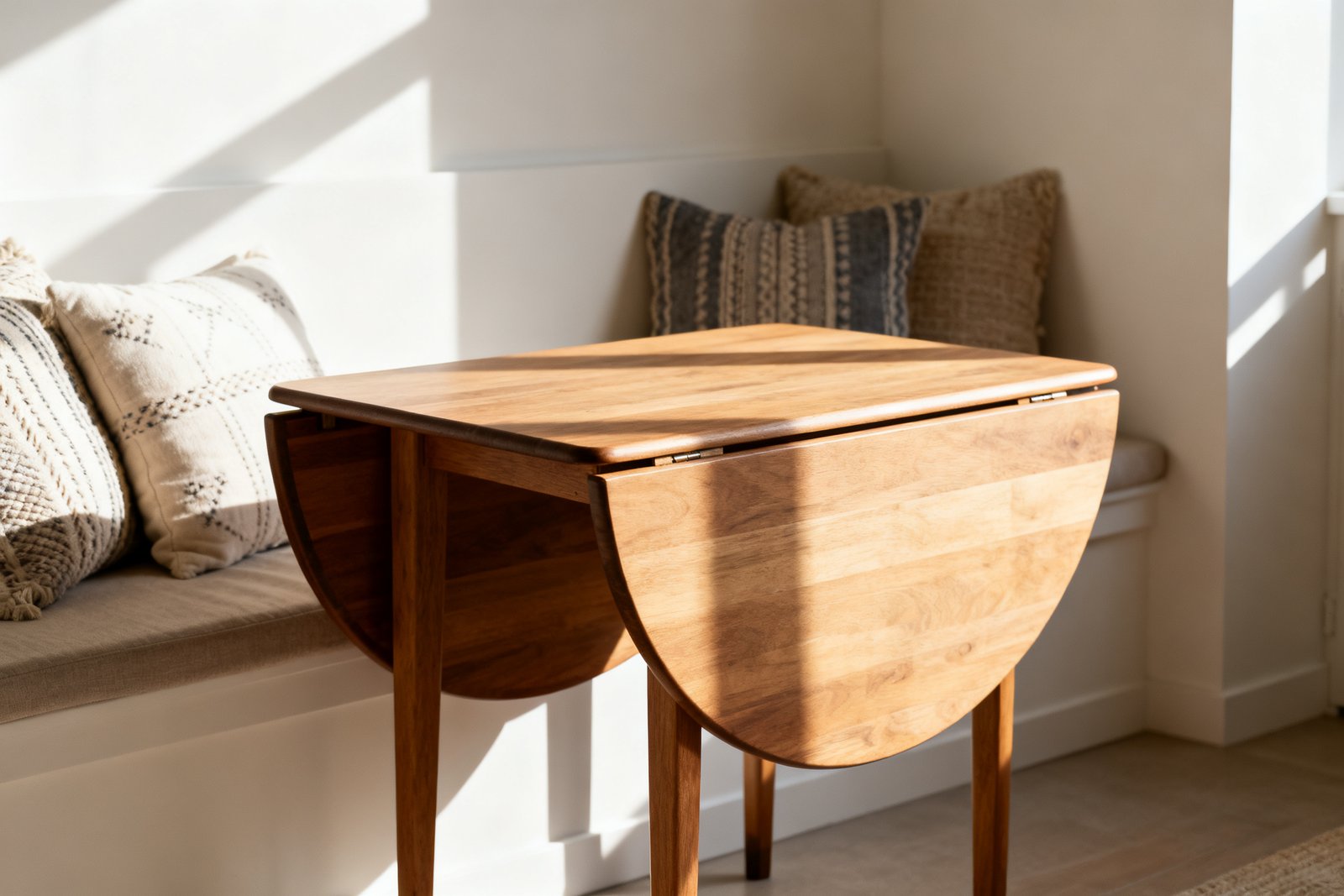
Drop-leaf and gateleg tables are MVPs in tiny spaces. Keep a leaf down for daily use and lift it for guests. Expect to find them used for $50–$150 or new for $120–$250. A narrow bar-height console (10–16 inches deep) can double as a dining perch against a wall or behind a sofa—pair it with two stools that slide underneath.
Space-saving tips
- Choose pedestal bases over four chunky legs to allow more knee room.
- Look for tables with integrated storage shelves below the top.
- Consider a wall-mounted drop-leaf table ($35–$90) that folds flat when not in use.
Seating That Disappears
For more ideas, see our guide on how to small living room layout ideas.
Stackable or folding chairs let you seat guests without committing to floor space 24/7. Metal or wooden folding chairs run $15–$35 each; paint them to match your palette for a unified look. Stools that slide under a counter or bench seating with storage keep things tidy.
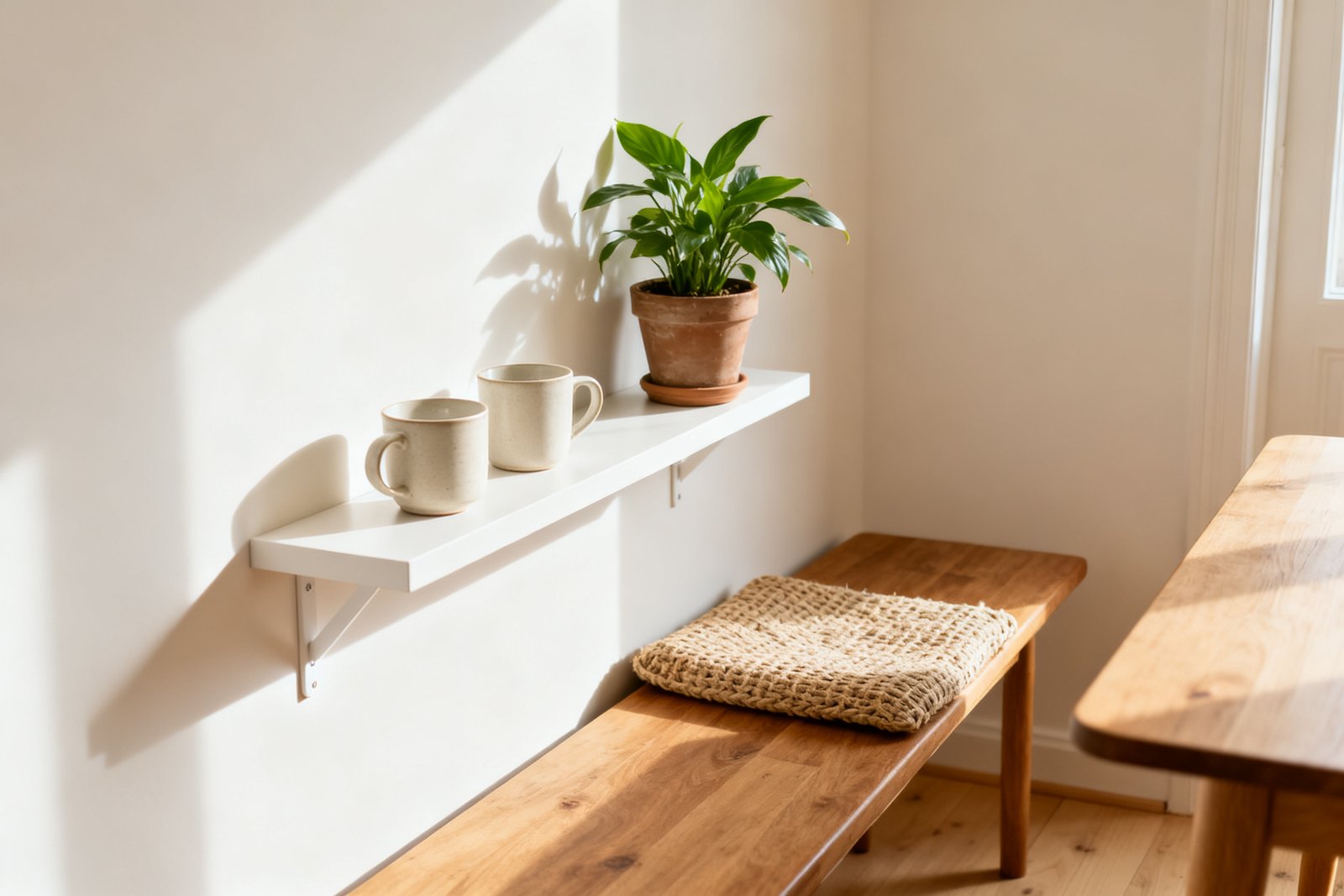
If you can tuck a narrow bench along a wall, you’ll gain seating and storage in one piece. A simple shoe-storage bench or IKEA-style cube bench ($40–$120) with cushions turns an awkward wall into an eating nook. For ultra-tight spaces, one or two low-profile dining chairs that moonlight as desk chairs will reduce redundancy.
Comfort without bulk
- Use slim seat cushions or a folded throw for comfort; store in the bench or on a hook rail.
- Pick armless chairs with open backs to keep sight lines clear.
- Match seat height to table height (about 10–12 inches clearance between seat and tabletop).
Define the Zone Without Building Walls
Making the most of a small dining nook? Our free 5-Day Budget Home Reset helps you maximize every room, one day at a time.
Even a tiny dining area benefits from visual boundaries—it helps your space feel intentional. A small, low-pile rug (3×5 or 4×6) instantly defines the zone; look for indoor/outdoor or washable rugs in the $30–$80 range. Keep patterns light and scale appropriate so you don’t overwhelm the room.
Lighting is a powerful divider. A plug-in pendant or swag light ($25–$60) hung over the table pulls the eye to your “dining room.” If overhead isn’t an option, a slim floor lamp next to the table or an under-cabinet strip light along a shelf can do the job. Lean art or a small gallery arrangement at seated eye level also frames the area.
Quick zone-makers
- Center the table on the rug and align the light source above for a cohesive look.
- Use a short runner (8–12 inches longer than the table) to visually stretch a small top.
- Mount a floating shelf as a “buffet” ledge to anchor the wall.
Storage That Doubles as Style
It also helps to check out best furniture for small spaces.
Small dining areas get cluttered fast. Build in storage that can host both dining essentials and decor. A narrow console (10–14 inches deep) or a ladder shelf nearby holds plates, napkins, and a plant. Secondhand options often run $20–$80; paint, swap knobs, or add baskets to elevate the look.
Use vertical space. A peg rail or Shaker-style hook strip ($15–$30) handles foldable chairs, aprons, and tote bags of table linens. Add 2–3 lidded baskets ($8–$15 each) on a top shelf for seasonal items like candles or placemats. For open storage, keep your color palette tight (two neutrals + one accent) so it reads calm, not cluttered.
Micro-buffet ideas
- Bar cart with locking wheels ($40–$100): rolls out for parties, tucks away daily.
- Under-bench bins for placemats, chargers, and board games.
- Magnetic strip or rail under a shelf for hanging stemless wine glasses with clips.
Make It Look Bigger: Light, Color, and Materials
Keep the palette light and cohesive around your dining area. White, cream, pale gray, or soft pastels on the walls bounce light and create the illusion of more space. If you rent, removable wallpaper behind the table ($30–$50 per roll) adds personality without swallowing the room—go for small or medium patterns.
Reflective and transparent materials help, too. A small mirror across from a window brightens the table; thrift stores often have decent frames for $10–$25. Consider a glass or acrylic table top for a nearly invisible footprint, or a wood top with slim, tapered legs for a lighter visual weight.
Texture counts
- Mix matte (rug, napkins) and glossy (glass, glazed ceramics) surfaces for depth.
- Use one prominent natural texture—like a jute placemat set ($12–$20)—to add warmth.
- Choose compact centerpieces: a low bowl of fruit or a 6–8 inch plant keeps sight lines open.
Multi-Use Layouts That Actually Work
If your dining area overlaps with work or hobbies, plan it on purpose. A wall-mounted drop-leaf table can function as a desk by day and a dining table by night; store a shallow caddy with office supplies in a drawer or hanging basket. Label a bin for “dining reset” so you can quickly clear workspace items.
In studio apartments, think zones in a line: kitchen zone → dining table → living area. Keep at least 24 inches of walkway around the table when possible. Use matching wood tones or a consistent metal finish to visually link pieces even if they’re mismatched finds.
Step-by-Step: Create a Tiny Dining Nook This Weekend
- Measure your space. Note maximum table diameter/width and chair clearance; sketch it.
- Pick a table style. Decide between round, drop-leaf, or wall-mounted based on measurements.
- Source pieces. Check local buy/sell groups, thrift stores, and flat-pack options within your budget ($120–$250 total target for table + 2 chairs).
- Define the zone. Add a small rug or runner and a focused light source.
- Build storage. Install a floating shelf or place a narrow console; add baskets.
- Style simply. One compact centerpiece, coordinating placemats, and a small piece of art.
- Test the flow. Sit, pull chairs in/out, and adjust rug or table placement for clearance.
Realistic Example: 300-Square-Foot Studio
Problem: No dining space; only a wall between the kitchenette and the bed. Budget: $200.
Solution: A secondhand 30-inch round pedestal table ($60) sits near the kitchenette wall. Two stacking metal chairs ($50 total) slide under when not in use. A 3×5 washable rug ($35) anchors the zone, and a plug-in swag pendant ($30) hangs from a ceiling hook centered over the table. A $20 floating shelf acts as a mini-buffet holding two plates, bowls, and cloth napkins; a small mirror ($10 thrifted) reflects light from the window. The setup seats two daily and can squeeze a third chair when friends visit.
Mistakes to Avoid
- Buying a table that’s too large. Aim for at least 24 inches of clearance around it where possible; in tight corners, leave the traffic side clear.
- Heavy, high-back chairs. They visually crowd the room and are harder to tuck away.
- Busy centerpieces. Tall or wide decor blocks sight lines and makes the table feel smaller.
- Skipping lighting. Without a defined light source, the area blends into everything else.
- Ignoring storage. Napkins, candles, and placemats need a home or they’ll live on your table.
Budget Breakdown Ideas
Mix used and new to stretch your dollars. Prioritize a stable table and comfortable seating first, then add style layers.
- Ultra-frugal ($80–$120): Used drop-leaf table, two folding chairs, thrifted art, DIY pendant with plug-in cord, no rug.
- Moderate ($150–$250): New budget round table, two stackable chairs, 3×5 rug, plug-in pendant, small shelf with baskets.
- Stretch with storage ($250–$350): Gateleg table, two chairs, washable rug, slim console/bench with bins, mirror, simple runner.
FAQ
How big should my table be for a tiny dining area?
For two people, a 28–32 inch round table is usually enough and easier to move around. If rectangular, keep the depth to 24–28 inches for narrow spaces. Measure first and leave room to pull chairs out comfortably on at least one side.
Can I put a dining area in a hallway or entry?
Yes, if you maintain clear walkways. Choose a narrow console table with stools that tuck fully underneath. Keep decor minimal and use wall-mounted lighting to avoid floor lamp clutter.
What if I don’t have space for a separate table?
Use a counter overhang or window ledge as a perch with two stools. Alternatively, install a wall-mounted drop-leaf that folds flat when you’re done. Trays help convert a coffee table or ottoman temporarily for meals.
How do I make mismatched thrifted pieces look cohesive?
Repeat one element: color, wood tone, or metal finish. A simple coat of paint on chairs, a matching runner, and consistent hardware on storage pieces ties the look together. Keep patterns limited to one or two items.
If you want to keep going, take a look at style a dining table for everyday.
Final Thoughts
A small dining area works best when each piece pulls double duty and the zone is clearly defined. Choose compact, flexible furniture; add targeted lighting; and keep storage close. With a few thoughtful moves, you’ll have a comfortable spot to eat, work, and gather—without crowding your apartment or your budget.