How to Stop Buying Things You Don’t Need for Your Home
Posted in :

You don’t need another citrus juicer. Or a third throw blanket. Or that candle that promises to “smell like ambition.” If your home feels crowded and your bank account feels judged, let’s fix that.
Here’s how to stop buying stuff you don’t need—and still love your space.
For more mindful, money-saving ideas, see How to Decorate Your Home Without Buying Anything (and Actually Love It), Low-cost Ways to Reduce Clutter Naturally That’ll Transform Your Space Fast, and How to Simplify Your Home in 30 Days Without Losing Your Style.
Start With a 10-Minute House Tour
Walk through your place with your phone’s notes app open. Spot the repeat offenders: extra mugs, baskets, vases, random gadgets. Ask yourself, “Would I buy this again today?” If not, it’s a clue. Why this works: you’ll see your real-life patterns, not the curated version in your head.
You’ll also notice your “zones of chaos”—that shelf where cute-but-useless decor goes to die.
Make a Do-Not-Buy List
Create a short list of categories you overbuy. Examples:
- Throw pillows
- Storage bins (for the stuff you shouldn’t own anyway)
- Seasonal decor
- Mugs and glassware
- Gadgets “as seen on TikTok”
Set a rule: for everything on that list, you must wait 30 days before purchasing. If you forget about it, that’s a win.
Know Your Triggers (and Outsmart Them)
You don’t impulse-buy in a vacuum.
Stores and apps design everything to make you say “Ooh, want.”
- Free shipping minimums: companies set thresholds to make you add nonsense. Add to wishlist, not cart.
- “Only 3 left!” Scarcity plays your amygdala like a fiddle. FYI, they’ll restock.
- Influencer setups: staged homes look amazing because nothing practical exists off-camera.
Where’s the ugly router? Exactly.
Defensive Moves
- Unsubscribe from store newsletters. The “15% off” isn’t saving you money if you weren’t buying.
- Delete saved cards from your browsers.
Friction saves you cash.
- Move shopping apps off your home screen. Out of sight, out of cart.

The One-In, One-Out Rule (With Teeth)
Every time you bring home a new home item, you let go of one similar thing—immediately. Not “later.” Now. New lamp?
Donate the old one. Another cutting board? Pick your least favorite and release it into the wild.
Back it up with a Box
Keep a labeled “Outbox” near your door.
When it fills, schedule a donation pickup or drop-off. This creates momentum and stops the “I’ll do it someday” delay.
Buy Like a Pro: The 4-Question Filter
Before you buy, ask:
- Where will it live? If you don’t know the exact spot, it’s a no.
- What will it replace? If nothing, you’re adding clutter, not solving a problem.
- Will I still use this in a year? Trends fade, storage lasts forever (sadly).
- Is this the best version? If you want “just for now,” skip it. Temporary fixes get expensive.
If it passes all four, congrats—you might actually need it.
IMO, this filter saves more money than any coupon ever did.
Quality Over “Cute”
Choose fewer, better basics:
- Neutral linens that mix and match
- Multi-purpose kitchen tools (chef’s knife > avocado slicer)
- Durable storage you’ll keep for years (not flimsy plastic that cracks by summer)
Pro tip: Set a “considered purchase” price threshold (say, $50). If it’s over that, you must wait one week and read three real reviews that mention downsides.

Decorate Without the Haul
You can refresh your space without filling another cart. Crazy, I know.
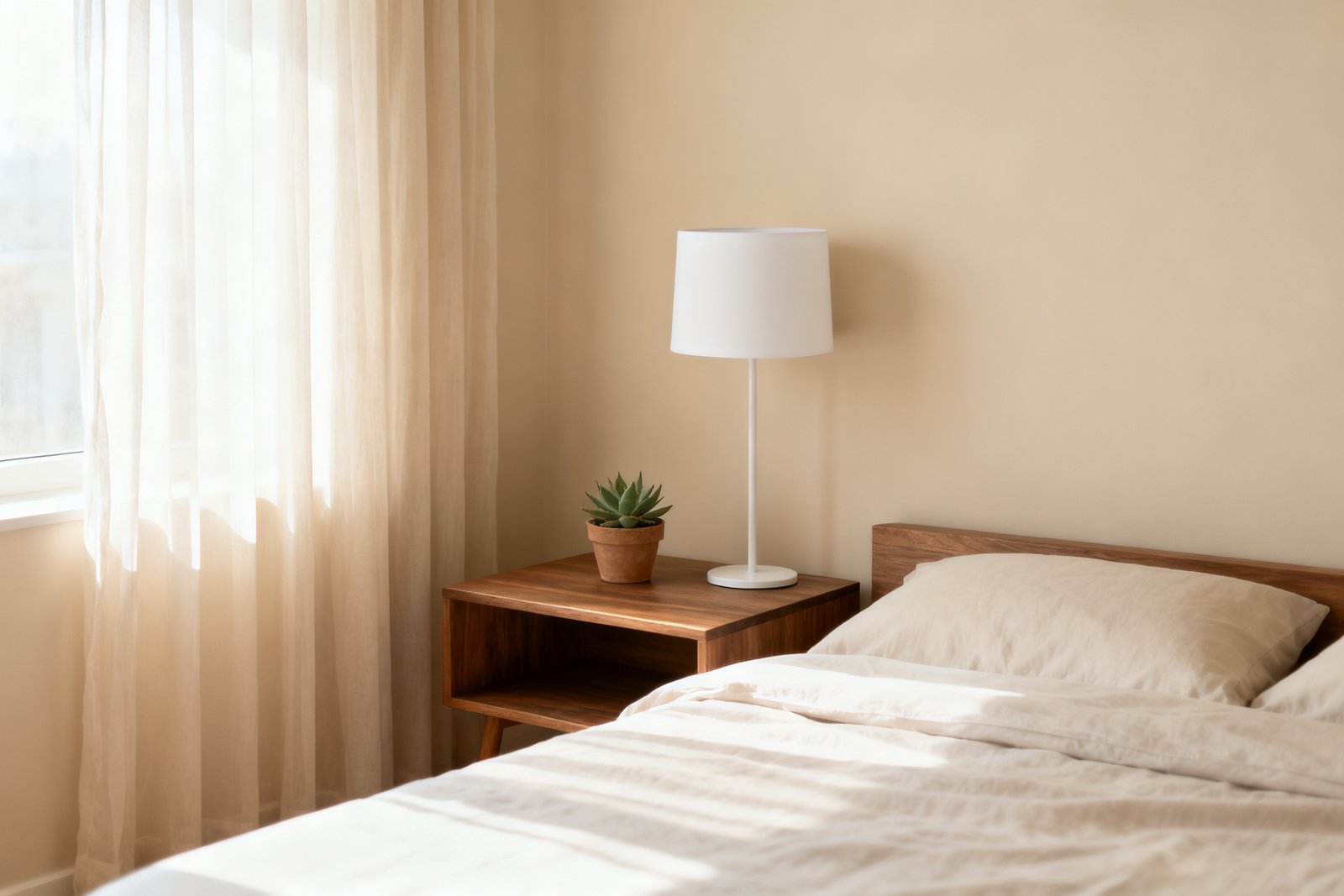
- Shop your home: move a side table to a different room, swap lamps, rearrange art.
It feels new because your brain loves novelty.
- Style, then edit: place everything you think you want on a surface, then remove 30%. Negative space = instant sophistication.
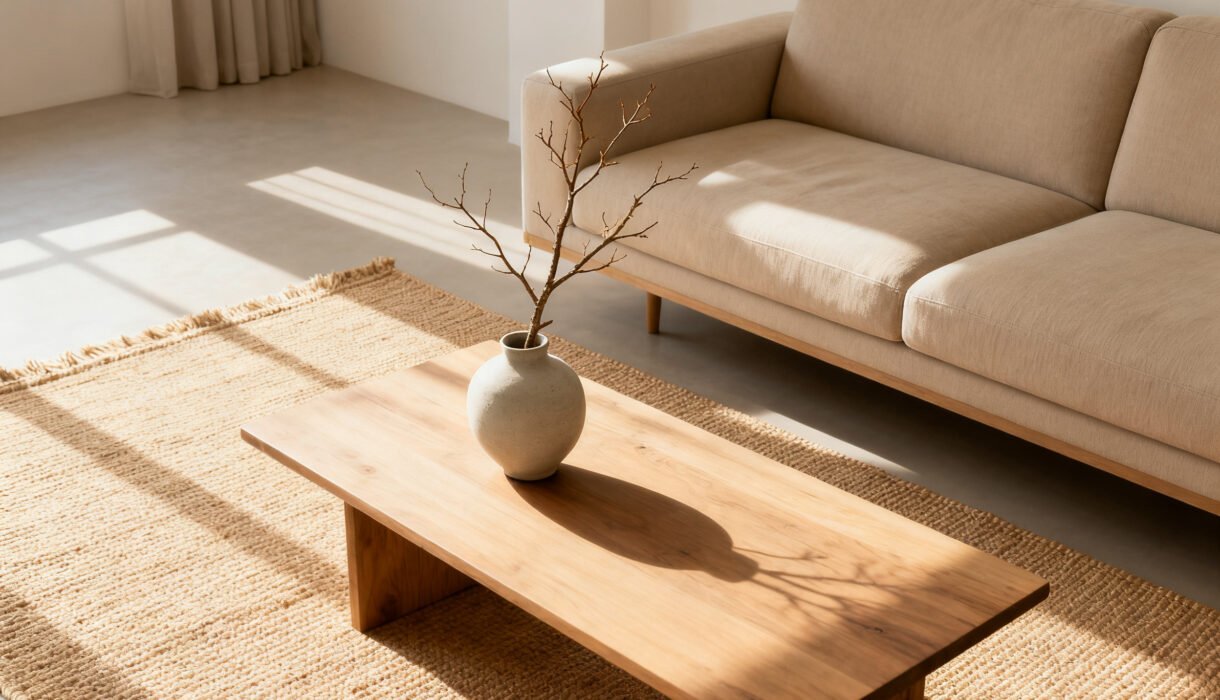
- Use flowers and produce: a bowl of lemons or a branch in a vase looks chic and costs almost nothing. Also, you can eat it.
Multifunctional FTW.
Borrow, Don’t Buy
Hosting a party? Borrow serving platters, extra folding chairs, or seasonal decor from friends or neighbors. You gain the vibe without the long-term storage headache.
Want to reset your space using what you already own? Try the free 5-Day Budget Home Reset →
Create a “Home Wishboard” (Not a Cart)
Instead of adding random things to carts across five sites, build a single visual wishboard.
Use a notes app, Pinterest, or a simple album. Why it helps:
- You’ll see patterns. Are you drawn to curved lines? Natural wood?
Black metal? Great—design with intention, not impulse.
- It kills duplicates. You’ll notice you saved three nearly identical rugs and realize you want only one (or zero).
- It helps you measure scale.
Add room photos and check proportions before you buy the coffee table that secretly seats eight.
The Batch Rule
Decide on purchases in batches once a month. Browsing daily leads to “death by 1000 small buys.” Batching creates clarity and keeps you aligned with your overall plan.
Make Money Your Co-Pilot
You don’t need a spreadsheet marathon. You need a simple system that nudges you.
- Set a monthly home budget with three buckets: Essentials (repairs, light bulbs), Upgrades (big purchases), Fun (decor).
When Fun runs out, you’re done.
- Pay yourself first: auto-transfer a small amount to a “Home Upgrade” savings pot. You’ll feel less twitchy and more strategic.
- Track your wins: note every purchase you delayed or skipped and the savings. Motivation loves receipts—literal and figurative.
When You Do Buy, Buy Smart
- Check local buy/sell groups and thrift stores first.
Better prices, less waste.
- Time purchases around known sales cycles (FYI: big furniture discounts appear on holiday weekends).
- Measure twice, mourn zero. Always check dimensions and return policies.
Build Habits That Outlast the Hype
Small routines beat big declarations. Make it boring—in a good way.
- Saturday reset: 15-minute tidy, outbox check, and a quick “what’s bugging me?” list.
Solve with rearranging, not buying.
- 30-day wish list: park potential buys here. If you still want it after a month and you know where it will live, reconsider.
- Social scroll filter: unfollow accounts that spark the “I need that” itch. Follow creators who teach maintenance, DIY repairs, and styling instead.
FAQ
How do I tell the difference between a want and a need?
A need solves a specific, current problem and has a clear home in your space.
A want promises a vibe or a future version of you who hosts effortlessly. If you can’t name the problem it fixes today, it’s a want. Wants aren’t evil—just schedule them and budget for them.
What if I regret donating something later?
That happens sometimes, but not often.
Keep a small “maybe” bin with a 60-day date on it. If you don’t miss the item by then, donate it. The mental clarity you gain beats the occasional repurchase, IMO.
How do I handle gifts and hand-me-downs?
Say thank you, then apply your filter.
If it doesn’t fit your space or replace something, you can decline or pass it on. You’re not a storage unit. Your home gets to have boundaries.
I love seasonal decor—how do I avoid going overboard?
Pick a base kit per season: a wreath, a mantel feature, and one tabletop moment.
Limit storage to one labeled bin per season. Rotate textiles and greenery to refresh without new hauls. You’ll still get the festive feels without the hangover.
My partner keeps buying stuff.
Help?
Agree on shared rules: a monthly budget, one-in/one-out, and a 24-hour wait for anything over a set amount. Keep a joint wishlist and review it together monthly. You’re on the same team—make the rules the “bad cop,” not each other.
Is it okay to keep a few “just because I love it” items?
Absolutely.
Curating isn’t about austerity; it’s about intention. Keep your joy-sparking pieces and style around them. Just don’t let “joy” become “excuse” for fifteen nearly identical knickknacks.
Conclusion
You don’t need a minimalist manifesto.
You need a plan, a few guardrails, and the confidence to say “cute, but no thanks.” Buy slower, choose better, and style smarter. Your home will feel calmer, your wallet will sigh with relief, and you’ll finally stop chasing that mythical “perfect” rug. Spoiler: the perfect thing is the one you actually use.