10 Room Makeover Transformations That Will Inspire Your Next Update: Fresh Picks
Posted in :

It’s amazing what a few changes can do. A fresh paint job, a new rug, or a clever layout can turn a tired room into your favorite corner of the house. If you’re itching for a makeover but don’t know where to start, you’re in the right place. Let’s dive into 10 room makeover transformations that will spark your next update.
1. Brighten Up with a Light, Cohesive Palette
A single, cohesive color story can instantly make a space feel bigger and more intentional. Start with a neutral base and sprinkle in your favorite accents for personality. FYI, you don’t need to paint every wall the same shade to keep things interesting—think an accent wall or a soft, variegated white.
- Choose 2-3 core colors and 1 accent color.
- Test swatches on large patches, not tiny chips—you’ll thank yourself later.
- Incorporate color with textiles and accessories, not heavy furniture pieces.
2. Swap in Multi-Functional Furniture
Less clutter, more magic. If your room is fighting a battle between function and style, let furniture do the heavy lifting. Think storage ottomans, nesting tables, or a sofa bed that looks more sofa than secret storage unit.
Smart Storage, Smart Moves
What looks like a simple coffee table can hide a lid-full of blankets or kids’ toys. Use clever silhouettes to keep floor space open and flow effortless.
- Choose pieces with built-in storage.
- Opt for furniture with slim profiles to maximize floor space.
- Maintain balance—avoid having too many bulky items on one side of the room.
3. Lighting That Sets the Mood

Good lighting changes the entire vibe. Layer light with overhead, task, and ambient sources so you can switch moods with a slide of a dimmer. If you’re stuck, remember: warm light feels inviting; cool light feels modern.
Tips for Quick Lighting Wins
– Dimmer switches on main fixtures are your best friend.
– A statement floor or table lamp can anchor a seating area.
– Use lighter lamp shades to bounce more light around.
- Aim for three light levels in every room: ambient, task, and accent.
- Replace harsh bulbs with softer ones for a friendlier glow.
4. The Power of Textiles and Texture
Texture is free, and it’s one of the easiest ways to elevate a space. Mix materials—velvet, jute, linen, and metal—to add depth without breaking the bank.
Texture Playbook
Consider layering a chunky throw, a woven rug, and tactile cushions. FYI, texture also helps disguise minor wear and tear in high-traffic zones.
- Layer rugs if needed to define zones in open-plan spaces.
- Choose a dominant texture and add 2-3 supporting textures.
5. Layered Rugs for Zoning and Comfort
Rugs are not just floor protection; they’re architecture for your room. A well-placed rug defines a seating area and adds warmth. If you have an oddly shaped room, rugs can help you carve out cohesive zones.
Rug Pairing Snags and Solutions
– Pair a larger rug with a smaller one on separate seating clusters to create intimacy.
– Keep rug sizes proportional to the furniture they sit under. Too-small rugs can visually truncate a space.
- Rule of thumb: front legs of furniture should sit on the rug.
- Mix patterns lightly to avoid chaos; keep color harmony.
6. Art That Speaks Your Language
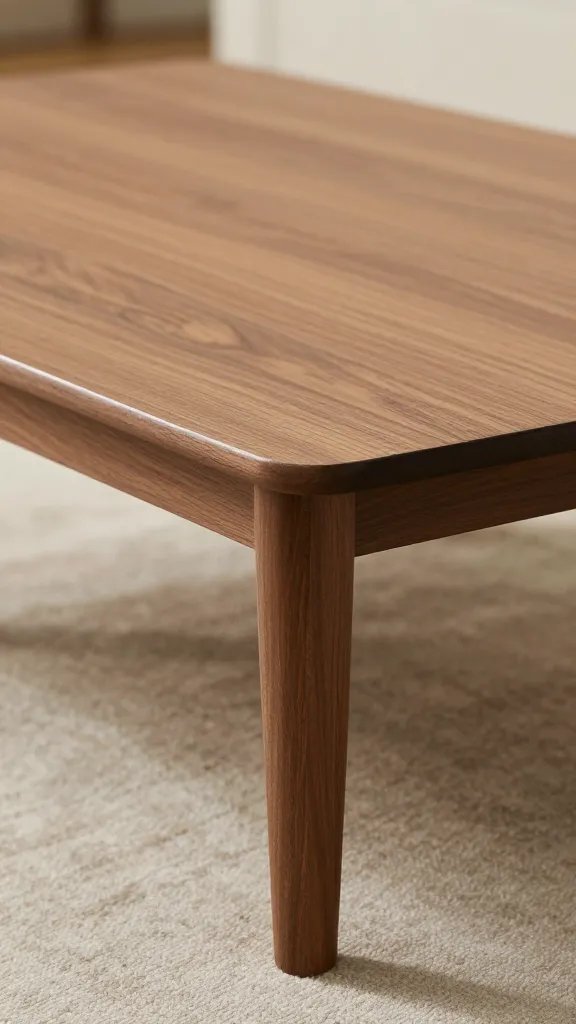
Art is the quickest way to infuse personality. It doesn’t have to be expensive or gallery-perfect. Curate pieces that make you smile, even if they’re quirky or slightly off-beat.
Where to Start
Think in thirds: one large statement piece, two medium works, and a few small accents. Rotate art seasonally to refresh the vibe without buying new items constantly.
- Mix frames and sizes for visual interest.
- Hang art at eye level and avoid cluttering one wall.
7. Greenery that Breathes Life Into Rooms
Plants are nature’s quick upgrade. They soften angles, improve air quality, and add color without heavy commitments. Start with hardy, low-maintenance varieties if you’re a novice plant parent.
- Choose 2-3 plants for focal zones and 1 for the corners.
- Pair greenery with textural pots to add more layers.
8. Functional Walls That Don’t Feel Cluttered
Shelving, pegboards, and chalkboards aren’t just for kitchens and kids’ rooms. A clean, well-organized wall display can serve as a focal point and storage solution at the same time.
Organization Meets Design
– Use uniform storage baskets to tame visual chaos.
– Leaning art, wire baskets, and slim shelves keep walls feeling open.
– Anchor shelves with a bold color or a distinctive arrangement.
- Limit open shelves to prevent dust and visual overload.
- Group items by color or theme for coherence.
9. A Budget-Friendly Update That Feels Big
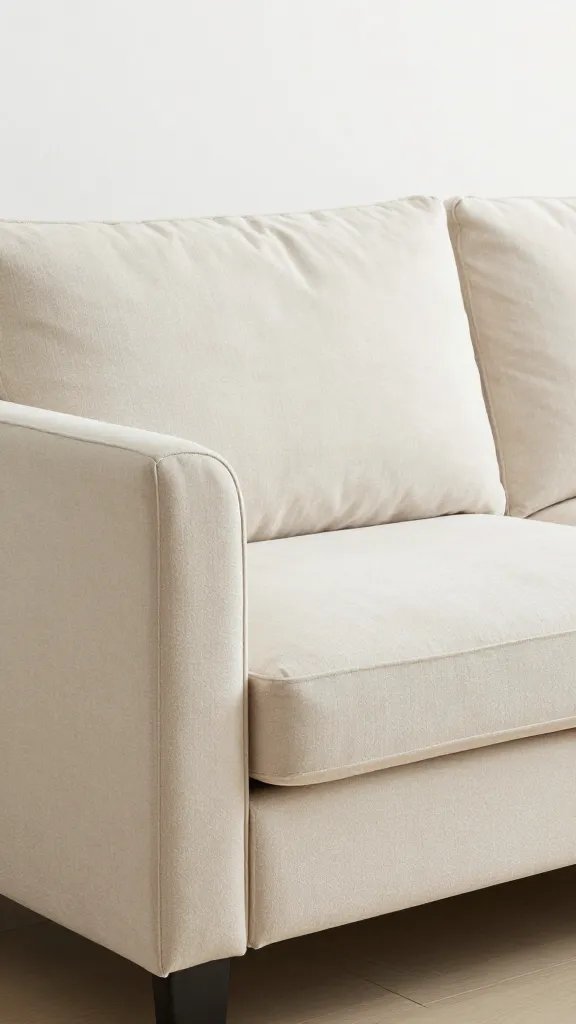
You don’t need a remodel to feel like a new room. Small, intentional updates can yield big results.
- Replace hardware on dressers and cabinets for an instant facelift.
- Paint (or refinish) old wood furniture to revive it.
- Refresh soft furnishings: curtains, cushions, and a new throw.
10. Personal Moments That Tie It All Together
End on a note that’s truly you. Your room should tell a story, not just check a design box. Mix in a few personal items—travel mementos, family photos in cohesive frames, or a few favorite books.
- Curate a small display that reflects your taste and memories.
- Keep a balance between personal stuff and breathable space.
Bonus: Quick Refresher for the Road
If you’re feeling overwhelmed, start with one area and plan a 2-week sprint to complete it. FYI, conquering a small corner first builds momentum for the bigger project. IMO, momentum is everything here.
FAQ
Is it okay to mix modern and vintage styles?
Absolutely. Mix them thoughtfully—choose a unifying color or texture to tie disparate pieces together. The result should feel intentional, not confused.
How do I know if a room needs re-painting?
Look for fading, scuffs, or a color that no longer reflects your personality. If the walls feel flat or cheerless, a fresh coat can do wonders. Pick a shade you love, not one you think you should like.
What’s the cheapest way to transform a room?
Textiles, lighting, and accessories. A new rug, updated curtains, and a couple of lamps can transform the vibe without a full renovation. The wall color matters too, but you can start small.
How long should a room makeover take?
Depends on scale. A weekend refresh can cover paint, textiles, and lighting. If you’re reconfiguring furniture or doing major DIY, plan a couple of weeks or more.
Do I need a mood board?
Yes, but keep it simple. A few swatches, fabric samples, and a photo of your target room can save you from buying the wrong items. It’s your design GPS.
Conclusion
Your next room update is within reach. Start with a clear color story, layer in texture, and let lighting do the heavy lifting. Tuck in multi-functional furniture, then give the walls some breathing room with art and shelving that speaks to you. The best part? You don’t need a magazine budget to make it feel magical. Just a dash of planning, a pinch of courage, and a willingness to swap, swap, swap until it clicks. Your space should feel like you—only better.