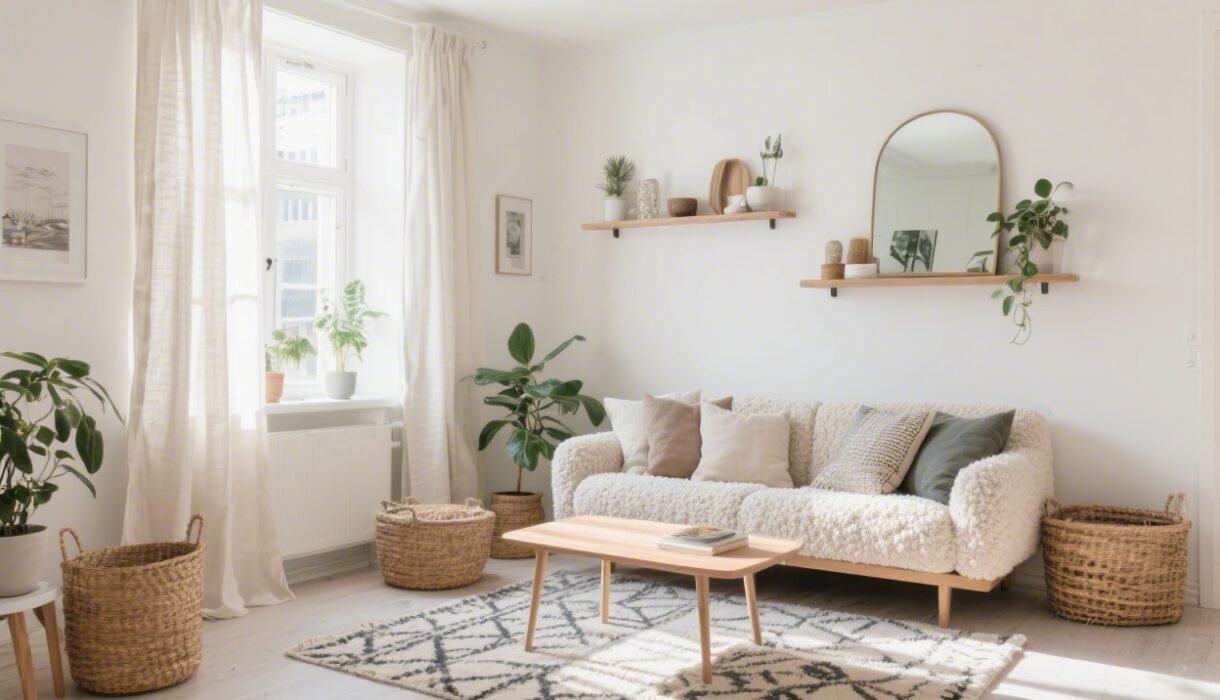

Small living rooms don’t need big budgets—just smart moves. A few tweaks can make your space look bigger, brighter, and way more stylish. Ready to make your tiny lounge feel like it belongs in a magazine? Let’s do this.
1. Go Big With a Bold Rug
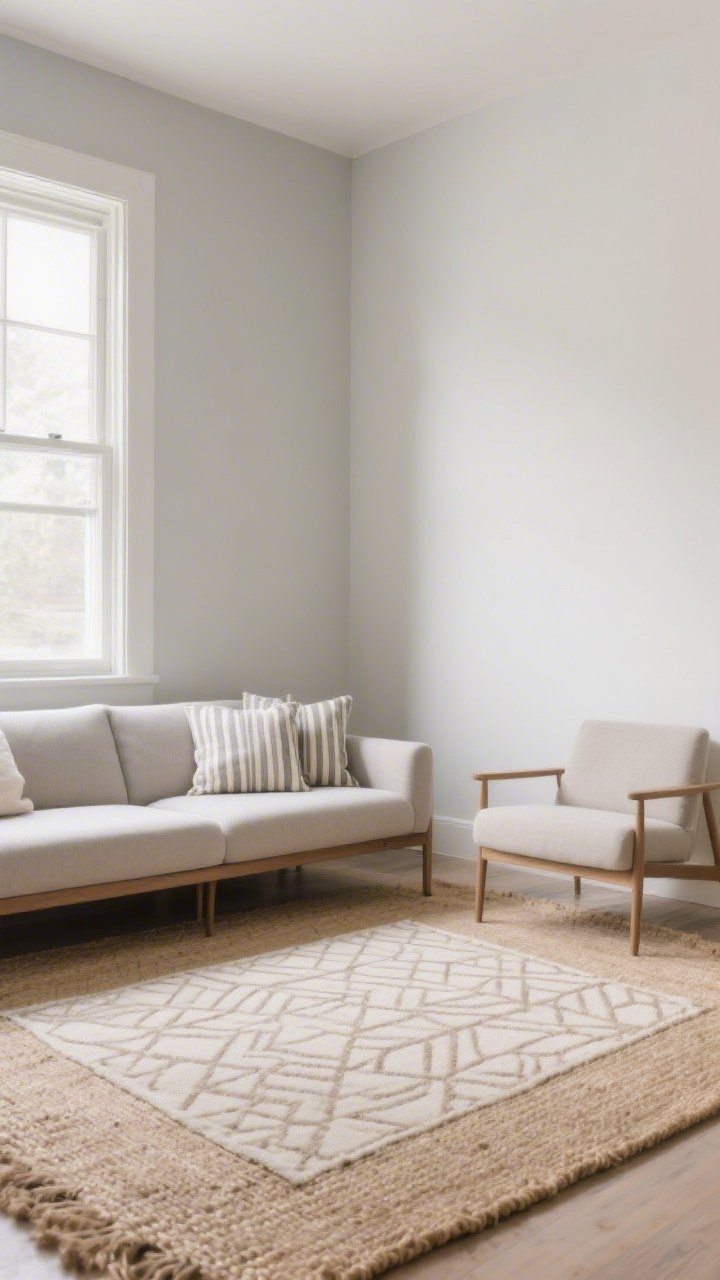
Counterintuitive but true: a larger rug makes a small living room feel bigger. Tiny rugs chop up the room and scream “postage stamp.” A generous rug, on the other hand, pulls everything together and creates the illusion of more square footage.
How to Choose
- Size up: Aim for at least the front legs of your sofa and chairs to sit on the rug.
- Patterns = magic: Subtle stripes or geometric patterns can visually stretch the room.
- Color palette: Go for mid-to-light tones to bounce light. If you love dark, keep the pattern airy.
FYI: Natural fiber rugs (jute, sisal) add texture without feeling heavy. Layer a smaller patterned rug on top for dimension.
2. Float Your Furniture (Seriously)
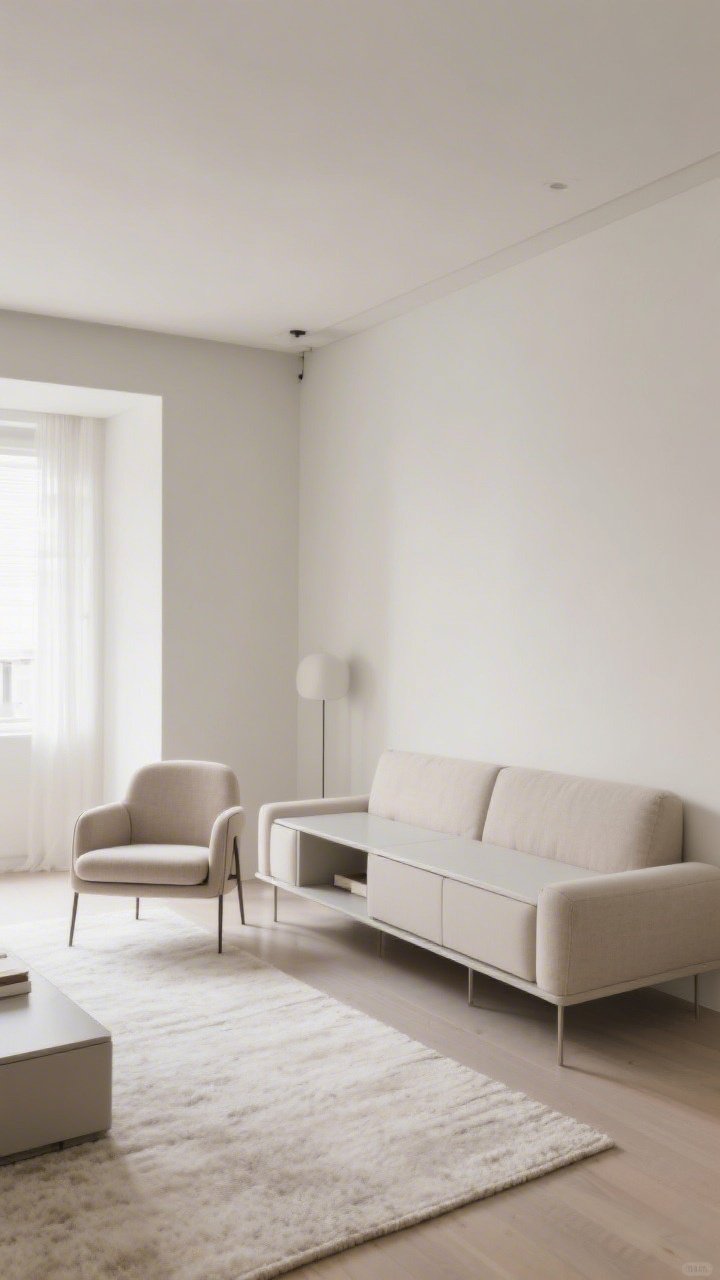
Shoving every piece against a wall can make the room feel flat. Try floating your sofa a few inches from the wall or even creating a mini conversation zone in the center. It adds depth and immediately feels more intentional.
Layout Tips
- Create pathways: Leave 24–36 inches for walkways so you’re not crab-walking around furniture.
- Scale matters: Choose a slim sofa and petite armchairs instead of bulky sectionals.
- Use a console: Place a narrow console or bench behind a floating sofa for extra storage and styling.
Don’t worry—your landlord won’t yell because your couch is two inches from the wall. Your space will just look expensive.
3. Say Yes to Vertical Drama
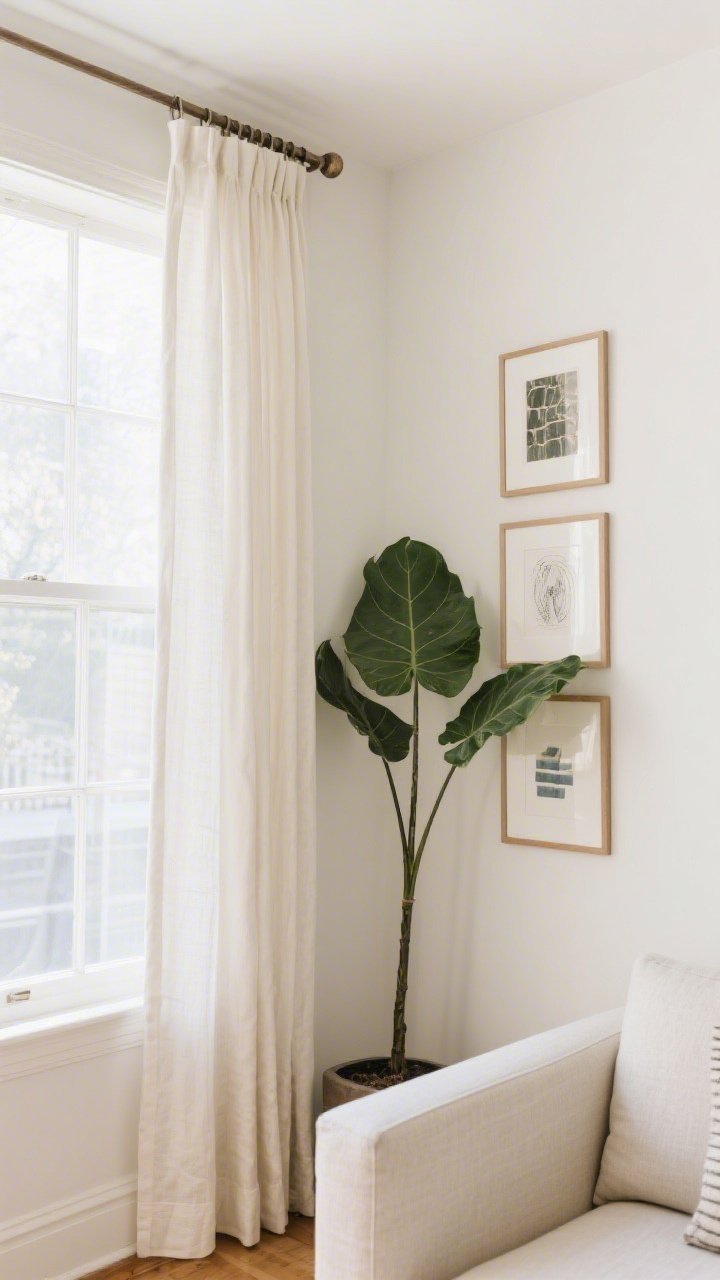
When you can’t go wide, go vertical. Draw the eye up with taller pieces and styling that emphasizes height. Think: bookcases, drapery, and strategic art placement.
Easy Vertical Wins
- Hang curtains high: Mount rods 6–10 inches above the window (or to the ceiling) and let panels kiss the floor.
- Gallery stack: Hang art in a vertical arrangement rather than in a wide grid.
- Tall plants: A fiddle-leaf fig or olive tree in a slim planter pulls the gaze upward.
Pro tip: Choose curtain rods that extend wider than the window so panels don’t block light when open.
4. Choose Slim, See-Through, and Shiny
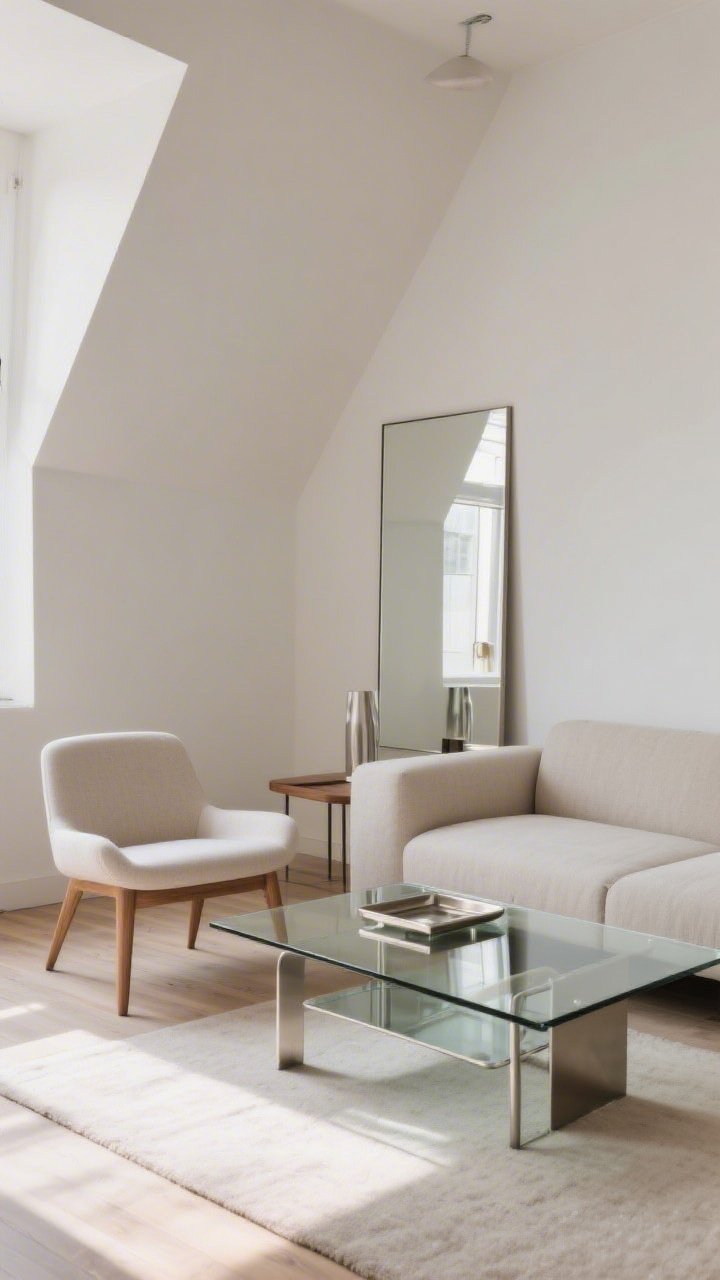
Chunky furniture is a small room’s nemesis. Opt for slim profiles, open bases, and glass or acrylic tables that keep sightlines clean. The room feels lighter and less cluttered, instantly.
What to Look For
- Leggy furniture: Sofas and chairs on legs show more floor and feel airier.
- Mixed materials: Combine metal, glass, and wood for a modern, layered look.
- Reflective accents: Mirrors, metallic frames, and glossy trays bounce light.
Not everything needs to be invisible, but a glass coffee table next to a streamlined sofa? Chef’s kiss.
5. Double-Duty Everything (Storage Is Style)
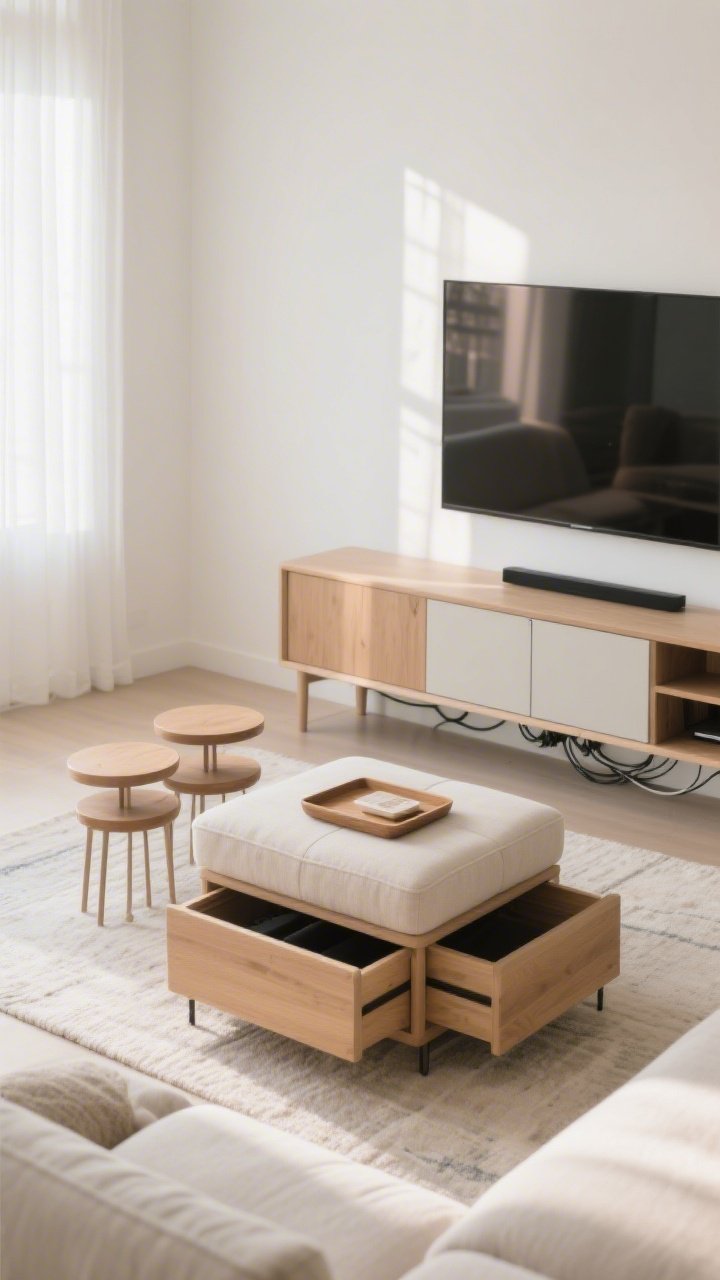
Small living rooms thrive on multifunctional furniture. Think ottomans with storage, nesting tables, and benches that moonlight as coffee tables. You’ll declutter without sacrificing style—and no one needs to know where the remote actually lives.
Smart Swaps
- Storage ottoman: Stash blankets, games, or your “I’ll deal with it later” pile.
- Nesting tables: Pull them out for guests; tuck them away when you need floor space.
- Media console with doors: Hide cables, routers, and chaos. Your future self will thank you.
IMO, the best small-space purchases are the ones that work the hardest without looking like they’re trying.
6. Layer Lighting Like a Stylist
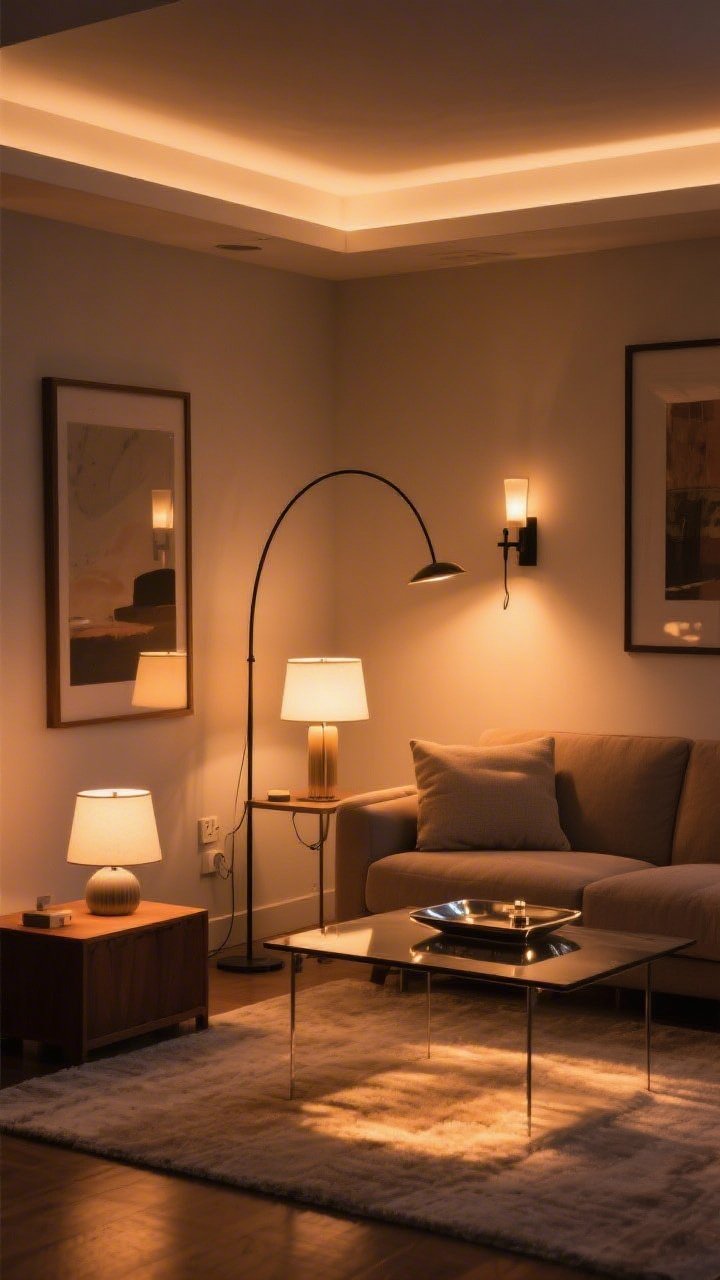
Overhead lights alone make rooms feel flat and, frankly, a bit sad. Build a lighting trifecta: ambient (ceiling), task (reading lamp), and accent (sconces, candles). Your space will glow—and so will you.
Lighting Moves That Work
- Plug-in sconces: Get the look of hardwired without calling an electrician.
- Floor lamps with small footprints: A slim arc lamp can float over your seating area.
- Warm bulbs: Aim for 2700K–3000K for cozy vibes. Dimmer switches if you can swing it.
Bonus: Use a reflective tray under a lamp to amplify light. Tiny disco without the dance floor.
7. Curate Color Like a Capsule Wardrobe
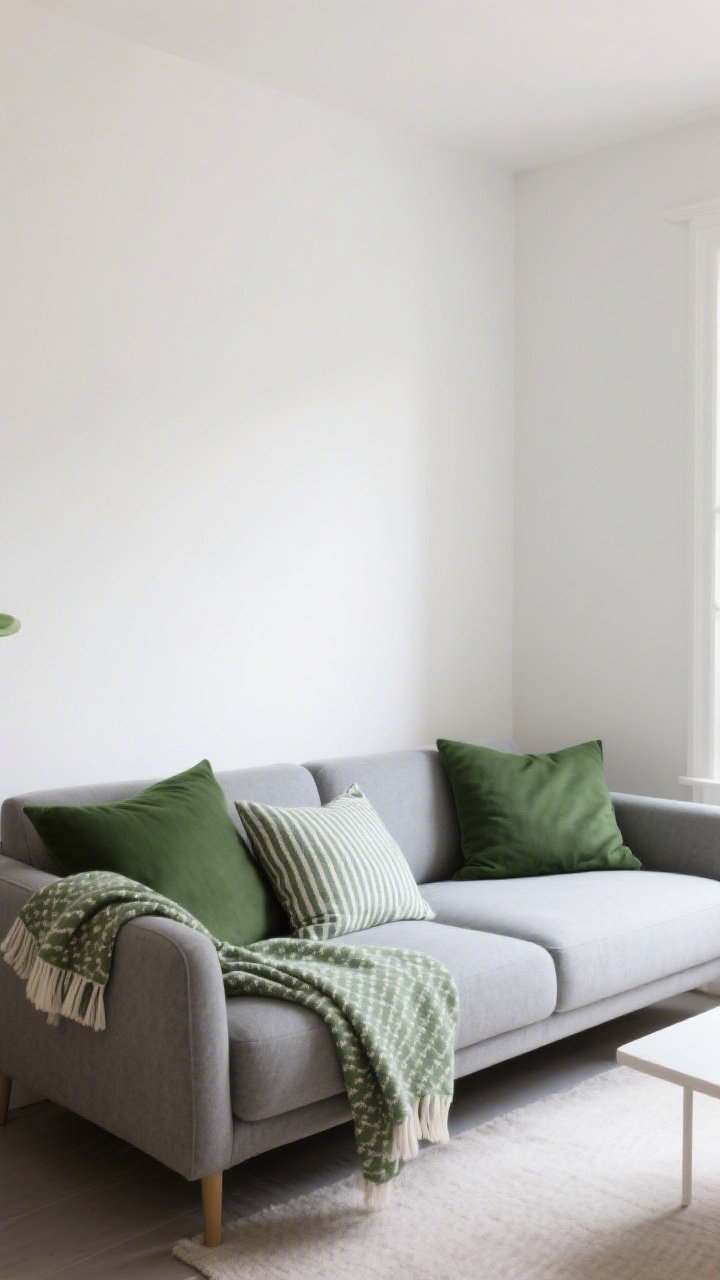
Pick a tight color palette and stick to it. Too many colors make small rooms feel busy. A base of neutrals plus two accent colors keeps everything cohesive and calm.
Build Your Palette
- Base: Warm white, soft gray, or taupe for walls and big pieces.
- Accent 1: Your statement shade (forest green, navy, terracotta).
- Accent 2: A lighter or complementary tone (sage, powder blue, blush).
Keep patterns in the same family so they play nicely. You can still have personality—just make it coordinated, not chaotic.
8. Style Shelves and Surfaces With Intent
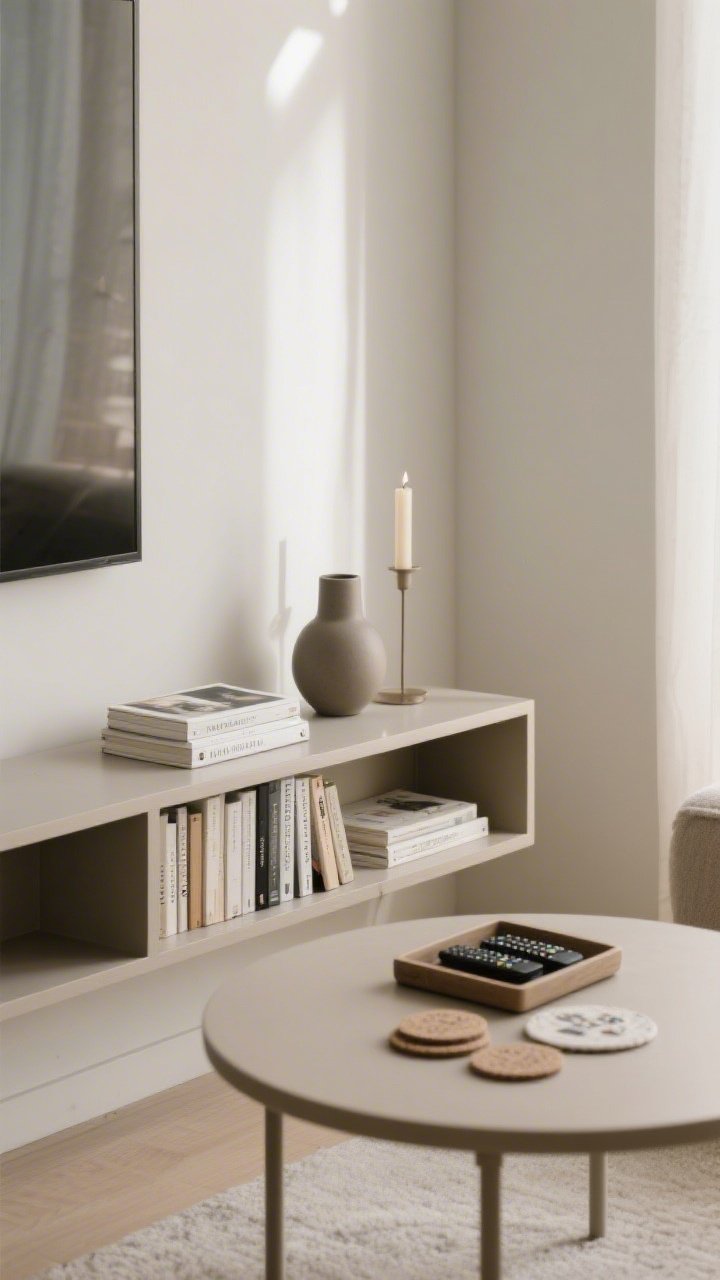
Clutter is the arch-nemesis of small spaces. Edit ruthlessly and style with negative space in mind. The goal: curated, not crammed.
Styling Formula That Never Fails
- Rule of thirds: Group items in threes of varying heights (book + vase + candle).
- Books horizontally and vertically: Adds rhythm and keeps it from looking like a library catalog.
- Trays are your friend: Corral remotes, coasters, and candles so surfaces look intentional.
Rotate decor seasonally to avoid “stuff creep.” If it doesn’t spark joy or serve a purpose, it’s probably taking up rent-free space.
9. Use Mirrors Like Optical Illusions
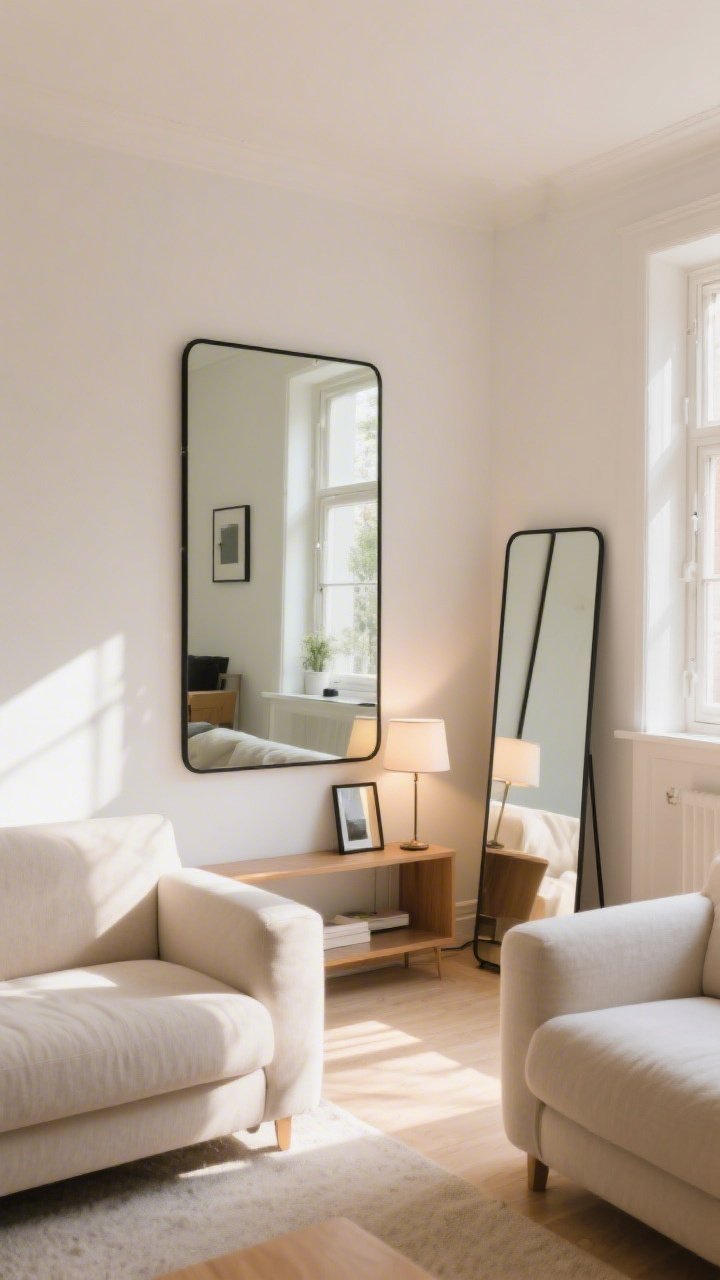
Mirrors are basically cheat codes. A well-placed large mirror bounces light, doubles visual space, and adds glam. Just don’t point it directly at messy zones unless you enjoy seeing double laundry piles.
Mirror Placement
- Opposite a window: Maxes out natural light.
- Behind a lamp: Doubles the glow for instant ambience.
- Leaning floor mirror: Adds height and drama without wall damage.
Frame style matters. Thin black frames feel modern, wood frames add warmth, and antique brass brings quiet luxury.
10. Make a Feature Wall That Works Overtime
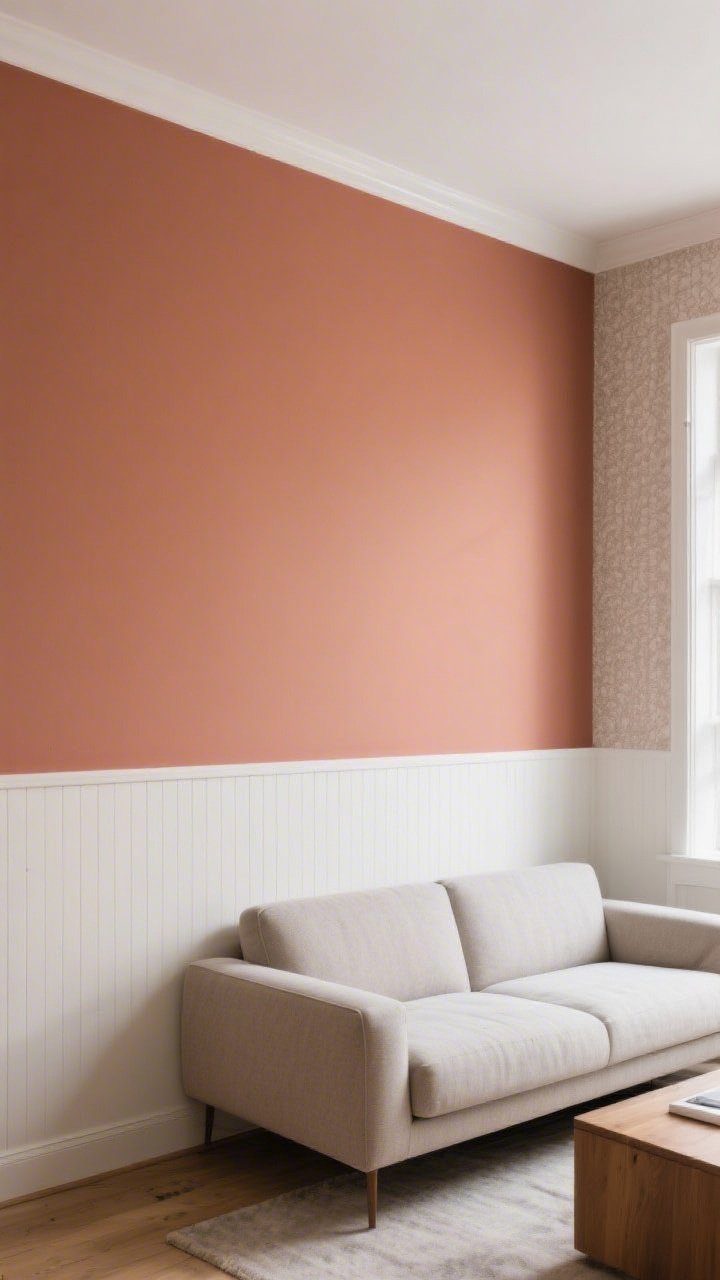
A statement wall adds personality without overwhelming the room. Whether it’s paint, wallpaper, or textured paneling, one bold move can define the whole space and minimize the need for extra decor.
Low-Lift, High-Impact Ideas
- Color block: Paint two-thirds of the wall for a modern look and extra height illusion.
- Peel-and-stick wallpaper: Renters, rejoice. Try a subtle pattern for visual texture.
- Board and batten: Adds architectural interest and looks custom without a full reno.
Choose the wall your sofa sits on for maximum effect. It becomes the anchor for the whole room.
11. Edit Your Sofa Situation
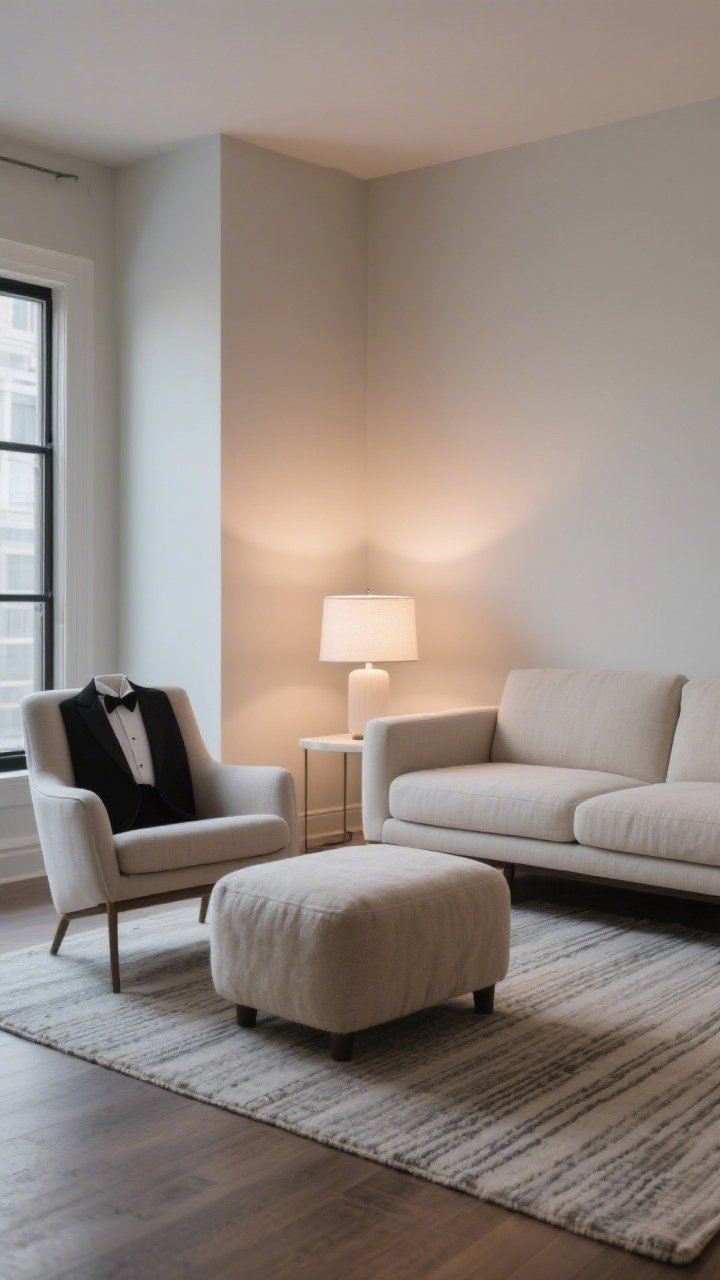
Hot take: You might not need a full-size sofa. A small sectional, apartment-size sofa, or even a pair of lounge chairs can actually seat more comfortably in a tight footprint.
Seating That Scales
- Apartment sofa: 70–80 inches wide, still comfy, less bulky.
- Chaises and corner units: Offer stretch-out space without another chair.
- Armless or tuxedo silhouettes: Clean lines = less visual weight.
And before you ask—yes, you can still have movie nights. Add a plush ottoman and everyone’s feet are happy.
12. Keep It Cozy With Texture (Not Clutter)
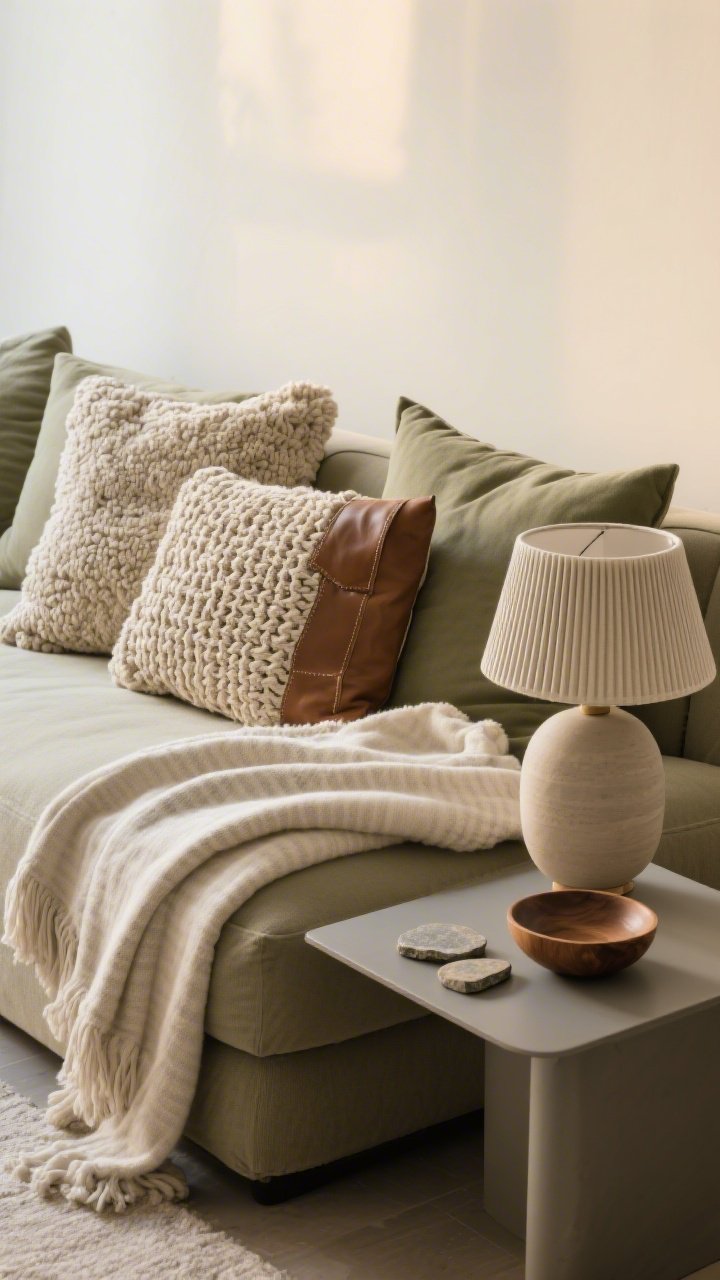
Small doesn’t mean sterile. Layer textures—not stuff—to get that cozy, designer look. Mix nubbly knits, linen, leather, wood, and a touch of metal for balance.
Texture Playbook
- Throw hierarchy: One plush, one woven, one lightweight to avoid pillow avalanche.
- Contrast materials: Pair a boucle chair with a sleek side table and a ribbed ceramic lamp.
- Natural elements: Baskets, wood bowls, and stone coasters warm up modern pieces.
Keep the color palette tight so the textures can shine. It’s visual interest without the visual noise.
Quick Shopping Checklist
- Large, light-toned rug
- Slim sofa or apartment sectional
- Glass/acrylic coffee table or nesting tables
- Plug-in sconces and a slim floor lamp
- Storage ottoman or closed media console
- Tall plant and oversized mirror
- Cozy throws and a mix of textured pillows
There you go—12 small living room makeover ideas that actually work. You don’t need more space; you just need smarter moves. Start with one or two updates, and watch your living room level up fast. And if anyone asks, yes—your place did get a little glow-up. You did that.
Start Your Room Makeover The Right Way
If you’re not sure where to start, this workbook walks you through everything step-by-step.