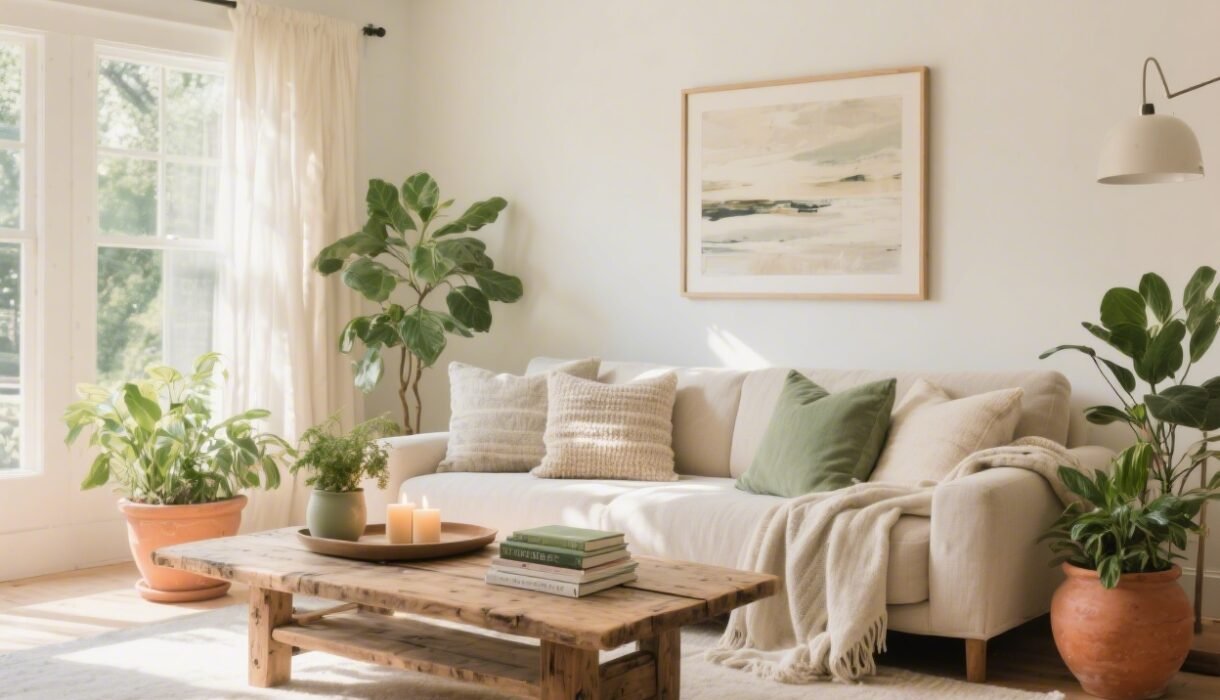

You know that weird limbo when your space feels “meh,” but a full makeover sounds like chaos? Same. Good news: a smart room reset can fix the vibe in a single afternoon. We’re talking small moves, big impact—no demolition required, no 87-step DIYs. Ready to flip the energy with easy wins? Let’s go.
1. Edit Ruthlessly, Then Style What’s Left
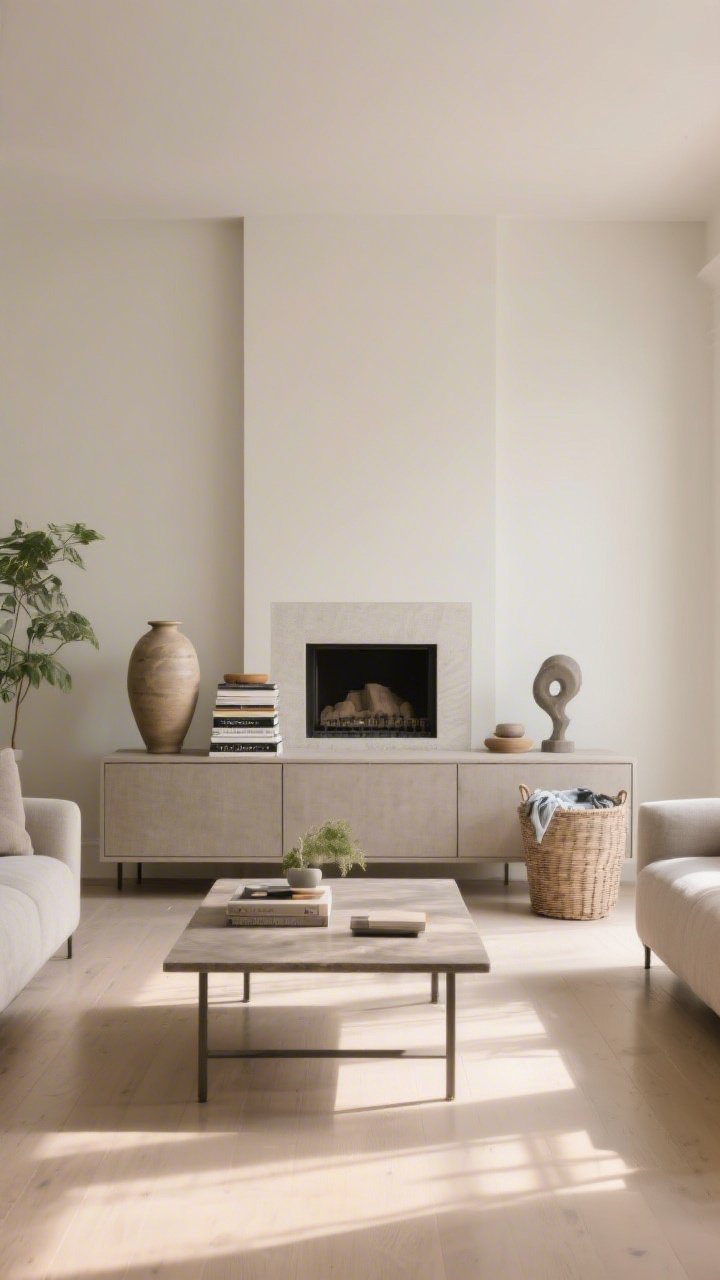
If your room feels off, it’s probably not the paint—it’s the stuff. First, do a quick sweep: remove 30% of visible items from surfaces and floors. Breathe. See the difference? Now only put back what actually earns its spot.
Try This 20-Minute Reset
- Grab a laundry basket and clear all surfaces: coffee table, mantle, nightstands, credenza.
- Sort quickly into: keep out, store, donate, relocate to another room.
- Style in threes: a tall item, a mid-height, and a small—voilà, instant balance.
FYI: editing first makes every other change look better. Less visual noise = more intention.
2. Rework Your Furniture Flow (No New Pieces Needed)
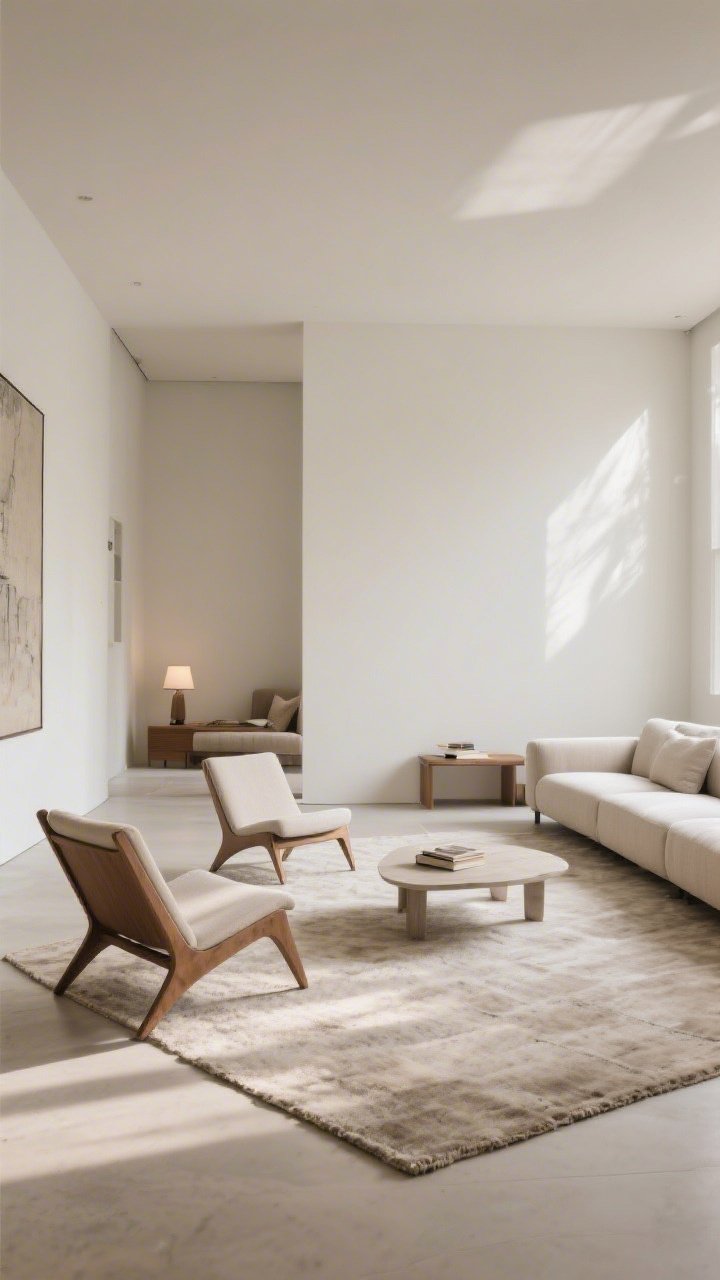
Movement matters. Most rooms feel cramped because traffic lines are blocked or seating floats without purpose. You want a clear path and at least one conversation zone.
Quick Layout Rules
- Anchor the room with one main piece (sofa, bed, dining table). Everything else supports it.
- Float furniture off the walls by a few inches—it instantly feels custom.
- Create zones: reading corner, work nook, gossip couch—define them with rugs or lighting.
Pro tip: angle one chair 10–15 degrees toward another. It reads cozy, not conference room.
3. Layer Lighting Like You Mean It
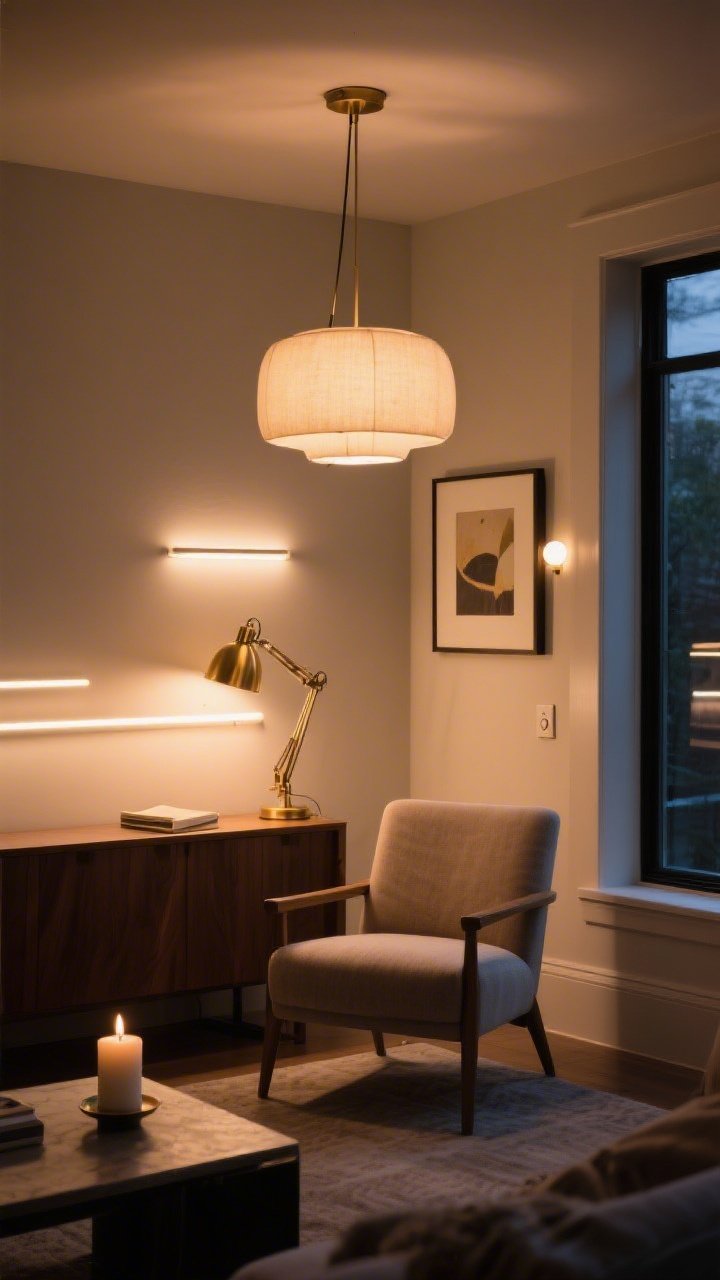
Bad lighting is the fastest way to make a beautiful room look sad. You need three layers: ambient, task, and accent. Mix warm bulbs, varied heights, and different light sources.
Lighting Checklist
- Ambient: overhead or large floor lamp (soft white, 2700–3000K).
- Task: desk lamp, reading sconce, under-cabinet light.
- Accent: picture light, candlelight, LED strip behind a console.
Swap bulbs to warm temps and add a dimmer. That $15 change? Game-changer.
4. Curate Your Surfaces (Goodbye, Clutter Parade)
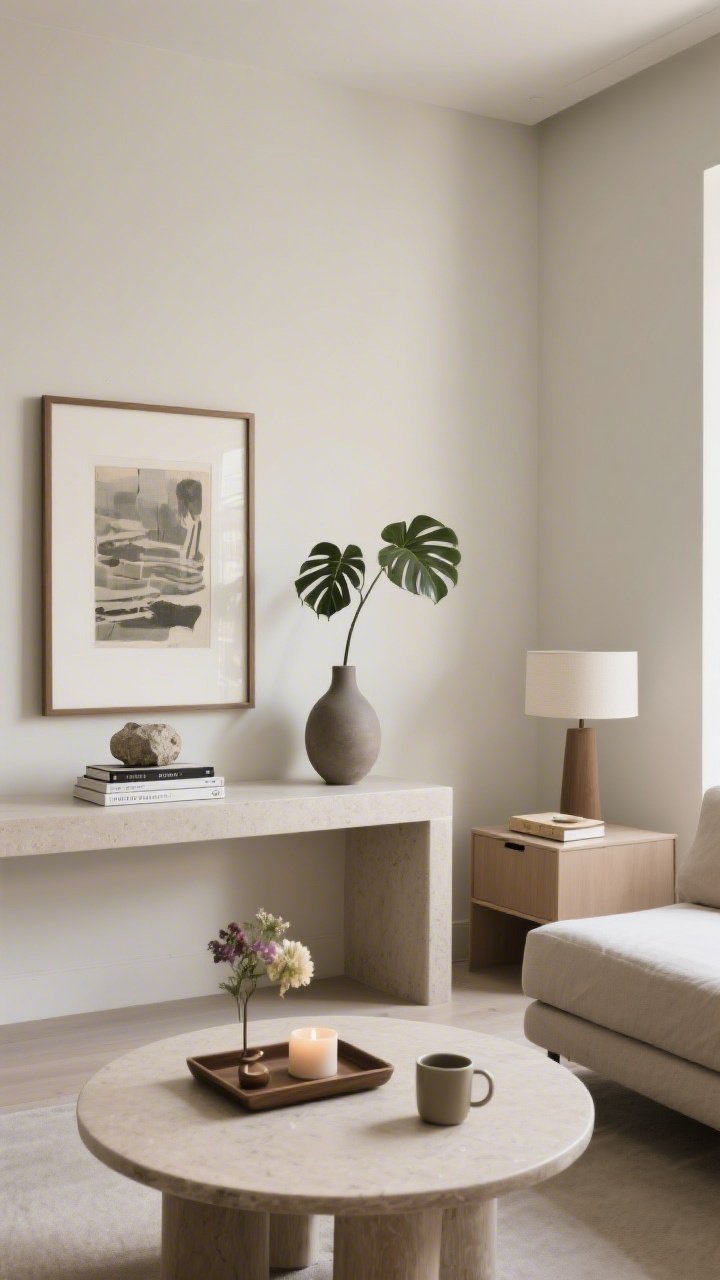
Flat surfaces are clutter magnets. Curate them like a stylist: intentional groupings, breathing room, and height contrast. Less height variety = flat vibe.
Style With a Formula
- Console/Mantle: art or mirror + stack of books + sculptural object + greenery.
- Coffee Table: tray + candle + object + flowers. Leave space for mugs and feet, be realistic.
- Nightstand: lamp + book + small dish or bud vase. Simple wins.
Keep one third of each surface empty. White space is your secret luxury.
5. Refresh With Textiles (AKA Instant Cozy)
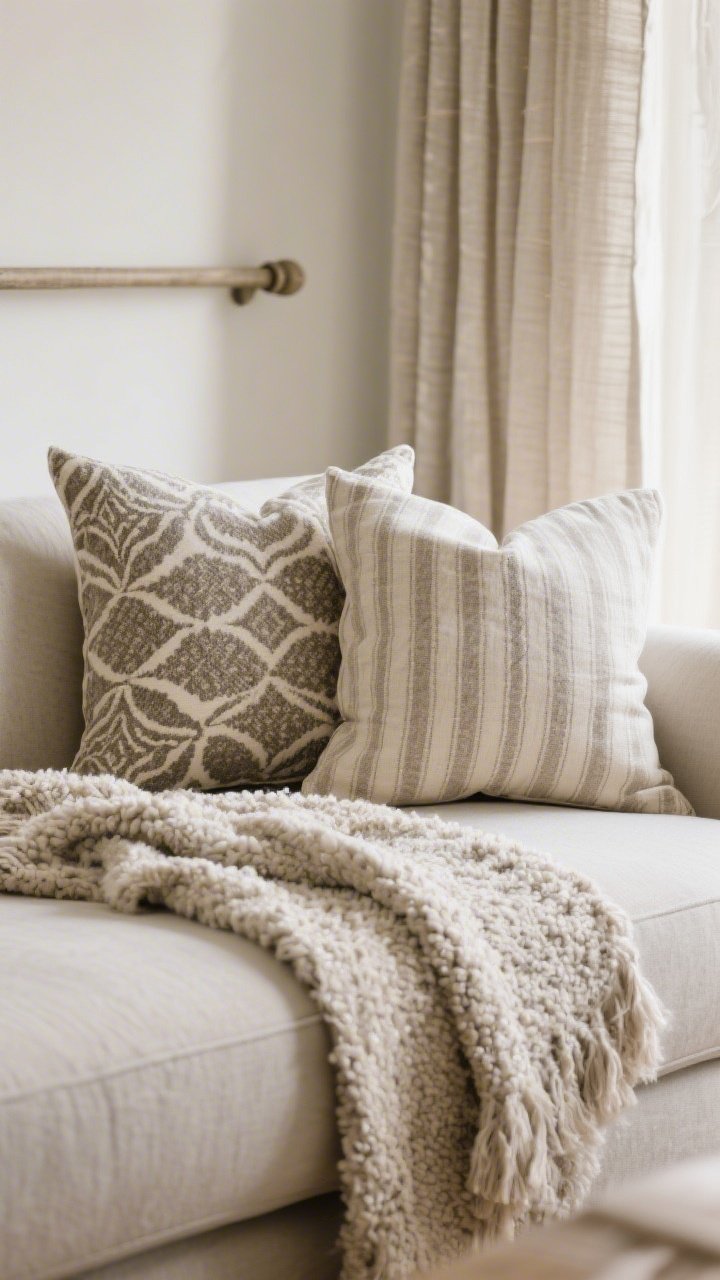
Textiles do the most with the least. Swap pillows, throws, and even curtains to reset color, pattern, and mood. Texture matters as much as color—mix smooth with nubby for depth.
Mix, Don’t Match
- Pattern play: go 1 large scale + 1 medium + 1 solid or subtle stripe.
- Seasonal swap: linen and cotton for warm months; boucle, wool, and knit for cool ones.
- Curtain trick: hang rods high and wide to make windows feel bigger.
Pro move: pillow covers with zipper inserts = easy wash, endless restyle. IMO, 24-inch squares beat tiny 16s every time.
6. Rethink Your Art (It’s Not a Museum, It’s Your House)
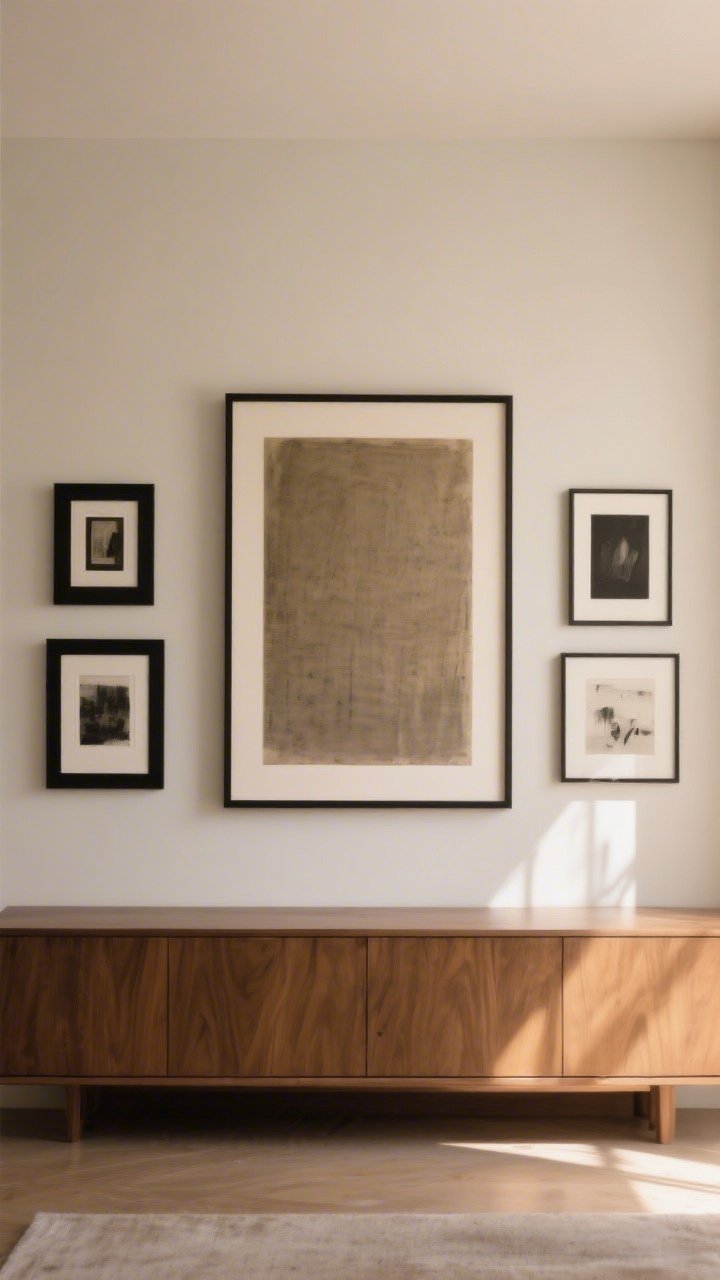
Art hung too high is the design equivalent of shouting. Lower it. Group it. Swap it. You’d be shocked how new your room feels when the art talks to the furniture.
Easy Art Upgrades
- Hang at eye level: center around 57–60 inches from the floor.
- Unify with frames: same color frames, different sizes = cohesive gallery wall.
- Go big: one oversized piece can replace eight small ones and calm the chaos.
No art? Frame fabric, vintage posters, or pages from a coffee table book. Done and chic.
7. Add Greenery Like a Stylist, Not a Botanist
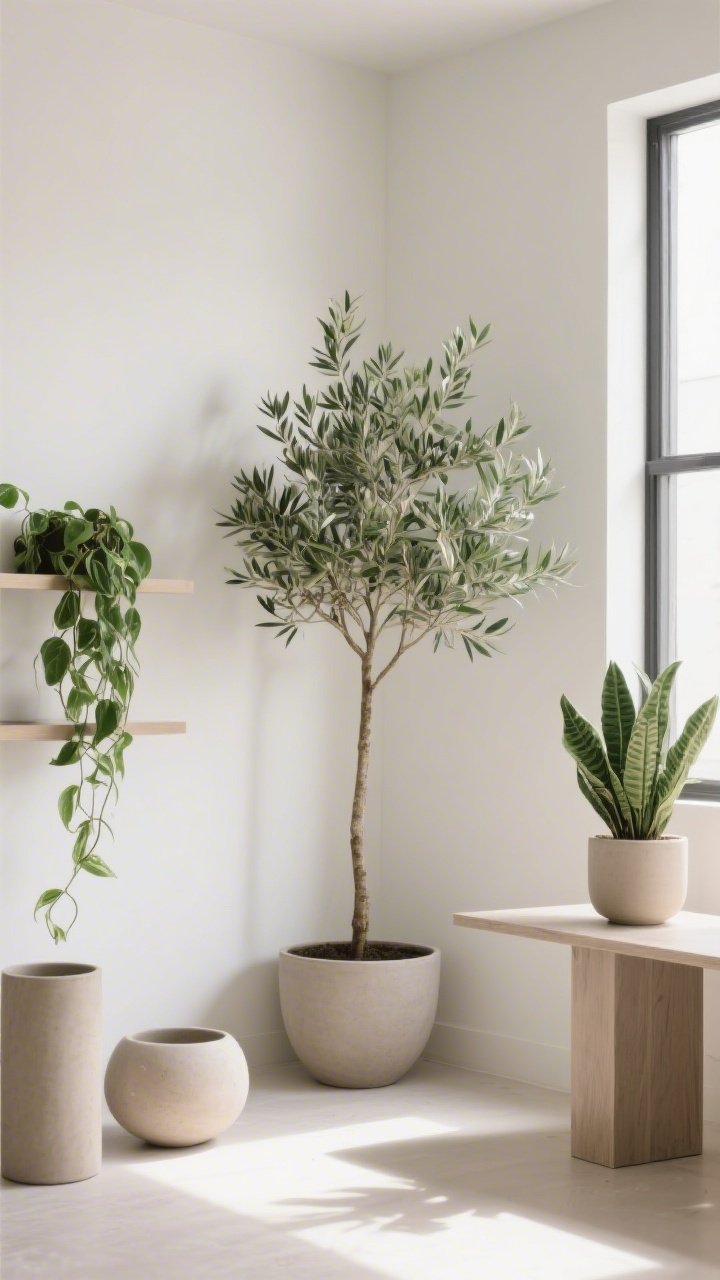
Plants are decor with benefits—movement, color, and life. But it’s not a jungle audition. Aim for a few statement greens and some low-maintenance sidekicks.
Plant Placement 101
- One tall plant to balance a lonely corner (fiddle, rubber, olive—fake is fine if it’s good).
- One trailing moment on a shelf for softness (pothos, string of pearls).
- One sculptural tabletop (ZZ plant, snake plant, monstera cutting in water).
Pro tip: upgrade to simple, matte planters. Mix sizes and shapes, keep colors consistent for polish.
8. Style Your Bookshelves With Restraint
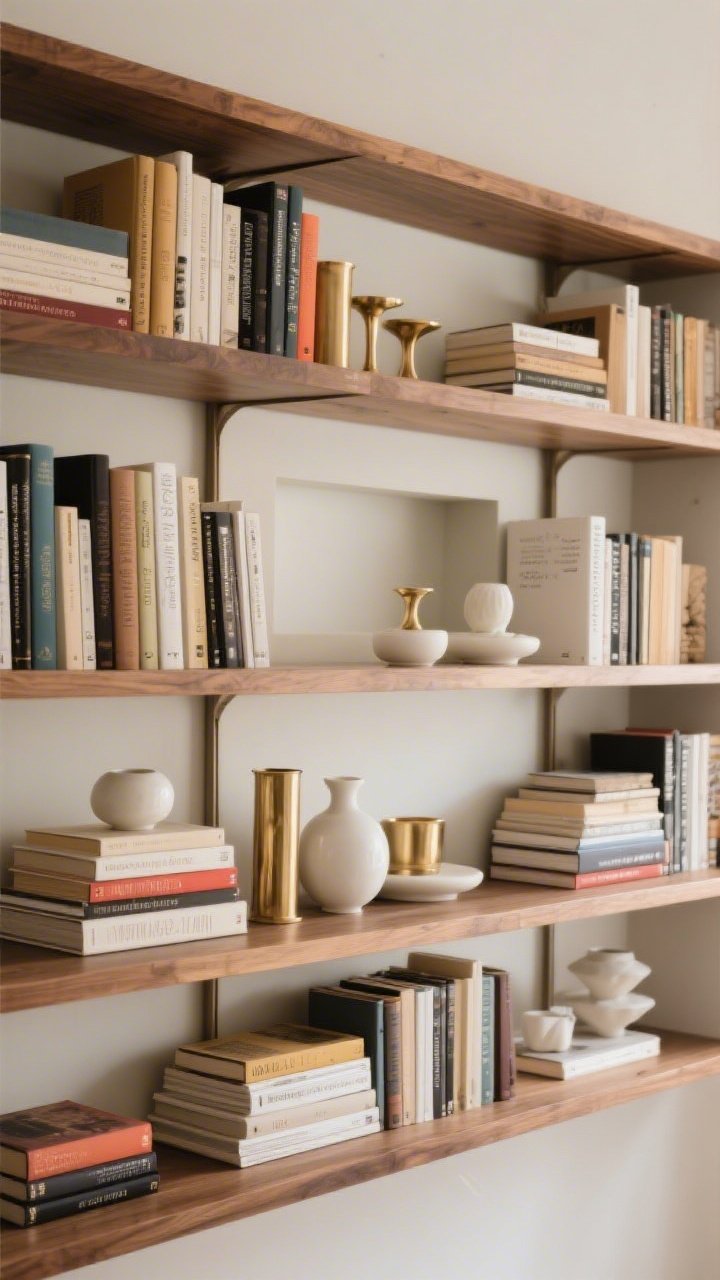
Bookshelves shouldn’t scream “college dorm storage.” They’re prime real estate for personality—just edit. Think 60% books, 40% styling.
Shelfie Game Plan
- Vary orientation: stack some horizontally, most vertically. Add a small object on a horizontal stack.
- Repeat materials: wood, brass, ceramic—echo them for rhythm.
- Leave negative space: one empty spot per shelf looks intentional, not sparse.
Consider color-coding your spines or flipping to neutral. Controversial? Maybe. Satisfying? 100%.
9. Edit Your Color Story With Three Shades
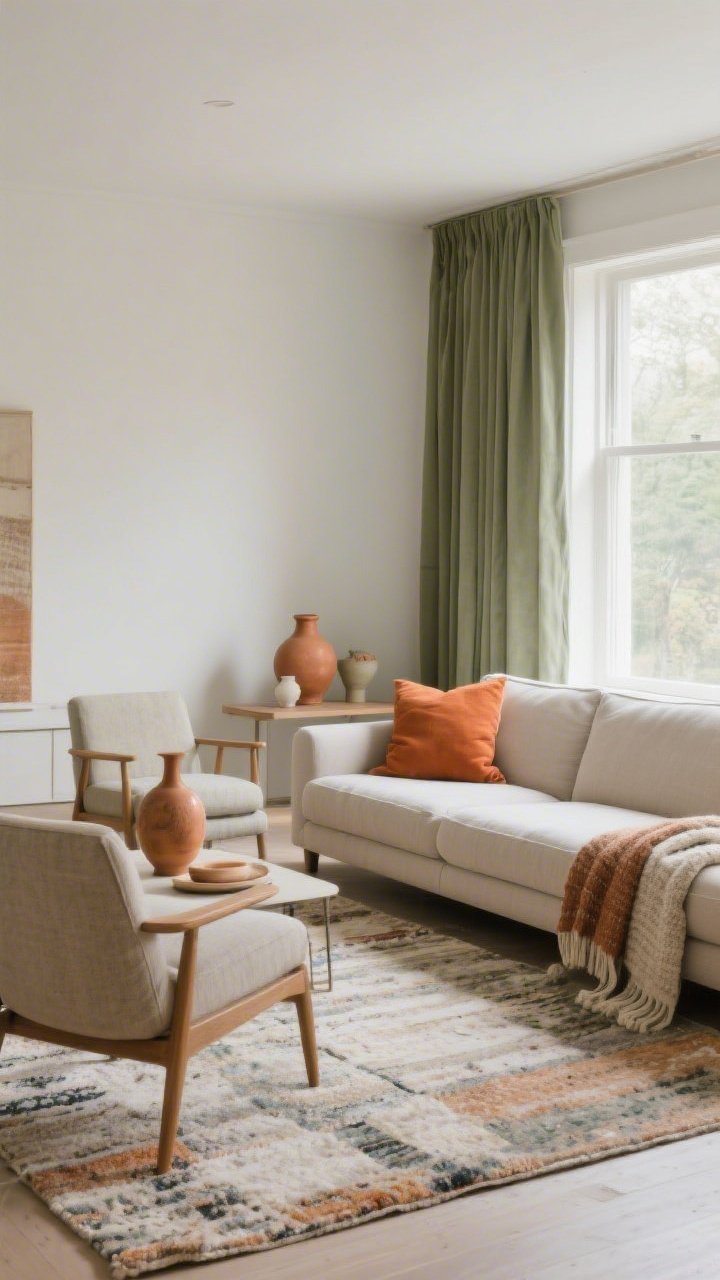
Too many colors = chaos. Too few = snooze. Pick a tight palette and commit: one dominant, one secondary, one accent. Then let textures add complexity.
Build Your Palette
- Dominant (60%): walls, large rug, main sofa/bed.
- Secondary (30%): curtains, chairs, bedding, art background.
- Accent (10%): pillows, vases, lamps, throws.
Not ready to paint? Use textiles and art to steer the room. Even swapping a rug can reset the entire color mood, FYI.
10. Upgrade Hardware and Small Fixtures
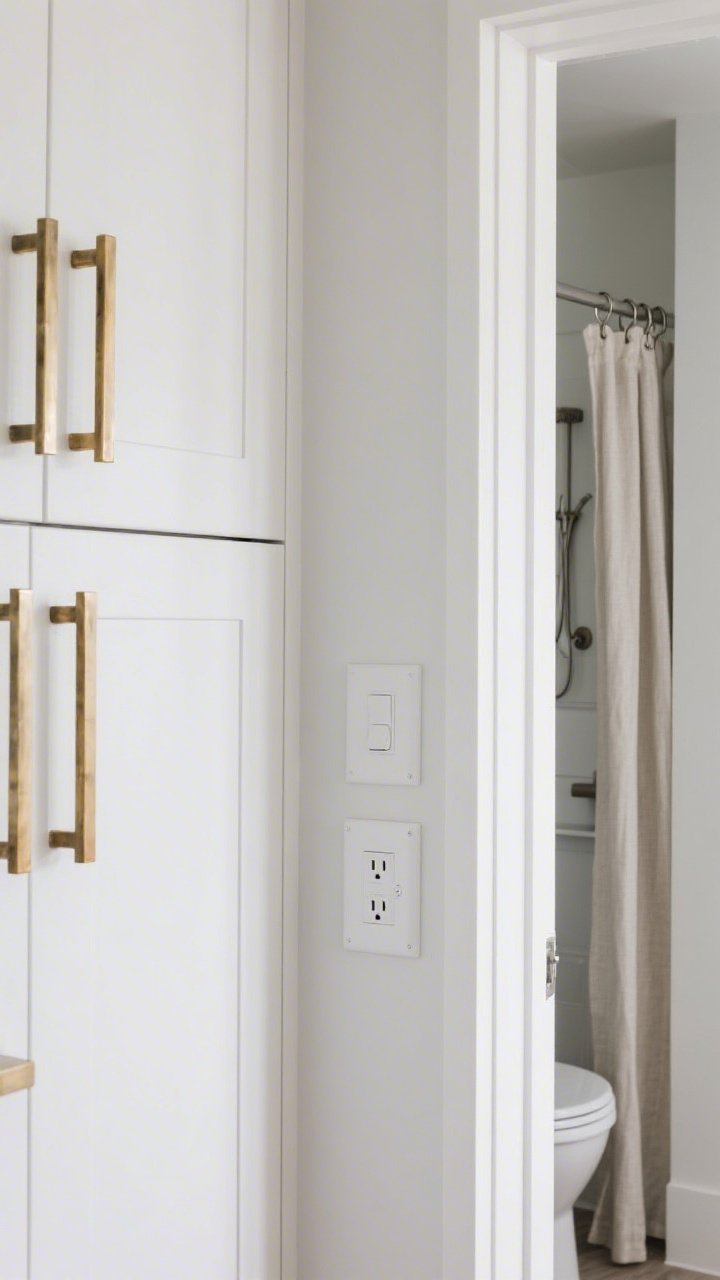
High-impact, low-effort: swap the parts you touch every day. Cabinet pulls, door handles, outlet covers, switch plates—these little details quietly scream “updated.”
Weekend-Friendly Swaps
- Cabinet hardware: go matte black, unlacquered brass, or a simple wooden pull.
- Switch/outlet covers: clean white or modern screwless plates = instant polish.
- Shower curtain + rings: fabric curtain, weighted hem, minimalist hooks. Hotel vibes.
Consistency creates flow. Match finishes within a room, but don’t stress if the whole home isn’t identical. Coordinated beats copy-paste.
11. Style A Signature Scent And Soundscape
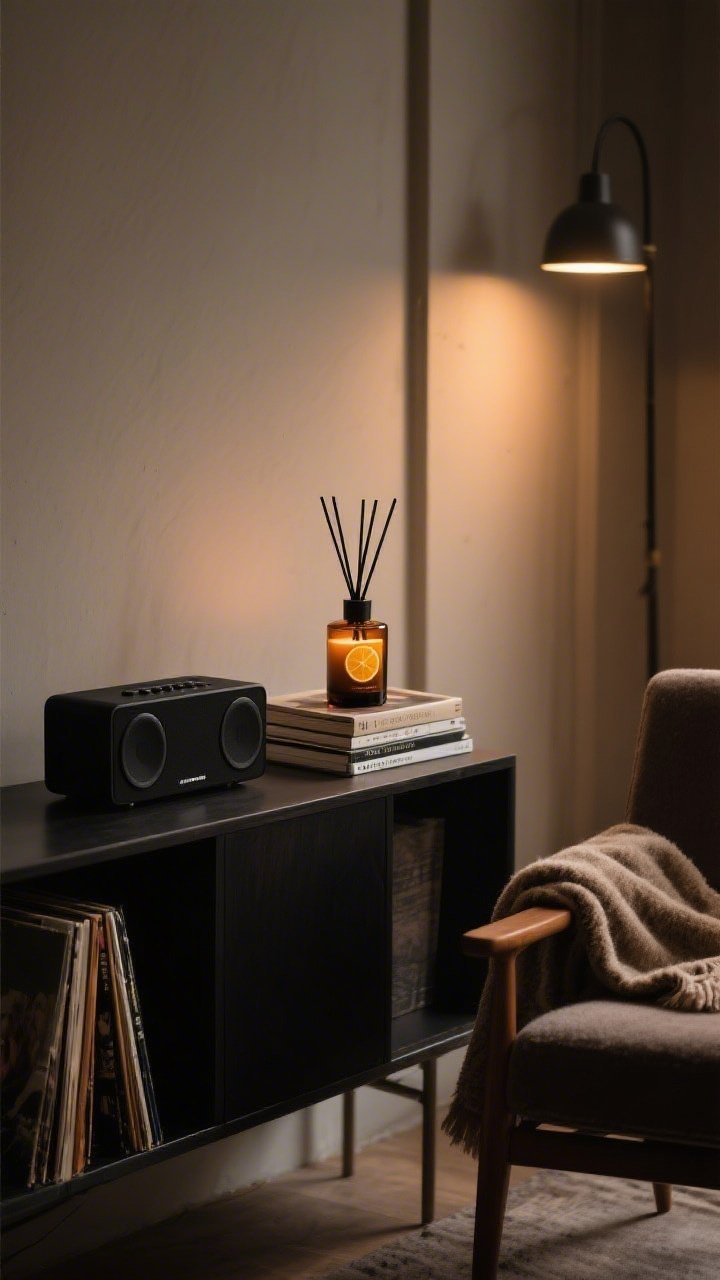
Good design hits more than the eyes. Scent and sound change everything—your brain reads “oasis” before you even sit down. Choose a signature combo and stick with it.
Set The Mood
- Scent: diffuser oil, candle, or linen spray in one family (citrus-woody for day, amber for night).
- Sound: a small speaker + a go-to playlist (low-fi, jazz, bossa nova—whatever makes your space hum).
- Texture cues: a soft throw within arm’s reach makes people relax instantly.
It’s the invisible design layer. Friends won’t know why it feels so good—they’ll just want to stay.
12. Create One Wow Moment (Your Room’s Main Character)
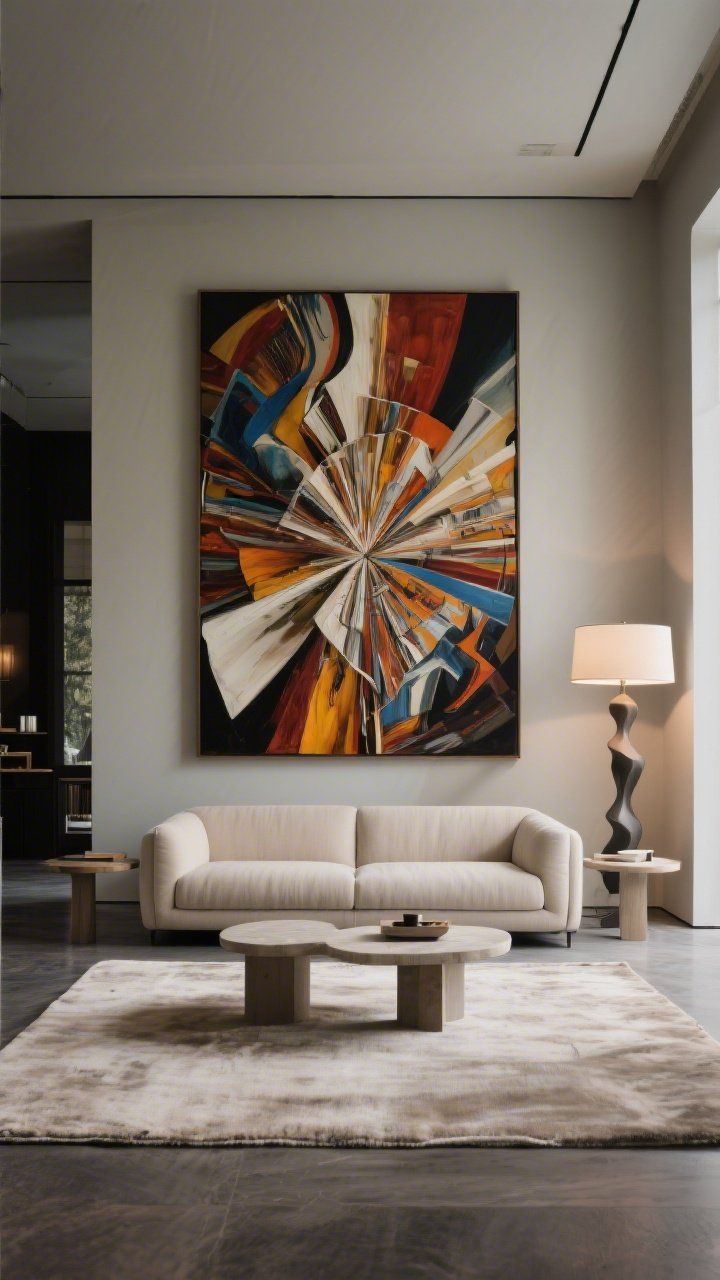
Every room deserves a “stop scrolling” feature. It can be bold, weird, or wildly simple—just make it intentional. When there’s a star, the whole room snaps into focus.
Choose Your Wow
- Oversized art above the sofa or bed.
- Statement light (sculptural pendant, cool sconce, dramatic floor lamp).
- Patterned rug that sets your entire palette.
- Painted moment like a color-drenched niche or contrast door.
One feature, max. If everything’s screaming, nothing’s special. Let the star shine, and keep the supporting cast chic and simple.
Bonus Micro-Moves That Still Slap
- Hide cords with cable raceways or baskets. Visual peace unlocked.
- Steam your curtains and make pinch pleats with clips. Looks bespoke, costs coffee money.
- Roll your towels or fold throws neatly. Hotels do it for a reason.
Tiny habits add up. Your future self will thank you.
Putting It All Together
Here’s your fast track: declutter, reflow furniture, fix lighting, then layer textiles and art. Sprinkle plants, style surfaces, simplify color, and swap small fixtures. Finish with scent/sound and one dramatic focal point. Boom—fresh room energy without the renovation headache.
You don’t need a new house. You need a smarter reset. Start with one section today, then ride the momentum. Your space is about to feel brand-new—and yes, your friends will notice.
Reset Your Room In Minutes
This simple routine helps you keep your room clean and organized.