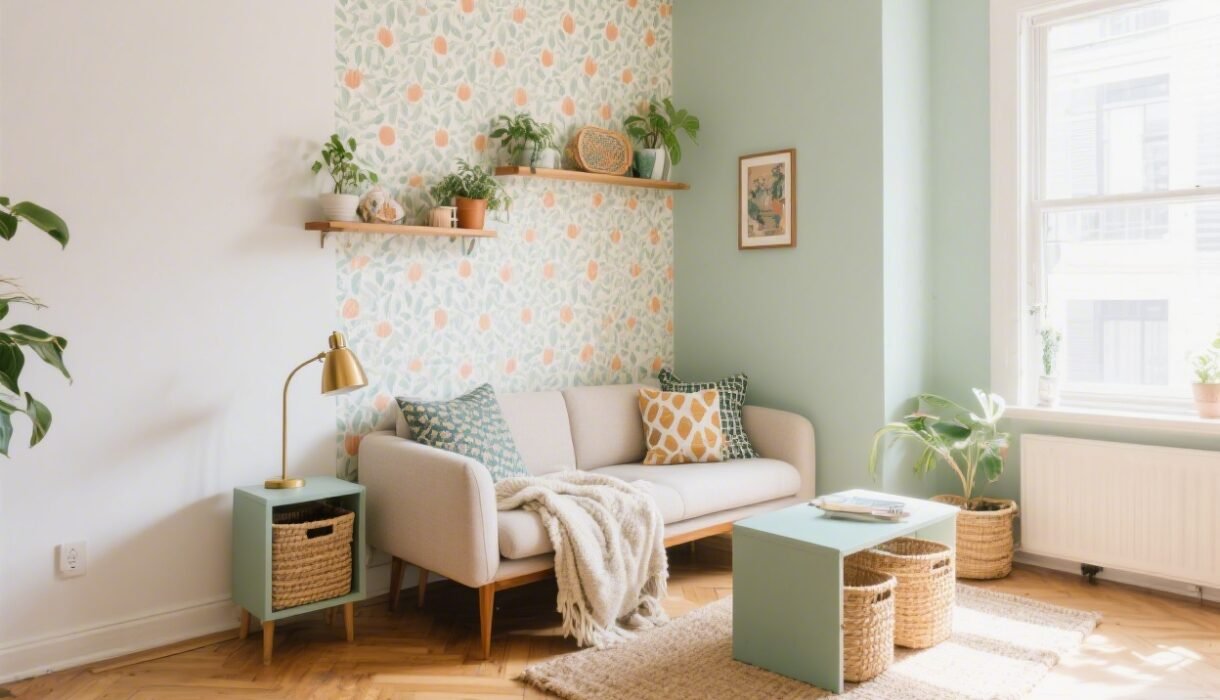
15 Low Budget Room Makeover Ideas for Small Spaces That Feel Luxe
Posted in :

Small space, big dreams? Same. You don’t need a giant budget (or a giant house) to make a room look pulled-together and expensive. With a few smart moves and a little DIY spirit, you can transform a cramped corner into a cozy, functional, seriously cute space. Let’s get into the good stuff.
1. Paint With Purpose, Not Just Color
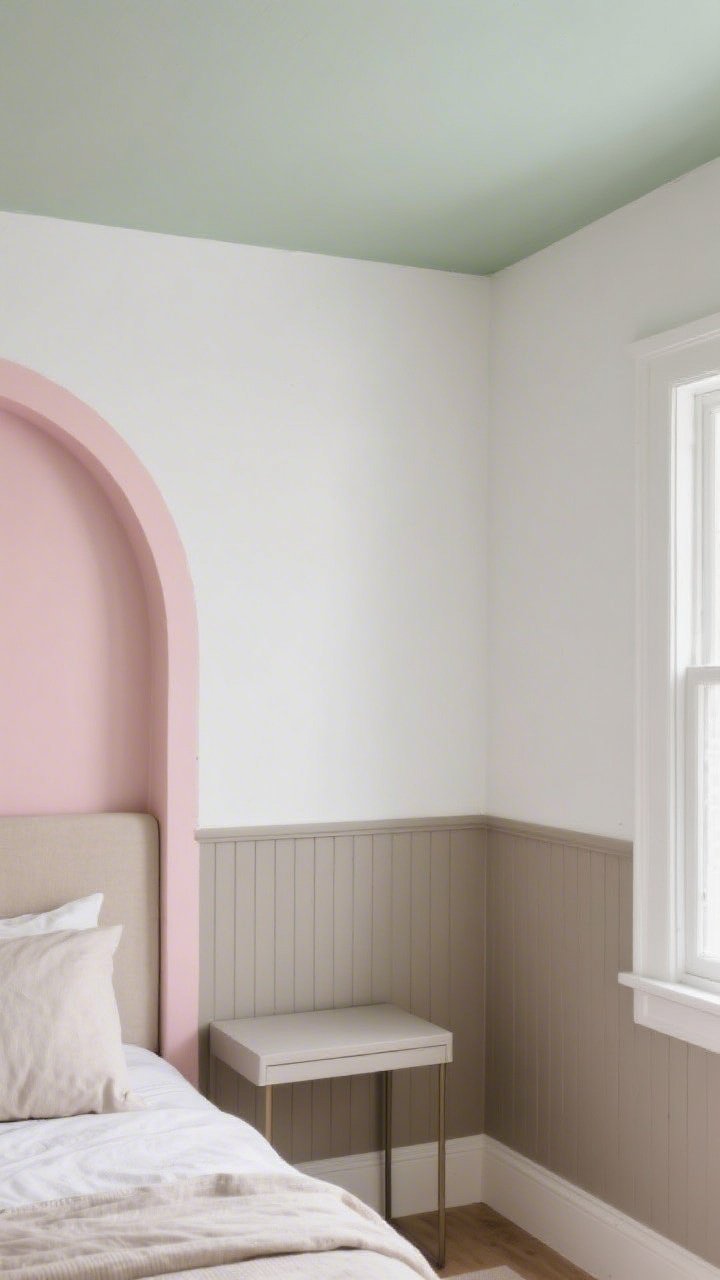
Paint is the cheapest magic trick. But instead of defaulting to all-white, try zoning with color to make a small room feel bigger and more intentional.
Try These:
- Color block the lower half of your walls to fake wainscoting. It adds depth without actual millwork.
- Ceiling paint: A soft tint (think blush, pale sage, or a muted sky) draws eyes up and makes ceilings feel taller.
- Create a faux headboard with a painted rectangle or arch behind your bed or sofa. Instant focal point.
Pro tip: Use eggshell or satin on walls in tiny spaces—they reflect just enough light to feel airy without showing every fingerprint.
2. Furniture That Folds, Stacks, and Scoots
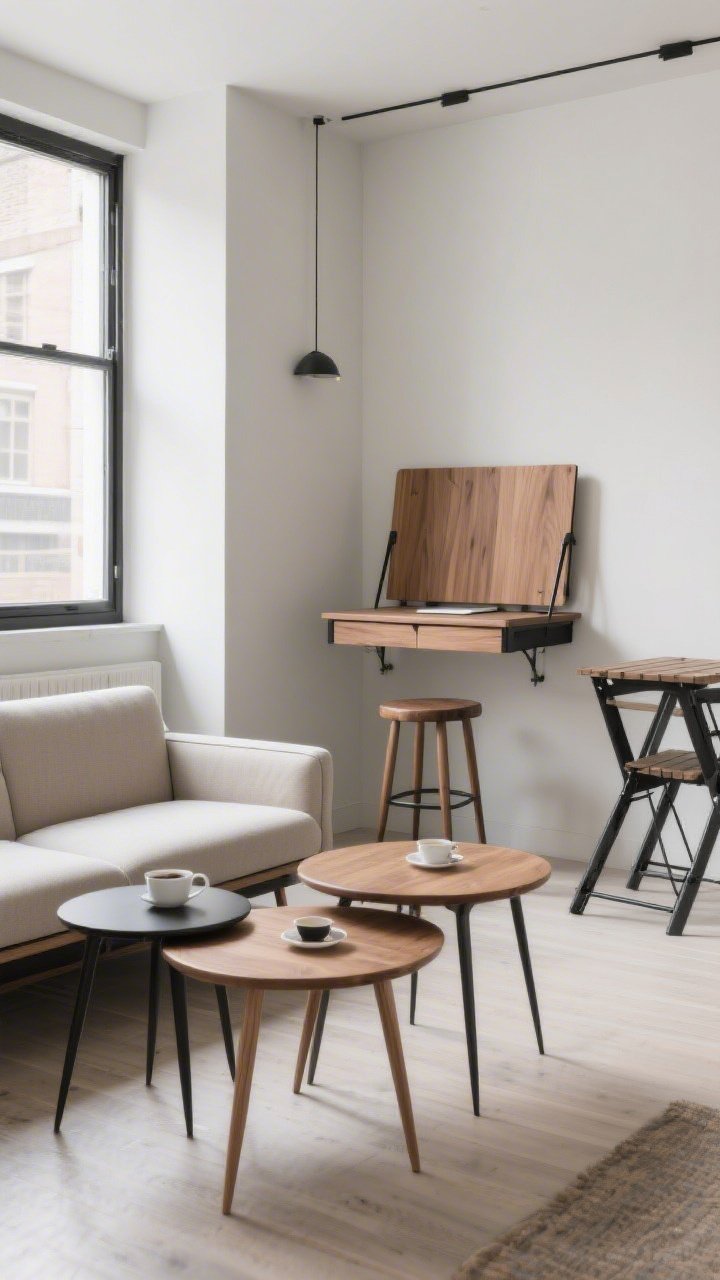
Clunky pieces eat space. Go for multi-taskers that move around and hide away when you’re not using them.
- Nesting tables instead of a massive coffee table—use one or all three as needed.
- A folding bistro table that doubles as a desk, then tucks flat against the wall.
- Ottomans with storage: seating, footrest, and secret stash spot in one.
- Wall-mounted drop-leaf desks for tiny bedrooms or living rooms that moonlight as offices.
FYI: Legs matter. Furniture with visible legs makes rooms feel lighter compared to heavy box bases.
3. Light It Like a Designer (On a Diner Budget)
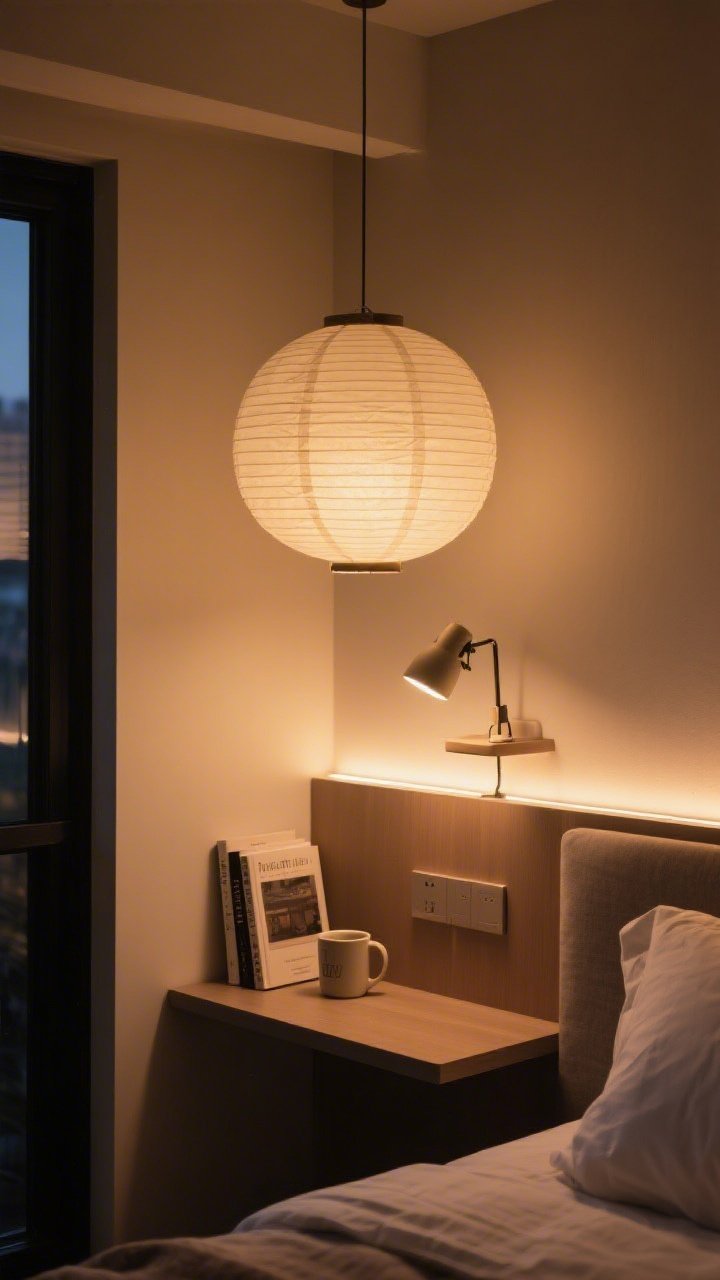
Overhead lighting alone = instant “waiting room” vibes. Layer three types of light to make your place glow.
- Ambient: Soft overhead or a paper lantern for a diffused, cozy wash.
- Task: Clip-on lamps for desks, reading corners, or kitchen counters.
- Accent: LED strips under shelves, behind a headboard, or along a picture rail.
Swap the builder-grade shade for a fabric drum or rattan pendant. Costs little. Changes everything.
4. Go Vertical: Walls Are Wasted Real Estate
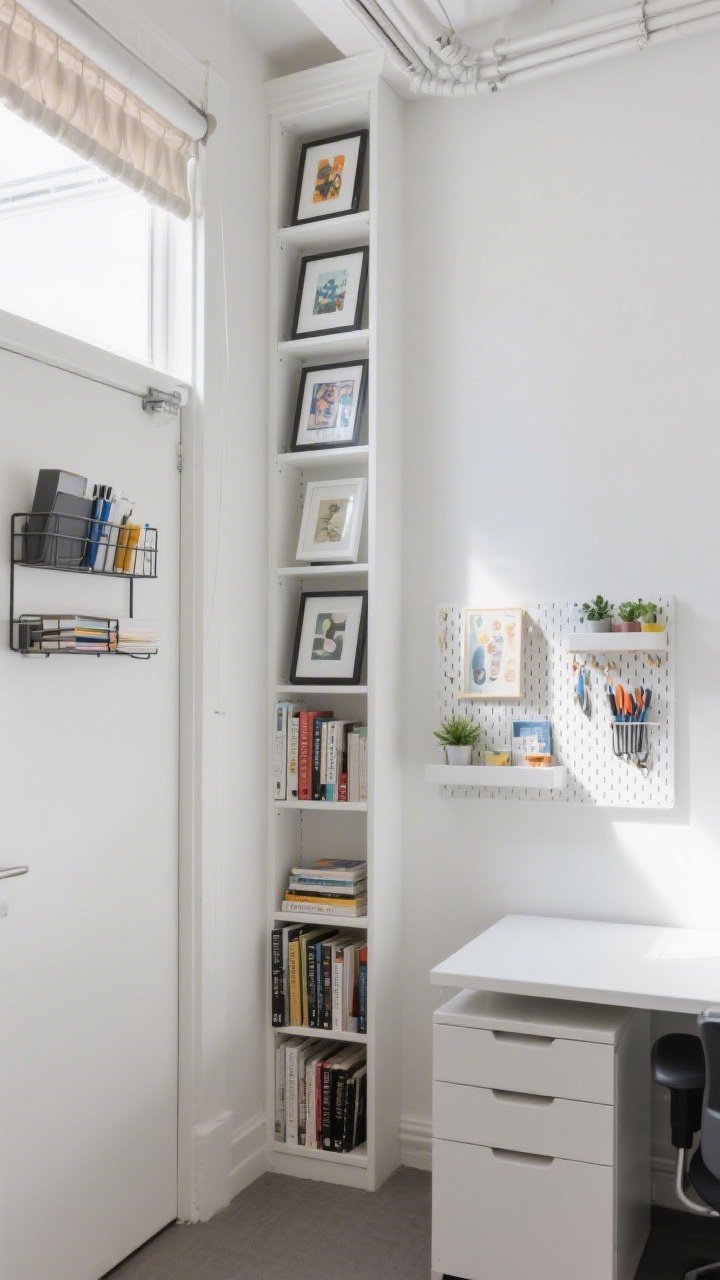
When the floor’s full, start climbing. Vertical storage gets clutter off surfaces and adds style as a bonus.
- Install a picture ledge wall for rotating art, books, or mini plants.
- Hang a pegboard in the kitchen, entry, or office—customizable hooks and shelves save the day.
- Use tall, narrow bookshelves to draw eyes up (anchor them—safety first).
- Try over-door racks for shoes, pantry goods, or cleaning supplies.
Bonus move: A ceiling-mounted curtain track to separate zones in a studio. Looks chic, feels intentional.
5. Mirror Magic (No Rabbits Required)
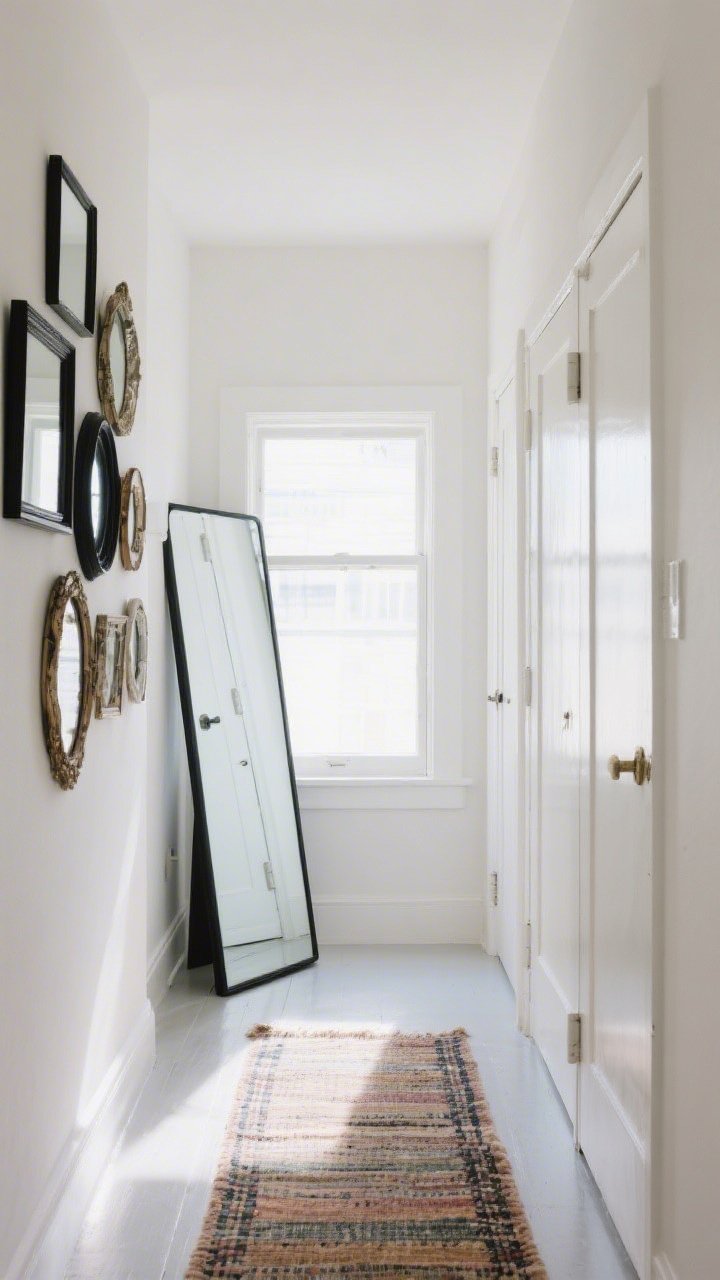
Mirrors bounce light and visually double your square footage. Strategic placement = instant airiness.
- Place a tall mirror opposite a window to reflect light deeper into the room.
- Use mirrored closet doors or a slim leaning mirror to open up tight hallways.
- Create a gallery of small thrifted mirrors for vintage character and shimmer.
Keep frames consistent in color for cohesion, even if the shapes are eclectic.
6. Textiles: Layer For Luxe
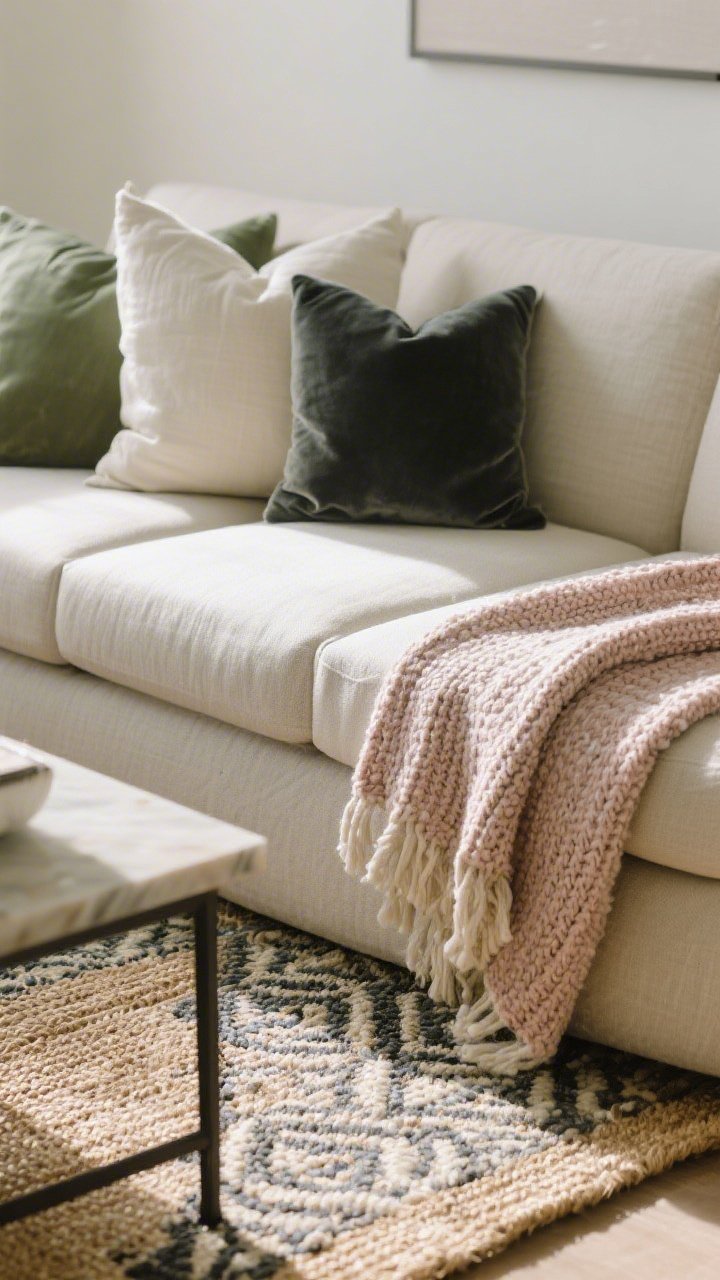
If your room feels flat, it’s probably missing texture. Layers make small spaces feel finished and cozy (not cluttered—promise).
- Rug on rug: Place a smaller patterned rug over a cheap jute or sisal base.
- Mix nubby throws, linen pillow covers, and velvet accents for contrast.
- Try curtains hung high and wide to elongate windows and make ceilings look taller.
Choose a simple color palette (3–4 tones) to keep it calm. Then go wild on textures.
7. Curate, Don’t Accumulate
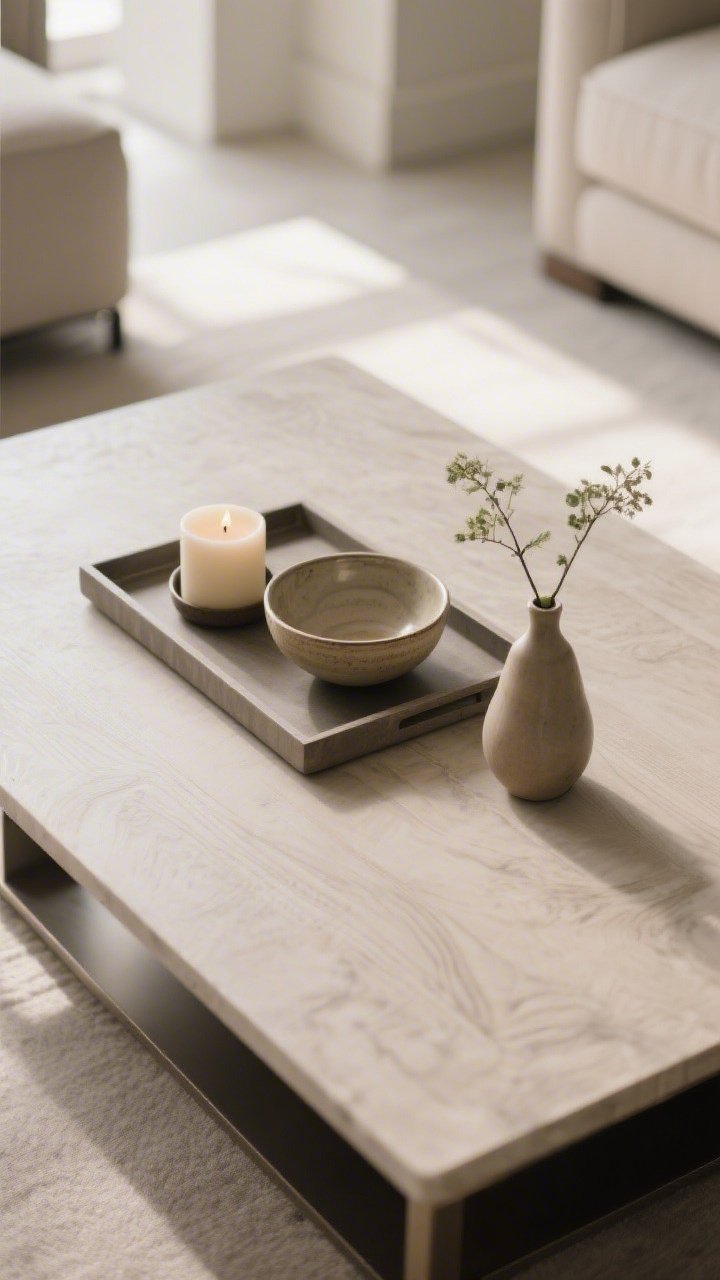
Clutter shrinks rooms. Curating is the difference between “cozy” and “chaotic.”
Edit Like A Stylist:
- Keep surfaces two-thirds empty. Negative space = luxury vibes.
- Group decor in odd numbers (3 or 5) and vary height for balance.
- Use trays to corral items—coffee table, nightstand, entry console.
Donate or sell what you don’t love. Your home should be a greatest-hits playlist, not the whole discography.
8. DIY Art That Doesn’t Look DIY
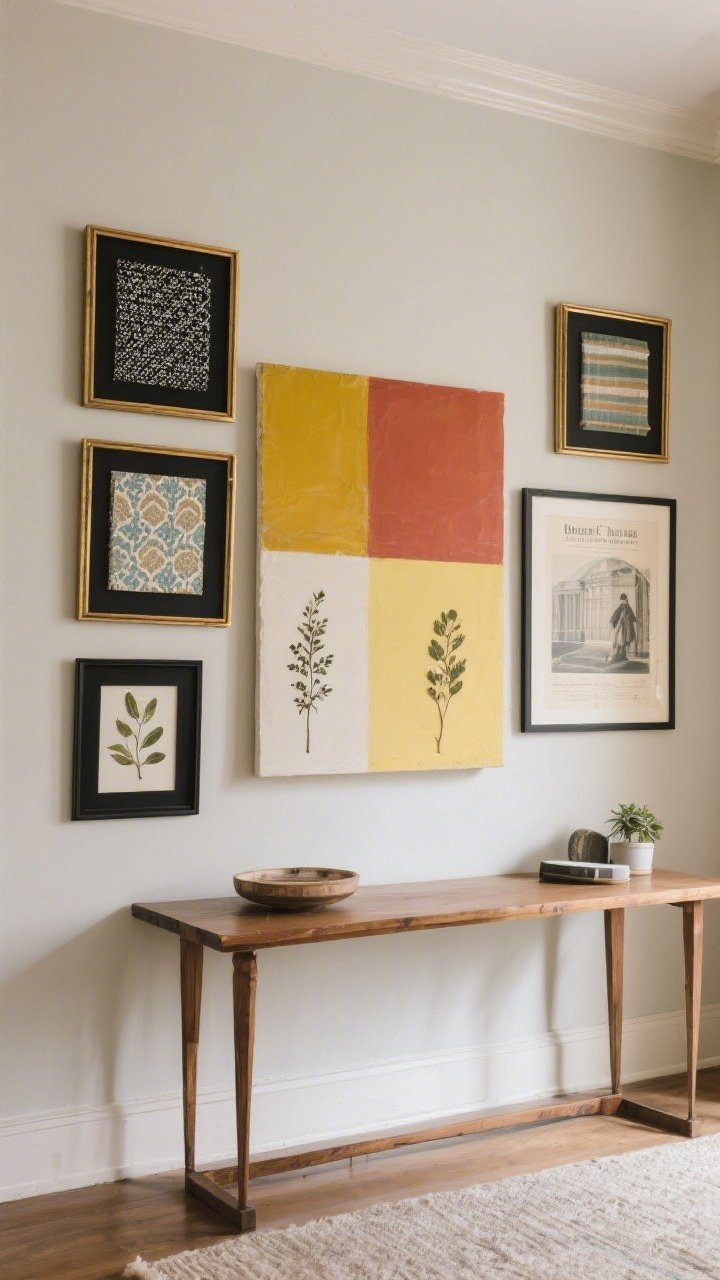
Art gets pricey fast. Luckily, you’ve got options that look elevated, not “craft night.”
- Fabric or wallpaper samples in thrifted frames—so chic, so cheap.
- Paint a large-scale canvas with color blocks or organic shapes. Big art = big impact.
- Pressed botanicals from your walks—stick to a minimal layout in a black frame.
- Print public domain artwork (museums share high-res images) and size them at home.
Keep frames consistent for cohesion. Mix in a thin metallic for a little glam moment.
9. Renter-Friendly Wall Upgrades
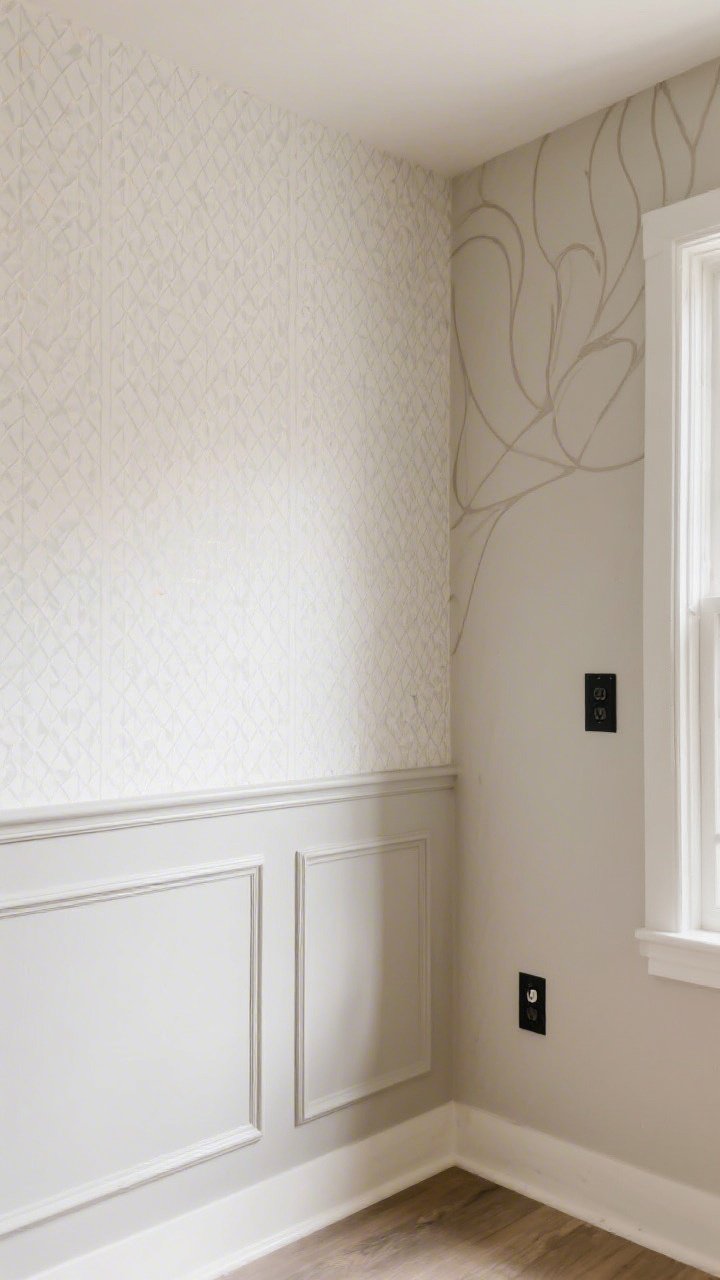
Peel-and-stick products are your best friend. They’re easy to install, easy to remove, and deliver serious personality.
- Peel-and-stick wallpaper for a single accent wall or inside bookshelves.
- Deco molding strips (foam or lightweight wood) to fake paneling—paint to match walls.
- Vinyl wall decals in organic shapes to create murals without the commitment.
Even swapping switch plates or outlet covers for prettier versions makes the whole room feel custom.
10. Style A Smarter Entry (Even If It’s 3 Feet Wide)
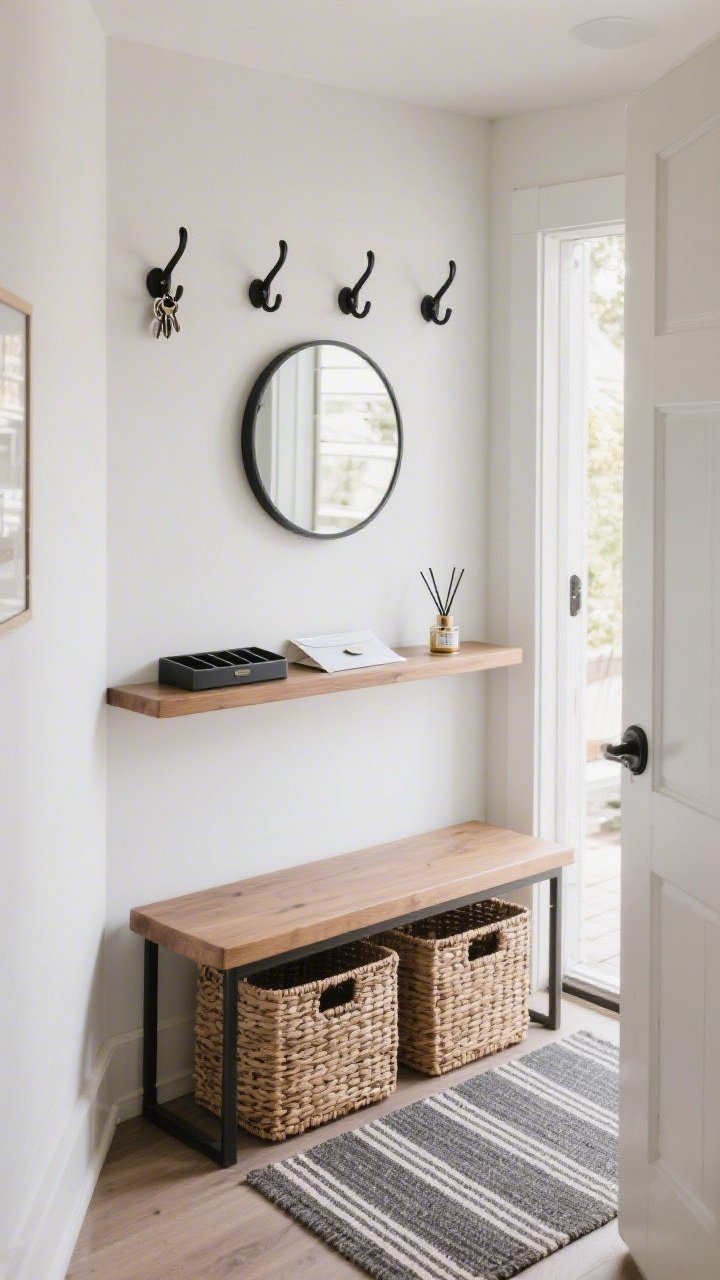
First impressions matter—and entries in small spaces often double as everything. Make it work hard and look good.
- Use a narrow console or floating shelf for keys and mail.
- Mount sturdy hooks and a small mirror above a bench with storage baskets.
- Add a durable runner (indoor/outdoor) that hides dirt and defines the zone.
Pro tip: A scent diffuser near the door makes your home feel like a boutique hotel. Tiny indulgence, big impact.
11. Small-Scale Kitchen Glow-Up
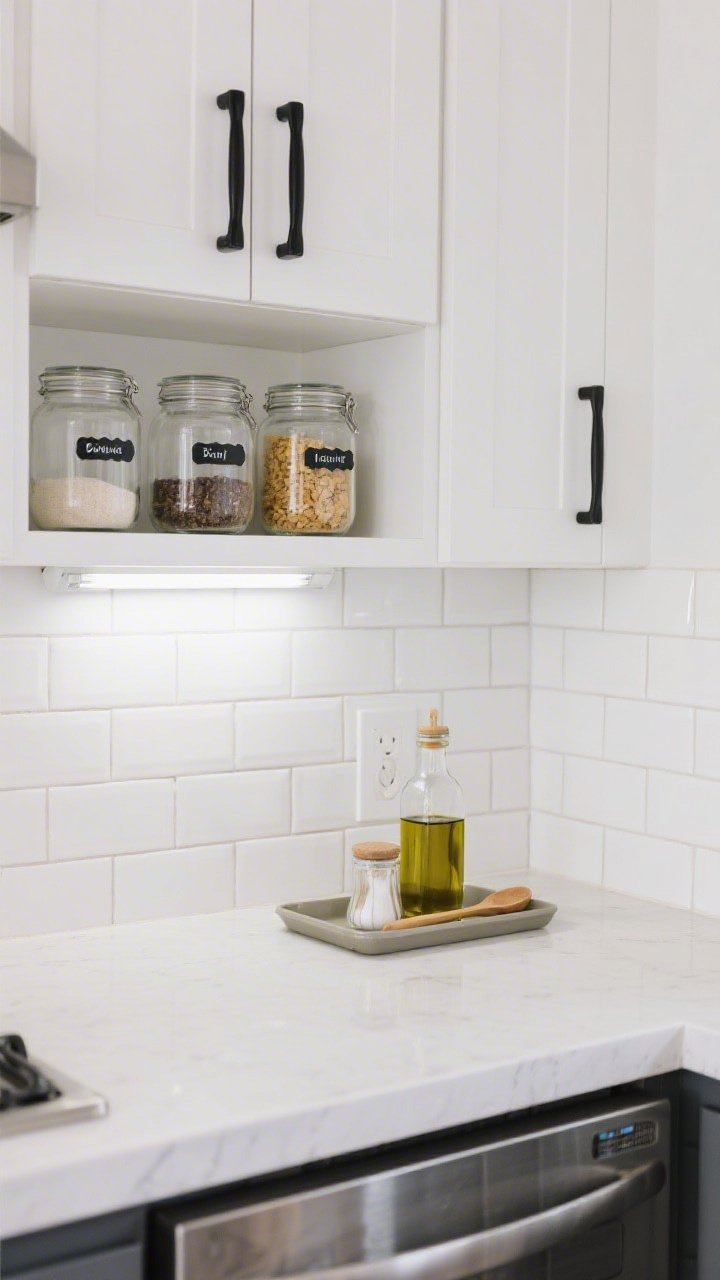
Your kitchen doesn’t need a renovation to feel fresher. Focus on surfaces and organization.
- Peel-and-stick backsplash tiles—subway, marble, or patterned. Weekend project, major upgrade.
- Swap cabinet hardware for matte black, brass, or leather pulls.
- Decant pantry staples into clear jars and label. Looks pretty, saves space.
- Add under-cabinet lighting with motion-sensor LED strips.
Keep counters minimal: one tray for daily essentials, everything else hides. You’ll cook more when it doesn’t feel chaotic—promise.
12. Bedroom Serenity On A Budget
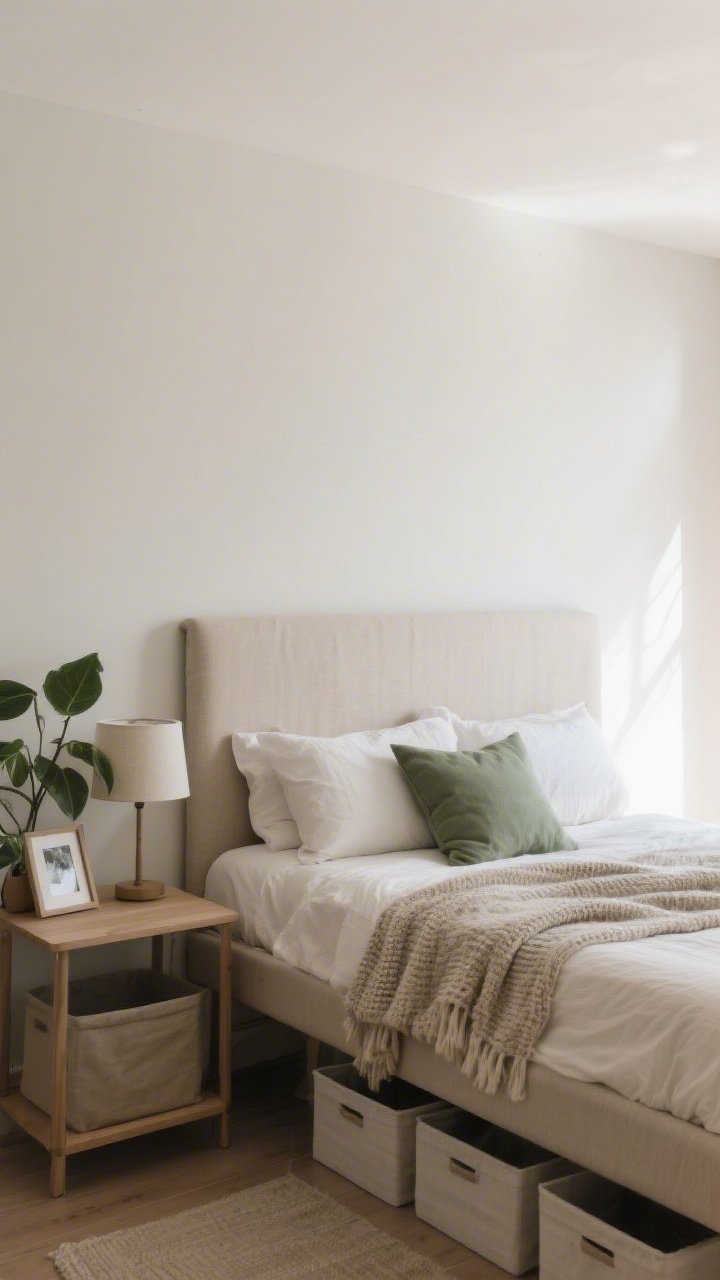
A calm bedroom makes everything better. Keep it soft, layered, and not-too-busy.
- Create a bedside vignette with a small lamp, one framed photo, and a plant.
- Swap to matching pillow shams and a textured throw to fake a hotel look.
- Use under-bed storage bins for off-season clothes—out of sight, out of mind.
- Try a DIY headboard: plywood + foam + fabric = custom for less.
Neutral bedding + one accent color = easy cohesion. Keep patterns soft and scale them up to avoid visual noise.
13. Micro-Living Room, Major Vibes
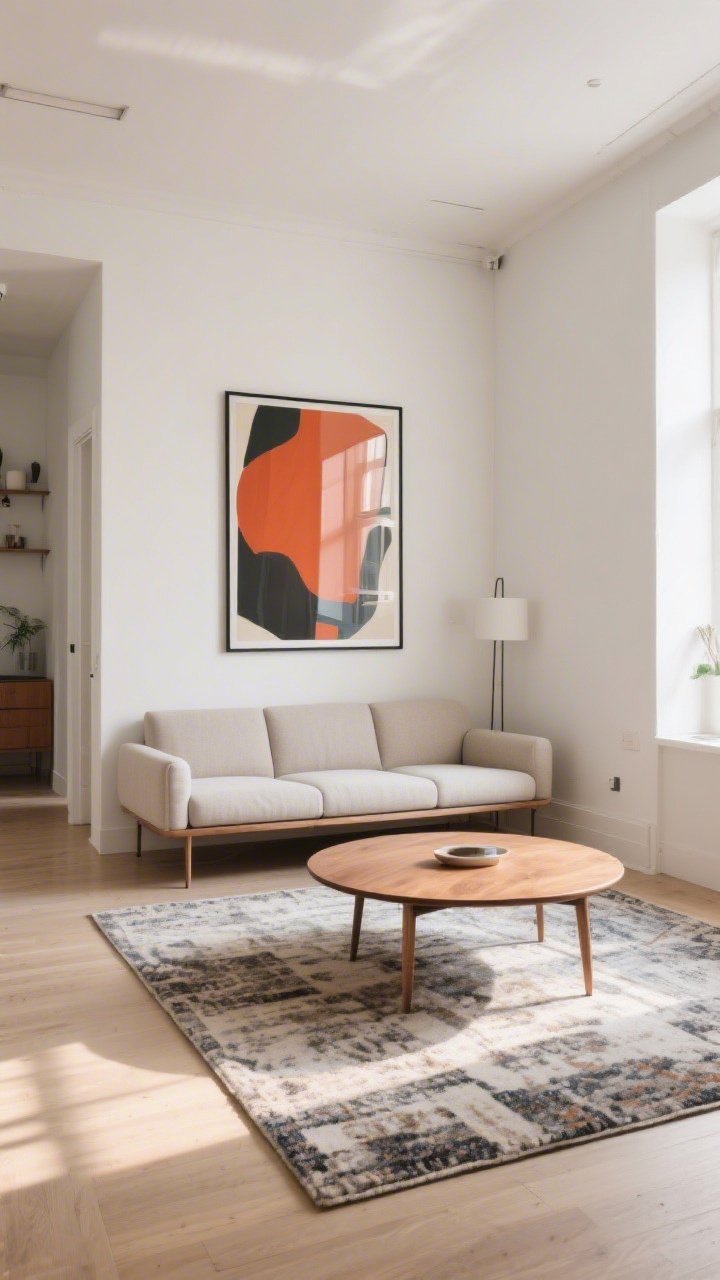
Make your living room feel bigger by mastering scale and layout.
- Choose a sofa with slim arms and a lower profile to avoid bulk.
- Float furniture away from walls a few inches—it actually makes rooms feel larger.
- Use a round coffee table to improve flow in tight walkways.
- Layer a large rug to anchor everything. Small rugs = choppy and cramped.
IMO, one big statement piece (a bold art print or gorgeous lamp) beats five tiny trinkets any day.
14. Plants: The Cheapest Stylists You’ll Ever Hire
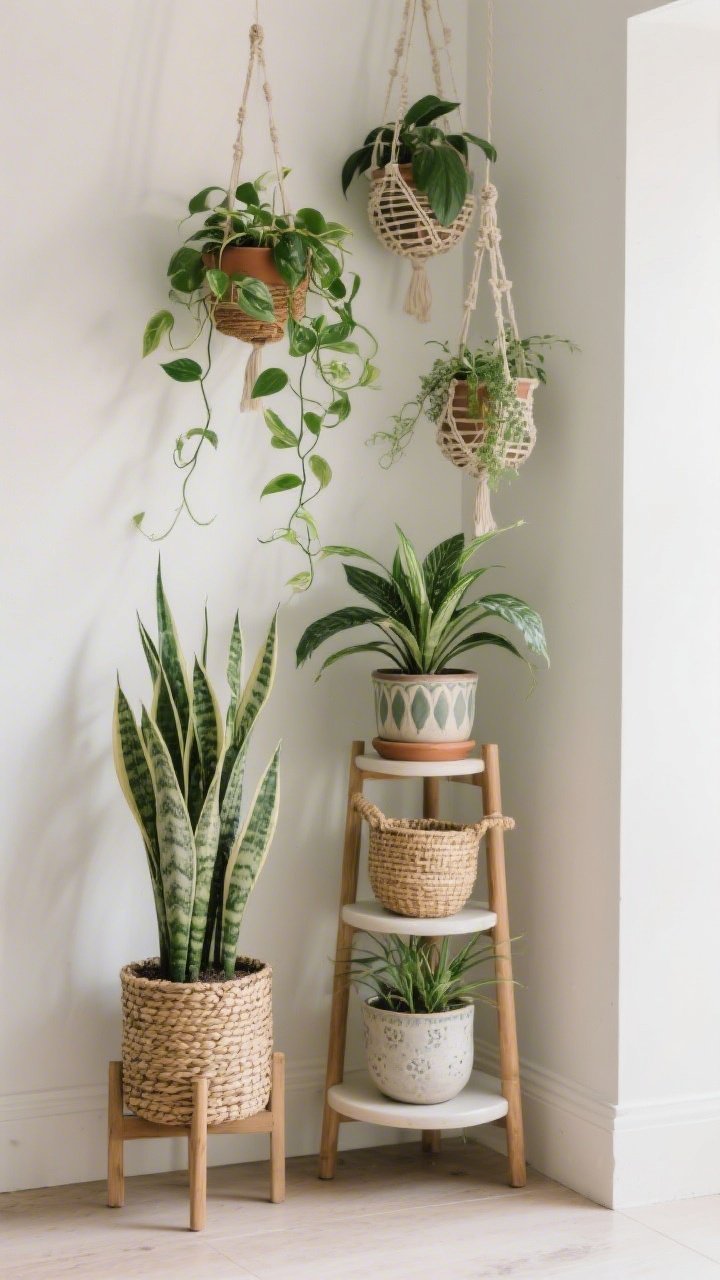
Plants add life, height, and color—plus they make you look like you have your life together. Win-win.
- Use hanging planters to save floor space and soften corners.
- Tiered plant stands create height and make small pots feel intentional.
- Go for low-maintenance: pothos, snake plant, ZZ plant, or a faux olive tree if need be.
Cluster 3 plants of different heights. Add a basket or ceramic pot to upgrade the vibe instantly.
15. The Power Of A Cohesive Color Story
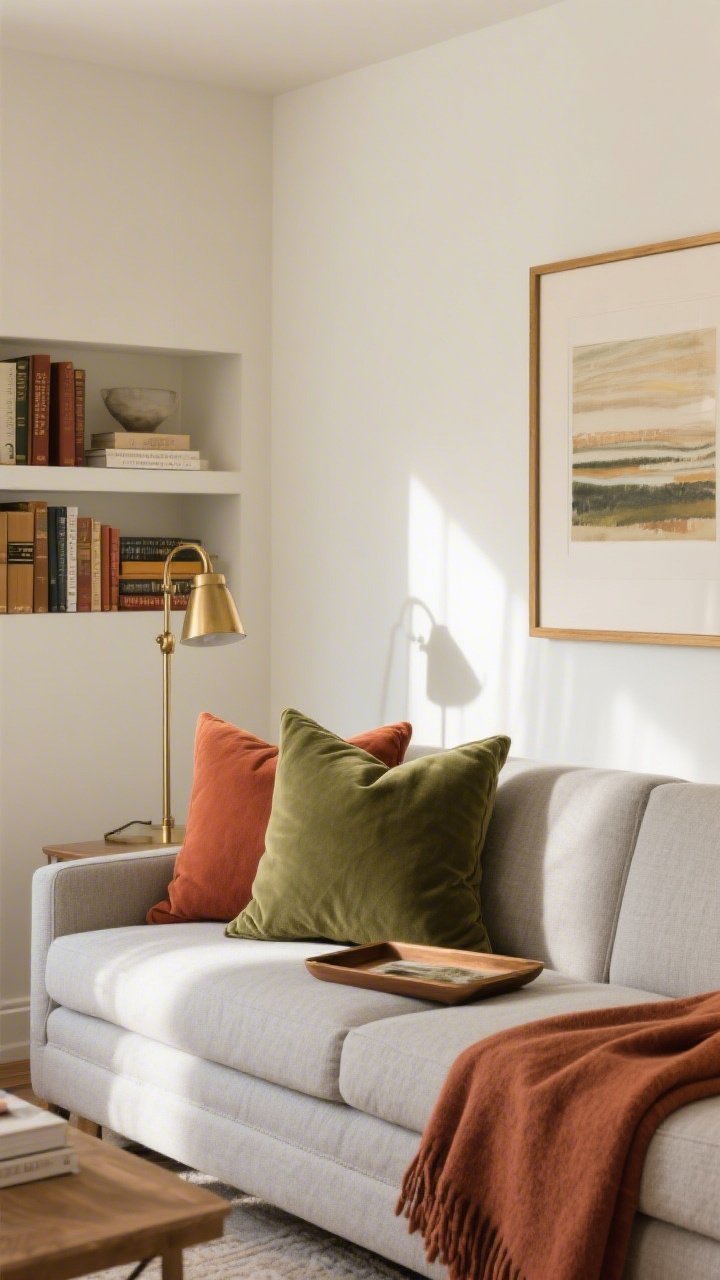
Nothing makes a small space feel polished faster than a consistent color palette. It doesn’t have to be boring—just intentional.
Build Your Palette:
- Pick a base neutral (warm white, greige, soft taupe).
- Add two accent colors you genuinely love (sage + rust, navy + sand, blush + charcoal).
- Sprinkle a metallic (brass, blackened steel, or chrome) for hardware and frames.
Repeat those colors across rooms—pillows, art, trays, throws—so the whole place feels connected and calm. FYI: Consistency is the real “designer secret.”
Quick Budget Checklist
- Thrift for frames, lamps, and side tables—then spray paint for cohesion.
- Buy pillow covers, not new pillows. Swap seasonally, store flat.
- Use Command hooks and strips for rental-friendly hanging.
- Batch your updates by zone: entry, sofa wall, bed wall, workspace.
Project Planning Tips
- Set a weekend goal (paint, curtains, or lighting) so you actually finish.
- Measure twice, buy once—especially rugs and curtains. Scale matters more than brand.
- Photograph before/after. It helps you see what’s working and keeps motivation high.
You don’t need a renovation to reinvent a room—just a plan, a color story, and a few clever swaps. Start with one corner, then keep going. You’ve got this—your small space is about to live large.
Feel Confident About Your Room Makeover
Follow a clear plan from start to finish so you can make decisions with confidence.