14 Small Room Makeover Ideas That Maximize Space and Style—without the Stress
Posted in :

Small room, big dreams? Same. The right tweaks can make your tiny space feel twice as functional and way more chic. Consider this your friendly nudge to stop doom-scrolling and start styling—because yes, you can fit comfort, storage, and personality into one compact package. Let’s make every square inch work harder (and look hotter).
1. Edit Ruthlessly, Then Style What’s Left
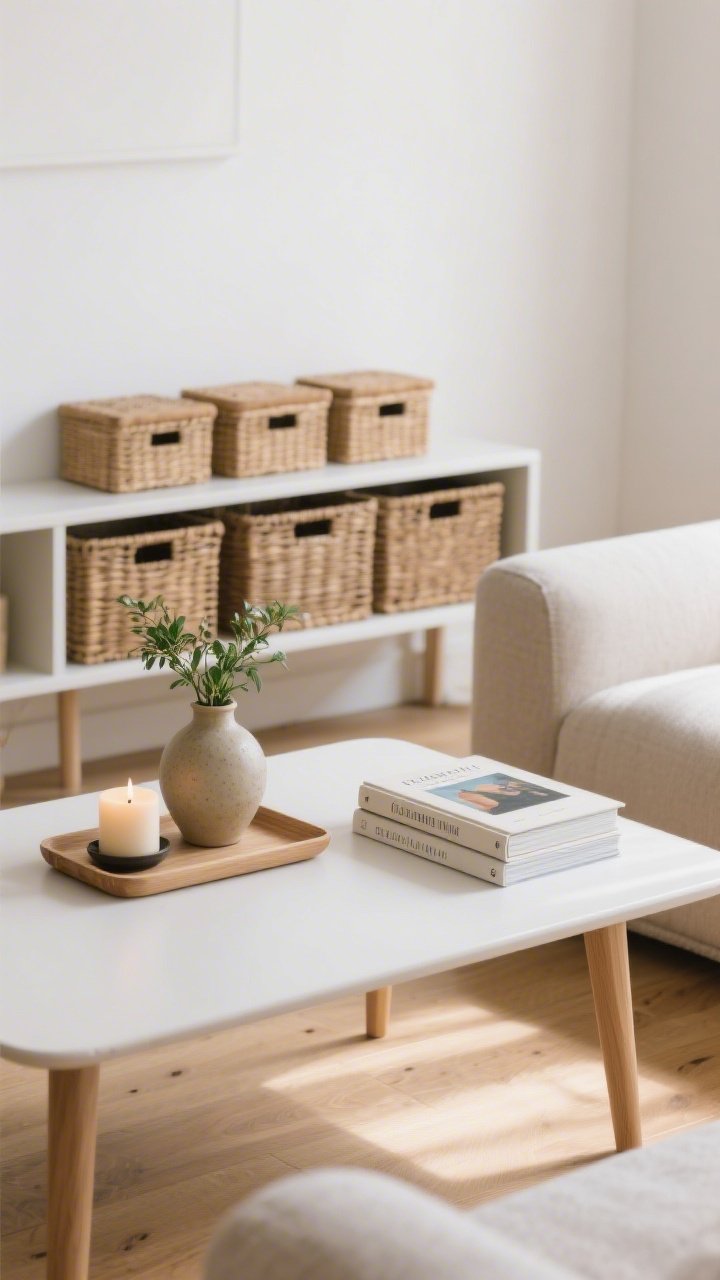
Before you buy anything, declutter like your rent depends on it. A small room can’t hide a mess—so don’t make it try. Keep only what you love, use, or would buy again today.
Quick Wins
- One-in, one-out rule: If something new comes in, something old goes out.
- Decant and contain: Use matching baskets or bins to create visual calm.
- Elevate essentials: Display a few favorite books, candles, or art—store the rest.
Once you strip things back, style what remains in tight little moments. A styled tray on a coffee table = instant polish without clutter chaos.
2. Choose Furniture With Legs (So the Room Can Breathe)
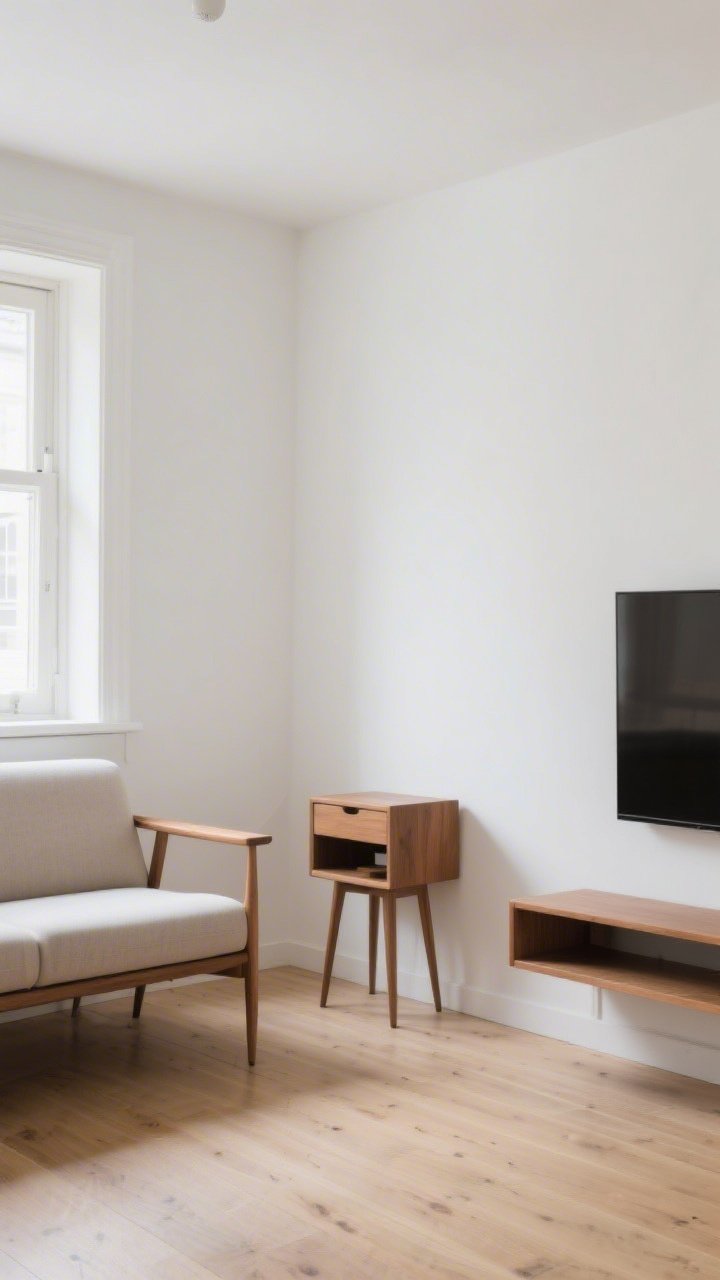
Chunky, floor-hugging pieces shrink a room. Lift furniture on slender legs to expose more floor and create an airy vibe. It’s like a visual detox.
Try This
- Sofa or chair with tapered legs: Mid-century silhouettes are MVPs for small spaces.
- Open-base nightstands: They keep bedrooms feeling light and less boxed in.
- Floating media console: Bonus: easier vacuuming (your future self says thanks).
FYI: You don’t have to go full minimalism—just give the eye a little negative space to rest.
3. Scale Down (But Don’t Go Dollhouse)
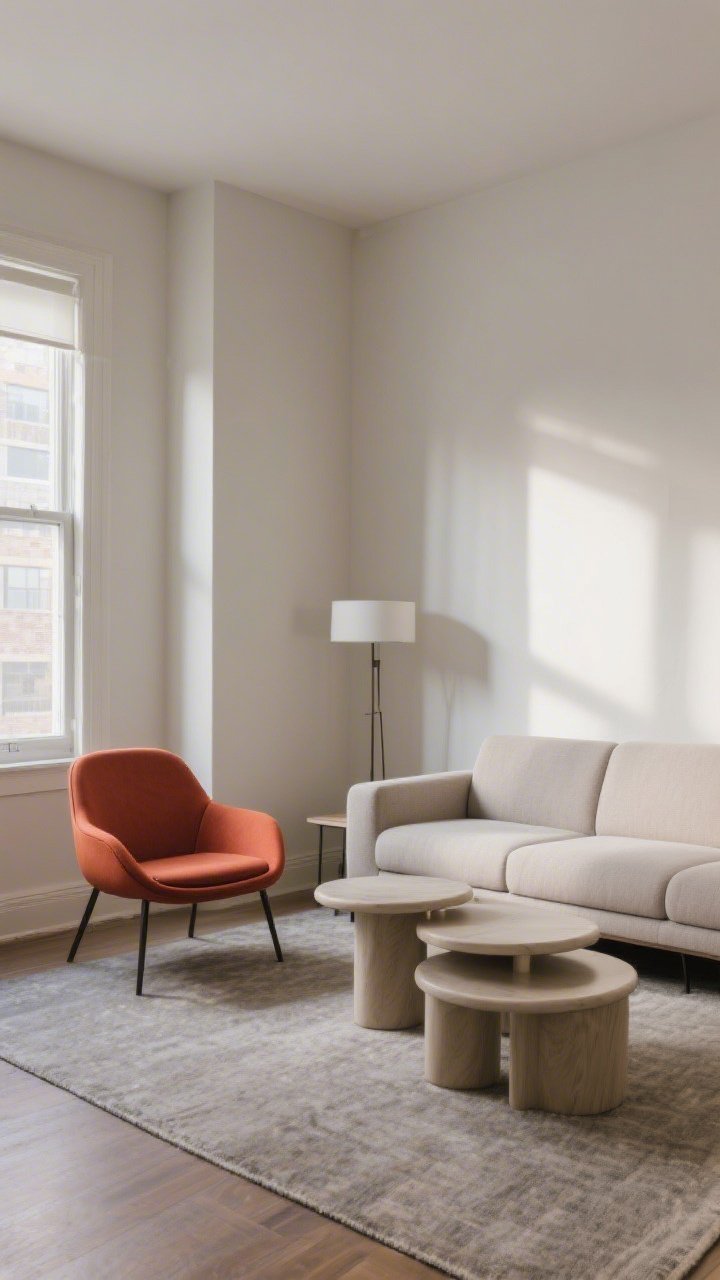
Small space ≠ tiny furniture. Choose pieces that fit your room’s footprint without feeling like props. The trick is balanced proportions, not miniatures.
Smart Scaling
- Right-size sofa: Aim for a loveseat or apartment sofa, 68–78 inches wide.
- Nesting tables: Versatile, cute, and easy to tuck away when not in use.
- Slim-profile arms: More seat, less bulk—huge difference in tight rooms.
One large statement piece (like a standout armchair or artwork) can outrank a bunch of dinky items. Confidence is a design move.
4. Go Vertical With Walls That Work Overtime
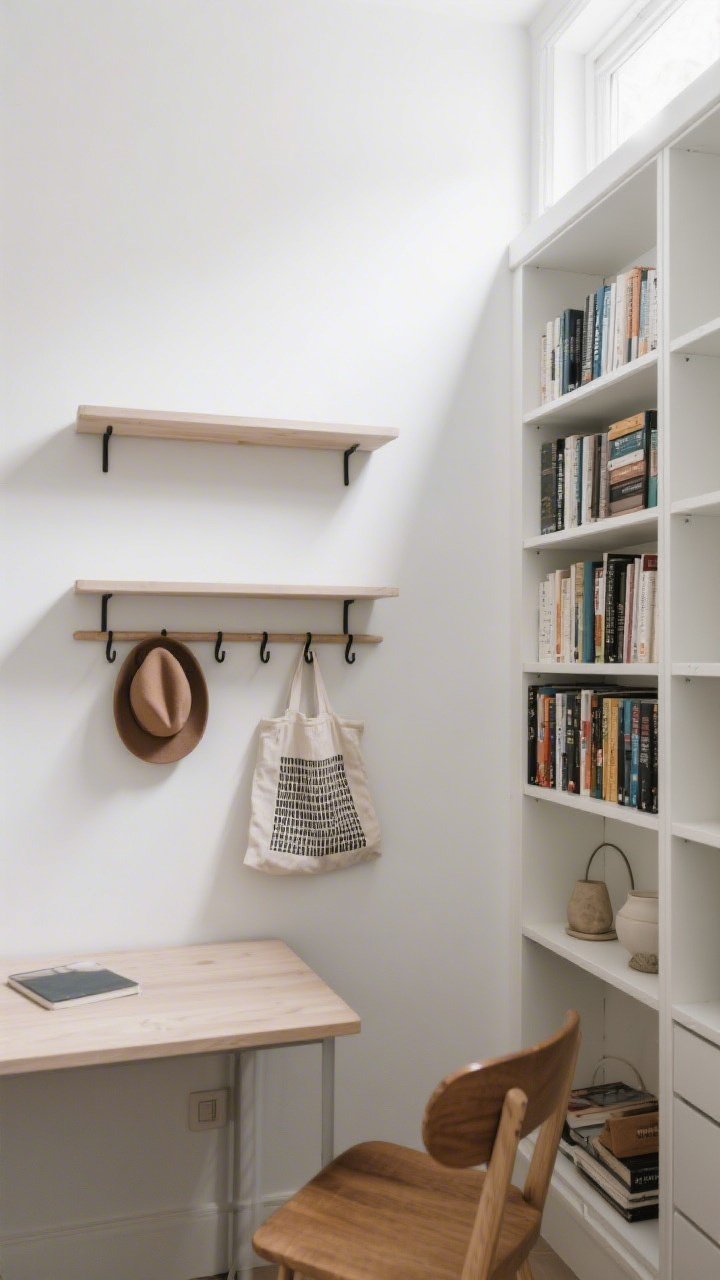
When the floor’s full, send storage up the wall. Vertical solutions draw the eye higher and make rooms feel taller.
Vertical MVPs
- Wall shelves: Stagger a trio above a desk or sofa to add storage without floor space.
- Peg rails + hooks: Instant entryway for bags, hats, and umbrellas.
- Tall bookcases: Leave a little breathing room at the top for display—not crammed to the ceiling.
Pro move: Keep heavy-looking items lower and lighter ones higher so your wall doesn’t feel top-heavy.
5. Multipurpose Furniture Is Your Best Friend
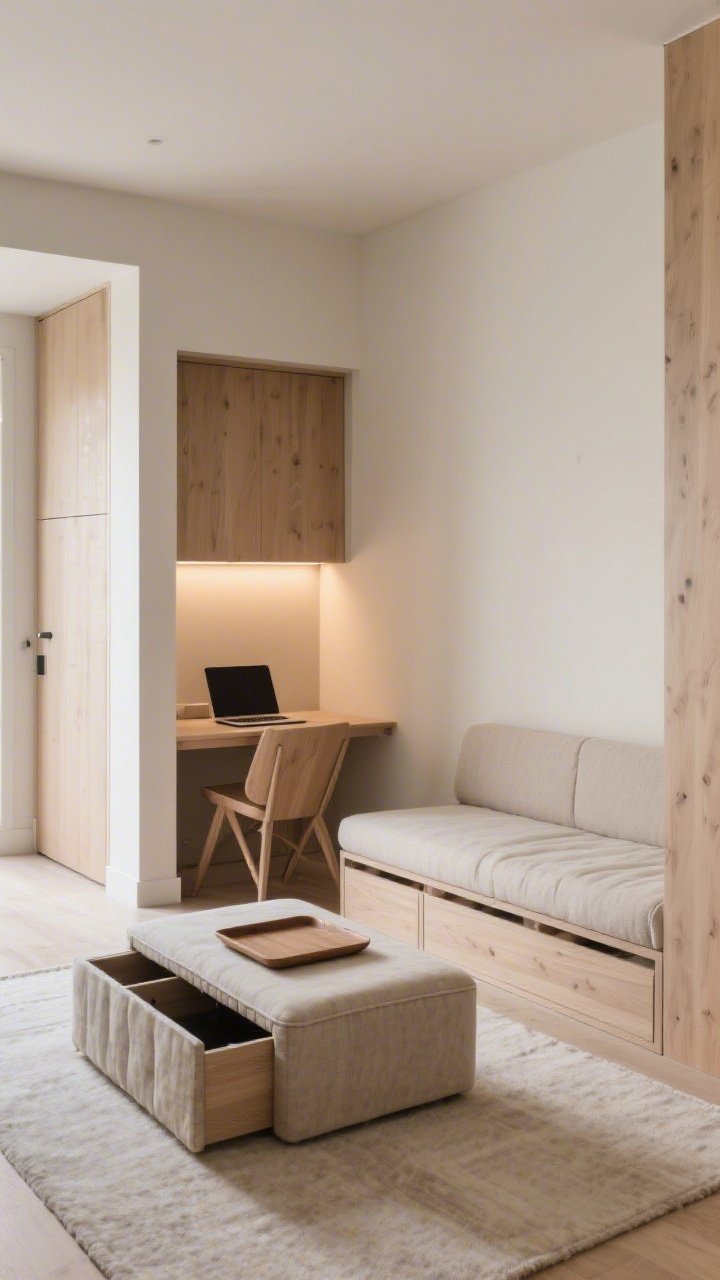
Make your furniture pull double (or triple) duty. Every piece should earn its keep—especially in small rooms.
Double-Duty All-Stars
- Storage ottoman: Coffee table, footrest, extra storage—check, check, check.
- Daybed or sleeper sofa: Lounge by day, guest bed by night.
- Drop-leaf table: Desk, dining, craft station—shifts with your life.
- Bench with hidden storage: Clutter disappears. You look organized. Magic.
IMO, once you live with multifunctional pieces, you’ll wonder why all furniture isn’t designed this way.
6. Light It Like a Stylist (Layers, Baby)
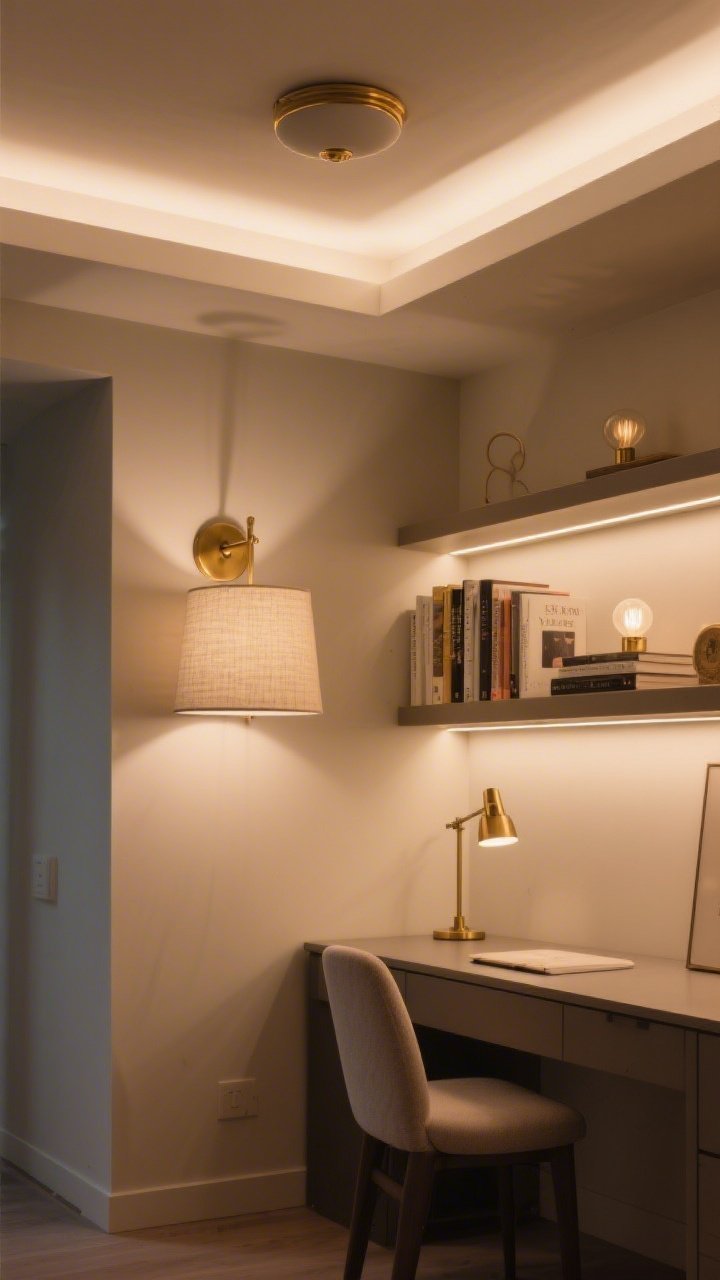
One overhead light is a mood killer. Layer lighting to make your room feel bigger, warmer, and way more high-end.
Layered Recipe
- Ambient: Ceiling or flush-mount lights to wash the room in glow.
- Task: Desk lamps, sconces, or under-cabinet strips for jobs that need focus.
- Accent: Picture lights, LED strips on shelves, or a tiny lamp on a stack of books.
Go for warm bulbs (2700K–3000K). Harsh blue light makes everything feel flat and cold—hard pass.
7. Mirrors: The Oldest Trick That Still Slaps
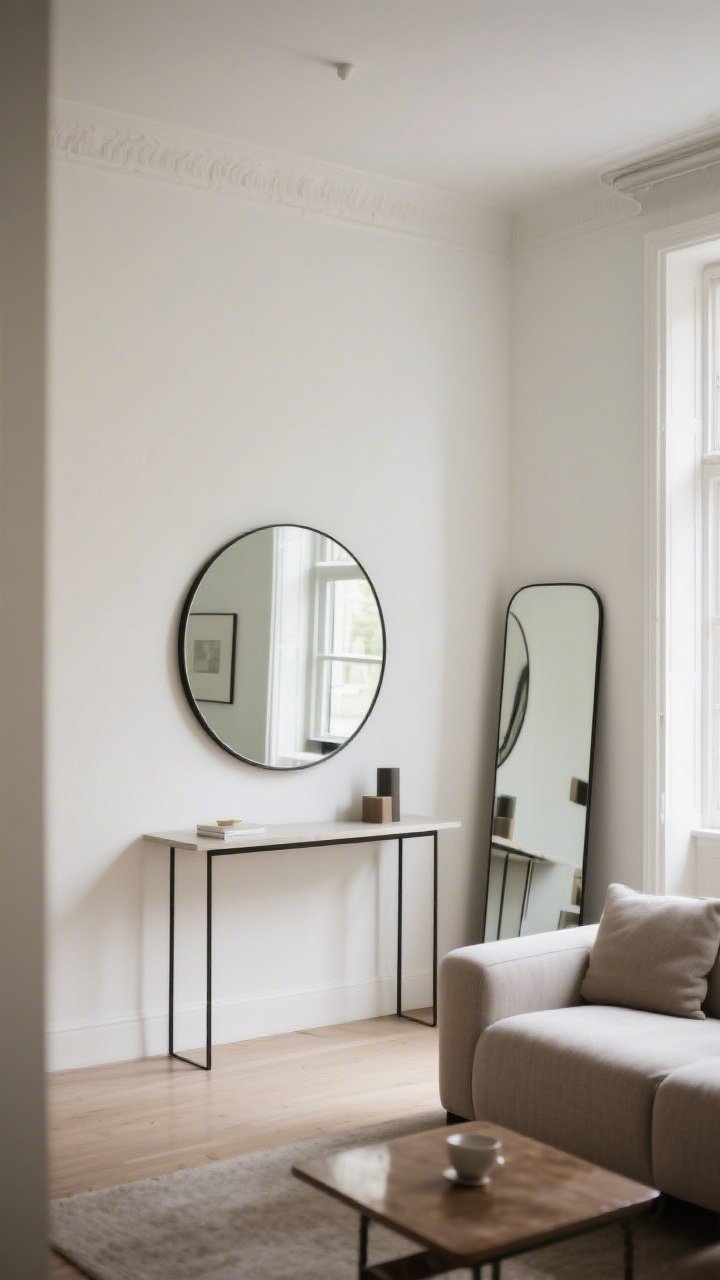
Mirrors bounce light and fake more space. Place them where they can reflect windows, doorways, or a cute vignette.
Mirror Moves
- Large floor mirror: Lean it in a corner to stretch the room visually.
- Over the sofa or console: Round mirrors soften hard lines in boxy rooms.
- Opposite a window: Instant double daylight.
A gallery of smaller mirrors can feel busy—one bold mirror is cleaner and more dramatic.
8. Color Play: Light, Bright, and a Pop of Drama
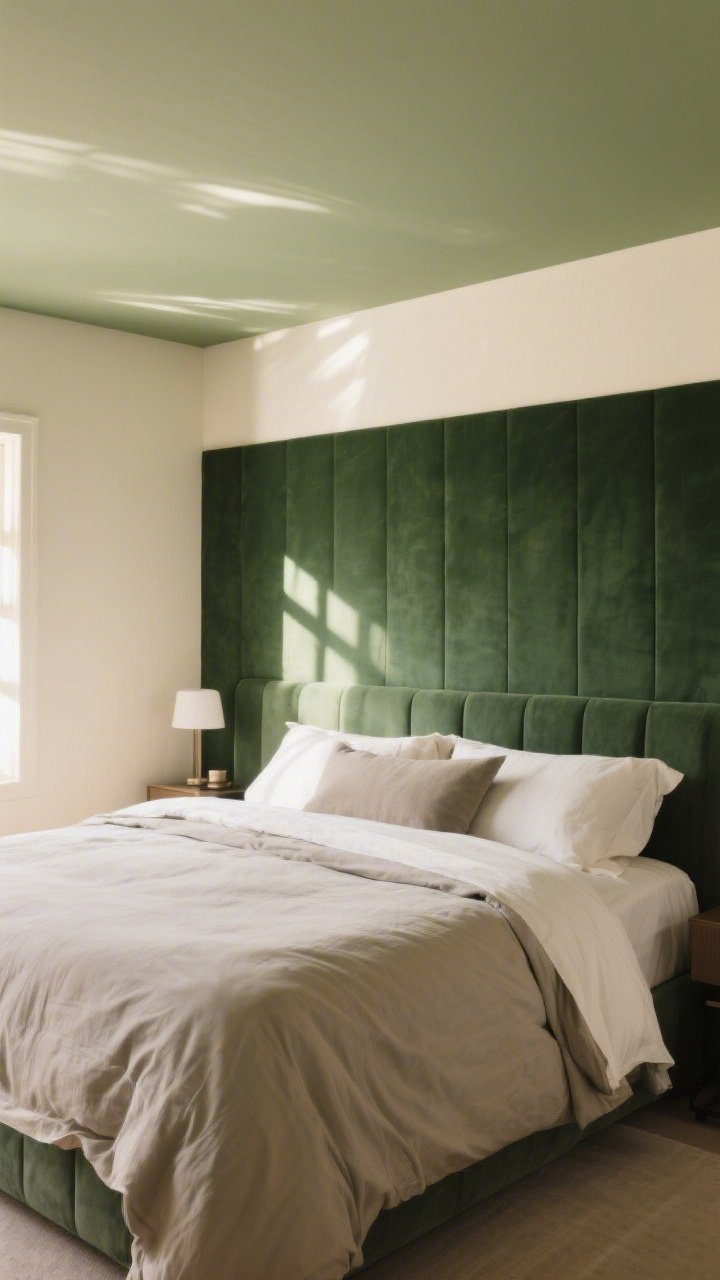
Color can correct a room’s proportions. Light walls expand, but don’t fear contrast. It’s all about strategic choices.
Color Strategies
- Go light on walls: Soft white, creamy beige, or gentle greige keeps things open.
- Accent with depth: A deep blue, forest green, or charcoal accent wall adds dimension.
- Tone-on-tone: Use varying shades of one color for a cohesive, calm feel.
Paint the ceiling the same color as the walls for a cocoon effect in tiny rooms—surprisingly luxe.
9. Pattern and Texture: Layer Like a Pro
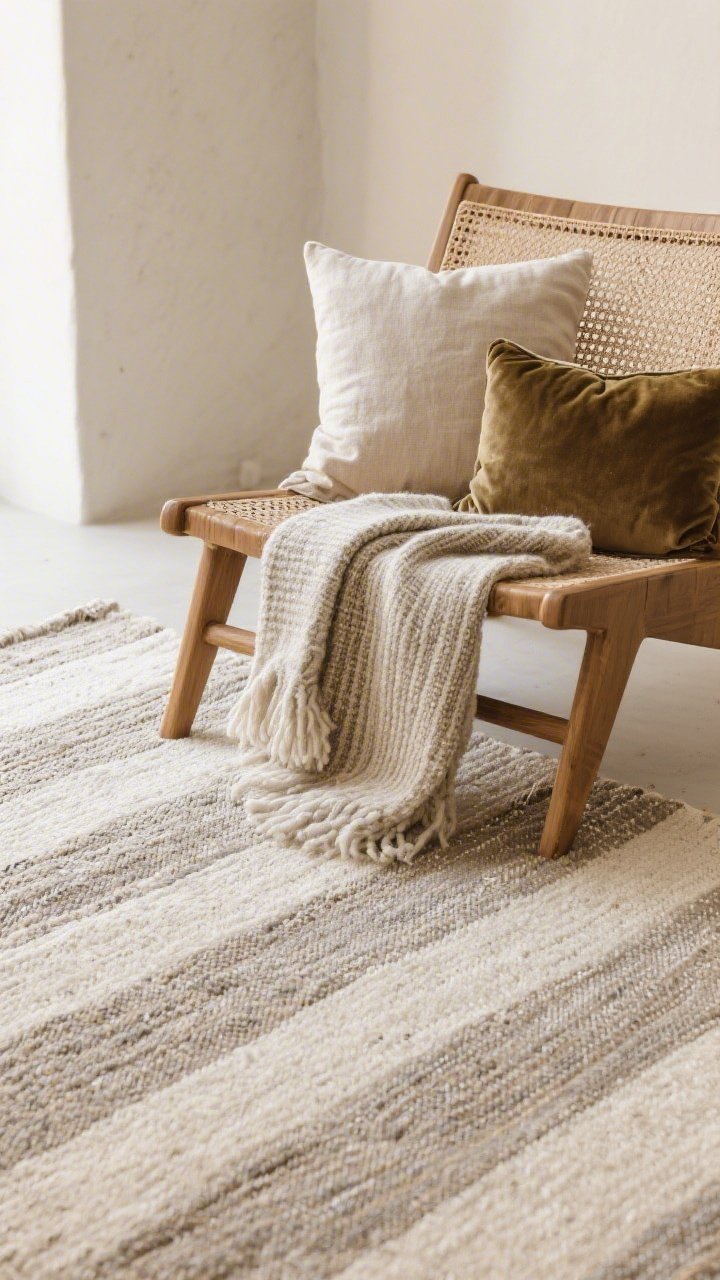
Small rooms don’t have to be boring. Mix textures and a touch of pattern to create richness without clutter.
Mixing Tips
- Stick to a palette: Choose 2–3 colors and repeat them.
- Textures first: Nubby wool, linen, velvet, rattan—texture adds depth without visual noise.
- One hero pattern: A striped rug or patterned pillow set can lead the vibe.
Keep scale in mind: smaller room, slightly smaller patterns—no dizzying micro-prints, please.
10. Window Tricks That Stretch the Room
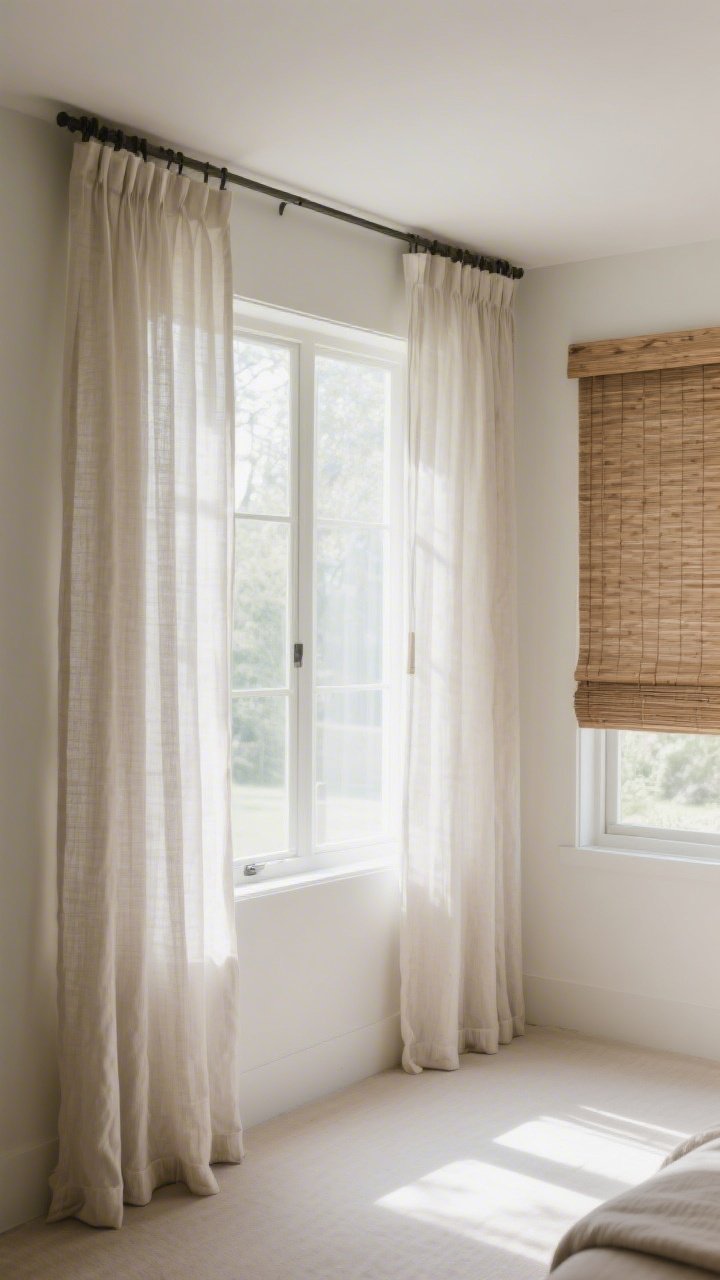
Windows are your space’s cheekbones—emphasize them. Hang curtains high and wide to fake taller ceilings and wider windows.
Window Wisdom
- Mount near the ceiling: 4–6 inches below the ceiling line is ideal.
- Extend the rod: 6–10 inches beyond the window frame on each side to widen the look.
- Light fabrics: Sheers or linen blends keep the room bright and breezy.
No room for drapes? Roman shades or woven wood blinds bring texture and stay compact. Clean lines, big payoff.
11. Zone Your Space (Even If It’s One Room)
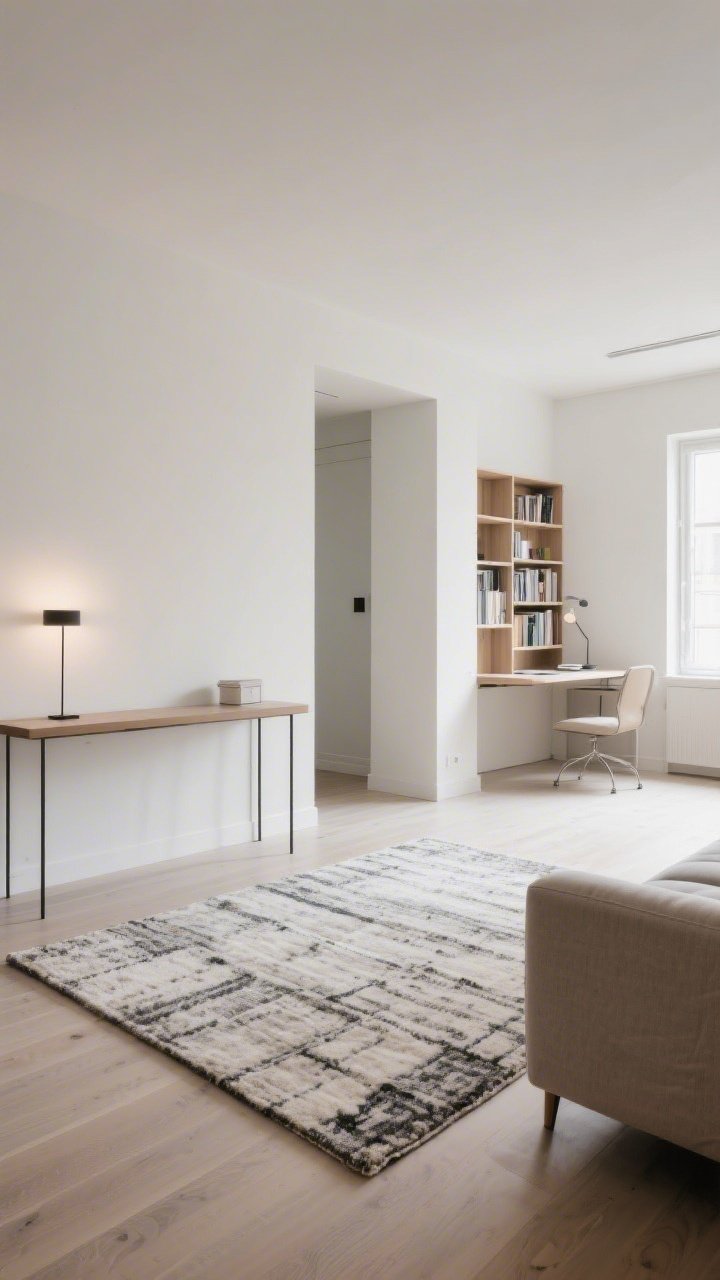
Studio or multipurpose room? Create zones so everything has a job—sleep here, work there, chill over there. Instant order.
How to Zone
- Use rugs: A rug under the sofa defines the living area. Another under the bed does the same for sleep.
- Back-of-sofa divider: Float the sofa with a console table behind it to split space.
- Screens or bookcases: Open shelving divides without blocking light.
Keep walking paths open. If you have to sidestep furniture like a maze, it’s time to rearrange.
12. Streamline Storage You Actually See
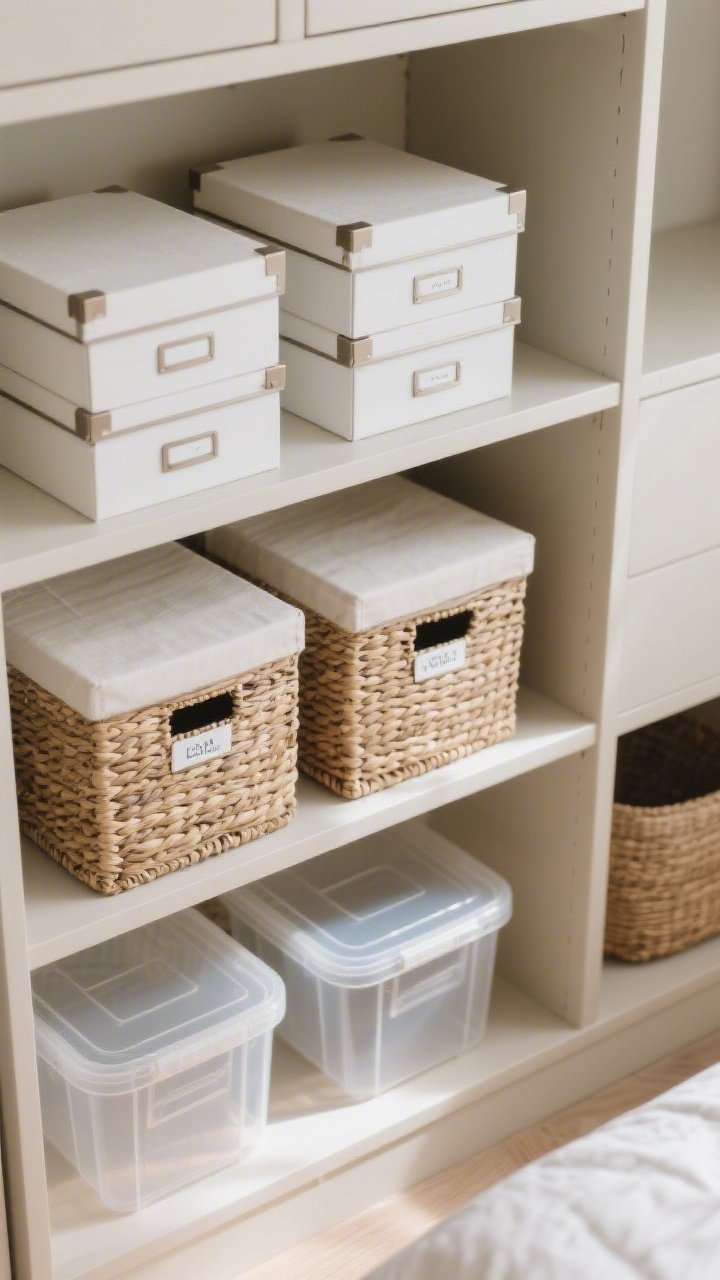
In small rooms, storage is often visible—so make it pretty. Choose cohesive containers and label subtly so it looks intentional, not like a shipping depot.
Pretty-Functional Storage
- Matching baskets: Natural fibers add warmth and hide visual clutter.
- Clear bins (with lids): For closets and under-bed areas—easy to find stuff without the chaos.
- Lidded boxes on shelves: Stack in twos and threes for pleasing symmetry.
And yes, under-bed storage is fair game. Go for low rolling bins or zippered fabric boxes to keep dust at bay.
13. Curate Art and Decor With Intent
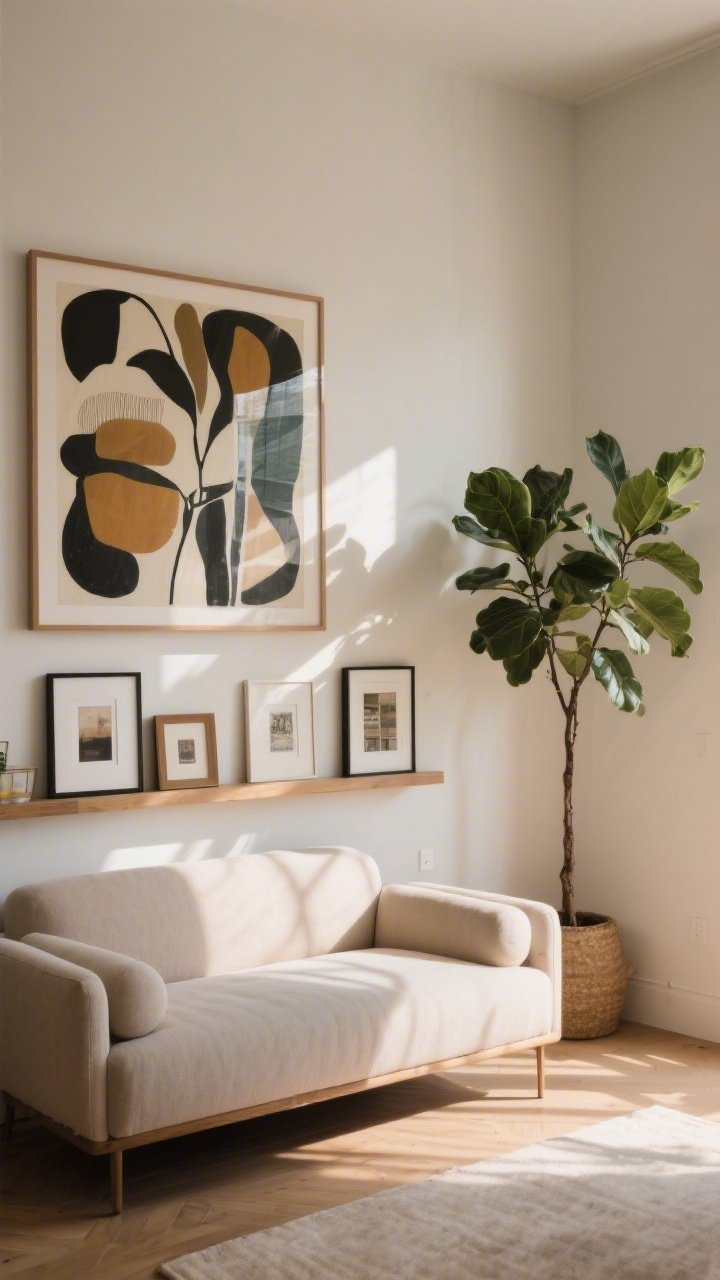
Art is the personality layer, but in a small room, it needs direction. Curate a tight edit instead of scattering bits everywhere.
Artful Approaches
- One statement piece: Oversized art above the sofa or bed looks luxe and uncluttered.
- Grid gallery: Same frames, same mats—clean and cohesive.
- Picture ledges: Swap art seasonally without punching 47 holes in your wall.
Don’t forget greenery. A single floor plant or a small trio on a shelf adds life without crowding.
14. Layout: Float, Angle, and Edit Again
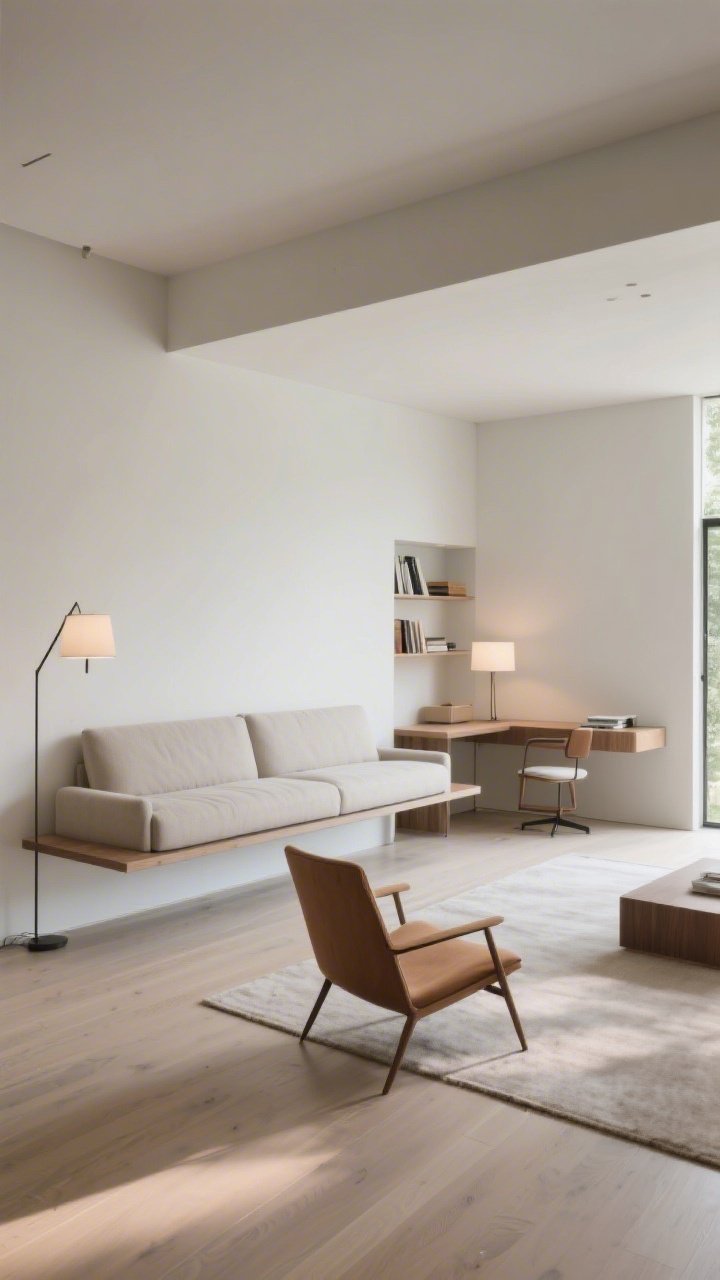
The layout is everything. Experiment with floating furniture off the walls and angling pieces to guide flow. Sometimes the best setup is the one you never tried.
Layout Moves to Test
- Float the sofa: Place it a foot from the wall with a narrow console behind—feels designed, not shoved.
- Angle a chair: Break up boxy energy and open sightlines.
- Use the corners: Corner desks, reading nooks, or plants make forgotten spaces purposeful.
Final pass: walk through the room with a laundry basket and remove anything that snags your eye or your hip. Edit is a love language.
Bonus Mini Guides (Because You’ll Ask)
- Rugs: Go big enough. The front legs of major furniture should sit on the rug—tiny rugs make rooms look smaller.
- Hardware: Swap in matte black, brass, or mixed metals for an instant upgrade—cheap, fast, satisfying.
- Scent + Sound: Candle, diffuser, quiet playlist—small detail, big mood.
Sample Small-Room Color Palettes
- Airy Neutral: Soft white walls, oatmeal linen, pale oak, black accents, sage greens.
- Cozy Contrast: Warm greige walls, charcoal sofa, brass lighting, rust pillows, cream rug.
- Fresh Modern: Pale gray-blue walls, white oak, navy accents, linen curtains, olive plant life.
Shopping Checklist (Just the Hits)
- Slim-leg sofa or loveseat
- Nesting or C-shaped side tables
- Storage ottoman or bench
- Tall bookcase or wall shelves
- Large mirror
- Layered lighting: floor lamp, table lamp, sconces
- Light, high-hung curtains
- Under-bed storage bins
- One large rug
- Statement art or picture ledges
Small rooms are not a punishment—they’re a design playground. When you edit hard, choose smart pieces, and layer light, color, and texture, you get spaces that feel intentional, calm, and ridiculously stylish. You’ve got this. Now go make your little room a big mood.
Follow A Simple Room Makeover System
Use a structured checklist system instead of guessing what to do next.