10 Minimalist Home Decor Ideas for a Clean and Stylish Look: Effortless Chic
Posted in :

A clean, calm home is like a breath of fresh air you can walk through. Minimalist decor isn’t about deprivation; it’s about choosing meaningfully and living with intention. Ready to Marie Kondo your space without losing the cozy vibe? Let’s dive in.
1. Start with a strong, simple palette
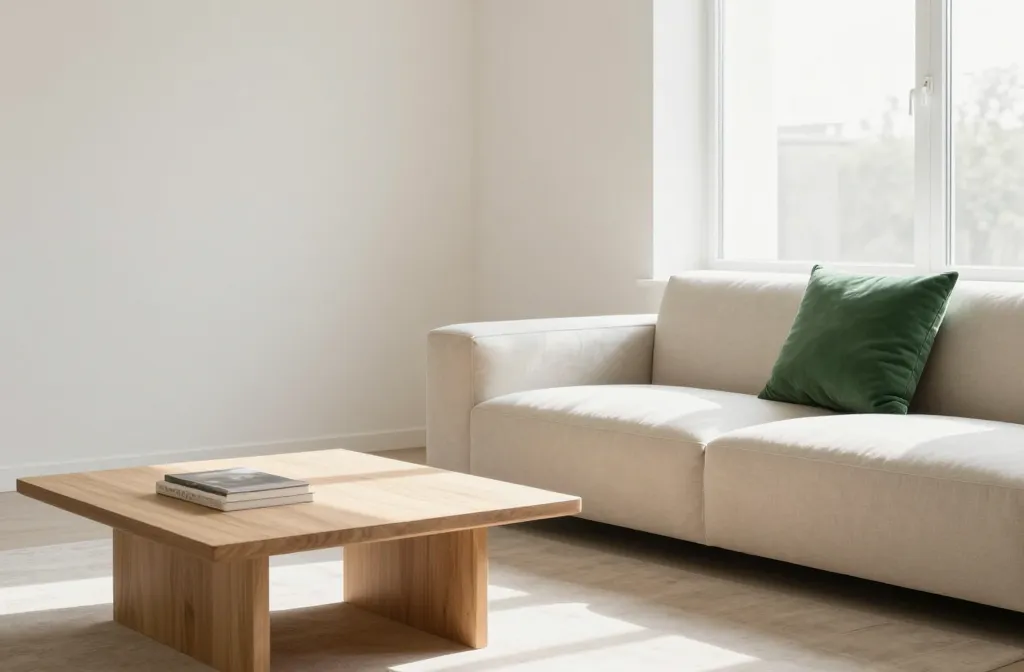
A cohesive color story instantly sets the mood. Pick one dominant tone and one or two supporting shades, then let the rest of the room play a quieter role.
– Use neutrals as your base: warm whites, beiges, or soft grays
– Add a pop with one bold accent color: earthy green, charcoal, or a rich navy
– Keep surfaces uncluttered to let colors breathe
If you’re unsure where to begin, start with a white wall and bring in color through textiles and art. FYI, you don’t have to repaint the entire room to test a vibe. Try a large throw or a single statement cushion first.
How to choose the right neutrals
– Go warm or cool depending on your lighting
– Test swatches in natural daylight and artificial light
– Don’t fear off-whites; they can warm up surprisingly fast
2. Invest in quality, not quantity
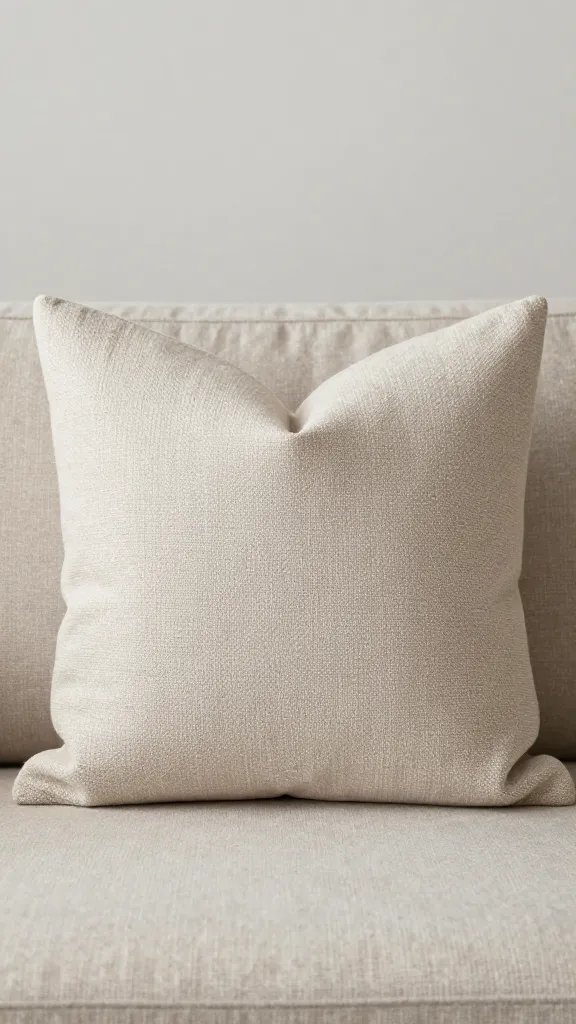
Minimalism thrives on purpose. A few well-made pieces beat a room full of stuff that just sort of exists.
– Pick a cornerstone item: a solid sofa, a simple dining table, or a sleek desk
– Match finishes (wood, metal, fabric) for a cohesive look
– Allow negative space to do the talking
This isn’t an invite to live with nothing. It’s an invitation to curate. If something doesn’t spark joy or serve a function, it probably isn’t worth keeping.
What counts as “quality” for a minimalist?
– Durable materials and clean lines
– Timeless design that won’t look dated in a year
– Subtle details (hand-stitching, a nice join, a sturdy frame)
3. Declutter with a purpose
Minimalism hinges on getting rid of the extra stuff. But you don’t need to go full monk during a first pass.
– Start with 15-minute sprints: pick a zone, stop when the timer goes off
– Create four piles: keep, donate, sell, trash
– Set a rule: if you haven’t used it in a year, let it go
A tidy space = a calmer mind. And yes, you can keep sentimental items—just curate them. Display a few meaningful pieces rather than a chaotic shelf of everything you’ve ever owned.
Smart storage hacks
– Use hidden storage under beds or ottomans
– Opt for furniture with built-in compartments
– Store seasonal items out of sight but accessible
4. Let light lead the way
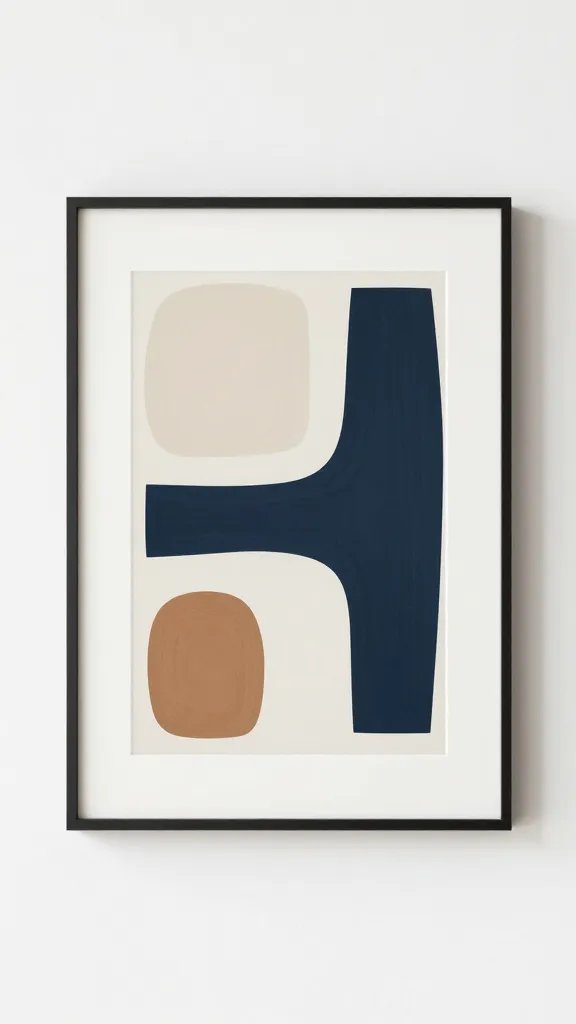
Light transforms a minimalist space from stark to welcoming. You want brightness without glare or clutter.
– Prioritize natural light: sheer curtains, unobstructed windows, mirrors to reflect light
– Choose lighting in layers: overhead, task, and ambient
– Keep cords tucked away with simple cable management
Consider lamps with clean lines and warm bulbs to create coziness after sunset. If the room feels cold, add a small rug—its texture softens the space without adding clutter.
Layering lighting without chaos
– One overhead fixture, one floor lamp, and one table lamp usually does the trick
– Use dimmers to adjust mood on the fly
– Pick warm white bulbs (around 2700K–3000K) for a welcoming glow
5. Textures and tactility matter
Minimalism isn’t about flat, sterile surfaces. It’s about adding depth through texture without overcrowding.
– Mix natural materials: wood, wool, linen, cotton, stone
– Choose one or two textures per room to keep it cohesive
– Use tactile accents like a chunky knit throw or a woven rug
Texture can trick the eye into feeling richer. FYI, a plush rug makes a bold statement without shouting.
Texture ideas that stay classy
– A leather accent pillow on a fabric sofa
– A jute or sisal rug for warmth
– A ceramic vase with a matte glaze
6. Stored-with-style: invisible organization
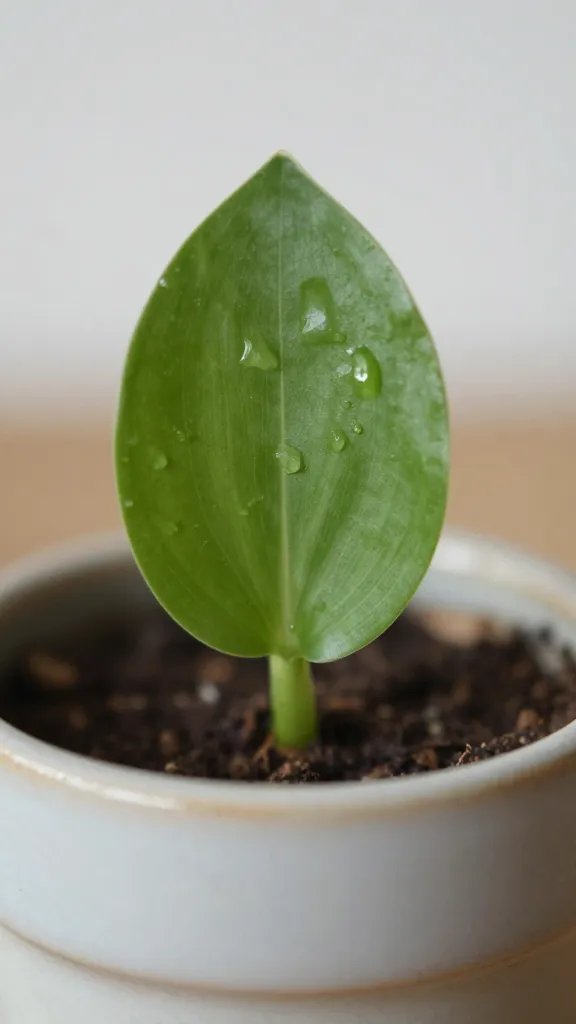
Clean spaces hide a good system. When everything has a home, the room looks calm even with daily use.
– Invest in attractive baskets and boxes
– Use labeled containers for odds and ends
– Keep surfaces clear; if it sits out, it should belong there
Beautiful organization is part of the aesthetic. If you can see every item’s place, you’ll feel lighter instantly.
Under-bed and closet ideas
– Flat storage bins for off-season clothes
– Slim rolling carts for tiny spaces
– Open shelving with uniform bins to keep things neat
7. Greenery without clutter
Plants bring life to a minimalist space, but they can get out of hand fast. Choose a few that thrive with minimal fuss.
– Go for low-maintenance options: snake plant, pothos, ZZ plant
– Use simple pots in a consistent material or color
– Place plants where they’ll be seen but won’t get knocked over
A single tall plant can anchor a corner; a few small ones can soften a shelf. Just don’t overdo it—plants multiply like bunnies and suddenly your minimalist oasis feels like a jungle.
Care 101 for busy humans
– Water on a schedule (or use a self-watering pot)
– Rotate plants for even light
– Dust leaves every couple of weeks to keep them happy
8. Art that speaks softly
Art personalizes a space without stealing the show. The goal is balance: meaningful work that complements the room, not competes with it.
– Choose pieces with a simple color palette
– Consider oversized, single statements over many tiny frames
– Leaning frames can feel modern and casual
When you hang art, think about scale, alignment, and the distance between pieces. Your wall doesn’t need a gallery vibe to look intentional.
The display rule I actually follow
– If you can’t step back and see the whole arrangement, you’ve placed it too tightly
– Leave some breathing room around each piece
– Rotate art every so often to refresh the room
9. Functional zones, not chaos zones
Minimalist spaces still need purpose. Define zones clearly to keep flow and function intact.
– Create a small work corner with a clean desk and good light
– Designate a reading nook with one comfy chair and a lamp
– Keep the dining area spare: table, chairs, a single centerpiece
This approach prevents “everything everywhere” syndrome. Your space becomes a set of intentional micro-environments.
Desk details that calm the brain
– Clear the desk at the end of the day
– Store papers in a simple organizer
– Use a single statement desk lamp and a minimal monitor stand
10. The minimalist refresh you can actually pull off
A good minimalist refresh doesn’t require tears, a full remodel, or a secret priesthood of interior decorators. It’s about making thoughtful swaps that feel right.
– Swap out cluttered decor for one or two high-impact pieces
– Rebalance a room by testing a new rug or a single art print
– Revisit textiles: swap curtains, cushions, and throws to redefine the mood
If you feel overwhelmed, start with one room and apply all the ideas there. Baby steps are still steps, my friend.
FAQ
Q: Can I keep all my sentimental items in a minimalist home?
P: Absolutely. Curate. Choose a small, dedicated display for sentimental pieces. Rotate items seasonally or yearly so you never feel overwhelmed by keepsakes.
Q: How do I keep a minimalist look with kids or pets?
P: Durable fabrics, washable throws, and closed storage become your best friends. Use furniture with clean lines and hidden storage for toys and supplies. Guard rails on shelving to prevent topple-prone piles.
Q: Is a lot of white walls really easier to maintain?
P: White walls are forgiving in one sense and show dirt in another. Use washable paints or a slightly warm white, and keep surfaces clean with quick wipe-downs. A bold accent wall can disguise fingerprints or scuffs.
Q: How often should I refresh minimalist decor?
P: Not constantly. Refresh seasonally with small updates—swap cushions, art, or a rug. FYI, you don’t need a full rehaul every quarter.
Q: Do plants count toward clutter or calm?
P: Plants count toward calm when kept intentional. Pick a few hardy varieties and group them. Too many plants can feel chaotic, so aim for balance.
Conclusion
A minimalist home isn’t sterile; it’s a space that breathes. With fewer things that matter more, you create rooms that feel intentional, calm, and, dare I say, stylish. Start with one room, test a few ideas, and let your space evolve. The goal isn’t perfection—it’s presence. So grab a basket, pick a corner, and let the light do the rest.