
You don’t need a full remodel to get a fresh living room. You just need smart, budget-friendly ideas that punch above their price tag. Let’s skip the fluff and get you to a space you’ll actually want to hang out in.
Fresh Start Without the Frenzy: Simple, affordable decor wins
If your living room feels blah, it’s not about buying more stuff. It’s about making the stuff you already have work harder for you. Think color pops, texture, and a little rearranging magic. FYI, small tweaks can yield big vibes—without sending your bank account into a panic.
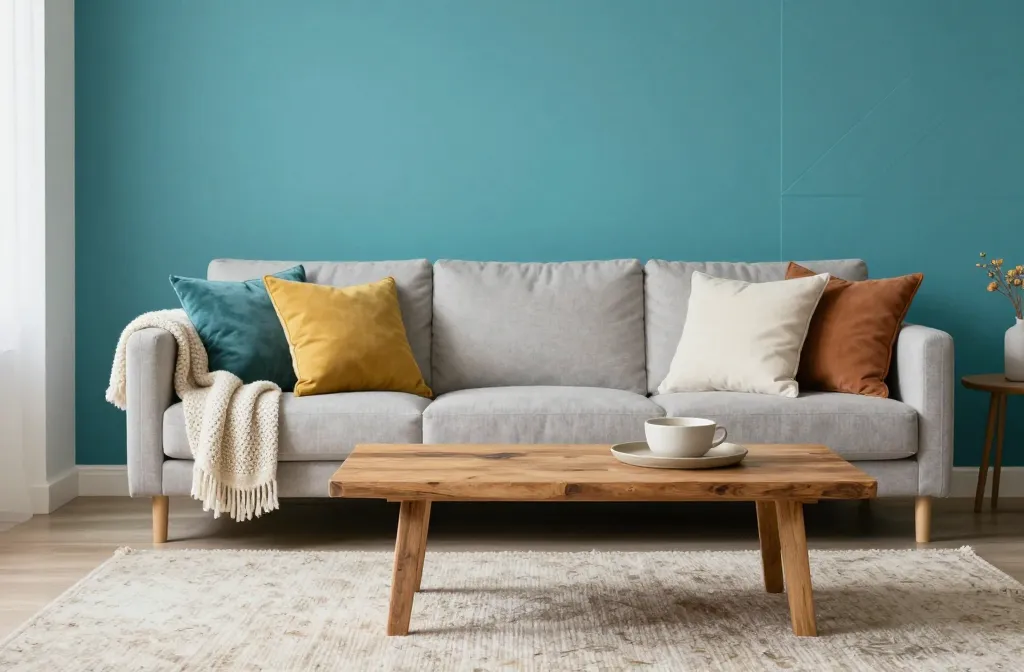
1. Lean Into Color Sans a Full Paint Job
Brighten the room with color without committing to a wall makeover that requires a mortgage. Try these bite-sized color moves:
- Accent walls with bold paint or removable wallpaper on one wall to create depth.
- Color pops in accessories: cushions, throws, and artwork can change the mood in minutes.
- Painted furniture or a fresh coat on a side table can feel transformative.
Subtle paint strategy for dramatic returns
– Swap out hardware on dressers or a coffee table with chrome or matte black for an instant upgrade.
– Use painter’s tape to create a geometric pattern on a single wall and paint shapes in contrasting tones. Simple, stylish, and not permanent.
2. Fabric First: Texture Wins Every Time
Texture adds depth where color alone can’t. It’s the cozy factor that actually makes a room feel expensive without paying money for “expensive.”
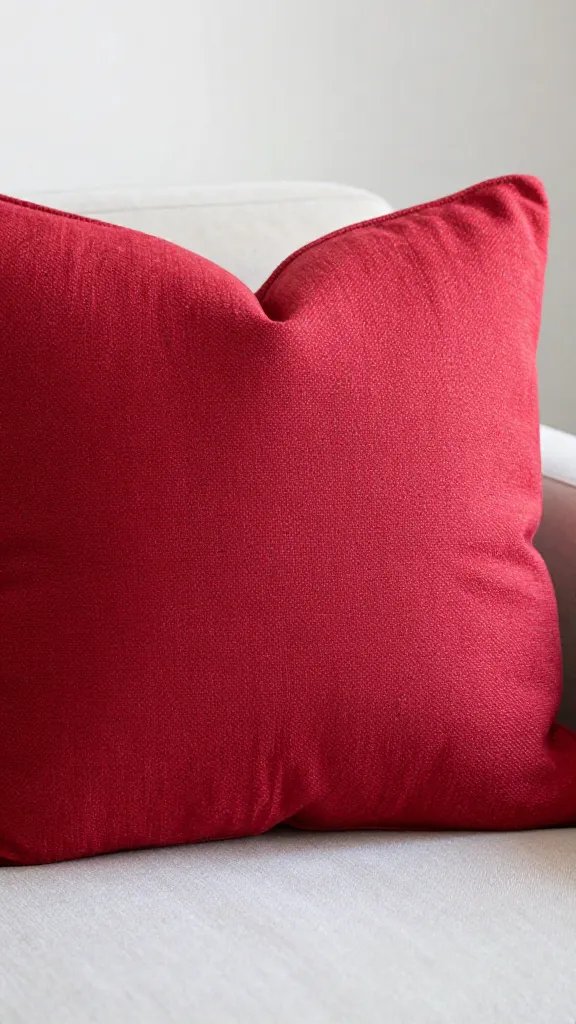
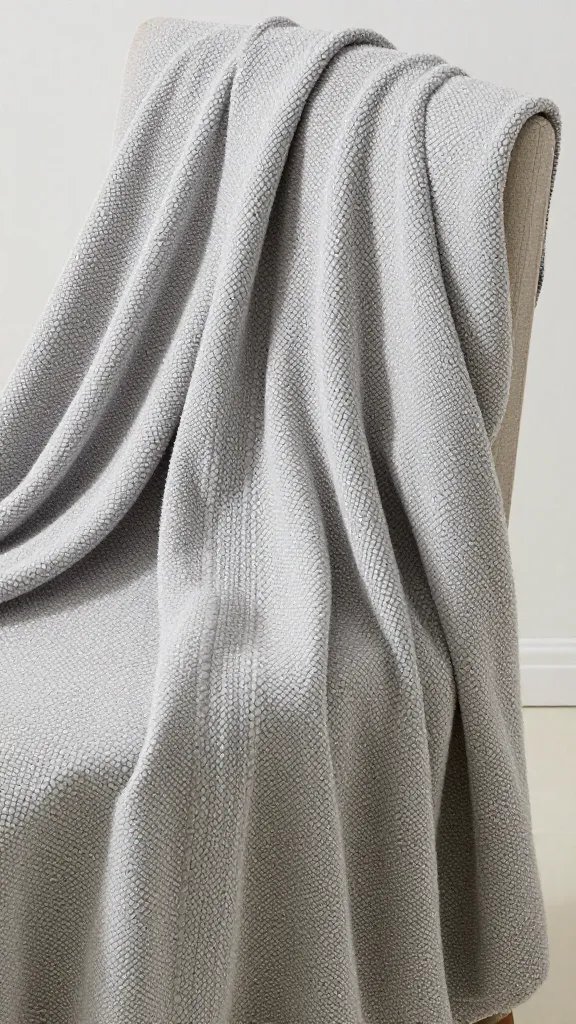
- Throws and cushions in varying textures—knit, faux fur, linen, velvet—give layers you can easily reconfigure.
- Rugs anchor the space. If you don’t want to commit to a new rug, layer a smaller one over a larger neutral one to create interest.
- Slipcovers or light throws can refresh a tired sofa without a full reupholster bill.
3. Bring Green In Without Becoming a Gardener of Doom
Houseplants are mood elevators that double as design accessories. You don’t have to be a plant whisperer to get this right.
Low-effort plant picks
- Snake plants and pothos tolerate neglect and still look chic.
- A single tall plant in a corner can balance an oversized sofa.
- Group smaller plants on a tray to create a mini vignette.
Care tips for plant newbies
– Water less often than you think, but don’t ignore them completely.
– Dust leaves occasionally to keep them photosynthesizing happiness.
– Use self-watering pots or a simple water meter to avoid overwatering.
4. Found-Turniture Gold: Scour for Gems, Not Gold Bricks
Budget shopping doesn’t mean you must settle for “meh.” It means being strategic about what you buy and where.
- <strongThrift stores and flea markets are treasure maps. You’ll find wood pieces with character and fabrics you can reupholster yourself.
- DIY projects can turn a generic coffee table into a statement piece with a little stain and hardware swap.
- Multi-purpose furniture saves space and money—think ottomans with hidden storage or a bench that doubles as a coffee table.
5. Lighting That Actually Flatters Your Space

Lighting changes mood faster than you can say “dim the lights.” The right setup makes everything look more intentional.
- Layered lighting with ambient, task, and accent lights creates depth. Start with a floor lamp in a dark corner.
- Warm bulbs (around 2700K-3000K) give a cozy vibe—less sterile, more “homey.”
- Swap old lampshades for something with texture or color to add personality.
6. Artful Arrangements That Don’t Break the Bank
Artwork doesn’t need to be gallery-priced to feel intentional. It just needs to look intentional.
- Gallery wall on a budget? Print affordable frames in a uniform color and bunch family photos, prints, and DIY art together.
- Statement focal point by hanging one large piece above the sofa or creating a bold wall grid with smaller pieces.
- Use textile art like a woven tapestry or textile panels for texture and color without hanging weight.
7. The Power of Micro-Updates: Small Shifts, Big Impact
If you’re overwhelmed by big changes, start micro, then scale.
- Switch cushion covers seasonally to refresh the look without buying new pillows.
- Change the layout of your furniture. Sometimes moving a sofa just a few inches creates a new flow.
- Declutter ritual—a tidy surface makes a room feel more expensive. Do a quick purge and swap out objects with items you actually love.
FAQ
Can you really decorate a living room without spending a lot?
Yes. The secret is deliberate choices: focus on a few high-impact changes, reuse what you already own, and layer textures and lighting to create depth. You don’t need a full makeover to feel like you did.
What’s the quickest way to upgrade a tired sofa?
Add a fresh look with a new throw blanket and a handful of bold cushions. If you want more bite, swap out the sofa’s legs or add a slipcover in a modern fabric. FYI, a couple of small changes can make the whole thing feel new.
How do I mix patterns without clashing?
Pick one unifying color and repeat it across patterns in varying scales. For example, blue cushions with a navy rug and a blue lamp shade can look cohesive. IMO, start with two patterns and a solid to ground the mix.
Are plants expensive to maintain?
Not necessarily. Start with hardy varieties that tolerate neglect, like pothos or snake plants. Water sparingly and give them good light, and you’ll be surprised how little effort is required.
Is it okay to repurpose old furniture instead of buying new?
Absolutely. Give pieces a new life with paint, new hardware, or a reupholstering project. It’s eco-friendly and often cheaper, plus you’ll gain unique, story-rich pieces.
Conclusion
You don’t need a big budget or a big fancy store to nail living room decor. You need intention, smart layering, and a dash of DIY spirit. Start with a few of these ideas, see what sticks, and iterate. Before you know it, you’ll have a space that feels polished, personal, and totally you—without overspending.